Pressure to modernize
For over 130 years since its formation and development, Da Lat has always been likened to a work of urban art in the highlands with its unique structure of "city in the forest, forest in the city". However, pressure from increasing population and the boom in the tourism industry is creating direct conflicts with the landscape.
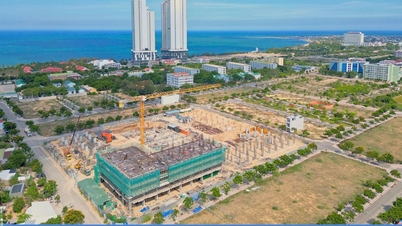
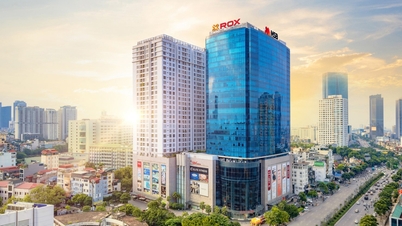
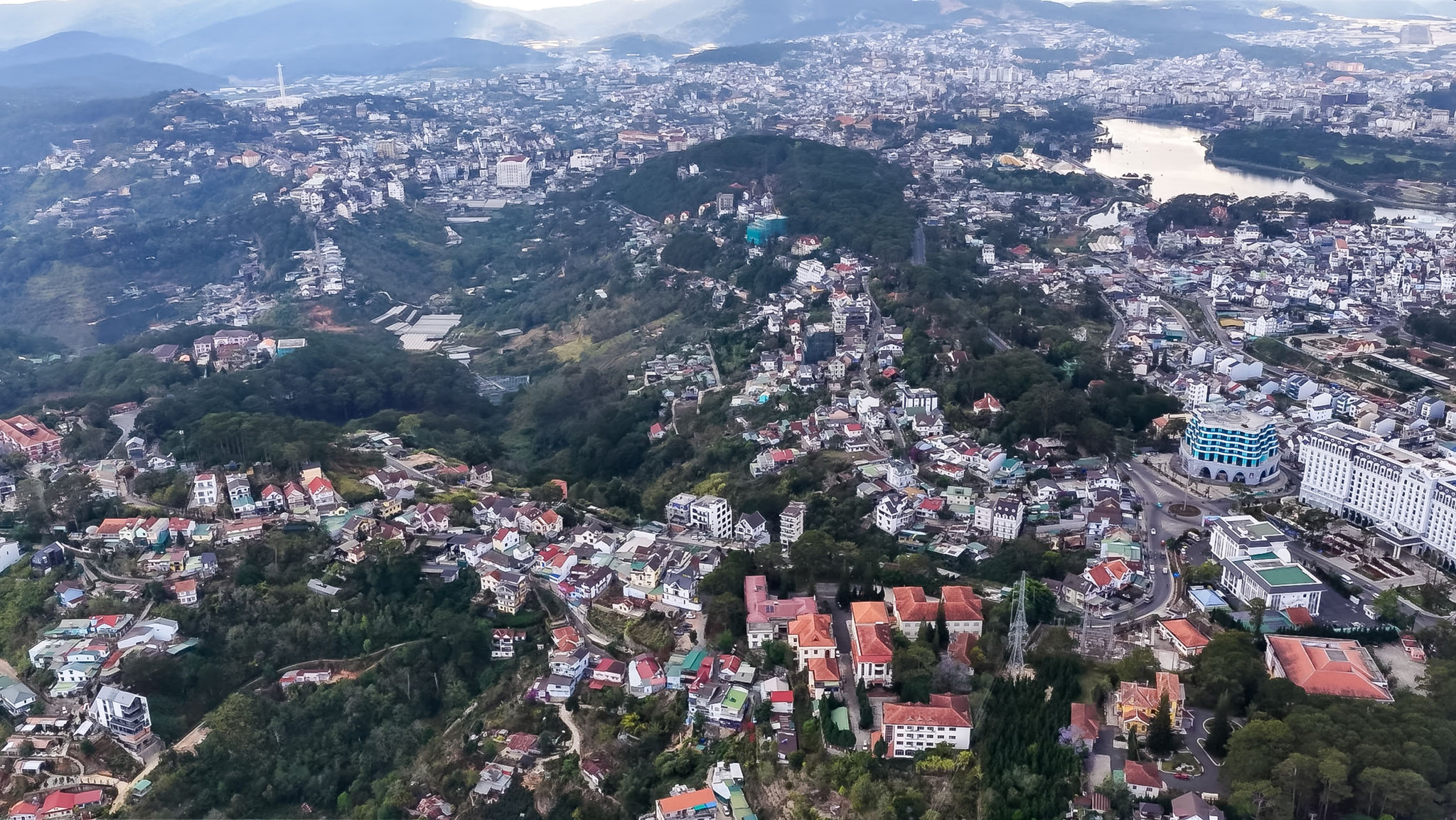
The most troubling contradiction lies in the building density. In the urban core, towering skyscrapers and massive hotels are gradually obscuring the views of the mist-shrouded pine valleys. The old villas along Tran Hung Dao, Le Hong Phong, Le Lai, and Quang Trung streets – "witnesses" to classical French architecture – are now dwarfed by modern concrete structures.
The transformation of the city's appearance is not limited to buildings. While playing a crucial role in enhancing agricultural production, the excessive number of greenhouses is creating significant pressure on urban aesthetics and the environment. High-tech agricultural greenhouses are blanketing the hillsides, overwhelming the city's green spaces. Viewed from above, Da Lat sometimes resembles a massive construction site of plastic sheeting and box-like buildings rather than an ecological city. This is a poignant paradox in the development process.
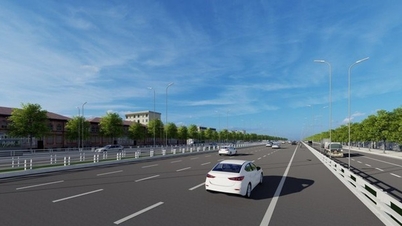
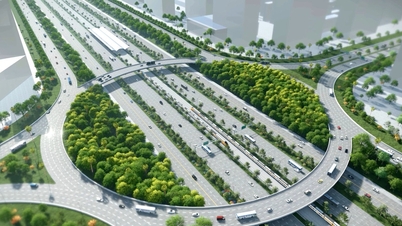
2026 marks a significant turning point as Lam Dong province implements new planning projects, striving to expand its urban space into the surrounding areas in a multi-polar direction. To alleviate pressure on the central area, the government is promoting the formation of satellite cities in Duc Trong, Lac Duong, Di Linh, etc., connecting them synchronously with a system of ring roads and expressways.
You may also likeA new milestone in Vietnam-Denmark green cooperation.After 55 years, Vietnam-Denmark cooperation has evolved from a development assistance relationship to a Green Strategic Partnership, both aiming for green growth and sustainable development.New regulations on multi-purpose land use: Distinctions and application conditions under the 2024 Land Law.The 2024 Land Law clearly distinguishes between land use conversion and multi-purpose land use, and delegates the authority to directly approve these changes to the provincial People's Committees.Key infrastructure development plan: Proposal to invest 235 trillion VND in the construction of Ring Road 5 and commence construction on 5 metro lines.This past week saw a series of major infrastructure developments: the proposal for a 321km Ring Road 5 in the Capital Region, the commencement of construction on 5 metro lines in Hanoi, and Ninh Binh's progress towards becoming a centrally-governed city.Da Lat is not a compact city built by piling up concrete blocks. The essence of Da Lat is a city within its landscape. If we are preoccupied with constructing modern, machine-like structures that disrupt the natural topography, we are destroying Da Lat's identity.
Architect Hoang Dao Kinh - expert in heritage preservation.


To avoid losing our identity
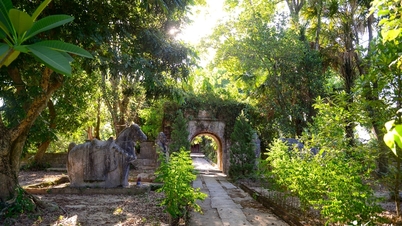
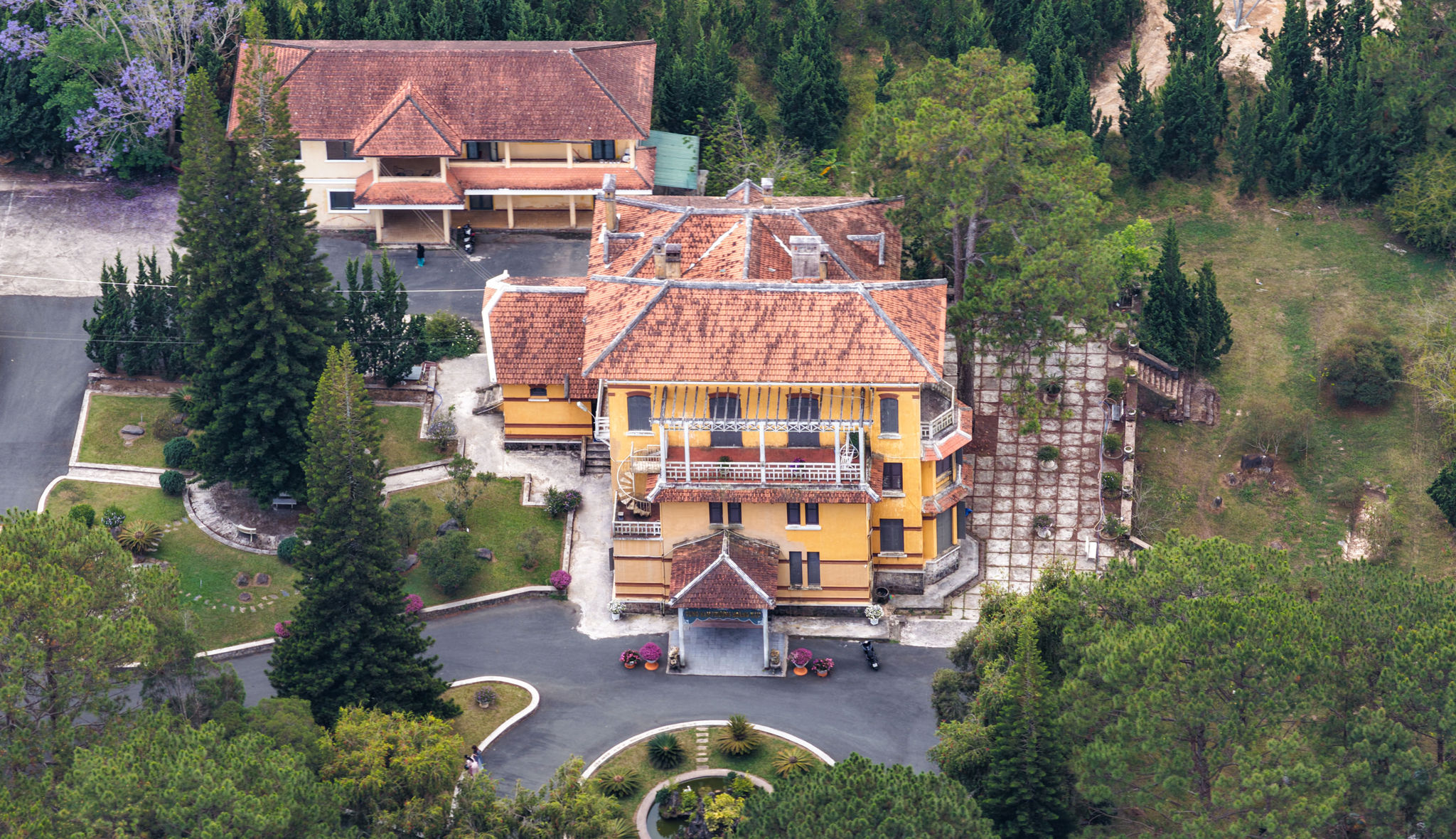
In recent planning workshops organized by the province, experts have unanimously warned: If Da Lat loses its "gentle, elegant, and hospitable" character and its distinctive classical beauty, it will become nothing more than an ordinary, unremarkable highland city. Therefore, the core orientation must be a heritage city model in the core area. Preservation here does not mean freezing the past, but rather skillfully integrating old values into the contemporary flow. The renovation projects in Hoa Binh area or the Governor's Residence are typical examples that are attracting significant public attention.
Emphasizing the importance of landscape space, architect Hoang Dao Kinh – a leading expert on heritage preservation – proposed to the province the establishment of a “heritage protection zone.” Accordingly, not only the building itself but also the entire surrounding space must be strictly protected to preserve the view. He frankly stated his opinion at a workshop organized by the province: “Da Lat is not a compact city where concrete blocks are piled up. The essence of Da Lat is a city within its landscape. If we keep building modern, mechanical structures that disrupt the topography, we are destroying the identity of Da Lat.”
Despite facing significant infrastructure challenges, Da Lat is striving to demonstrate its enduring vitality through culture and creativity. Joining the UNESCO Creative Cities Network has opened up a strategic direction. Community art spaces like "Street on the Hill" and outdoor musical theaters have transformed old streets into inspiring destinations. The interplay between music, architecture, and landscape has recreated a sophisticated "mini-Paris," imbued with the spirit of the digital age. This is one of the ways to soften the concrete landscape, retaining tourists through the depth of cultural value rather than superficial check-in spots.



Agreeing with this direction, Associate Professor Dr. Tran Dinh Thien (former Director of the Vietnam Institute of Economics) commented: “Da Lat should not compete based on the number of tourists but on the class of the destination. The pressure of modernization must be transformed into opportunities for creative economic development. The title of UNESCO City of Music is a suggestion that we should create cultural spaces and art performance venues integrated right within architectural heritage sites.”
The current challenge for Da Lat is no longer a trade-off between conservation and development, but rather development within conservation. The commissioning of the forest-crossing ring road, and the decisive campaign to dismantle greenhouses, restoring green spaces to hillsides and replacing them with organic farming under the forest canopy, are clear examples of this rebalancing effort. Simultaneously, moving towards a smart city model in planning management and traffic regulation will help the city effectively control the negative consequences of rapid growth.
Source: https://baolamdong.vn/e-giu-vung-ban-sac-do-thi-a-lat-440565.html