

The European Central Bank (ECB) now has to decide whether to continue or stop cutting its policy interest rate.
From 2022 to 2024, the ECB raised its policy interest rate from approximately 0% to 4%, but has since reduced it five times, and it currently stands at 2.75%. The upcoming decision is truly difficult for the ECB because the need to lower the policy interest rate remains urgent, while the pressure to do so remains, and may even intensify.
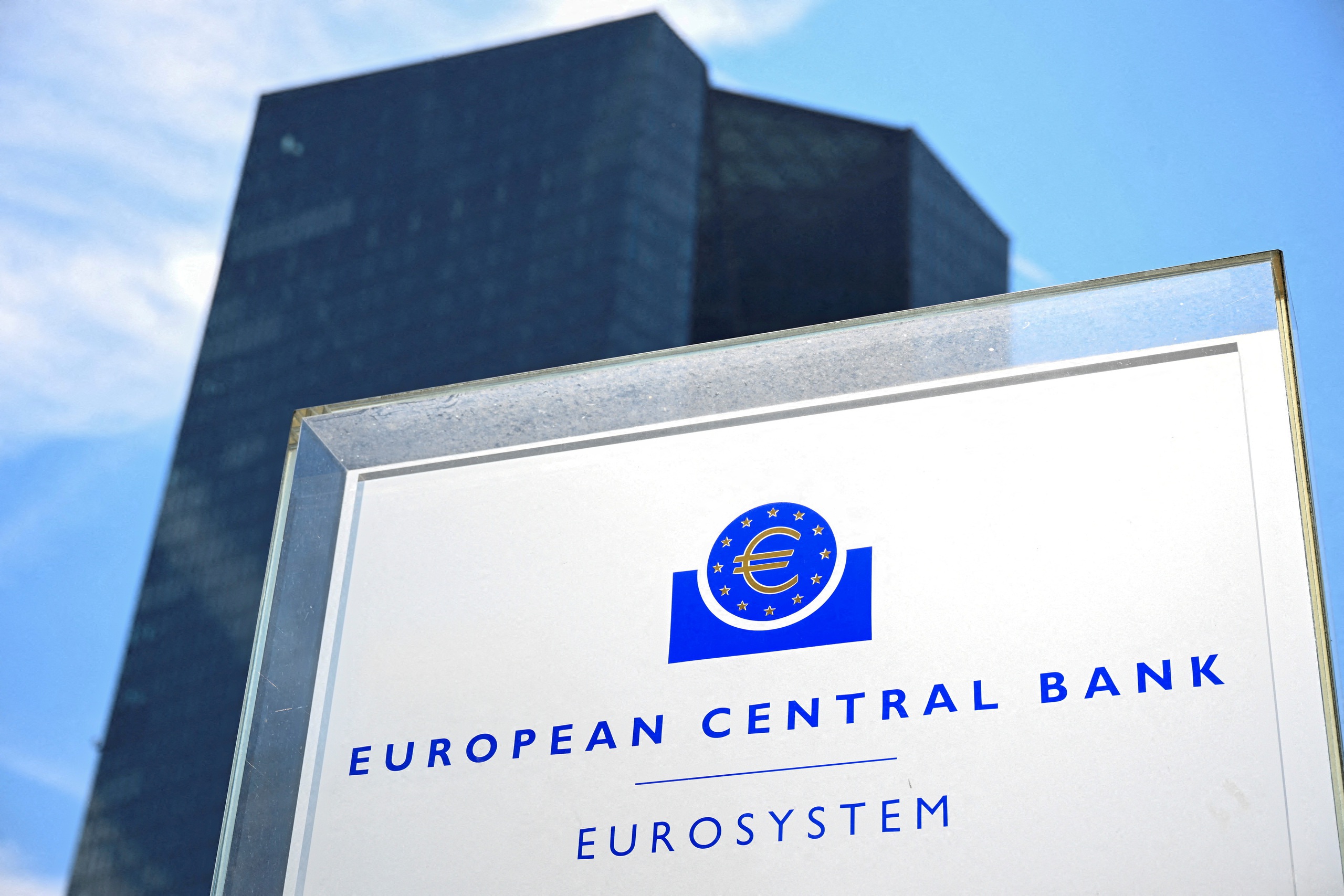
The headquarters of the European Central Bank (ECB) in Germany.
Typically, once the US Federal Reserve (Fed) has lowered its benchmark interest rate, the ECB will follow suit. The Fed has lowered its benchmark interest rate several times and is now pausing. The new US administration is exerting strong pressure on the Fed to continue lowering the benchmark interest rate instead of stopping. Meanwhile, the eurozone economy remains slow and unstable. The ECB is under immense pressure from political circles to continue lowering its benchmark interest rate to stimulate strong growth and to make it easier for governments to borrow more from financial and monetary markets.
At the same time, the ECB is now under pressure to raise its policy interest rate, or at least not lower it further, from three perspectives. First, the overall inflation rate for the euro area remains almost one and a half times higher than the ECB's target. Second, EU member states are seeking new sources of funding for Ukraine and will likely choose to increase public debt, further driving up inflation. Third, the inevitable trade war between the US and the EU will also weaken the euro.
Whichever direction the decision takes will have a two-way impact on the ECB. Therefore, it is highly likely that the ECB will lower the benchmark interest rate one last time before stopping reductions or gradually raising it.
Source: https://thanhnien.vn/ecb-truoc-nga-ba-duong-185250304220500955.htm


![[Photo] General Secretary and President To Lam presides over a working session with the Central Policy and Strategy Committee on the development of the materials industry.](https://vphoto.vietnam.vn/thumb/1200x675/vietnam/resource/IMAGE/2026/05/21/1779359935432_a3-bnd-3129-1412-jpg.webp)






























































































Comment (0)