The decision was made at the EU summit in Brussels, Belgium, marking the first time the bloc has extended its economic sanctions package for a full year, instead of the previous six-month renewals.
EU sanctions target key sectors of the Russian economy, including fossil fuel exports, the arms industry, financial institutions, and many others.
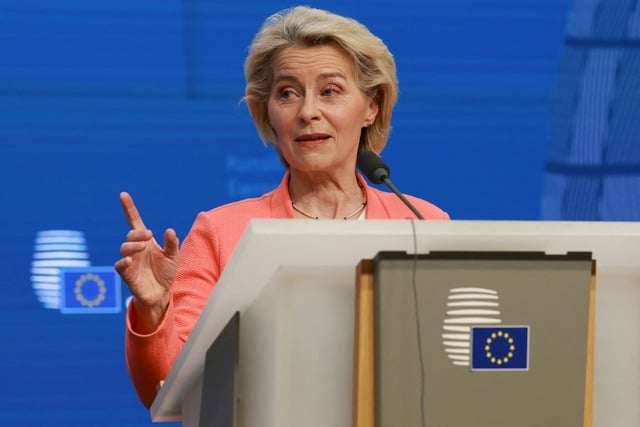
EC President Ursula von der Leyen at the EU summit in Brussels, Belgium (Source: Reuters)
At the conference, EU leaders also reached a preliminary agreement on a €2 trillion long-term budget for the period 2028-2034, expected to be finalized next October. However, member states still have many disagreements on how to allocate the funds.
While Germany, the Netherlands, and several other countries are pushing for tighter controls on the bloc's overall spending, member states in the South and East are concerned that funding for sectors such as agriculture and regional development funds will be cut in favor of defense spending.
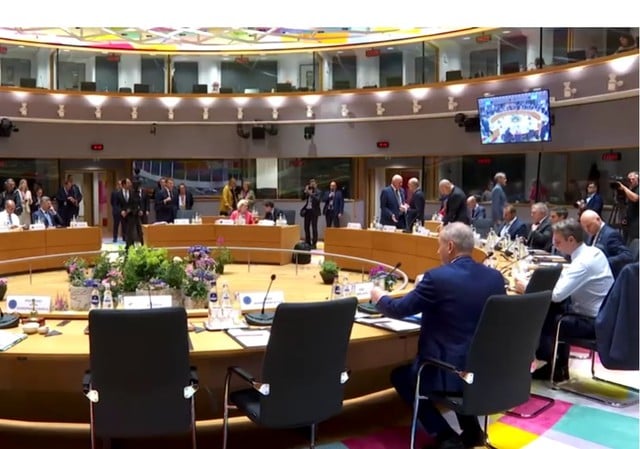
EU countries are accelerating negotiations on a long-term budget for the period 2028-2034 (Source: Reuters)
Regarding Ukraine, Von der Leyen said the EU aims to open further rounds of negotiations on Kyiv's accession process in the near future.
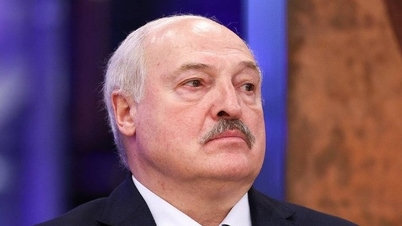
European Council President Antonio Costa also said that he is establishing direct channels of communication with Russia through his office to facilitate the delivery of the EU's message to Moscow.
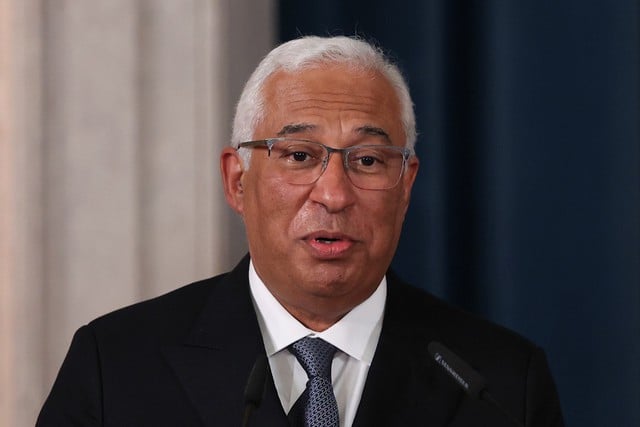
Mr. Costa will establish a direct channel of communication with Russia (Source: Reuters)

To date, ceasefire negotiations between Russia and Ukraine have been primarily mediated by the United States, while European countries are seeking to play a more active role in the process.
Please tune in to HTV News at 8 PM and the 24-Hour World Program at 8:30 PM every day on HTV9.
Source: https://htv.vn/eu-gia-han-lenh-trung-phat-nga-22226062017514885.htm






















![[Image] Ho Chi Minh City: Ma Lang area, Chicken-Rice Market about to change its appearance](https://vphoto.vietnam.vn/thumb/1200x675/vietnam/resource/IMAGE/2026/06/25/1782377698627_ndo_br_m1-jpg.webp)