The U.S. has approved bemotrizinol, the first new sunscreen active ingredient to be licensed in over 25 years. This decision paves the way for American consumers to access an active ingredient already widely used in Europe and many other parts of the world .
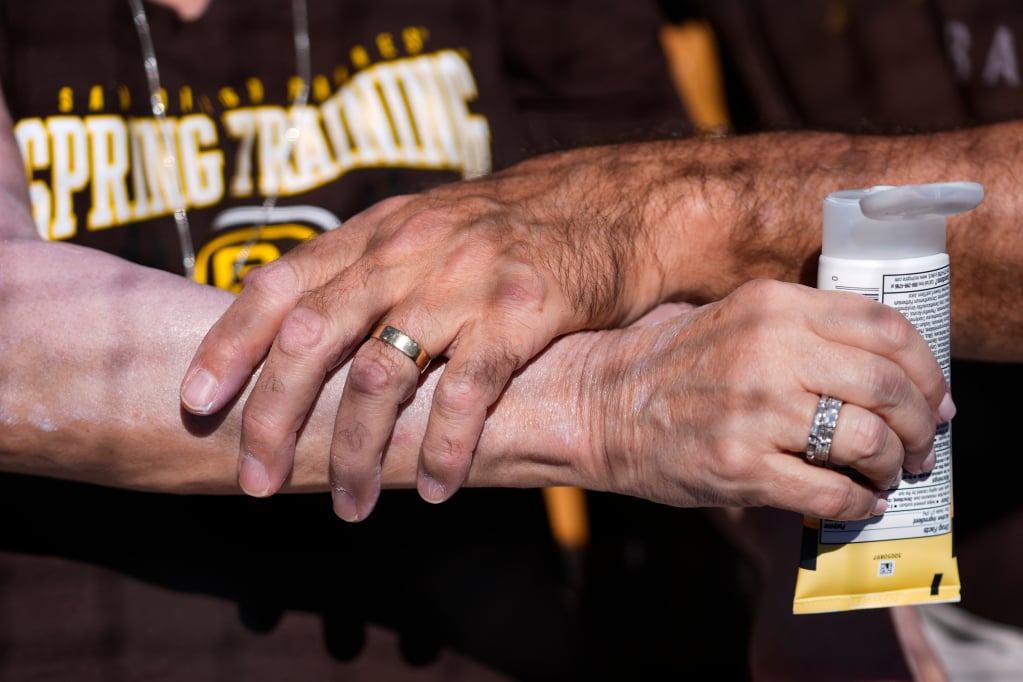
According to the FDA, bemotrizinol meets standards for protecting the skin from ultraviolet (UV) rays, while causing only low levels of irritation and minimal skin penetration. The agency states that the active ingredient is safe for adults and children 6 months of age and older.
Bemotrizinol will be distributed in the US by the Dutch company DSM Nutritional Products under the brand name Parsol Shield, expected to launch this year. After an 18-month exclusivity period, other manufacturers will also be allowed to use this active ingredient in sunscreen products.



For decades, introducing new sunscreen ingredients to the U.S. market has been hampered by the slow and complex process of updating the FDA-approved list of over-the-counter active ingredients.
Bemotrizinol has been licensed by European regulatory authorities since 1999 and was first submitted to the FDA for review in 2005. It was the first ingredient to be reviewed under a simplified process passed by the US Congress in 2020 to expedite the evaluation of new sunscreen active ingredients.
Experts believe this active ingredient will add an important option for American consumers thanks to its ability to protect against both UVA and UVB rays simultaneously, while not leaving a white cast on the skin like many mineral sunscreens.
According to current FDA regulations, sunscreens must protect users from both UVB rays, the main cause of sunburn, and UVA rays, which increase the risk of skin cancer and cause skin aging.



Many chemical sunscreens commonly used in the US are primarily effective against only one type of UV radiation, forcing manufacturers to combine multiple ingredients to create broad-spectrum protection. Meanwhile, mineral sunscreens like zinc oxide can protect against both UVA and UVB rays but often leave a white residue on the skin.
Source: https://baoquangninh.vn/fda-phe-duyet-thanh-phan-chong-nang-moi-3410868.html
![[Image] Ho Chi Minh City: Ma Lang area, Chicken-Rice Market about to change its appearance](https://vphoto.vietnam.vn/thumb/1200x675/vietnam/resource/IMAGE/2026/06/25/1782377698627_ndo_br_m1-jpg.webp)


![[Image] Schools organize meetings and introduce teaching models to students admitted to grade 10.](https://vphoto.vietnam.vn/thumb/1200x675/vietnam/resource/IMAGE/2026/06/25/1782368077271_ndo_br_z7970052192242-1ec8daeb77a6eed1a4e9f58c564ddd3e-jpg.webp)
![[Photo] General Secretary and President To Lam receives Palestinian Ambassador Saadi Salama](https://vphoto.vietnam.vn/thumb/1200x675/vietnam/resource/IMAGE/2026/06/25/1782365384740_a1-bnd-9423-8322-jpg.webp)

















![[Video] Weather forecast for tonight and tomorrow, June 26, 2026: Northern Vietnam to end heatwave from tomorrow, Central Vietnam to continue experiencing a heatwave.](https://vphoto.vietnam.vn/thumb/402x226/vietnam/resource/IMAGE/2026/06/25/1782392692278_thumb-dem-png.webp)