 |
The 2026 World Cup will be the first to feature 48 teams. After nearly three decades of familiarization with the 32-team format, world football is entering a new version: larger, longer, and with more qualifying spots.
FIFA defended this change with a familiar message: the tournament needs to be more open so that more countries, more players, and more fans can experience the World Cup dream. For teams outside the traditional powerhouses, this is clearly a great opportunity.
But not everyone was enthusiastic. Carlos Queiroz, the head coach of the Ghana national team, was one of the most notable dissenting voices. Interestingly, his Ghana team wasn't eliminated because of the new format. On the contrary, they benefited from it.
Ghana beat Panama, earned a point against England, and advanced as one of the best third-placed teams. However, Queiroz still questioned: Does the World Cup still hold special value if more and more teams can participate?
He said the value comes from scarcity. When a World Cup ticket becomes more easily obtained, its sacred feeling risks diminishing.
More opportunities, more hope.
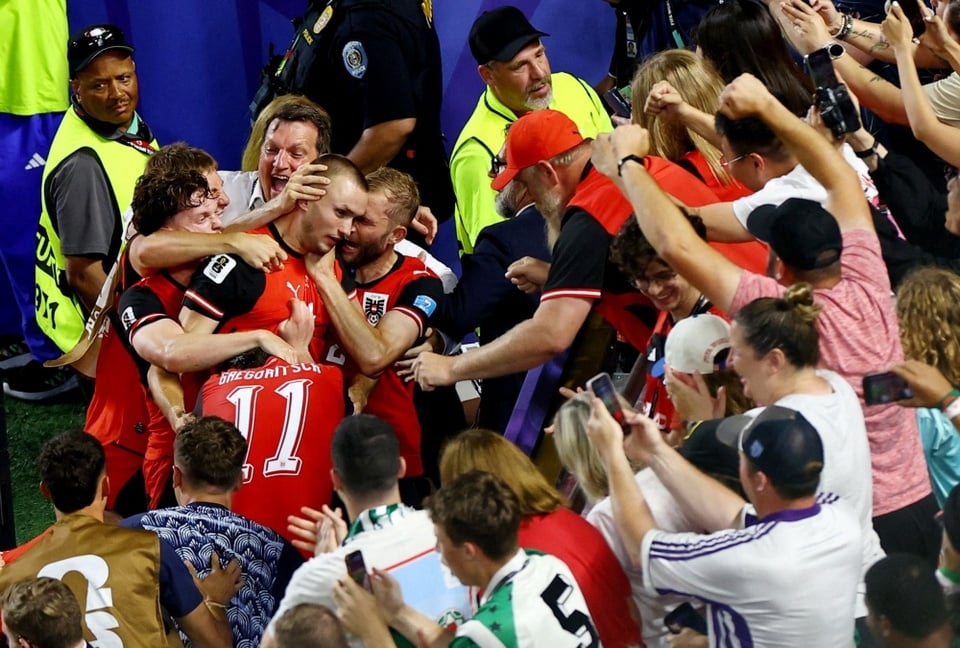
Undeniably, the 48-team World Cup generated more stories. Footballing nations that rarely appear on the big stage had a greater chance to shine. For players, it could be the pinnacle of their careers. For fans, it was a source of national pride.
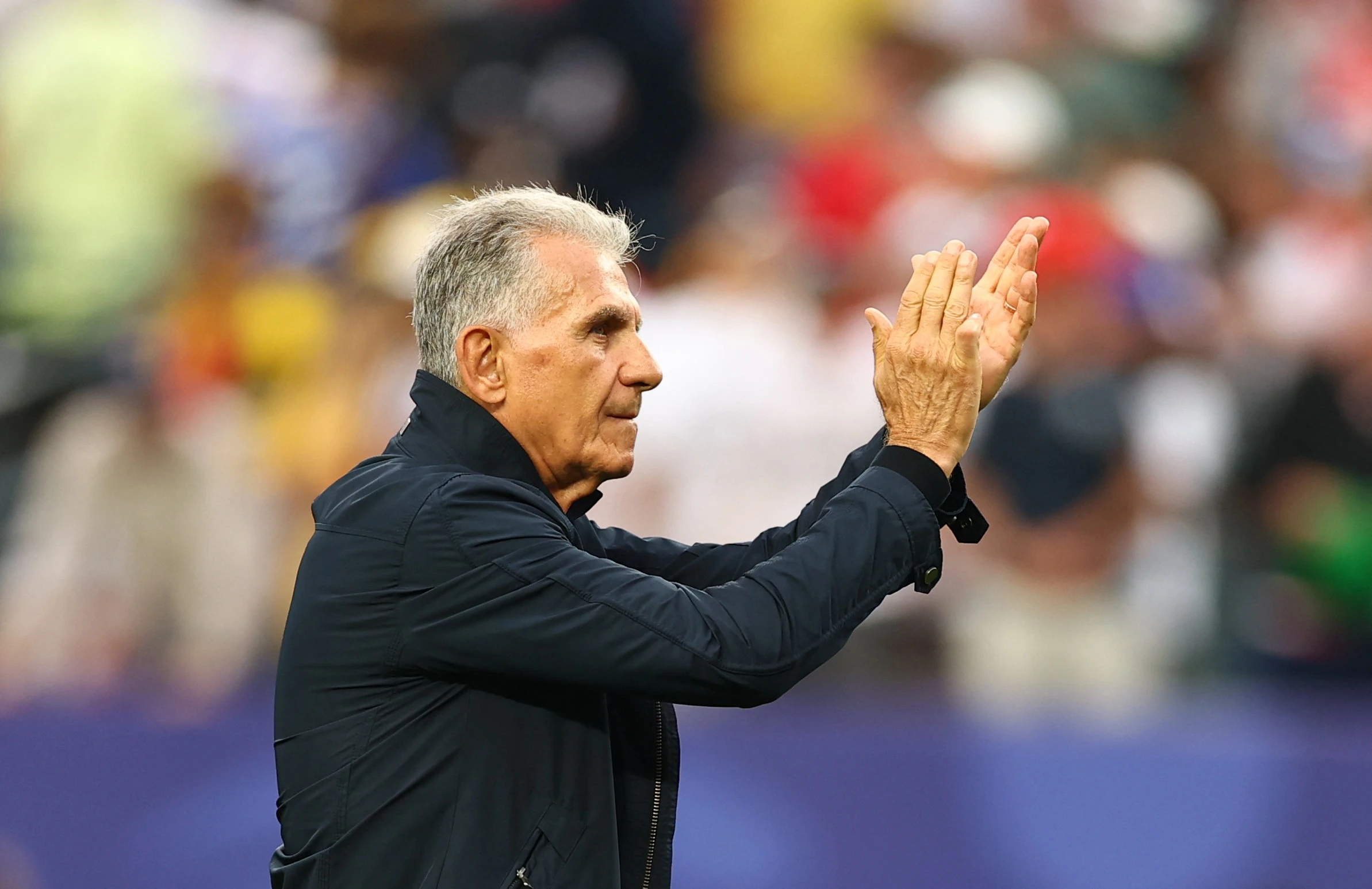 |
Although Ghana benefits from the new format, Carlos Queiroz still questions whether a 48-team World Cup will retain its inherent intensity. |
The new format also allows more teams to stay in the tournament longer. Even if they don't finish first or second in their group, a third-placed team still has hope. They don't have to pack their bags immediately after the last match. They still have to wait for the results in other groups to know if they qualify for the knockout round.
This detail creates a unique kind of drama. After the group stage is complete, the third-placed teams may find themselves in a state of both hope and anxiety. A result in another group could either propel them to the next round or send them home. For neutral viewers, it adds an extra layer of suspense.


Ghana is the clearest example. Queiroz's team lost 1-2 to Croatia in the final match, but still advanced from the group stage. In the old format, such opportunities were less likely to arise. In the new format, one loss doesn't necessarily mean the end of everything.
From an entertainment perspective, this is appealing. The World Cup adds more teams, more matches, more excitement, and more nights of anticipation. Smaller footballing nations also have more room to spring surprises.
But the story isn't just about the bright side.
More isn't necessarily better.
Queiroz is concerned that a 48-team World Cup would diminish the rigor of the qualifying rounds. This is the core issue. The World Cup used to be special because it was so difficult to get there. A team had to overcome a long, stressful, and risky journey to qualify.
 |
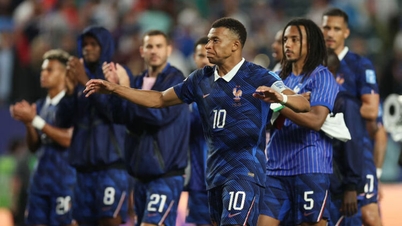
The third-placed teams have to wait for the final round of group stage matches to find out their fate, adding drama but also making the new format controversial. |
As the number of qualifying spots increases, the qualifying rounds risk losing some of their weight. Queiroz cites South America as an example. With 10 teams, the region currently has 6 direct qualification spots, while the seventh-placed team still has an additional chance through the intercontinental play-offs. In this context, failing in the qualifying rounds becomes more difficult than before.
That's what worries Queiroz. If too many teams qualify for the World Cup, will the qualification still be rare enough? If the qualifying rounds are less intense, will the World Cup still retain its essence?
Even the group stage has changed. With third-placed teams now able to advance, the group stage is no longer as ruthless as before. A team might not play convincingly, but they still have a chance to survive. This adds hope, but also reduces the sense of "life or death" in each match.
Queiroz called the group stage a warm-up. According to him, the World Cup truly begins in the knockout rounds. This comment is somewhat harsh, but not unreasonable. With a 48-team format, the tournament might be longer and have more teams, but the most intense part is pushed back to later.
So, is a 48-team World Cup appealing? Yes, if you look at the coverage, the number of matches, and the opportunities for smaller teams. No, or at least not necessarily, if the standard is the highest level of competition from start to finish.



The issue lies in the trade-off. FIFA has a bigger tournament. Fans have more matches to watch. Smaller teams have more hope. But the World Cup could also lose some of the scarcity that once made it so prestigious.
Football always needs expansion. But the World Cup is more than just a crowded festival. It's also a stage for the most deserving teams. When that boundary is stretched, Queiroz's question becomes thought-provoking: Is the World Cup becoming more attractive, or simply getting bigger?
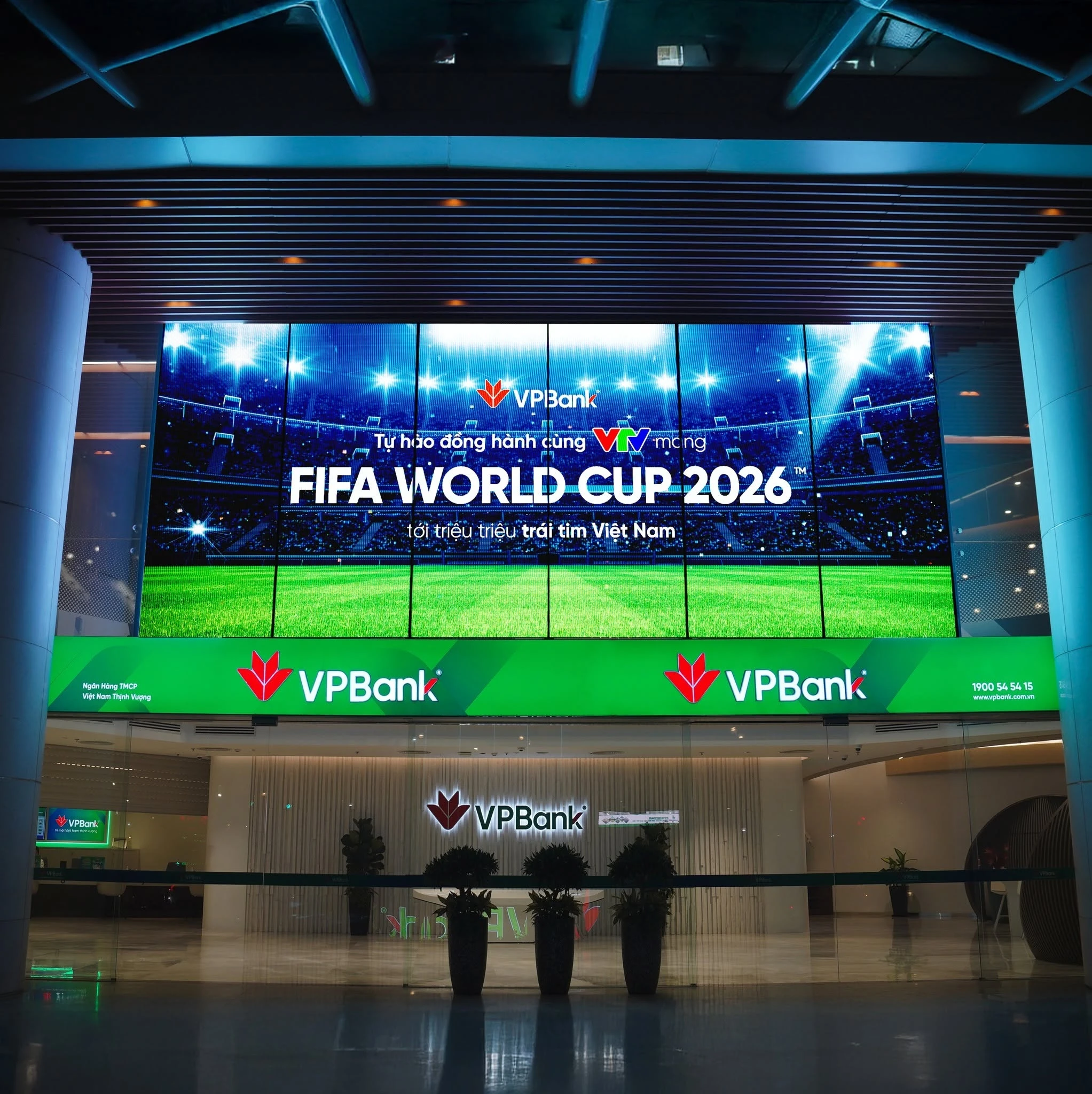 |
VPBank is one of the partners collaborating with Vietnam Television (VTV) to bring the FIFA World Cup 2026 to Vietnam. |
Source: https://znews.vn/fifa-thang-lon-with-world-cup-phinh-to-post1663982.html






























































![[INFOGRAPHICS] Can Tho implements the Strategy for Ethnic Affairs until 2030, with a vision to 2045](https://vphoto.vietnam.vn/thumb/402x226/vietnam/resource/IMAGE/2026/06/28/1782658308447_1782658217.webp)