

The article "Personality Changes Related to Organ Transplantation," published in the medical journal Transplantology in January, discusses how some organ transplant recipients have experienced significant and lasting changes in their thinking and behavior.
Researchers at the University of Colorado School of Medicine in the US have begun studying whether personality changes occur after organ transplants. Specifically, they are investigating what changes occur in heart transplant recipients and whether these changes differ from those who receive other organ transplants.
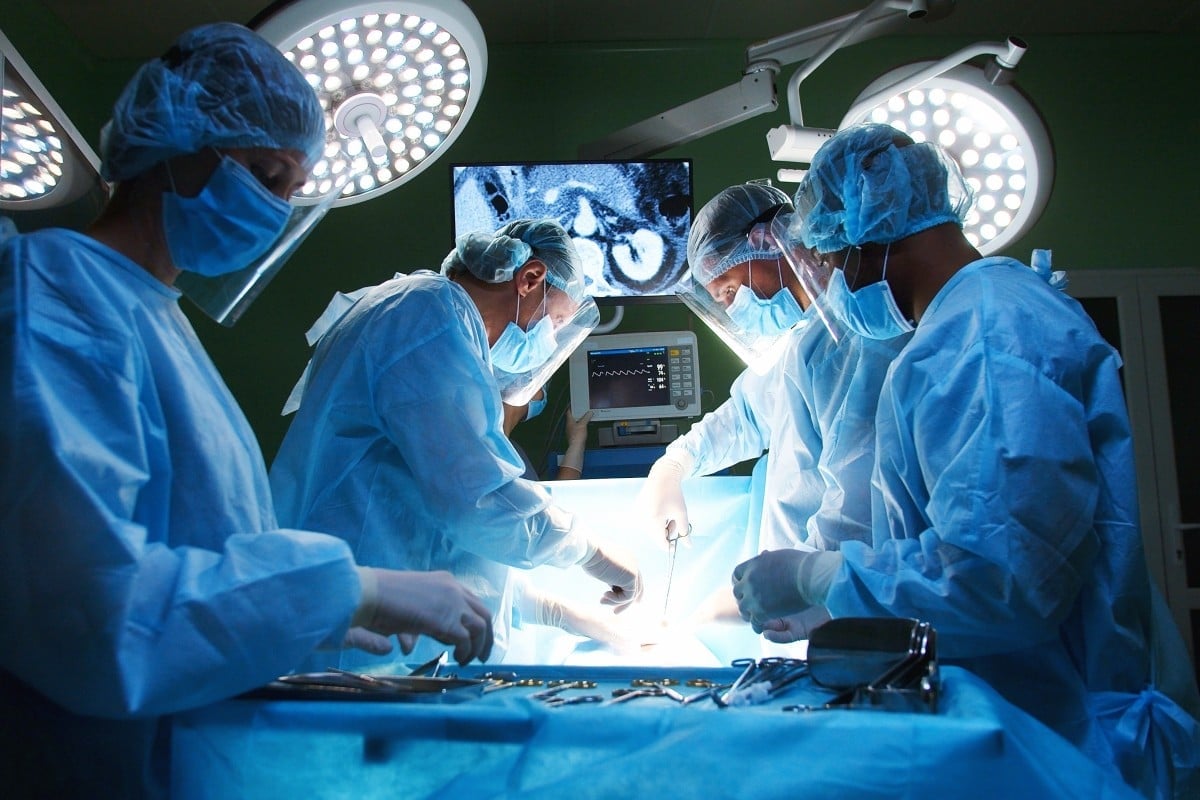
Research suggests that organ transplant recipients may experience personality changes related to the donor. (Image: Shutterstock)
Many changes in personality, interests, and even new memories appear.
The study surveyed 47 people online, including 23 heart transplant recipients and 24 recipients of other organs. The results showed that 89% of organ transplant recipients reported personality changes after surgery. There were no significant differences between heart transplant recipients and those who received other organs.
These changes include preferences regarding food, occupation, music , art, intimate relationships, and leisure activities. Some individuals may have higher levels of social and sexual adaptability, as well as increased awareness of spirituality or religion.
While these changes are often harmless or beneficial, some can be concerning, including delirium, depression, anxiety, psychosis, and sexual dysfunction.
In addition, some people who have received organ transplants have developed "new memories" that they apparently never experienced before. These memories are often related to the sensory perceptions of the organ donor.
The article cites an example: "A 56-year-old university professor received a heart transplant from a 34-year-old police officer who tragically died after being shot in the face."
"After the transplant, the recipient recounted a strange experience, saying, 'A few weeks after receiving the heart, I started having dreams in which I saw a beam of light shining directly into my face and my face became burning hot as if it were on fire.'"
"The Heart Code"
Several different theories have been proposed to explain this phenomenon. Psychologically, personality changes in organ recipients may stem from their own fantasies about the donor, or it may be due to the recipient using defense mechanisms to cope with the stress associated with the transplant process.
Meanwhile, biochemical theories suggest that the donor's memories and personality traits may be stored in the donor organ and transferred to the recipient.
For example, an "engram"—a trace of memory about past experiences—could be transferred from the donor's brain to the recipient's brain via extracellular vesicles (exosomes). The idea of transferring cellular memory between a donor and recipient, such as through DNA and RNA memory, has also been proposed.
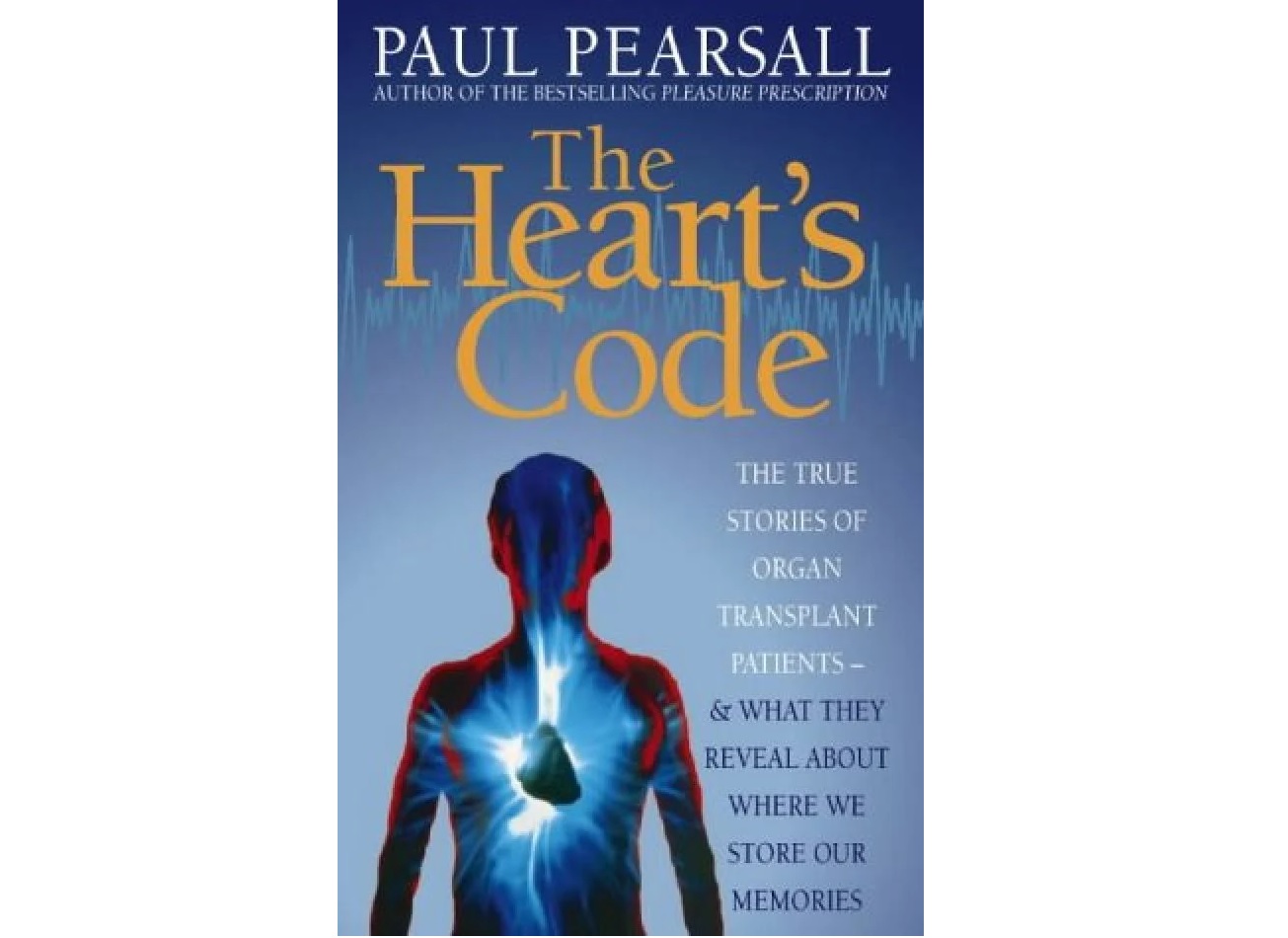
Cover of Paul Pearsall's book *The Heart Code*. Photo: Amazon
Another hypothesis suggests that personality traits are transmitted through the neural system in the heart, a system that uses chemical neurotransmitters to communicate and store information.
This system, also known as the "brain-heart," is believed to store memories that can be transferred to the recipient during the transplant surgery, potentially altering the recipient's personality.
Another hypothesis relates to the recipient's electromagnetic field, suggesting that the donor's personality information may be stored in the heart's electromagnetic field and transmitted during surgery, leading to changes in the recipient's personality. This hypothesis is proposed because the human body is an electrical entity composed entirely of charged particles, governed by electromagnetic principles.
Dr. Mitch Liester, the author of the paper, stated: "Personality changes can also result from improved physical health after surgery, rather than a transfer of personality from the donor to the recipient."
Personality changes are described similarly in the book "The Heart Code" by neuropsychologist Paul Pearsall, who in 1999 showed that many personality traits of heart recipients change according to the donor.
One such case involved a 5-year-old boy who received the heart of a 3-year-old boy named Thomas. Thomas had tragically died after falling from a window ledge while trying to retrieve a superhero toy. Whether by coincidence or inherited personality traits, the 5-year-old boy, after receiving the heart, shared Thomas's interests.
Hoai Phuong (according to SCMP)
Source













































































Comment (0)