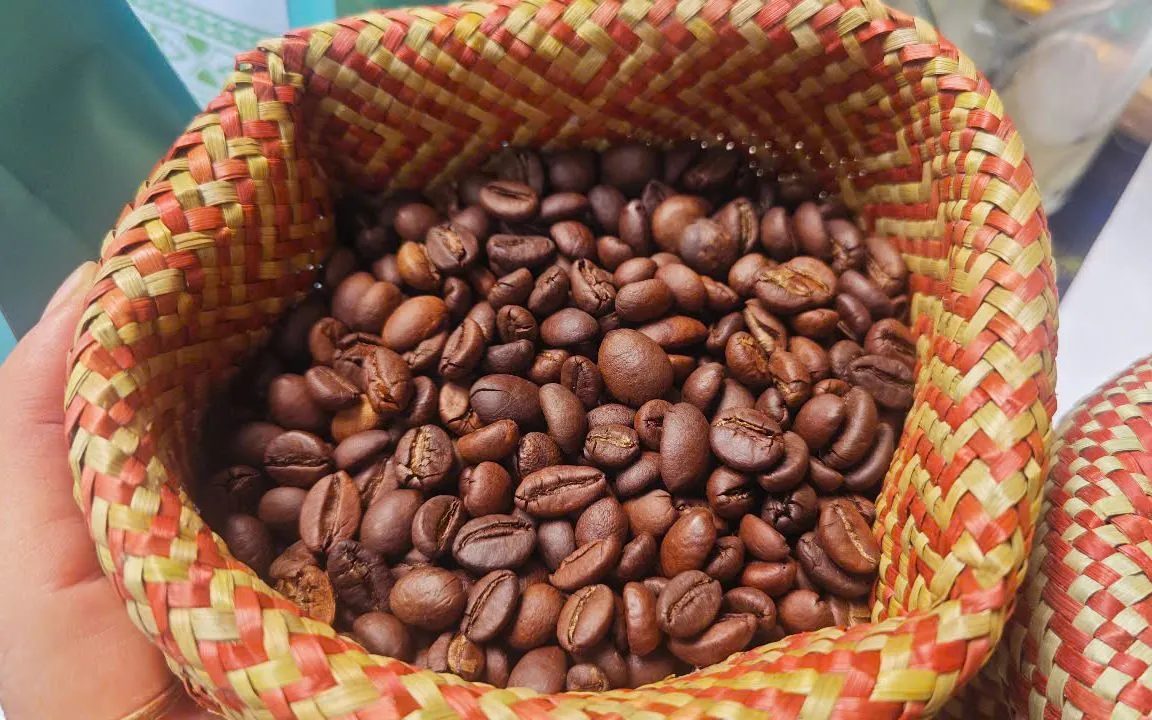
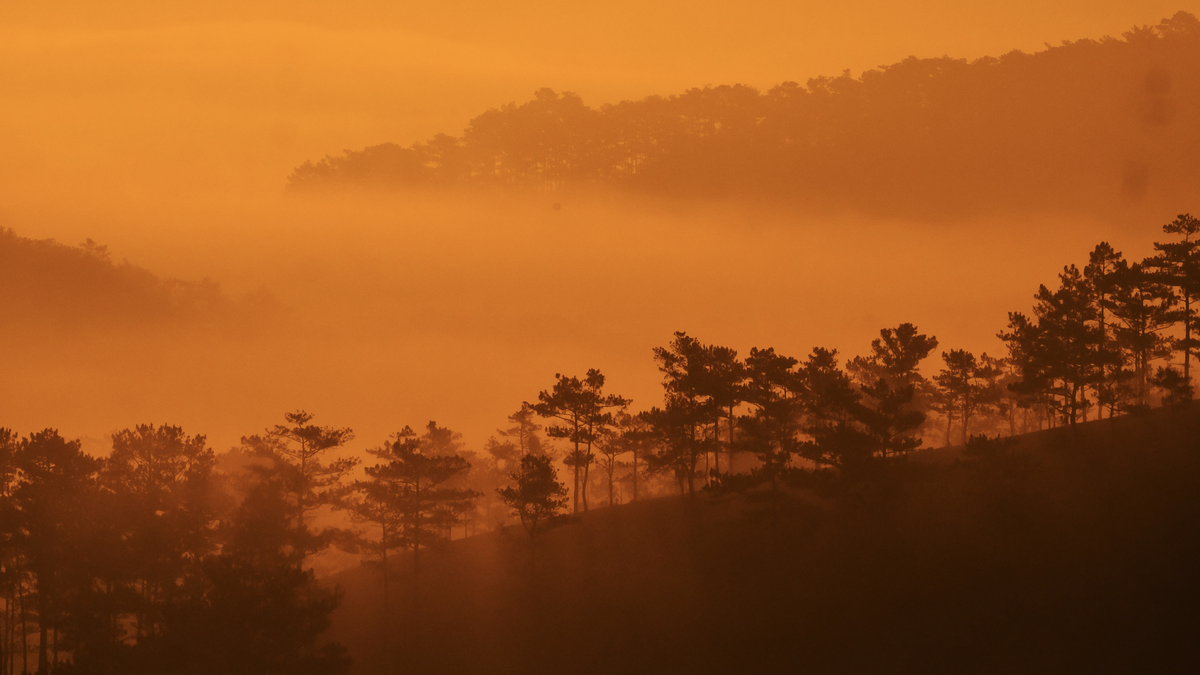
Illustrative image.
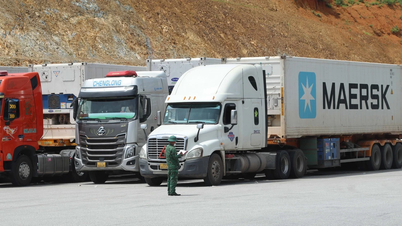
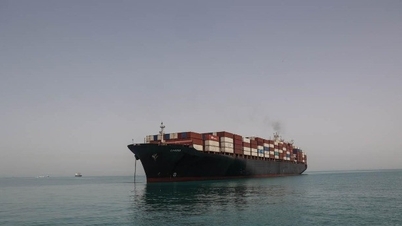
Nevertheless, domestic trading remains relatively quiet as growers anticipate higher prices, while businesses are cautious about purchasing due to cost pressures and export price differences. Yesterday's coffee prices (March 5th) fell by 1,100-1,400 VND/kg, fluctuating between 94,200-95,000 VND/kg. The market is simultaneously affected by global supply and logistics risks.
Current prices are lower than farmers' expectations, so many are still reluctant to sell. Meanwhile, export prices, around 87,000-88,000 VND/kg, are lower than market prices due to added logistics costs. Because of this difference, businesses are hesitant to buy, except for a few with existing orders. As a result, the domestic market is quite sluggish.
The weather in the coming weeks will have a significant impact on the prospects for coffee production in the new crop year. From March, the Central Highlands region begins to enter the dry season – a time when farmers focus on watering their coffee plantations to ensure favorable flowering and fruiting.
Coffee growers proactively respond to drought.
Faced with the threat of drought, farmers, cooperatives, and businesses are implementing various solutions, from water storage and water-saving irrigation to production linkages and technology application, to enhance their ability to adapt to climate change.


The coffee-growing area in Ia Hrung commune, Gia Lai province, covers nearly 13,000 hectares. Almost half of this area consists of coffee plants in production, entering the fruit development and flower bud differentiation stages, thus requiring timely irrigation. To ensure sufficient water for three irrigation cycles during the dry season, many farmers are opting for water-saving irrigation solutions starting from the second cycle – before the drought reaches its peak.
In Ia Hrung commune, Ia Sao 2 Coffee Company manages a coffee growing area of over 460 hectares. Currently, there are 8 reservoirs and irrigation dams providing water for this area. To cope with drought, many solutions have been implemented, from water storage to strengthening guidance for farmers to uniformly apply water-saving irrigation techniques, mulching to retain moisture, and managing groundwater resources rationally.
At this time of year, the bustling sound of water pumps amidst the vast coffee plantations creates a vibrant picture of the irrigation season on the plateau. The atmosphere is one of urgent work but also full of joy, as the last two consecutive coffee harvests have been bountiful and profitable, further motivating farmers to invest in care and adapt to the current climate change.
Expectations for a bountiful coffee harvest.
In addition to focusing on irrigation during the dry season, many coffee-growing areas in Gia Lai are gradually shifting towards sustainable farming methods. From adhering to organic production processes to applying modern technology in care and irrigation, these changes are contributing to improved productivity and quality of coffee beans, opening up new avenues for the local specialty coffee.
By adhering to organic coffee production standards and incorporating modern technologies such as water-saving irrigation and automated fertilization, the yield and quality of Robusta coffee beans in Gia Lai province's growing regions have steadily increased. Many farmers have confidently expanded the production and processing of high-quality and specialty coffee.
For the first time in history, Gia Lai's coffee exports in 2025 reached the milestone of 1.5 billion USD, making a significant contribution to the local socio-economic development.



Successful harvests also provide strong impetus for farmers and local authorities to move towards a sustainable development cycle for the coffee industry. Investment in technical infrastructure and transportation connections facilitates the development of high-quality coffee value chains from cultivation and processing to export.
Coffee growers in the highlands are excitedly anticipating a bountiful harvest as coffee flowers simultaneously bloom, blanketing the villages in white, signaling a promising start and paving the way for Vietnamese coffee to reach further into the global market.
Source: https://vtv.vn/gia-ca-phe-giam-100260306083327354.htm

































![[Image] Ho Chi Minh City: Ma Lang area, Chicken-Rice Market about to change its appearance](https://vphoto.vietnam.vn/thumb/1200x675/vietnam/resource/IMAGE/2026/06/25/1782377698627_ndo_br_m1-jpg.webp)