

World oil prices closed 1% higher on April 9, but remained below $100 a barrel in a volatile trading session, as a fragile ceasefire in the Middle East held and Israel indicated it would begin direct talks with Lebanon as soon as possible.
Brent crude futures rose $1.17, or 1.2%, to $95.92 a barrel, after hitting a session high of $99.50 a barrel. US West Texas Intermediate (WTI) crude futures rose $3.46, or 3.7%, to $97.87 a barrel, well below their intraday high of $102.70 a barrel.
Both benchmark oil prices fell below $100 a barrel in the previous session, with WTI experiencing its sharpest drop since April 2020, driven by optimism that the Strait of Hormuz would reopen following a ceasefire agreement.
During this session, doubts about the sustainability of the two-week ceasefire between the US and Iran fueled concerns about ongoing restrictions on energy flows through the Strait of Hormuz, pushing prices up by more than 5%. That rally was later tempered when Israeli Prime Minister Benjamin Netanyahu said he had instructed officials to open peace talks with Lebanon, including discussions on disarmament of Hezbollah.
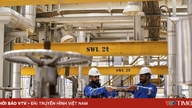
However, questions remain about the effectiveness of the ceasefire agreement as shipping traffic through the Strait of Hormuz fell below 10% of normal levels on April 9, after Iran asserted its control by warning ships to stay within its territorial waters.
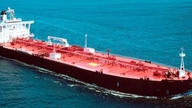
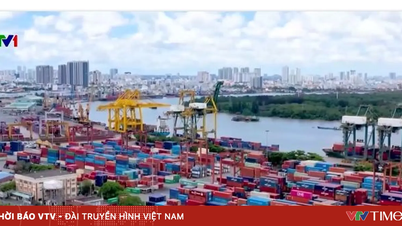
According to analysts, even if the Strait of Hormuz is cleared, the risks will not disappear overnight. The possibility of oil tankers being forced to navigate through minefields and increased military presence will lead to higher insurance premiums and increased shipping costs.
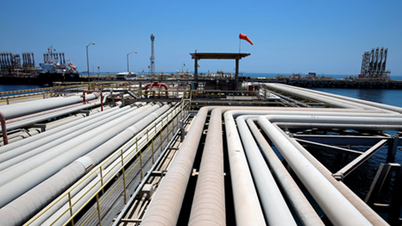
Meanwhile, concerns arose about supply disruptions in Saudi Arabia after the state news agency SPA reported late on April 9 that the attacks had reduced the country's oil production capacity by about 600,000 barrels per day and cut shipping capacity on the East-West pipeline by about 700,000 barrels per day.
Furthermore, oil and gas facilities in the region remain under threat, as Iran attacks sites in neighboring countries following the ceasefire agreement, including an oil pipeline in Saudi Arabia used to bypass the blockaded waterway.
Source: https://vtv.vn/gia-dau-duoi-100-usd-thung-100260409163531822.htm




















































![[Video] Sunset at Lap An Lagoon – Where the sun sets over the fishing nets](https://vphoto.vietnam.vn/thumb/1200x675/vietnam/resource/IMAGE/2026/05/31/1780192137701_beach-landscape-sea-water-nature-grass-745871-pxhere-com.jpeg)
































Comment (0)