

Ensuring the right to access education.
The right to equitable and inclusive access to education is enshrined in the 2013 Constitution and continues to be concretized through an increasingly comprehensive system of policies and laws. By 2025, Vietnam aims to firmly maintain the achievements of universal preschool education for 5-year-old children, universal primary and lower secondary education, while improving the quality of universal education, especially in disadvantaged areas.
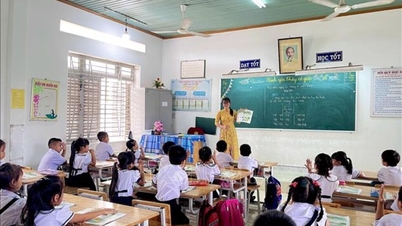
With the policy of free tuition for junior high school students, children from ethnic minority areas have more opportunities to access education in different environments. The rate of students attending school at the appropriate age at the junior and senior high school levels in the northern mountainous provinces and the Central Highlands has reached its highest level ever. The policy has been implemented effectively, directly supporting millions of families, especially those in rural areas and workers in industrial zones, ensuring that all children can complete their basic education without being hindered by financial barriers.
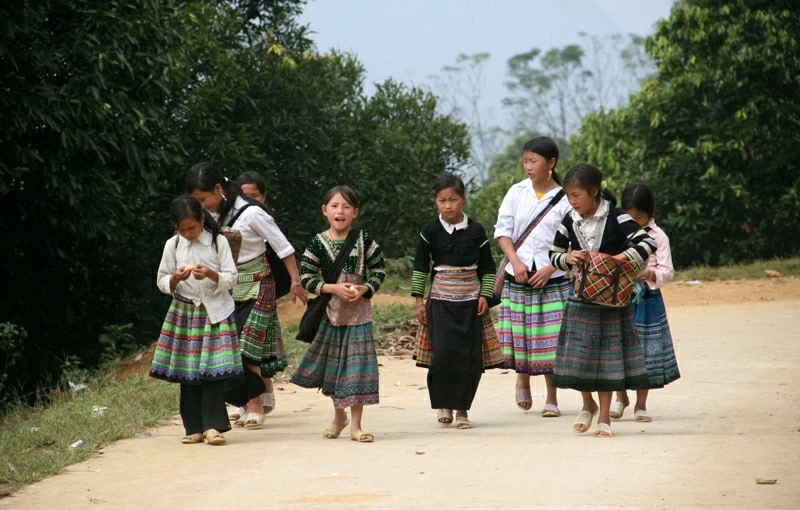 |
| With the policy of waiving tuition fees for junior high school students, children from ethnic minority areas have more opportunities to access education in different environments. (Source: VNA) |
Implementing a nationwide policy of free tuition for lower secondary school students is a significant step in ensuring equal educational rights, directly impacting the reduction of the financial burden on millions of families, especially in rural and mountainous areas, and among workers in industrial zones. It contributes to increasing the rate of students attending school at the appropriate age and reducing dropout rates due to economic circumstances.
| Investing in education is investing in people and the future of the country. The outstanding achievements in 2025 are clear evidence of Vietnam's efforts to ensure the right to education for all citizens. With an increasingly完善 institutional foundation and social consensus, Vietnamese education in 2026 will continue to move towards comprehensive, equitable, and sustainable development. |
Education in ethnic minority areas is a priority and one of the pillars of social justice. It is also a key focus in education development policy. Ensuring the right to education for ethnic minorities not only aims to narrow the development gap between regions but also creates a solid foundation for political stability and strengthens national unity.
Policies supporting boarding and day-boarding students; providing lunch subsidies and tuition fee reductions for preschool children in disadvantaged areas, as stipulated in Decree No. 105/2020/ND-CP, continue to yield practical results. The project to strengthen Vietnamese language skills for preschool and primary school children in ethnic minority areas helps children develop language proficiency early and confidently integrate into the learning environment.
Furthermore, education and training for ethnic minority and mountainous regions is the most important "lever" to narrow the development gap between regions. Ensuring the right to education for people in ethnic minority and mountainous areas is not just about eradicating illiteracy, but aims to improve the overall quality of human resources, from early childhood to the highest level of education.
Early childhood education in ethnic minority areas is a "golden" period for children to prepare for first grade. Strengthening Vietnamese language skills for preschool and primary school children in ethnic minority areas is implemented through playful activities, while teachers are encouraged to use the ethnic language to explain things and help children become familiar with the language when they come to school.
Since 2020, the government has implemented a policy of providing lunch subsidies and tuition fee reductions for preschool children in disadvantaged areas, in accordance with Decree 105/2020/ND-CP. This subsidy level has been adjusted upwards according to the consumer price index, ensuring that each school lunch is nutritious and contributing to reducing the rate of stunting among children in mountainous regions.
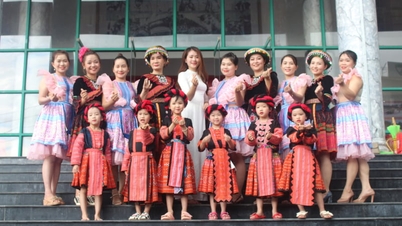
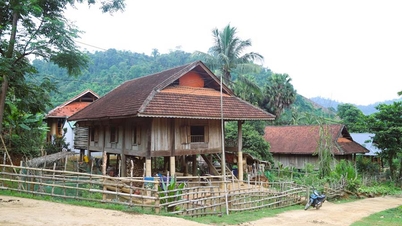
To ensure a sufficient number of teachers in remote villages, policies on incentive allowances, professional preferential allowances, and support for public housing have been implemented vigorously, guaranteeing that 100% of isolated schools have stable teachers. The boarding and semi-boarding school system is the "backbone" of education in mountainous regions.
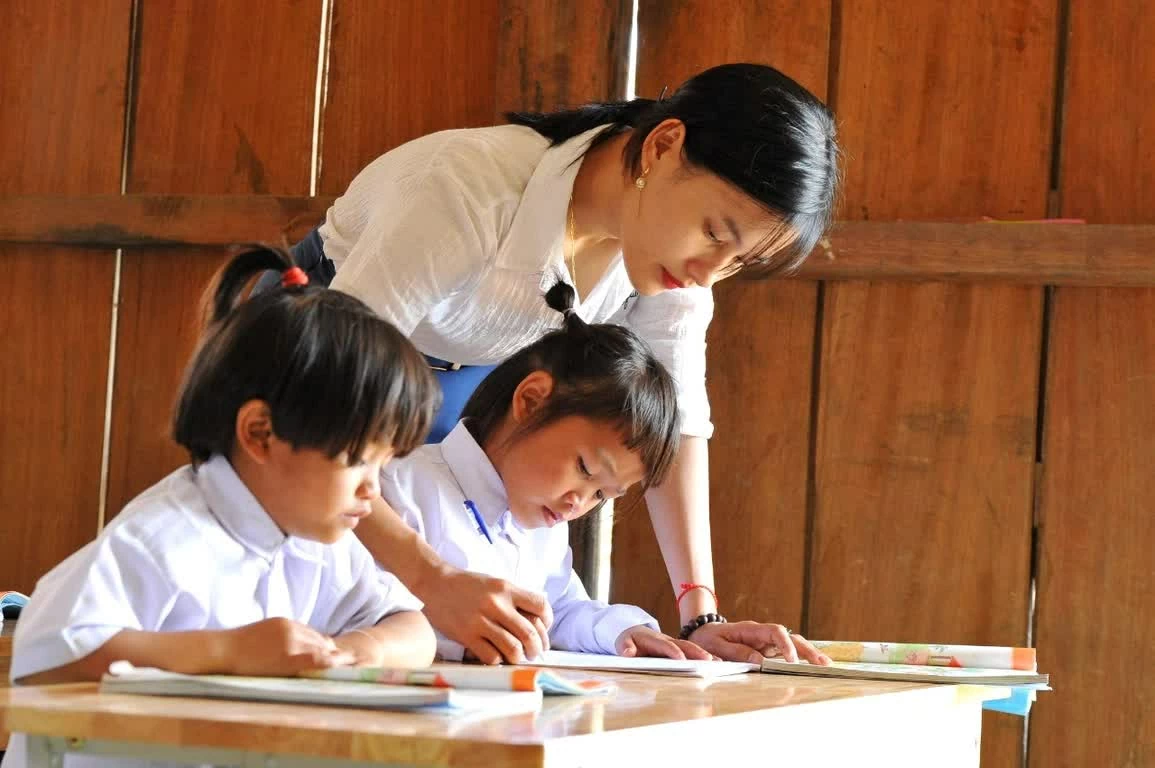 |
| To ensure a sufficient number of teachers in remote villages, policies on incentive allowances, professional preferential allowances, and support for public housing have been implemented decisively, guaranteeing that 100% of isolated schools have stable teachers. (Source: Dan Tri Newspaper) |
By 2025, the new boarding school model will be widely implemented, where students not only learn academics but also receive life skills training, preserve their national cultural identity, and receive early career guidance. The State will provide 100% support for meals, accommodation, and textbooks for boarding students. The legal framework for education for people with disabilities has been improved. Centers supporting inclusive education development will be established in all provinces and cities, ensuring that children with special needs receive education in a friendly environment with the support of specialized teachers and appropriate equipment.
In addition, the education sector continues projects to reinforce school buildings in disadvantaged areas and schools along the border. The system of ethnic boarding and semi-boarding schools receives investment in infrastructure and nutrition. The application of digital education has helped students in remote areas access high-quality lectures from excellent teachers in the city through online classes.
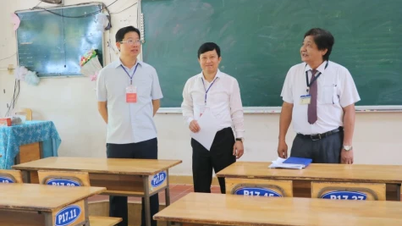
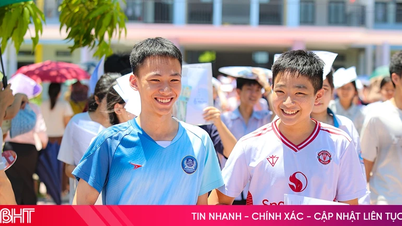
Institutional breakthroughs, quality improvement, and digital transformation by 2025 are among the fundamental milestones in the quality of national education. The 2018 general education program has been fully implemented at all levels, with the high school graduation exam being held for the first time under the new curriculum. The exam approach, aimed at reducing pressure and increasing students' choices, clearly reflects the orientation towards developing students' qualities and competencies.
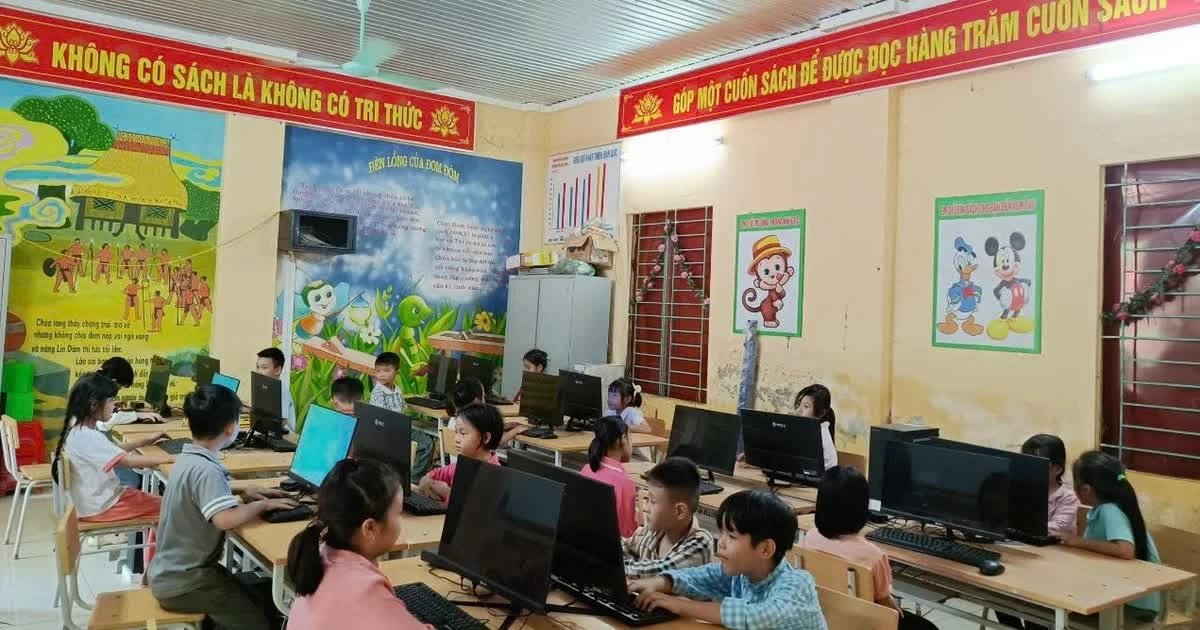 |
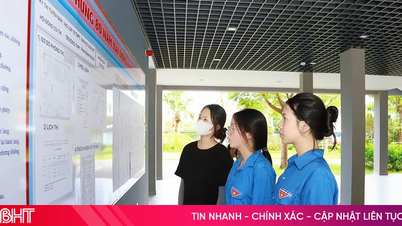
| Ethnic minority boarding and semi-boarding schools receive investment in facilities and nutrition. (Source: Education and Times Newspaper) |
The development of high-quality local human resources, particularly ethnic minorities, to return and serve their homeland is a priority. The scholarship policy has been reformed towards "targeted training," closely linked to the recruitment needs of each locality. Ethnic minority preparatory universities act as a "bridge," helping students from mountainous regions acquire the necessary knowledge to confidently enter regular university programs. University and college admission regulations over the years have consistently prioritized candidates from Region 1 (particularly disadvantaged areas and ethnic minorities), with particular attention paid to key sectors such as medicine, education, and technology.
In higher education, the training of high-quality human resources linked to cutting-edge science and technology sectors is being promoted. Digital transformation has become a key driving force, with the implementation of electronic student records, open educational resource repositories, and the application of artificial intelligence in management, teaching, and learning.
2026: Stabilization and Standardization
Building on the achievements of 2025, education and training will focus on stabilization and standardization in the coming period.
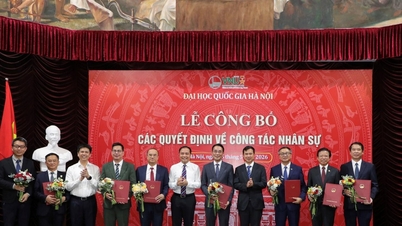
Teacher training colleges and local universities are implementing a streamlined approach in line with Resolution 71. The organization and management of educational institutions are being standardized. University autonomy is being promoted, independent of financial resources, expanding the academic space. Universities must publicly and transparently disclose the employment rate of their graduates and the quality of their training to enable public choice. The issue of teacher shortages across provinces and cities is being addressed step by step, and a new salary framework for teachers based on job positions is being proposed to ensure sufficient income for educators to dedicate themselves to their work, especially for preschool teachers and teachers of arts and technology subjects in the new curriculum.
 |
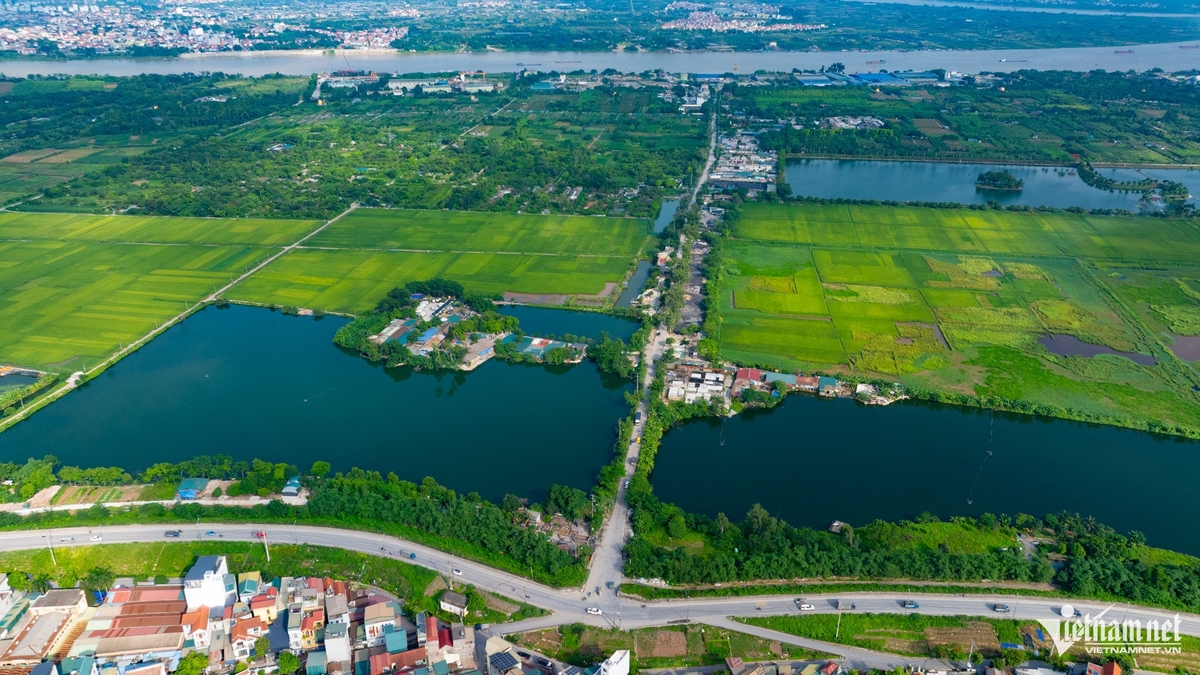
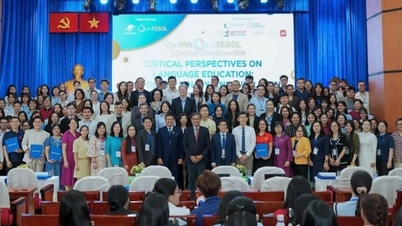
| Education enters 2026 with renewed strength and momentum, thanks to a series of groundbreaking policies that will take effect from the beginning of the year. (Source: Nhan Dan Newspaper) |
The direction and solutions for ensuring the right to education in 2026 focus on stabilizing the system, standardizing governance, and sustainably improving quality. University autonomy will continue to be promoted in conjunction with accountability; the restructuring of the training institution network will be implemented in a streamlined and efficient manner.
| In the 2026-2027 school year, the entire country will implement one unified set of textbooks instead of the current three. Experts and educators hope for a new mindset in implementing this single set of textbooks, avoiding the situation where teaching and examinations are solely based on a single textbook. |
The education sector focuses on addressing the issue of teacher shortages, especially in disadvantaged areas; researching and proposing salary policies based on job positions to ensure the livelihoods and motivation of educators. Simultaneously, it aims to attract international students, expand educational cooperation, and contribute to enhancing Vietnam's educational standing internationally. Vietnam aims to attract international students to study in English-taught programs in Vietnam.
At the same time, domestic universities are encouraged to open branches in countries in the region, affirming Vietnam's educational position on the international stage. The education sector will continue to comprehensively and thoroughly implement the digitization of the entire education management process in ethnic minority areas. Each student in mountainous areas will have an electronic record to closely monitor their development and provide timely support. In addition, investment in internet infrastructure and smart learning equipment will be prioritized, so that students in remote areas can access the wealth of knowledge equally with students in cities and major centers.
Education enters 2026 with renewed strength and momentum, thanks to a series of groundbreaking policies taking effect from the beginning of the year. These new policies are institutionalized in several important laws and resolutions, such as the Law on Teachers, the Law amending and supplementing certain articles of the Law on Education, and the National Assembly's Resolution on specific and superior mechanisms and policies for breakthrough development in education and training… Specifically, from January 1st, 2026, four laws and resolutions on specific and superior policies in education and training will simultaneously come into effect, bringing unprecedented expectations and changes to education.
It can be affirmed that the education sector has been striving to realize the right to education for all citizens, making education a key driving force to lead the country into an era of national progress. In this process, the right to education is identified as one of the fundamental human rights, possessing both profound social significance and serving as a foundation for sustainable development.
| The direction and solutions for ensuring the right to education in 2026 focus on stabilizing the system, standardizing governance, and sustainably improving quality. University autonomy will continue to be promoted in conjunction with accountability; the restructuring of the training institution network will be implemented in a streamlined and efficient manner. |
Source: https://baoquocte.vn/giao-duc-viet-nam-dot-pha-va-ky-vong-365153.html




















































































Comment (0)