

 |
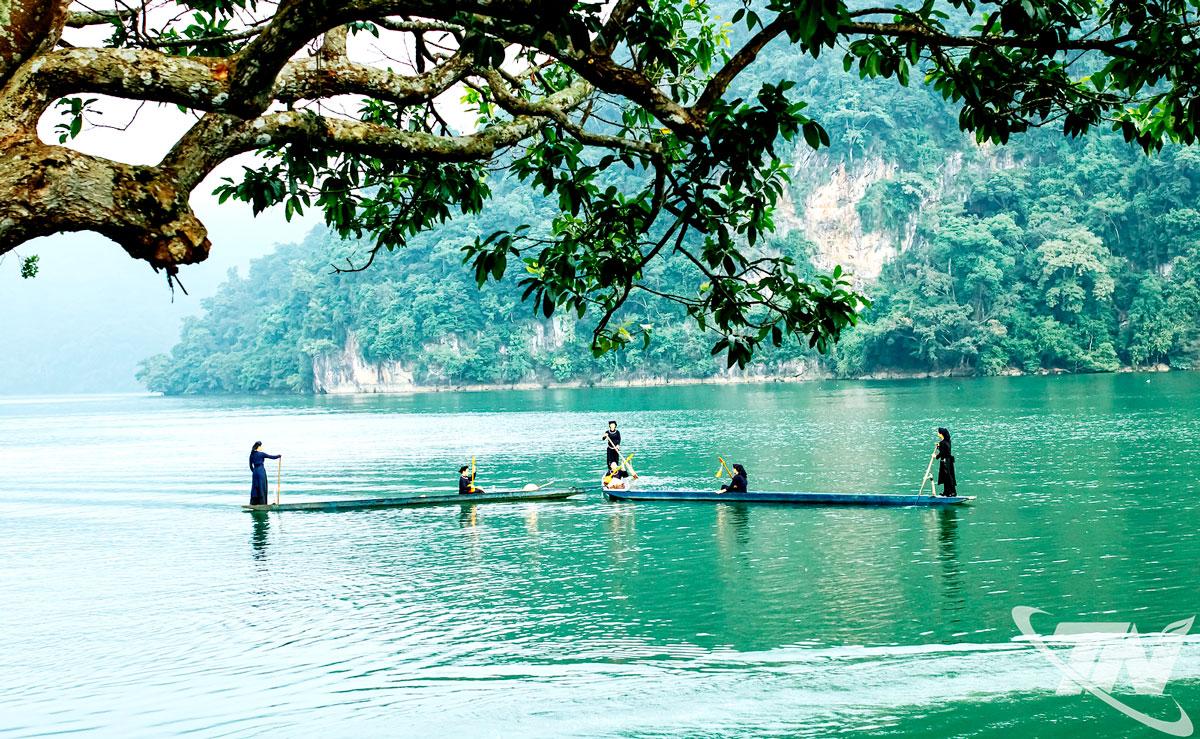
| In its journey towards rapid, green, and sustainable development, Thai Nguyen always places the task of preserving the cultural colors of its ethnic minority communities at the forefront. In the photo: Performance of Then singing and Tinh playing on Ba Be Lake. |
Preserving culture through community awareness.
Currently, Thai Nguyen province is home to 39 ethnic groups living together in 92 communes and wards, with nearly 1.8 million people. Through generations of coexistence, these people have together created a rich and diverse "cultural garden."
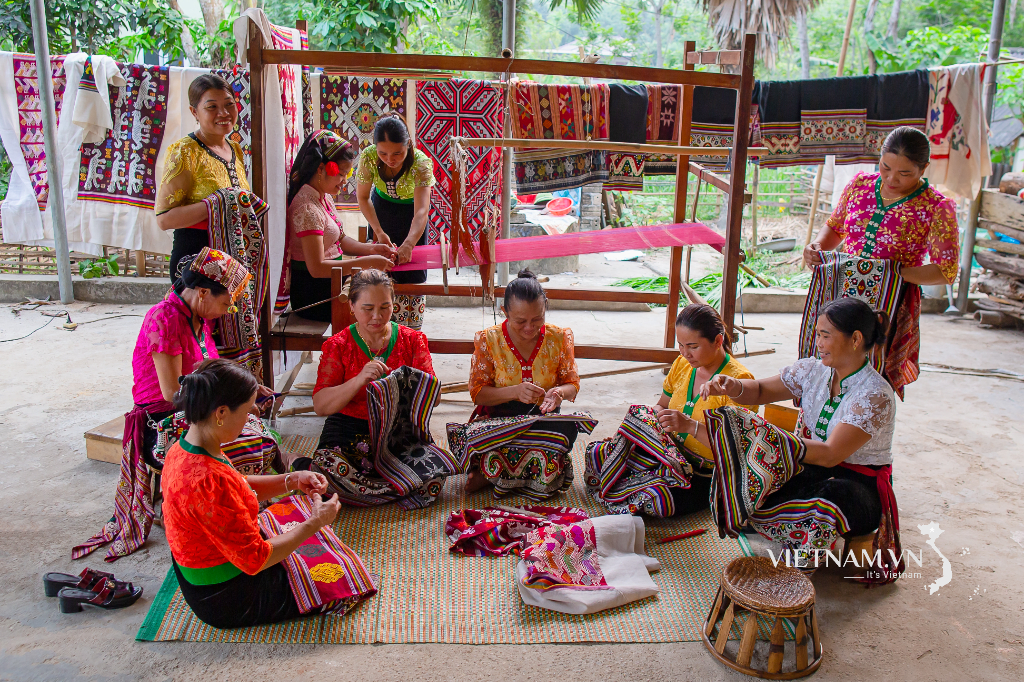
Among them are many unique values such as the brocade of the Dao people with hand-woven patterns passed down through generations; the Soọng cô singing of the Sán Dìu people, with its simple yet profound love songs; the Then singing and Tính lute playing of the Tày people, recognized as a representative heritage of humanity; the graceful khen dance of the Hmong people; or the five-colored feast of the Nùng people symbolizing the harmonious philosophy of yin and yang.
In their shared living environment, each ethnic group consciously passes on these cultural essences to the younger generation, preserving the very breath of their community's culture. The distinctive cultural colors of each ethnic group, when blended, create a unified yet diverse cultural landscape in Thai Nguyen.
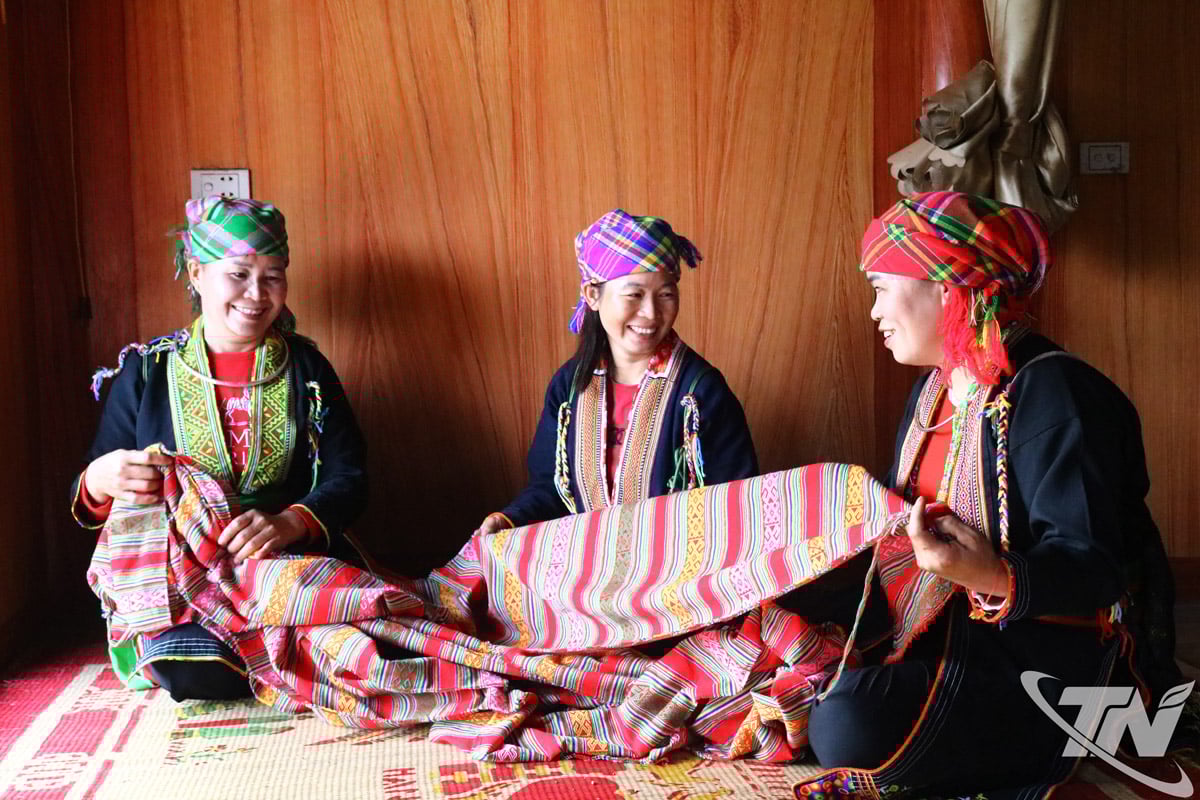 |
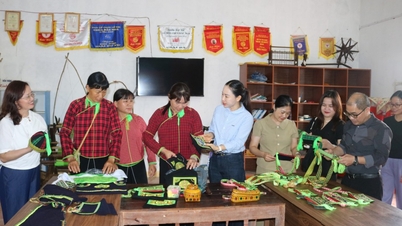
| Weaving brocade is one of the quintessential cultural traditions of the ethnic minorities in the highlands. |
However, amidst the increasingly rapid pace of urbanization and industrialization, many seemingly enduring values are at risk of disappearing. Many young people no longer speak their ethnic language; many young women are hesitant to embroider traditional patterns; young men feel awkward wearing traditional clothing; and some families even sell their stilt houses, a clear symbol of ethnic architecture, to build modern homes.
There was a time when authorities had to issue warnings about the "loss of traditional stilt houses," and the risk of losing cultural identity if timely preservation measures were not taken. Because once the transmission of cultural values is broken, it is very difficult to restore them intact.
Therefore, cultural preservation is not only the responsibility of the cultural sector or dedicated artisans, but must become the responsibility of the entire community. The cultural identity of each ethnic group can only endure and spread when each individual, each family, each clan, and each community joins hands to preserve, nurture, and continue it.
Efforts to collect, restore, and transmit heritage.
To prevent the cultural beauty of ethnic minorities from fading in modern society, for many years Thai Nguyen province has persistently implemented the major policies of the Party and State on building, preserving, and promoting the cultural identity of ethnic minorities.
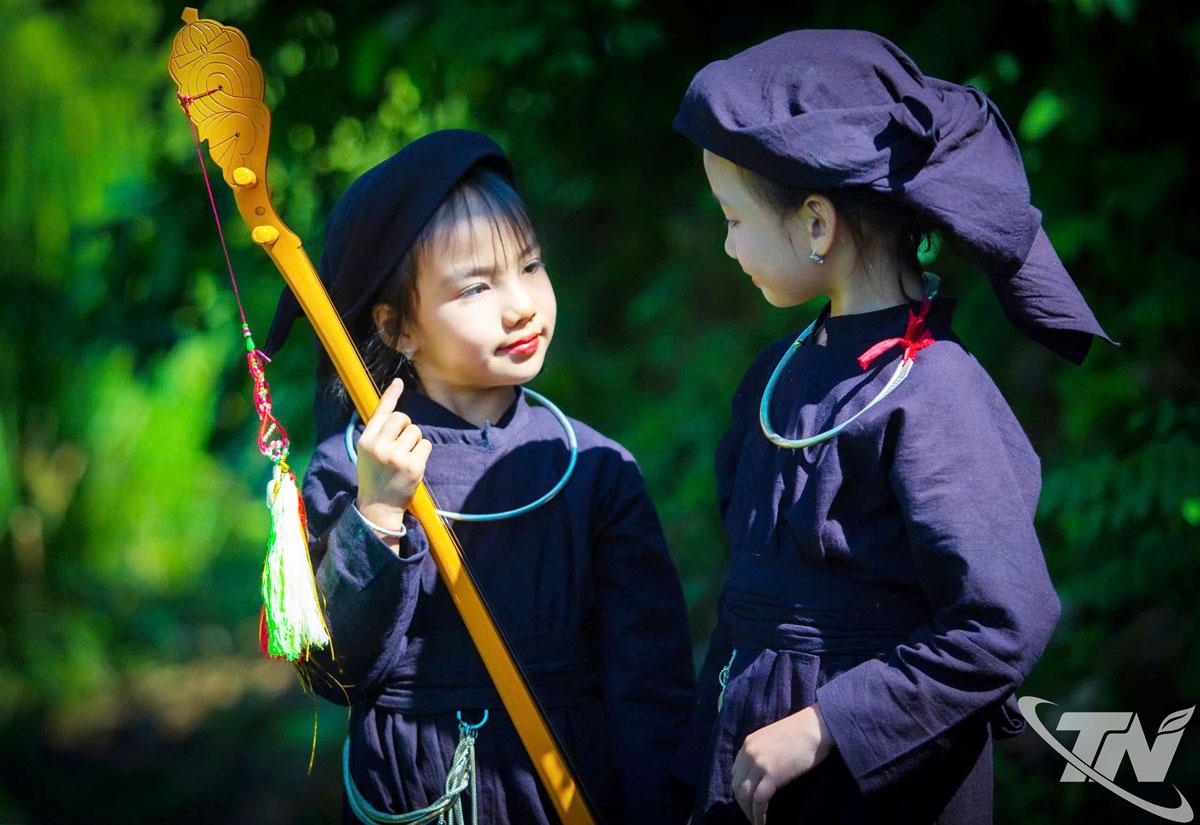 |
| "Passing on the torch" of Then singing to the younger generation. |
Along with thematic resolutions, Project 6 of the National Target Program for socio -economic development in ethnic minority and mountainous areas has become an important foundation for the province to promote the collection, restoration, and transmission of heritage.
Many beautiful rituals and customs have been systematically restored. In recent years, notable examples include the traditional wedding ceremony of the Tay ethnic group in Lam Vy commune; the harvest prayer ceremony of the San Diu people in Vo Tranh commune; and the coming-of-age ceremony of the Nung Phan Sinh ethnic group in Nam Hoa commune (a ceremony marking the maturity of a Nung man). These cultural restoration programs have encouraged artisans to be more active in passing on intangible cultural heritage to the younger generation.
Many distinctive festivals have also been restored, creating prominent cultural highlights for the locality, such as: the Na Lien Ma Long Tong Festival - where the people express their hopes for a bountiful harvest; the Mu La Festival with its traditional agricultural rituals; and the Xuan Duong Love Market - a space for courtship rich in humanistic values of the ethnic minority people.
Through these cultural events, the community has more opportunities to meet, interact, and share, while also introducing the unique values of their ethnic group to friends and tourists.
Currently, the province has 336 festivals and 709 intangible cultural heritage sites, including the "Then ritual practices of the Tay, Nung, and Thai ethnic groups," which have been inscribed by UNESCO as a representative heritage of humanity. The province has 3 artisans who have been awarded the title of People's Artisan and 19 outstanding artisans.
They are the "living treasures" who, day and night, preserve each melody and ritual, much like farmers protect their seeds for the next season. Thanks to their quiet but persistent dedication, many traditional cultural values are still preserved, passed on, and spread.
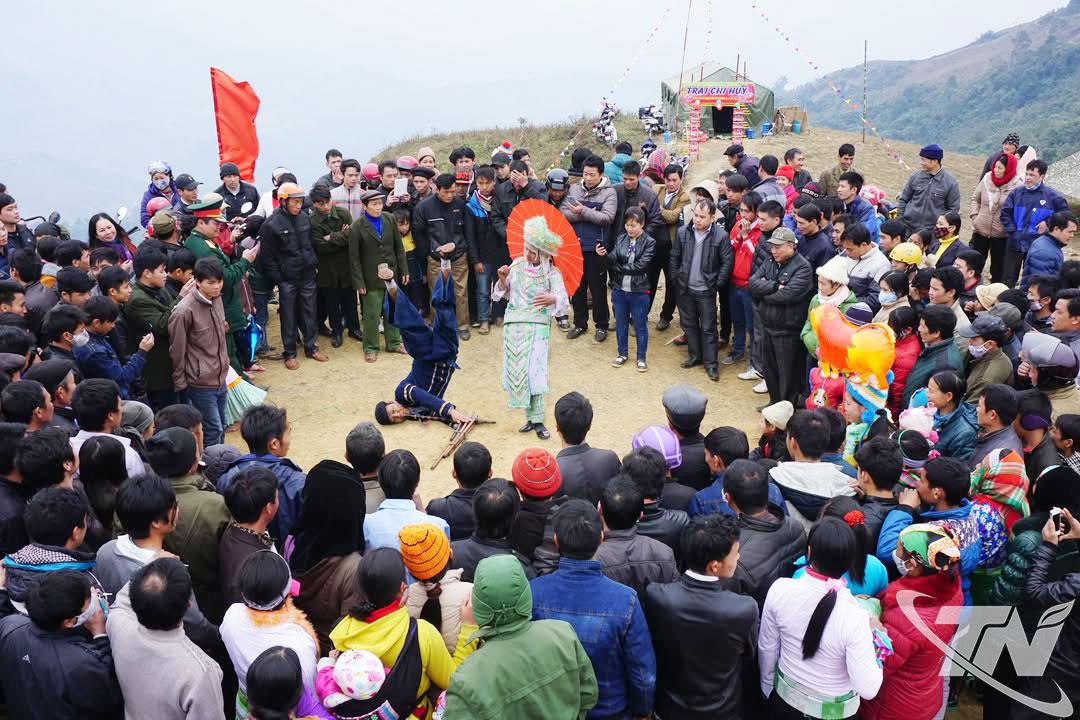 |
| Hmong flute dance - a unique cultural feature of the Hmong ethnic group. |
In recent years, Thai Nguyen province has prioritized linking cultural preservation with community-based tourism development. This is considered a flexible and sustainable approach, because culture only truly thrives when it can nurture livelihoods for the local people. Notably, many localities have developed tourism products linked to traditional crafts, cuisine, and folk art performances, thereby creating more space for culture to naturally and sustainably integrate into modern life.
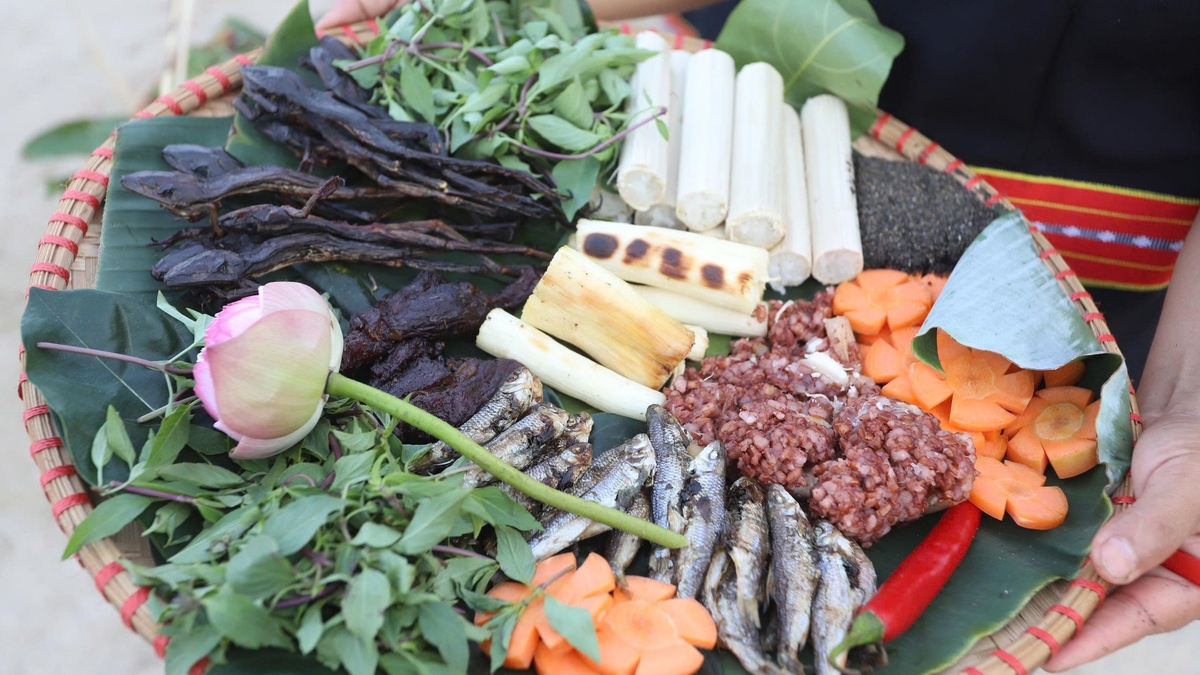
Many community-based tourism models have become highlights, such as the Thai Hai eco-tourism stilt house village in Tan Cuong commune; the villages of Phieng Phang and Phieng An; and Ban Quyen village in Phu Dinh commune. At these destinations, tourists can immerse themselves in traditional cultural spaces, listen to Then singing and Tinh playing; watch brocade weaving; experience indigo dyeing; and enjoy sticky rice cooked in bamboo tubes, banana flower salad, and smoked meat hung in the kitchen rafters.
Thanks to the practical values that culture brings, many children of ethnic minorities have become aware of the importance of learning to speak and sing their mother tongue; learning to use traditional musical instruments; participating in performances and guiding tourists. The new lifestyle formed from community tourism is becoming a driving force for the traditional culture of ethnic minorities to become increasingly vibrant and maintain its rightful place in contemporary life.
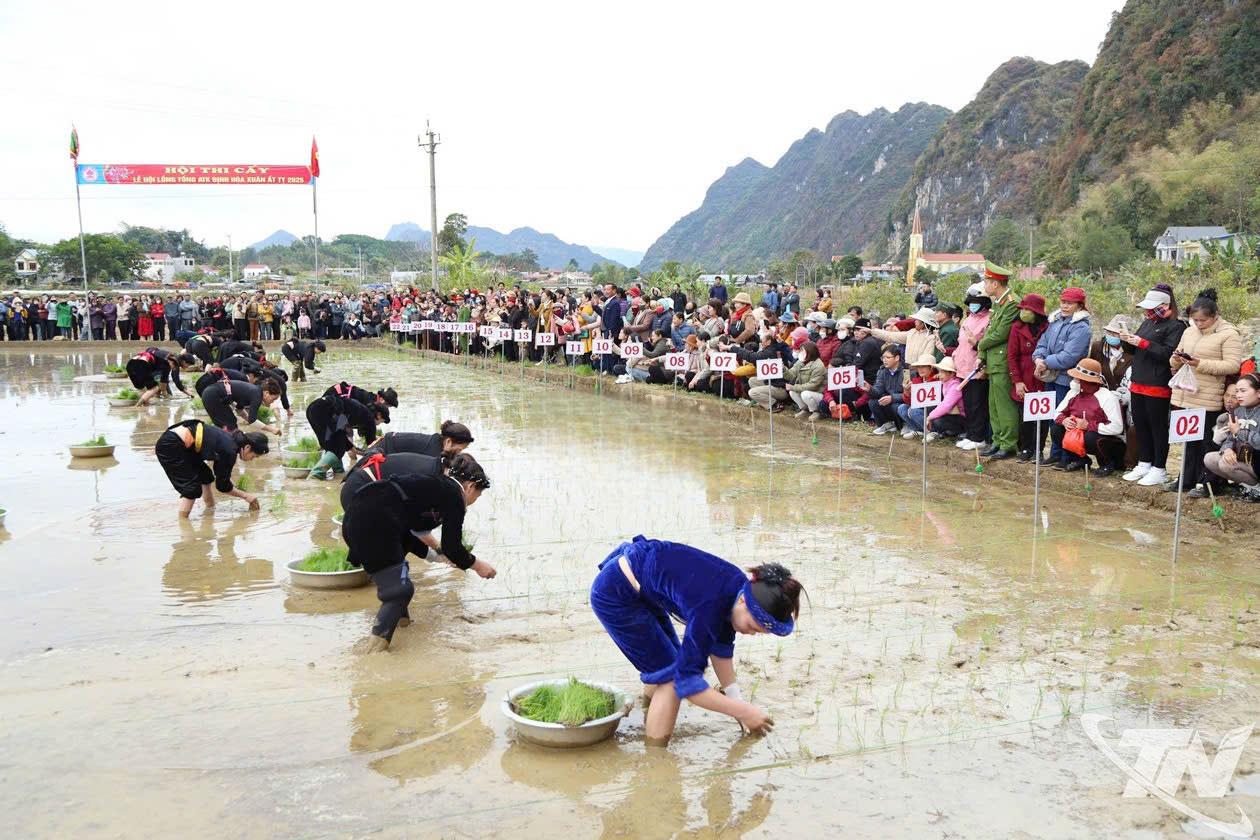 |
| Rice planting competition at the Lồng Tồng Festival in Định Hóa ATK. |
The inherent vitality of a land
The inherent vitality of a land stems from cultural values preserved and nurtured over generations. From lifestyles, customs, songs, to traditional crafts, all blend together to form a unique identity, creating enduring spiritual strength from its roots, helping ethnic communities develop harmoniously and remain steadfast in the face of change.
With a full understanding of the value of culture in social life, the ethnic minority communities in Thai Nguyen province have become more conscious and responsible in preserving, conserving, and promoting its values. Many folk clubs have been established and operate regularly.
Village cultural centers have become meeting places for young people to learn singing, dancing, weaving brocade, dyeing indigo, and traditional basket weaving from skilled artisans. Community gatherings at night, filled with folk songs, traditional dances, and Then music played on the verandas of stilt houses, have returned as a warm symbol of human connection. This is vivid evidence of the enduring vitality of culture when supported by the Party and the State, and with the consensus of the people of all ethnic groups.
Having embraced the beauty of traditional culture through direct transmission from artisans, many young people in ethnic minority communities are now using technological devices to support learning singing, music, and listening to epics recounting the history of their people. Seeing the younger generation adapting quickly to technology, the elderly still remind their descendants to be discerning and follow the right path so that cultural identity is not diluted or simplified when presented in the digital environment.
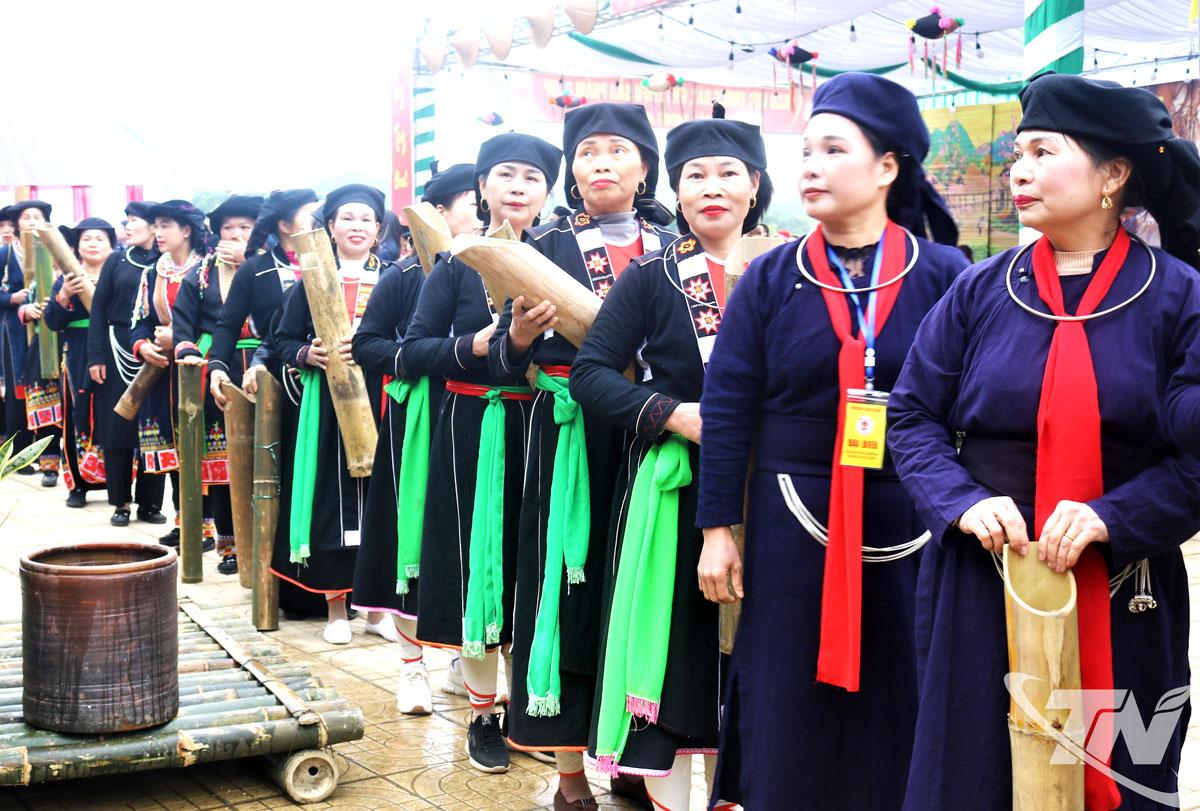 |
| The custom of fetching water at the beginning of spring is a beautiful cultural tradition of the ethnic groups in Thai Nguyen. |
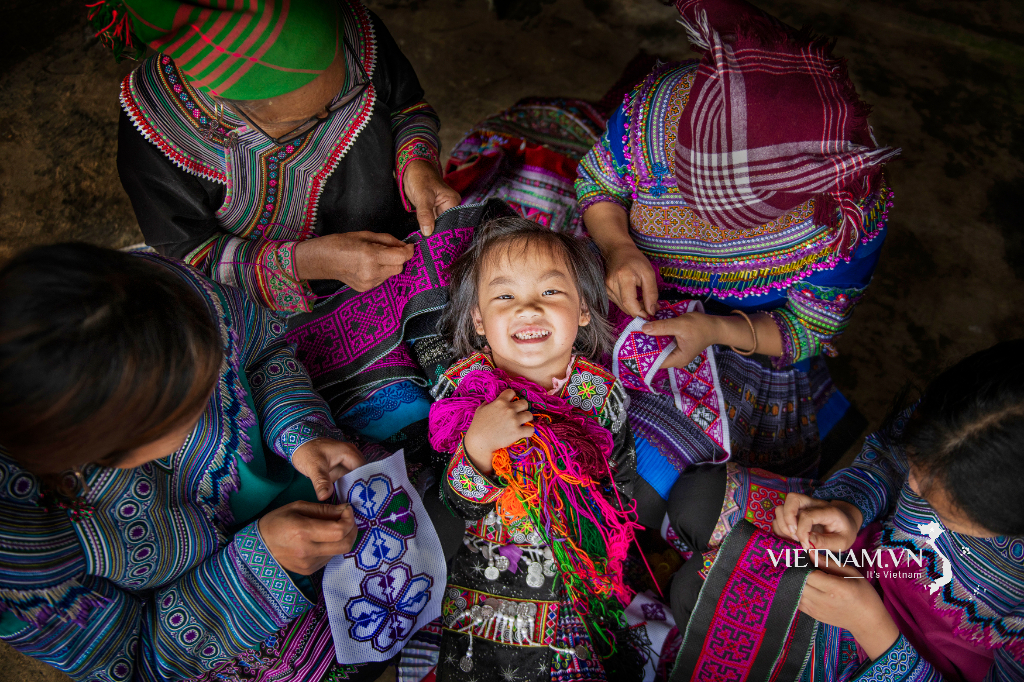
In today's world, as industrial life permeates even the smallest villages, the artisans of the ethnic communities quietly keep the flame of culture alive through simple things: traditional costumes worn on holidays; the Tinh lute set proudly displayed in the stilt house; the needles and spools of colorful thread used by mothers and grandmothers for meticulous embroidery; and the pot of corn wine distilled using traditional methods passed down from their ancestors. These seemingly small things are the threads that extend memory, preserving the "cultural source" of each ethnic group.
The unwavering commitment to cultural preservation has contributed to the flourishing of many traditional values. Especially in their daily lives, despite busy schedules and limited health, many elderly artisans diligently teach folk songs, folk dances, and beautiful cultural customs of their ethnic group to the younger generation.
All the efforts of artisans from ethnic minority communities, along with the attention of local authorities, have had a positive impact on the lifestyle and behavior of the people in the community. Furthermore, it has raised the awareness and responsibility of young people towards preserving, conserving, and promoting the value of ethnic culture in society...
The vibrant colors of ethnic cultures have become even more vivid and fresh in modern life. People proudly wear their traditional ethnic costumes when welcoming guests to visit their region.
The folk songs are sung with greater clarity and confidence because each citizen knows how to cherish and be proud of their nation's cultural traditions. This is also the foundation for the province to build and develop its economy while preserving culture, and at the same time, to unleash the inherent strength from traditional values forged over many generations, creating sustainable momentum for the future.
Source: https://baothainguyen.vn/van-hoa/202512/gin-giu-sac-mau-van-hoa-cac-dan-toc-81a43ec/
![[Photo] General Secretary and President To Lam works with the Party Committee of the Ministry of Health on the work of Vietnamese traditional medicine.](https://vphoto.vietnam.vn/thumb/1200x675/vietnam/resource/IMAGE/2026/05/20/1779294323718_a1-bnd-2978-3319-jpg.webp)
![[Image] "Journey of Hope" promotes the organ and tissue donation movement in Vietnam.](https://vphoto.vietnam.vn/thumb/1200x675/vietnam/resource/IMAGE/2026/05/20/1779294400833_1-8910-jpg.webp)
















































Comment (0)