


For Vietnamese people, spring is also synonymous with festivals. In Phu Tho , the ancestral land of the nation, statistics show that there are currently over 300 traditional festivals. The majority of these festivals are held in the spring. Each festival contains intangible cultural heritage (ICH) that reflects the unique culture of the ancestral land.
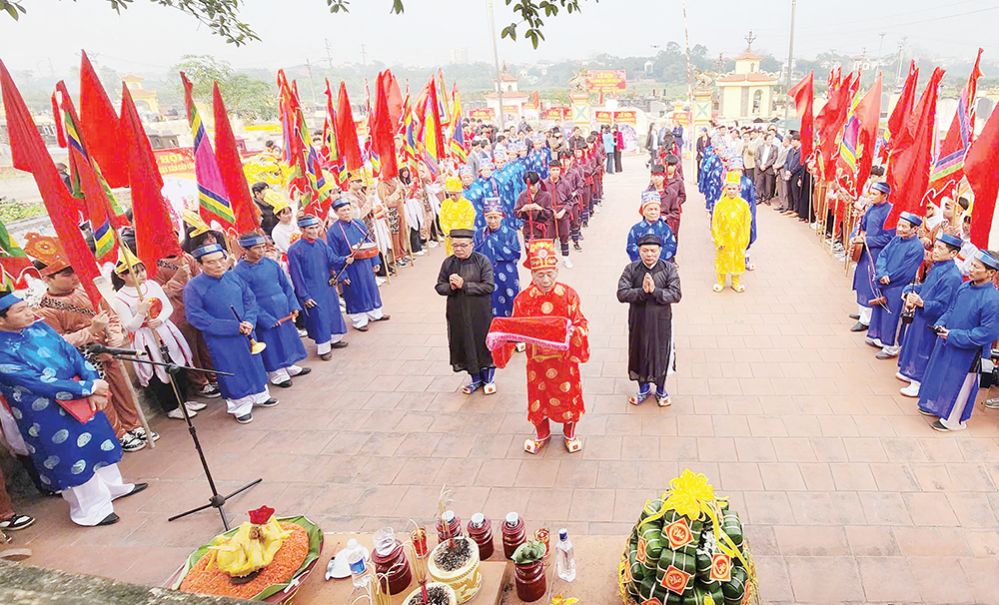
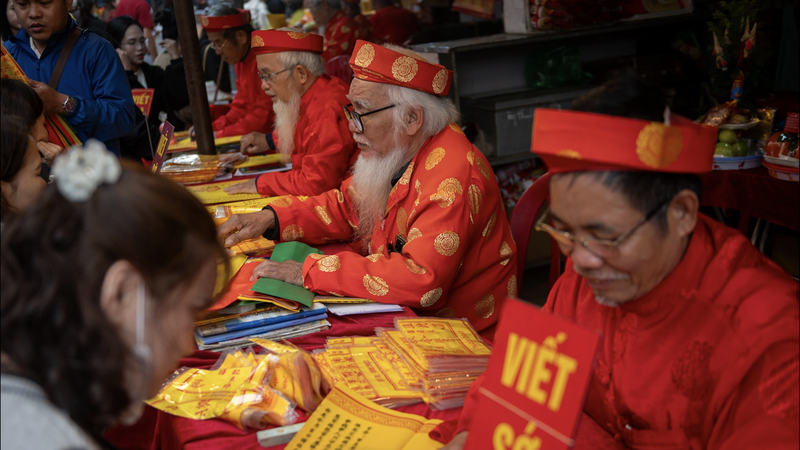
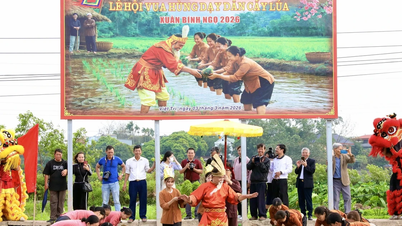
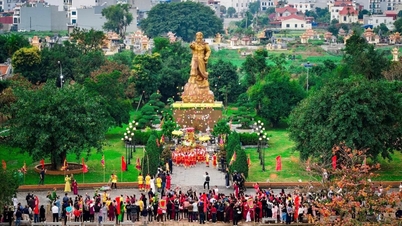
Elderly people perform the ritual of announcing the planting of rice at the Tich Dien Altar during the Hung King Festival, teaching the people how to plant rice in the Spring of the Year of the Snake 2025.
Unique festivals
According to Ms. Pham Nga Viet - Head of the Cultural Heritage Management Department (Department of Culture, Sports and Tourism): Phu Tho currently has 22 National Intangible Cultural Heritage sites, including many traditional festivals such as: Dao Xa Temple Festival; Lang Suong Temple Festival; Tro Tram Festival; Bach Hac Festival, Tam Giang Temple; Chu Hung Temple Festival; Hung Lo Temple Festival; Van Luong Temple Festival; the Procession of the Goddess Festival; Du Yen Temple Festival; the Forest Opening Ceremony of the Muong people in Yen Lap district; and the wrestling festival at Vinh Mo Temple.
The Dao Xa Temple Festival (Thanh Thuy District), characterized by its elephant procession, is held annually on the 27th, 28th, and 29th of the first lunar month. The festival was recognized as a National Intangible Cultural Heritage in November 2016. The temple is dedicated to Hung Hai Cong, the 19th brother of King Hung, who was instrumental in reclaiming land, teaching the people water management, farming, animal husbandry, and building prosperous villages.
This year's Dao Xa Temple Festival, in addition to the ceremonial part with preserved traditional rituals such as the elephant procession, incense altar, royal treasure, ancestral tablets, royal chest, and the worship of the tutelary deity, also features a festive part with many unique folk games such as tug-of-war, chicken snatching, water fetching, rice pounding, fire-pulling and rice-cooking competitions...
Besides the unique elephant procession, the offerings from the four surrounding villages (East, West, South, and North) to the village guardian deity during the festival are also carefully prepared, each with its own unique features, including fruit platters, honey cakes, sweet soup, sacrificial chickens, along with flowers, betel nuts, and sticky rice cakes. Particularly noteworthy is the skillful and elaborate preparation of the sacrificial chickens and the arrangement of the fruit platters, resulting in golden chickens in a flying pose, with multi-tiered platters on all four sides, symbolizing the wish for a year of favorable weather, prosperity, and abundance for all households.
The Bach Hac Festival at Tam Giang Temple (Viet Tri City) centers around the water procession – one of the most important rituals reflecting the unique cultural characteristics of the ancestral land. Water is collected from the Hac confluence – the meeting point of three rivers: the Red River, the Da River, and the Lo River. Besides the purpose of collecting water for offerings to the deities, the water procession also expresses people's aspirations for the flourishing of nature and humanity. As a distinctive part of the festival, the Bach Hac water procession has been chosen to be developed into a unique cultural and spiritual tourism product of the ancestral land, aiming to provide attractive cultural experiences and draw tourists to the province.
Most recently, the Vĩnh Mộ Temple Wrestling Festival in Cao Xá commune, Lâm Thao district, held annually on the 7th day of the first lunar month, has been recognized as a National Intangible Cultural Heritage. The temple is dedicated to the local guardian deity, Nguyễn Văn Kỳ, a renowned general during the Hùng Vương era, who helped King Hùng defeat invaders and save the country; he also helped settle people, establish villages, and cultivate land to create the present-day Vĩnh Tề village in Cao Xá commune. A unique feature of the Vĩnh Mộ Temple Wrestling Festival, compared to other wrestling festivals nationwide, is the addition of the custom of "chasing the prize." This custom originates from chasing enemy soldiers out of the village. After the final wrestling match, the winning wrestler must climb a flagpole, grab the prize, and run out of the village. The villagers chase after him until the winner jumps into the water, at which point the villagers stop chasing. The wrestling festival only ends after the prize has been chased.
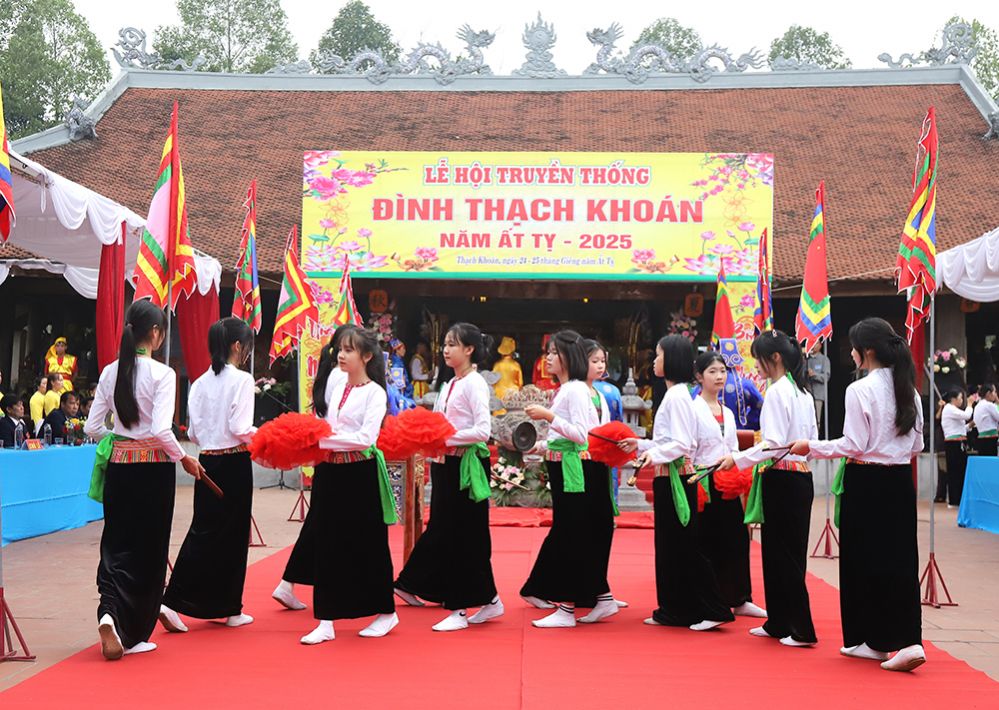
A performance of the coin-shaped dance at the Thach Khoan Temple Festival.
Preserving unique characteristics
As a land inhabited by many ethnic groups, Phu Tho boasts a rich and diverse cultural heritage, encompassing languages, writing systems, costumes, folk knowledge, folk performing arts, and traditional festivals. Among these, two UNESCO-recognized intangible cultural heritage sites are Phu Tho Xoan singing and the Hung King worshiping belief in Phu Tho.
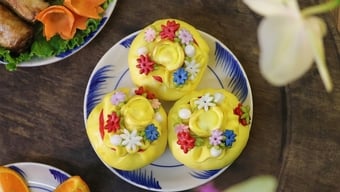
Our province has implemented many comprehensive solutions to preserve and promote the value of heritage while spreading it throughout community life. Many localities in the province have issued resolutions and projects to preserve and promote traditional cultural values and have adopted effective methods to contribute to preserving and promoting the cultural values of ethnic minorities, such as establishing cultural clubs for the Muong ethnic group and other ethnic groups, supporting the purchase of gongs, building Muong cultural spaces in schools, opening classes to teach Dao Nôm script, and reviving traditional festivals... Each festival is an intangible cultural heritage and contains many other legacies such as the Hung King worshiping belief; the drum-beating, drum-shaking, coin-throwing dance, and bird-catching dance; and dishes with strong cultural identity of the ancestral land such as banh chung, banh giay, five-colored sticky rice, and leaf-wrapped feasts...
Traditional festivals consist of a ceremonial part and a festive part. Rituals such as sacrificial offerings, processions, water processions, and the procession of sacred rice are performed according to traditional customs. The festive part includes many cultural and sporting activities, and folk games that reflect the unique cultural identity of the ancestral land, such as: Humorous arts; Four occupations of the people; Gong and drum performances, drum beating, coin dance, folk games, swinging, blindfolded pot smashing, blindfolded pig catching, crossbow shooting competitions, etc.
Mr. Ha Quang Phung, a member of the Thanh Son District Folk Arts Association, shared: "I have participated in the ritual team of the Thach Khoan Temple Festival since 2012, serving as the chief officiant from 2020 to the present. As a researcher of folk culture, I sincerely hope to work with the elders in the commune to preserve the cultural identity of the Muong ethnic group in general and the cultural identity of the festival in particular, so that the Thach Khoan Temple Festival always retains its unique character. Besides that, I also directly participate in teaching the Muong language to the younger generation so that they can better understand and love their ethnic culture."
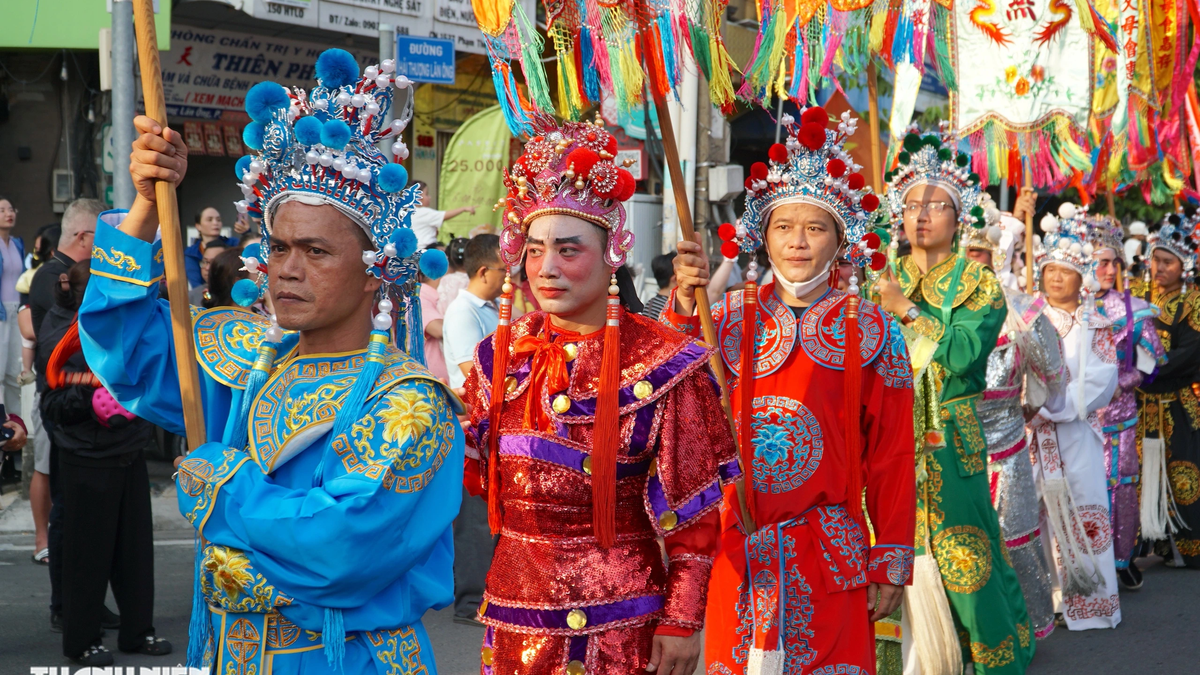
To preserve and promote national cultural identity, the inheritance and participation of local people, especially young people, in preserving and maintaining it is crucial. In fact, at many festivals, junior and senior high school students participate in folk rituals and performances such as: carrying flags and spears in processions; participating in the ritual of offering sacrifices to female officials in the Au Co Mother Goddess Temple Festival; the procession of the descendants of Lac and Hong; the coin-shaped dance troupe in the Thach Khoan Temple Festival; the fairy dance troupe in the Du Yen Temple Festival; or playing the role of the Goddess in the Goddess Procession Festival... all of which contribute to preserving and promoting the unique cultural characteristics of the ancestral land.
Source: https://bvhttdl.gov.vn/giu-gin-ban-sac-van-hoa-vung-dat-to-20250313152045103.htm
![[Photo] General Secretary To Lam presides over a meeting with the Editorial Teams to summarize 100 years of the Party's leadership of the Vietnamese revolution and 40 years of implementing the National Construction Program.](https://vphoto.vietnam.vn/thumb/1200x675/vietnam/resource/IMAGE/2026/03/04/1772601288977_a1-bnd-8134-7576-jpg.webp)






























Comment (0)