



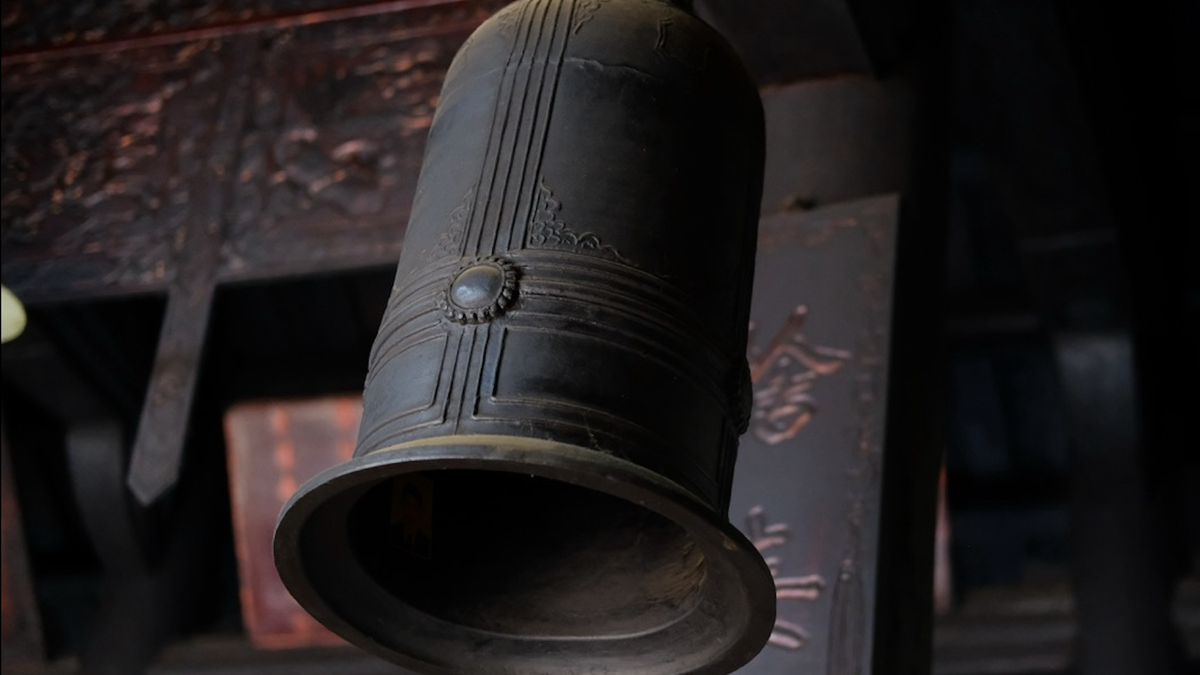
Locals and tourists visit and worship at Phu Na Temple.
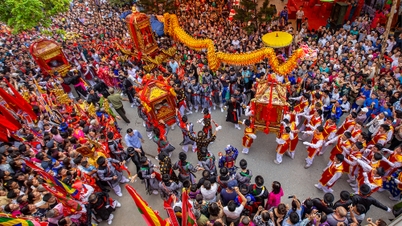
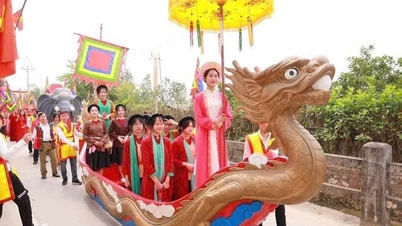
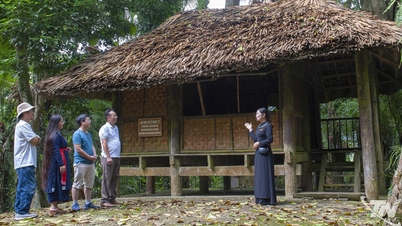
Xuan Du is known as a sacred land, home to the Phu Na Temple historical and cultural relic site and the Phu Na festival. Phu Na Temple is dedicated to Saint Mother Lieu Hanh, one of the "Four Immortals" of Vietnamese folk beliefs. It is a spiritual destination attracting many locals and tourists. During the Spring of the Year of the Horse (2016), Phu Na Temple took on a new, more spacious yet sacred appearance. Rituals were conducted solemnly and orderly; worshippers behaved respectfully and courteously. Security, fire prevention, environmental sanitation, and food safety were all implemented comprehensively. From the first day of the Lunar New Year of the Year of the Horse until now, Phu Na Temple has welcomed over 60,000 visitors.
Ms. Le Thi Thuy from Hanoi shared: “This year, returning to my hometown for Tet, my family chose to visit Phu Na. I find Phu Na's space very spacious and beautiful, the festival is well-organized, and the people attending the ceremony are civilized and polite.” Ms. Nguyen Thi Huong from Hac Thanh ward, who has chosen Phu Na for her spring trip for many years, said: “This is a beautiful cultural and religious tradition characteristic of the Vietnamese people. Coming to Phu Na at the beginning of spring, my family not only gets to immerse ourselves in the festival atmosphere and send wishes for a peaceful and lucky year, but also learn about the history and culture of our nation.”
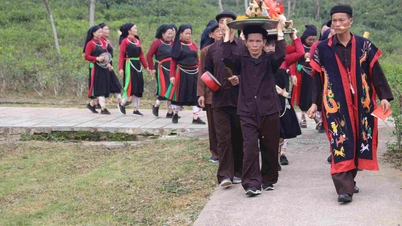
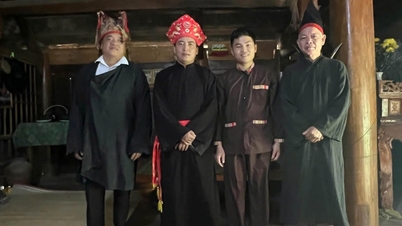
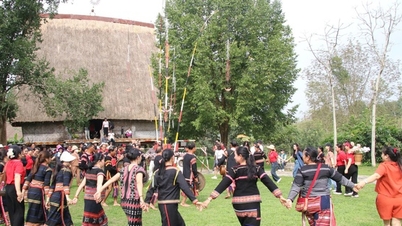
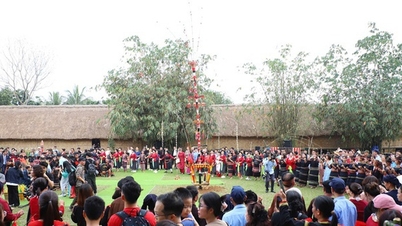
While Phu Na is steeped in the Mother Goddess worship tradition, the Set Booc May festival in Mo 1 village is deeply rooted in the cultural and religious traditions of the Thai ethnic group. The Set Booc May festival takes place on the 10th day of the first lunar month every year. It's an occasion for the community to give thanks to heaven and earth, and to pray for favorable weather and a bountiful harvest. The festival is preserved and practiced by the local people in its original form, with traditional rituals. A highlight of the festival is the interwoven rituals and cultural activities closely associated with cotton.
Ms. Vi Thi Giao from Mo 1 village said: “The festival cannot be without the cotton tree – a flower symbolizing heaven and earth, nature, the four seasons, and all things. The rituals of carrying the cotton tree and bringing it to heaven are interspersed with dances around the tree.” According to the elders in Mo 1 village, the cotton tree – the symbol of the festival – is prepared by the villagers about a month in advance. They choose strong bamboo stalks to make the trunk. Many holes are drilled in the trunk to insert flower branches, garlands, and symbols of fruits, birds, and animals. The symbols are skillfully woven by the villagers using fabric, bamboo, rattan, cassava, and dried gourd pulp, dyed in vibrant colors. The flower garlands are strung together into long strands with various symbols. This is called "xai muong" – symbolizing the path the gods take from the heavenly realm down to earth to attend the festival.
In the spring air, the sounds of gongs and drums, the rhythmic pounding of rice stalks, and the rhythmic dancing of the bamboo pole dance create a cultural space rich in national identity. In particular, the participation of the younger generation has become a highlight in the festival activities and cultural preservation efforts in Xuan Du. Village head Luu Huy Thanh of Mo 1 said: “The commune has encouraged the establishment of the Set Booc May Club, mobilizing the participation of both the village elders and the younger generation. The commune and village have promoted social mobilization, gathering resources to help the club maintain its activities of practicing and performing the festival both locally and outside the village. At the same time, the transmission of knowledge is actively carried out by the commune and club members. As a result, the younger generation in the village understands and is proud of their heritage; the festival is no longer a ‘re-enactment’ but truly lives on in the community.”
In Thanh Hoa province's spring festival season, Xuan Du stands out with its dense, multicultural, and colorful series of festivals in early January. These include the Phu Na festival, lasting from the first day of the Lunar New Year until the end of March, the Set Booc May festival of the Thai people, and the New Rice festival of the Muong people in Bai Da 1 village on the seventh day of the first lunar month – reflecting the beliefs and life philosophy of the agricultural fishermen closely associated with rice cultivation. Beyond their spiritual value, the festival season also opens up opportunities for tourism development in the commune. Therefore, the commune has identified cultural preservation combined with the development of cultural and spiritual tourism as a key task. The commune has implemented many comprehensive solutions to effectively exploit cultural values, build an image of a civilized and friendly destination, and contribute to local economic development. Thanks to the intensified promotion of the festival season, the commune has attracted over 90,000 visitors. This project generates revenue of 18-20 billion VND for the locality and creates jobs for approximately 500 seasonal workers.
According to Le Viet Huong, Vice Chairman of the People's Committee of Xuan Du commune: "Leveraging the potential and strengths of the locality, the commune will continue to focus on preserving the original traditional festivals. At the same time, we will improve the quality of festival organization and build an image of a civilized and safe destination. Specifically for traditional festivals, the commune will promote the role of the people in practicing and preserving the festivals, and strengthen the teaching and transmission of these traditions within the community."
Text and photos: Thùy Linh
Source: https://baothanhhoa.vn/giu-hon-le-hoi-mo-loi-phat-trien-279735.htm









































Comment (0)