

Recently, businesses, associations, and the Vietnam Federation of Trade and Industry have continuously raised concerns about the consequences of imposing a 5% tax on semi-processed agricultural products and the "collect first - refund later" mechanism. According to Point d, Clause 2, Article 9 of the Value Added Tax Law, products "not processed into other products or only undergoing ordinary preliminary processing" are subject to a 5% tax rate.
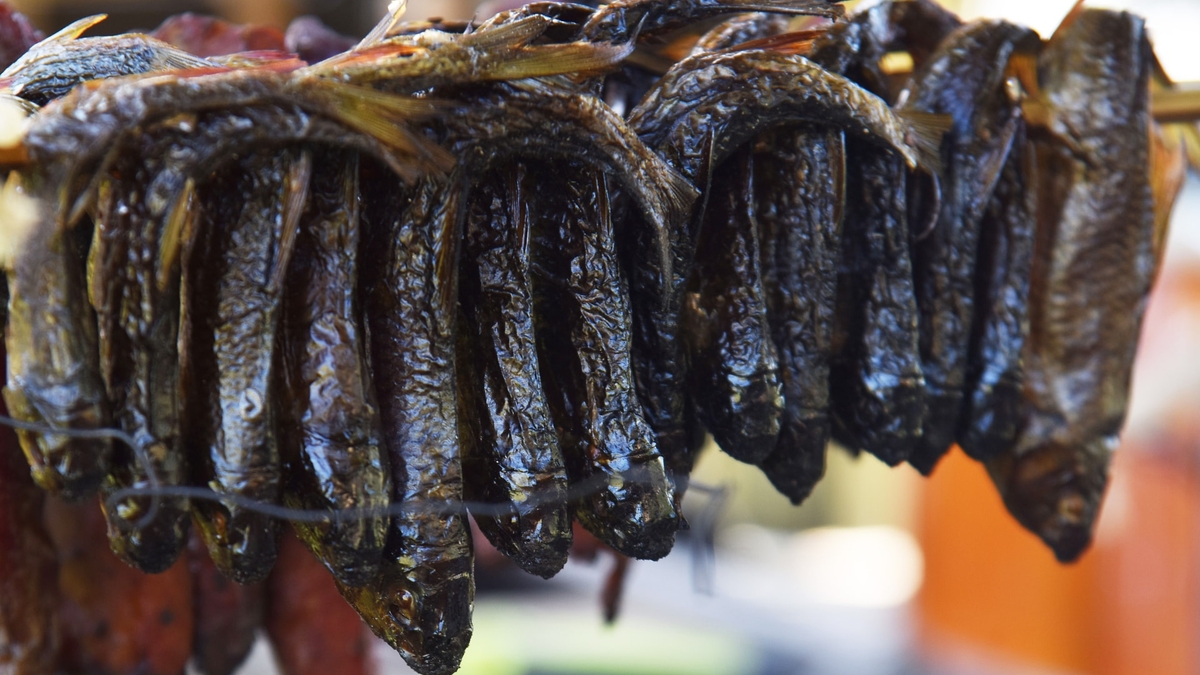
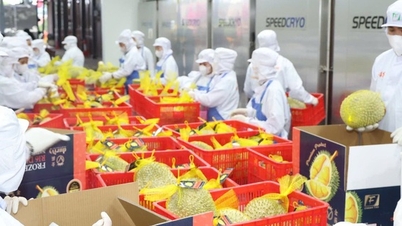
However, in reality, agricultural products such as coffee, pepper, cashew nuts, shrimp, fish, and raw timber mainly undergo minimal processing such as peeling, drying, milling, and processing, and do not generate substantial value-added tax (VAT). Applying a 5% VAT rate to the above-mentioned group of goods is inconsistent with the nature of VAT, which is only levied on the added value in the production and business chain.
In particular, the "pay first, get paid later" mechanism is also putting significant pressure on businesses. For seasonal agricultural export products, businesses have to advance large amounts of capital to pay input taxes, then wait for reimbursement after many months. This cash flow gap increases financial costs, reduces the ability to stockpile raw materials, and makes businesses more likely to lose opportunities to sign international contracts.
Therefore, the draft amendment to the law stipulates that unprocessed or only minimally processed agricultural products, plantation forests, livestock, and aquatic products traded between businesses and cooperatives will not be subject to VAT declaration and payment, but will still be eligible for input tax deduction. This is a small change in wording but has a significant impact, restoring the true principle of VAT: taxing only when there is actual added value. If the new regulation is approved, businesses will no longer need to borrow capital or wait for refunds of provisional tax payments. With improved cash flow, businesses can increase their raw material purchasing capacity, expand deep processing, and enhance export value. At the macro level, ensuring liquidity for the production sector is just as important as credit support packages or interest rate reductions.
Another important amendment in the draft is the repeal of Point c, Clause 9, Article 15 of Law 48/2024/QH15 – which stipulates that businesses are only eligible for tax refunds when the seller has declared and paid taxes. The Ministry of Finance itself acknowledges that this condition inadvertently shifts the risk of tax management from the authorities to the purchasing businesses, while businesses lack any legal tools to verify or compel sellers to fulfill their tax obligations. When a tax refund application is stalled, the consequences include the risk of delayed deliveries, loss of market share, and production disruptions. Repealing this condition is necessary to ensure legal fairness and create a safer and more transparent business environment.
In the context of a global economic uncertainty, removing bottlenecks in VAT policy will not only help businesses overcome immediate difficulties but also build confidence. A stable, reasonable, and consistent tax policy is a prerequisite for businesses to dare to invest long-term, innovate technology, and participate deeply in global value chains. Businesses are the foundation of growth; healthy businesses lead to sustainable budget revenue and maintain the economic recovery momentum during this challenging period.
Source: https://www.sggp.org.vn/go-diem-nghen-trong-luat-thue-gia-tri-gia-tang-post825636.html


![[Image] Shipbuilders exposed to steel and record-breaking heat.](https://vphoto.vietnam.vn/thumb/1200x675/vietnam/resource/IMAGE/2026/06/04/1780545781745_ndo_br_img-5402-4683-jpg.webp)












































![[Video] Sunset at Lap An Lagoon – Where the sun sets over the fishing nets](https://vphoto.vietnam.vn/thumb/1200x675/vietnam/resource/IMAGE/2026/05/31/1780192137701_beach-landscape-sea-water-nature-grass-745871-pxhere-com.jpeg)































Comment (0)