What do tourists remember after leaving Hanoi ?
According to the Hanoi Department of Tourism , in the first five months of 2026, the city welcomed nearly 15 million visitors, an increase of 17.2%, and revenue increased by more than 20% compared to the same period last year. International visitors increased sharply by more than 28%, reaching approximately 4.06 million.
Against the backdrop of the global tourism industry still being impacted by rising transportation costs and geopolitical instability, these figures are nothing short of a boost, invigorating the entire tourism ecosystem of the capital city. Building on this success, the city is accelerating its new tourism branding strategy with the slogan "Hanoi - Come to Love," while also strongly developing experiential tourism, community-based tourism, and the night-time economy .
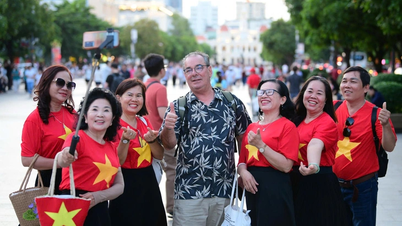
According to a survey by the travel company Hanoitourist, the majority of reasons why tourists "love Hanoi" are still linked to the values that have shaped the city's identity, such as its heritage, culture, cuisine, and the vibrant life of the Old Quarter.
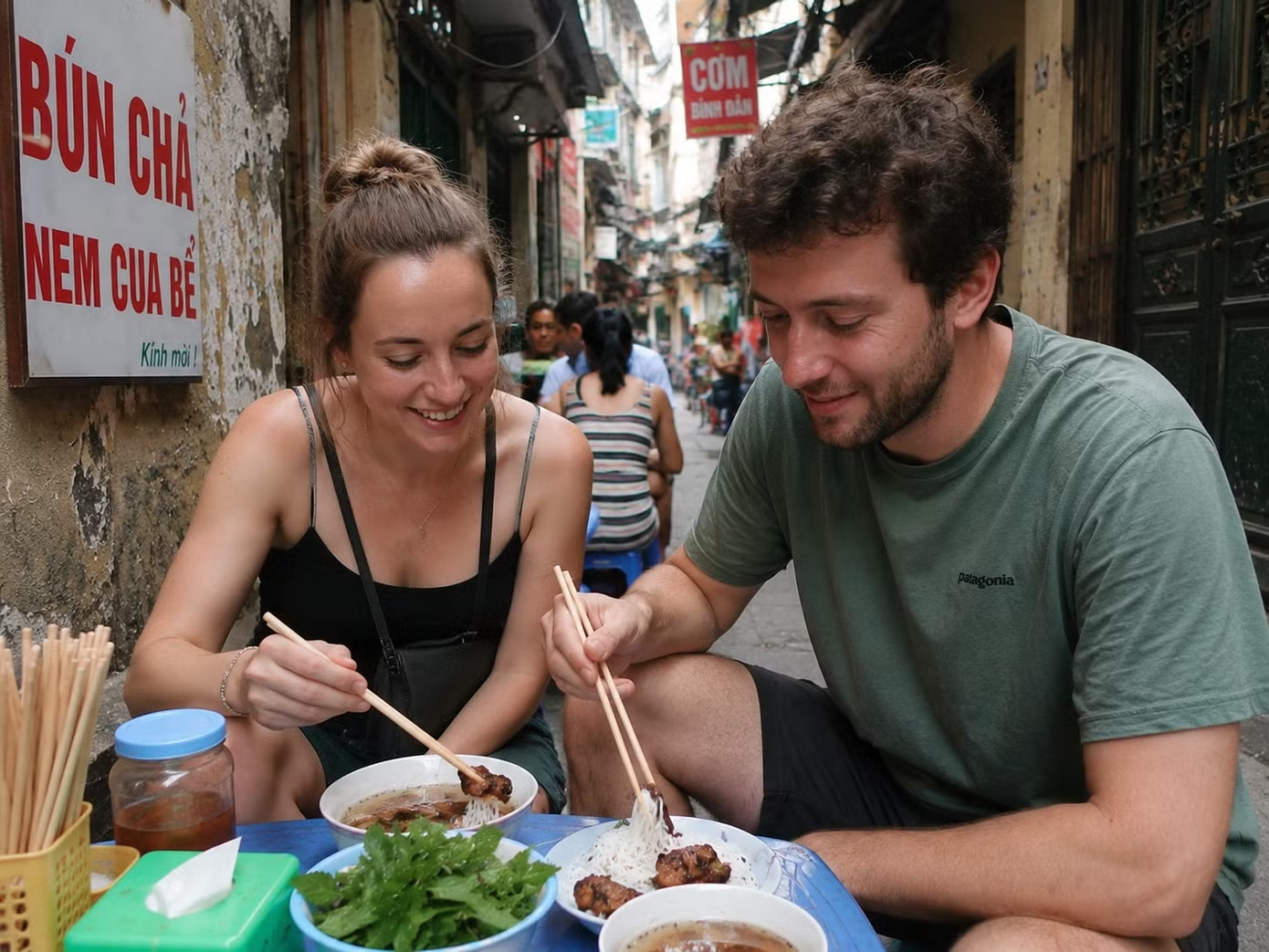
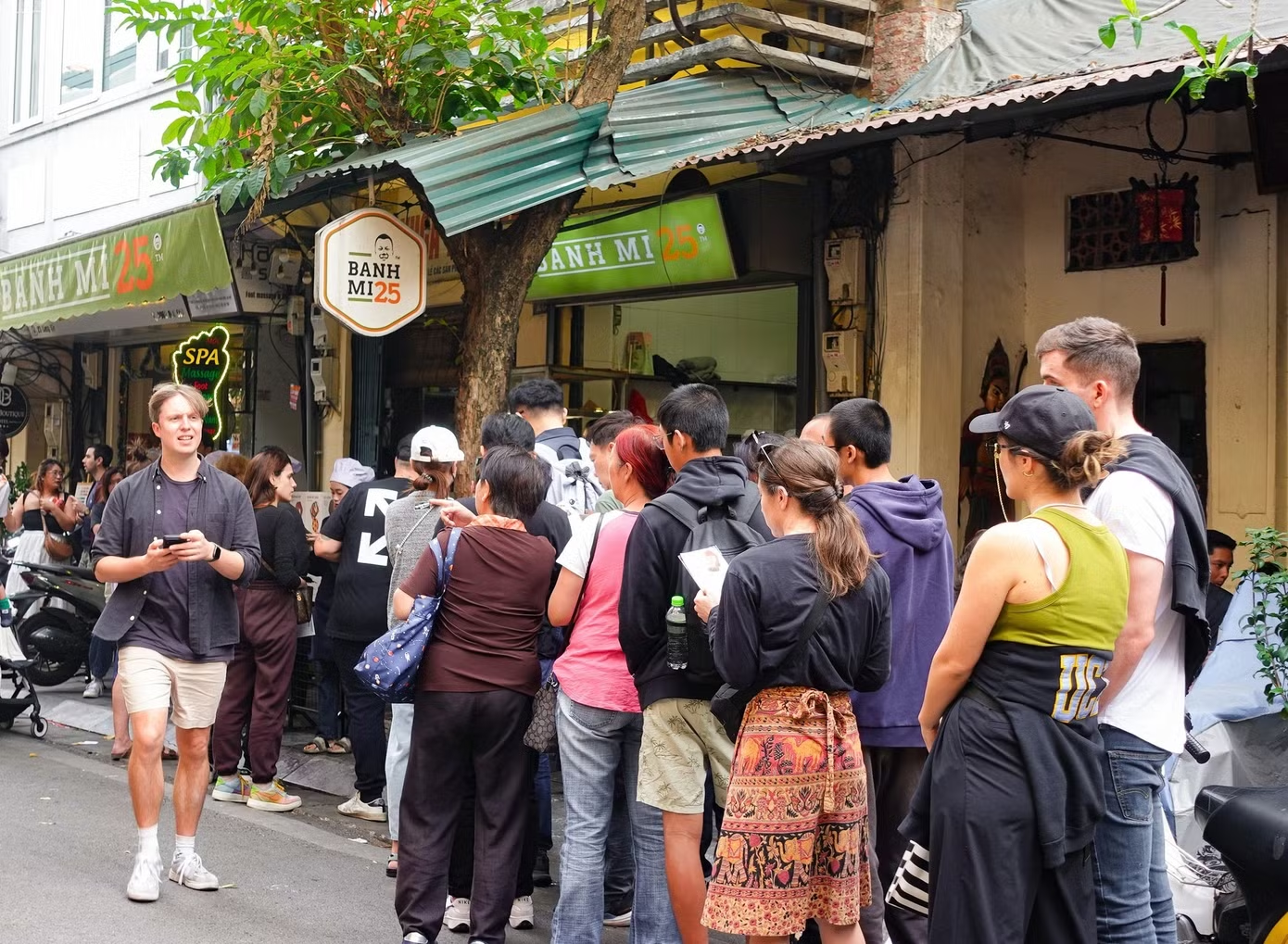
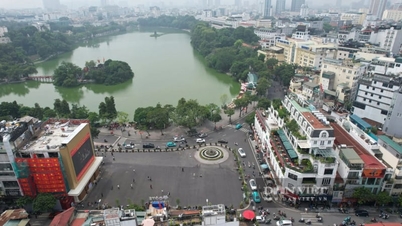
“Most of the responses focused on very ordinary experiences such as sitting and drinking coffee on a balcony in the Old Quarter, watching the long lines of motorbikes in the narrow streets, walking around Ho Guom Lake in the early morning to observe people exercising, playing badminton, or dancing. Many Western tourists also expressed their enjoyment of street food culture. An Australian female tourist shared that her most unexpected experience was sitting on a low plastic chair in a small alley to eat bun cha (grilled pork with vermicelli). This is very normal for Hanoians but gives a novel feeling to international visitors,” a representative from Hanoitourist said.
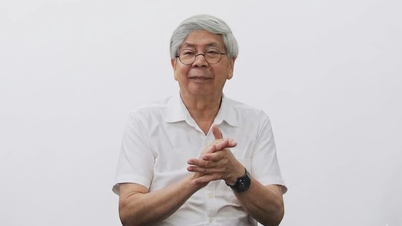
Associate Professor Pham Hong Long (University of Social Sciences and Humanities) believes that Hanoi's greatest appeal lies in its vibrant cultural experiences. “Unlike Asians, very few European tourists travel solely for the purpose of finding photo opportunities. They want to interact with locals or participate in cultural experiences firsthand. Hanoi has a huge advantage in its community spaces, old town, street food, and authentic lifestyle. These are things that many modern cities find difficult to replicate,” he said.
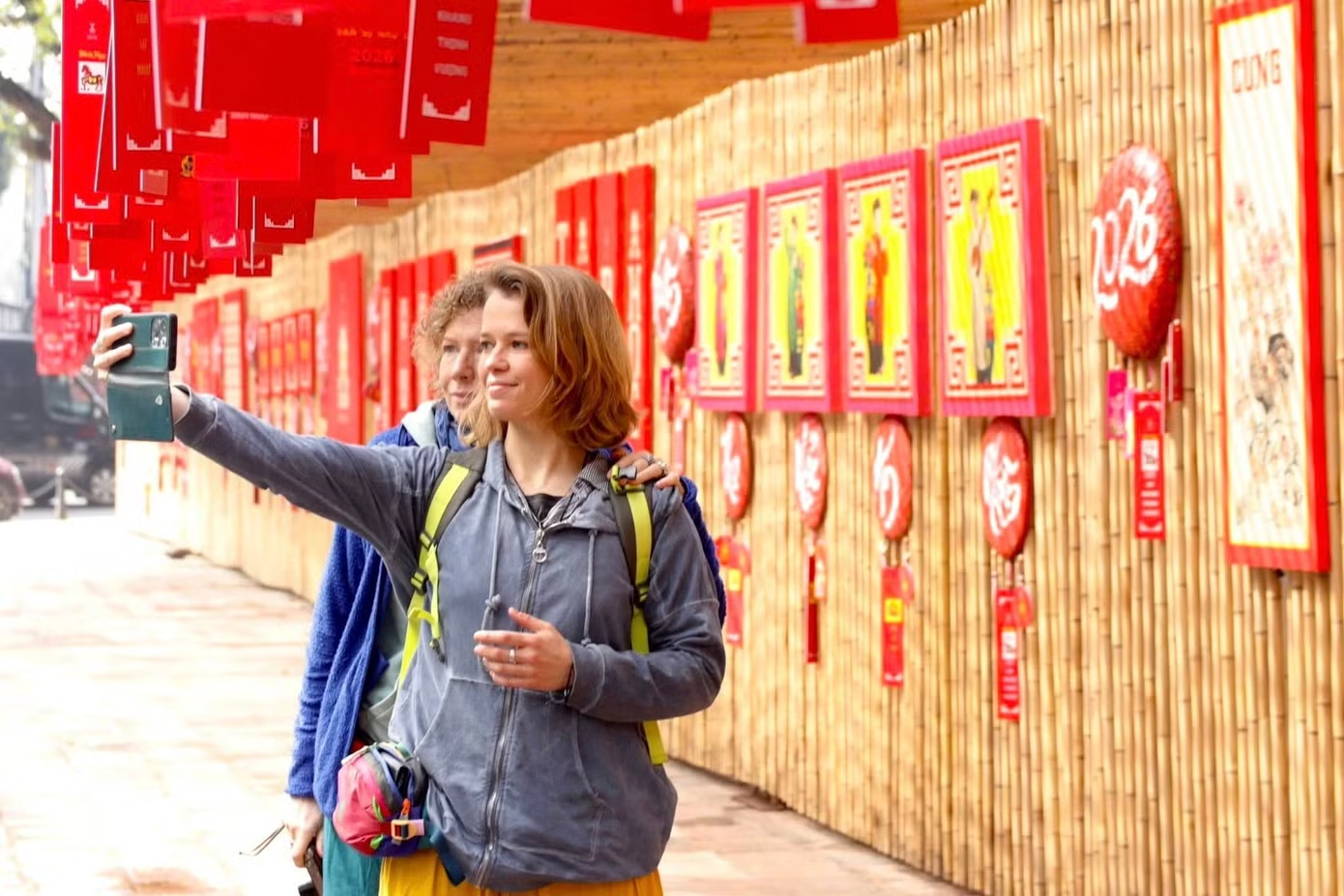


It is known that several international studies on Hanoi tourism in recent years have yielded similar results. The most frequently appearing images of Hanoi on social media are still Ho Guom Lake, the Old Quarter, cafes along the railway tracks, street vendors, and small eateries.
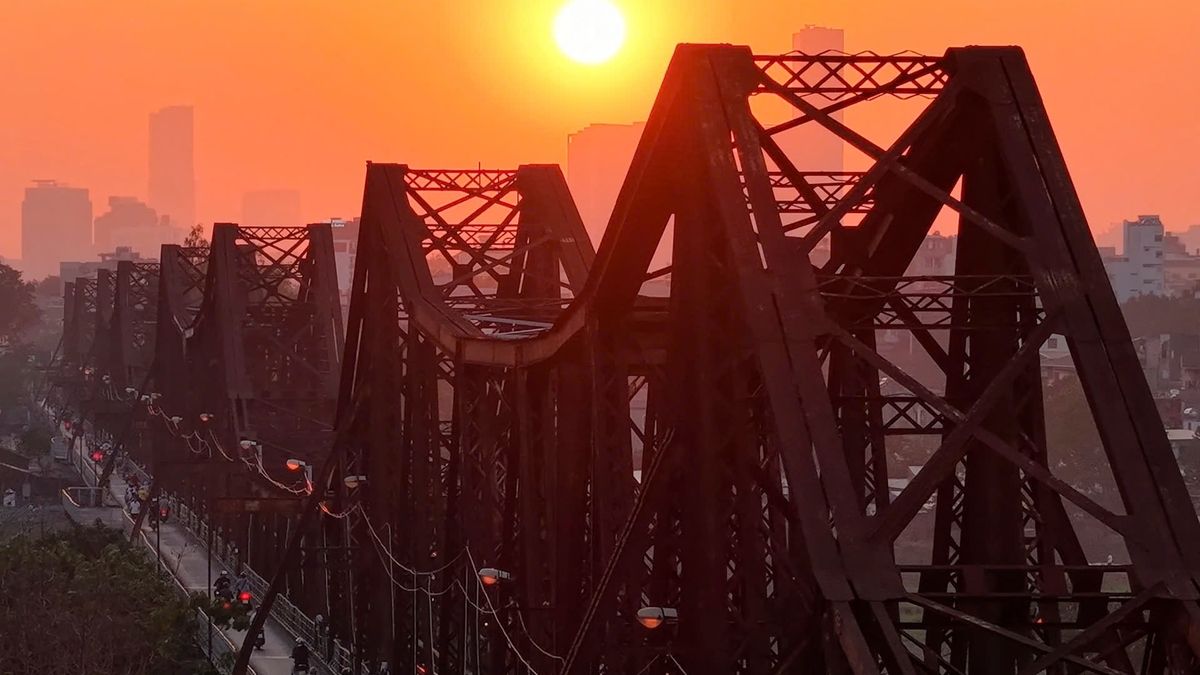
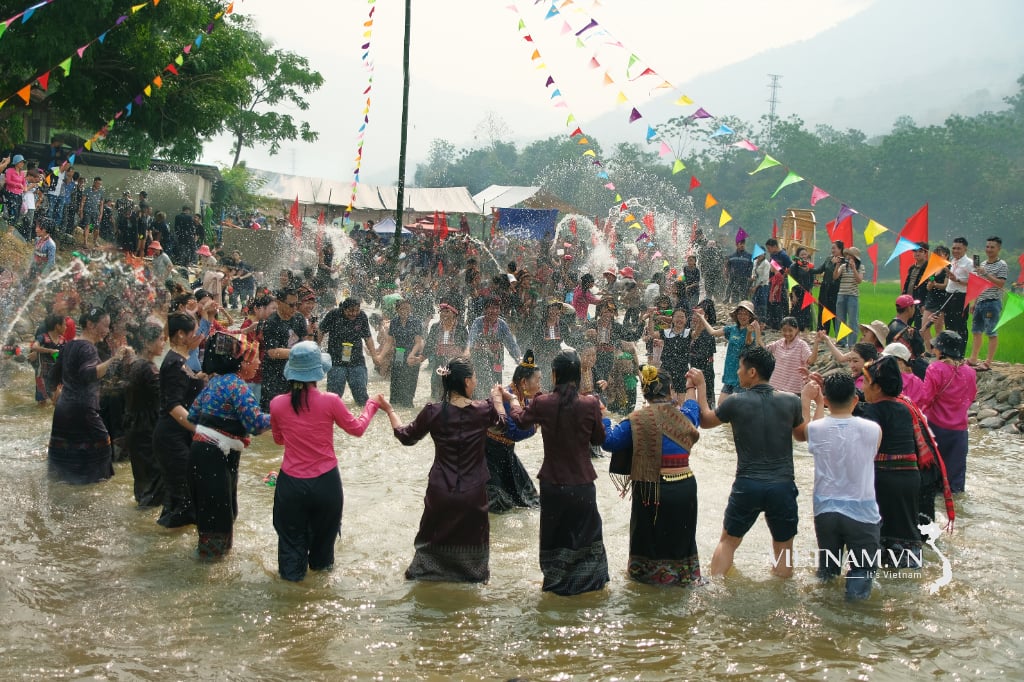
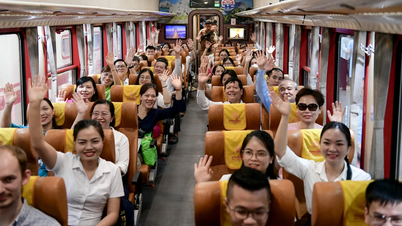
According to the 2026 plan, Hanoi is developing a series of new models such as the "Spirit of Saint Giong" night tour in Soc Son, community tourism in Muong Coc, the "Spirit of Bamboo" model in Dong Vu, the Hanoi - 5-gate railway tourism route, the Red River routes, and many new pedestrian street spaces.
In terms of quantity, this is the period when Hanoi has launched the most new products in many years. However, some travel businesses in Hanoi say that many new products are still in the stage of generating media curiosity rather than creating a stable flow of customers.
With over 10 years of experience guiding foreign tourists, Mr. Nguyen Trung Thanh (from Sinhcafetour company) said that despite being introduced and promoted, many tourists are still not enthusiastic about new programs.
Entice tourists to stay an extra night.
Hanoi's goal now is not just to increase the number of tourists, but also to raise their spending and extend their length of stay. This is the real challenge, because an extra night a tourist spends often brings far greater economic value than a few additional short-term check-ins.
According to tourism economics expert Dr. Tran Van Manh, what Hanoi needs to do now is not to compete in terms of the number of new products, but to clearly identify the core values that create the city's attractiveness.
“The most attractive aspect of Hanoi lies not in individual buildings but in the overall cultural space. Tourists can find tangible heritage in many places around the world, but it is difficult to find a city where history, contemporary life, and community cultural practices are so naturally intertwined as in Hanoi. These are unique tourism resources that cannot be replicated or built overnight,” Mr. Manh analyzed.
In reality, many localities currently suffer from a common mentality of constantly creating new products in the hope of attracting tourists. However, new products only truly have value if they enrich the experience by leveraging existing assets. A Red River tour, a railway tour, or a live performance program will be difficult to succeed if it exists as a standalone product. They need to continue telling the story of Hanoi, helping tourists gain a deeper understanding of the city's culture, history, and contemporary life.
“I believe Hanoi shouldn't focus on how many new products it needs to add each year. What's more important is transforming existing resources into experiences that can keep tourists staying for an extra day or two. Currently, many international tourists only stay in Hanoi for two to three nights before moving on to other locations. This shows that we haven't yet fully exploited the city's potential,” Mr. Mạnh said.



Hanoi has the potential to strongly develop products linked to urban cultural life, such as themed tours exploring the Old Quarter, in-depth culinary journeys, experiences in traditional craft villages and arts, activities along the Red River, or the night economy. The important thing is that tourists must be able to participate, interact, and experience, not just watch. "Don't forget, international tourists come here to experience a Hanoi with cultural depth, not to seek entertainment models they can find in any other city," he stated.
The night-time economy extends until 6 AM.
According to the draft Resolution on investment and business in nighttime products and services currently being reviewed by Hanoi, some areas, streets, and service complexes that meet the criteria may be allowed to operate until 6:00 AM instead of ending at midnight as currently. The city aims to develop six key nighttime economic zones: the historical center, the creative cultural space, the commercial and service zone, the urban ecological corridor, the cluster of historical sites, traditional craft villages, and the Red River landscape axis. Hoan Kiem Lake, the Old Quarter, West Lake, Thang Long Imperial Citadel, Temple of Literature, Tay Ho Palace, Huong Pagoda, and traditional craft villages are all on the priority list for developing nighttime tourism products. If approved by the City People's Council in June, the resolution will take effect from July 1, 2026.
Source: https://tienphong.vn/ha-noi-den-de-yeu-hon-pho-cu-post1848938.tpo





































![[Image] Ho Chi Minh City: Ma Lang area, Chicken-Rice Market about to change its appearance](https://vphoto.vietnam.vn/thumb/1200x675/vietnam/resource/IMAGE/2026/06/25/1782377698627_ndo_br_m1-jpg.webp)