

To promote industry and small-scale handicrafts, Hanoi aims to complete the infrastructure of 30 industrial clusters that have commenced construction between 2021 and 2024, while also establishing and expanding 15-20 new industrial clusters.
To promote industry and small-scale handicrafts, Hanoi aims to complete the infrastructure of 30 industrial clusters that have commenced construction between 2021 and 2024, while also establishing and expanding 15-20 new industrial clusters.
According to Plan No. 20/KH-UBND on the management and investment in industrial clusters in Hanoi in 2025, recently issued by the Hanoi People's Committee, Hanoi will continue to commence construction of infrastructure for the remaining industrial clusters, completing the target of establishing 43 industrial clusters in the 2018-2020 period. In addition, existing industrial clusters will also be renovated and upgraded to meet the requirements of the new government regulations.
In addition, the city aims to ensure that by the end of 2025, 100% of newly built industrial clusters will have wastewater treatment plants meeting national standards, while existing industrial clusters and craft villages must also complete their wastewater treatment systems to ensure compliance with national technical standards.
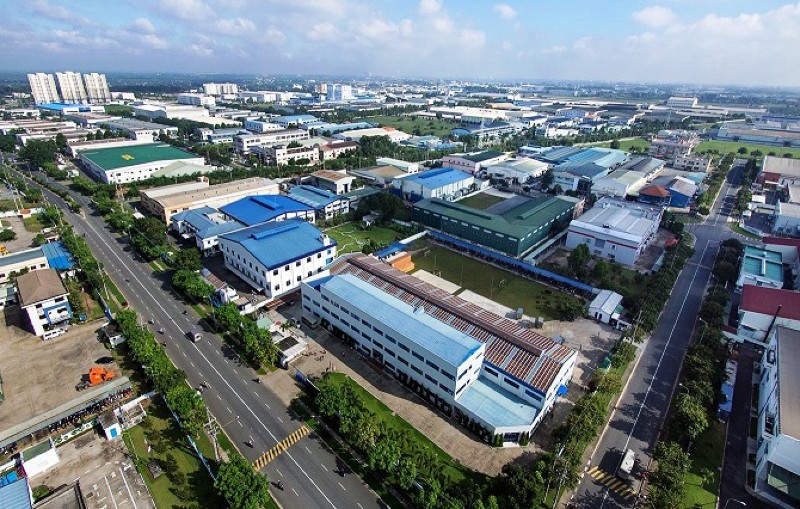 |
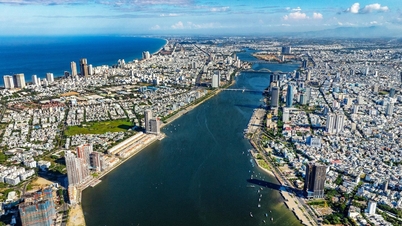
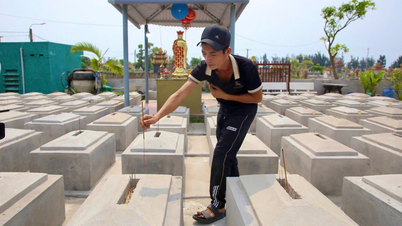
| Illustrative image |
The Hanoi People's Committee has assigned the Department of Industry and Trade as the lead agency, coordinating with other departments, agencies, and the People's Committees of districts, towns, and cities to implement the plan. Key tasks include monitoring the progress of completing the technical infrastructure of existing industrial clusters, tracking and urging the commencement of construction of new industrial clusters, and inspecting and supervising compliance with laws on planning, investment, construction, and land use within industrial clusters.
The People's Committees of districts, counties, and towns where industrial clusters are located will be responsible for managing and handling issues related to planning, land, and construction. At the same time, localities need to expedite the approval and adjustment of detailed 1/500 scale planning for industrial clusters, ensuring compliance with higher-level plans, standards, and current regulations.
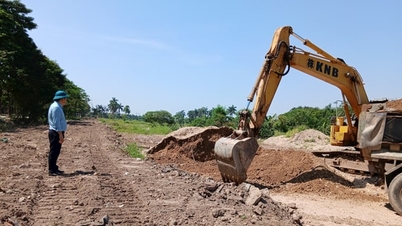
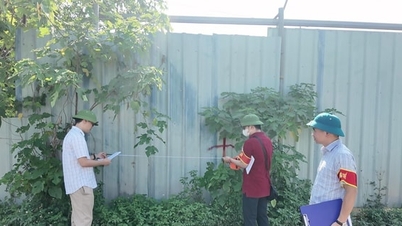
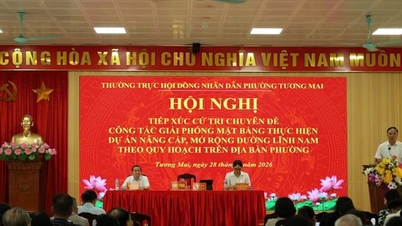
One of the key tasks of the local government is land clearance, creating favorable conditions for industrial clusters to be implemented on schedule. In addition, the city requires the development of a plan to complete the infrastructure system inside and outside the industrial clusters, ensuring seamless connection with the transportation system and public services.
Hanoi also aims to improve environmental quality in industrial clusters. Investors are responsible for renovating and upgrading wastewater treatment systems within industrial clusters, ensuring compliance with environmental protection regulations, as well as fire safety and occupational safety and hygiene standards. Maintenance of technical infrastructure is also emphasized to improve operational efficiency and attract investment.
Alongside infrastructure improvements, the Hanoi People's Committee also requested relevant units to promote investment, making the most of the advantages of industrial clusters to attract industrial and handicraft production enterprises, contributing to boosting production and helping to solve environmental pollution problems in craft villages in the area.
The completion, expansion, and upgrading of the industrial cluster system will significantly contribute to creating more jobs, developing the local economy , and enhancing the competitiveness of the capital's industrial sector. At the same time, it demonstrates the city's determination to plan, manage, and develop production infrastructure in a modern and sustainable manner, meeting the increasingly high demands of businesses and residents.
Source: https://baodautu.vn/ha-noi-se-thanh-lap-mo-rong-15---20-cum-cong-nghiep-d243761.html

![[Photo] Standing Committee member of the Party Central Committee Tran Cam Tu working with the Central Inspection Committee](https://vphoto.vietnam.vn/thumb/1200x675/vietnam/resource/IMAGE/2026/05/28/1779969579668_ndo_br_bnd-2495-jpg.webp)




























































































Comment (0)