Blind faith
With just a few searches on Facebook, TikTok, or e-commerce platforms, users can easily find a plethora of products labeled as "traditional medicine," "three-generation remedies," or "rare herbs." Some individuals even livestream, run paid advertisements, and use deceptive tactics like creating fake comments and positive reviews to mislead viewers. From bone and joint diseases, diabetes, liver and kidney problems, to cancer… all are advertised as being able to "cure" these conditions completely. Believing these advertisements, many people have purchased and used these products, with the consequence of ending up in the hospital.
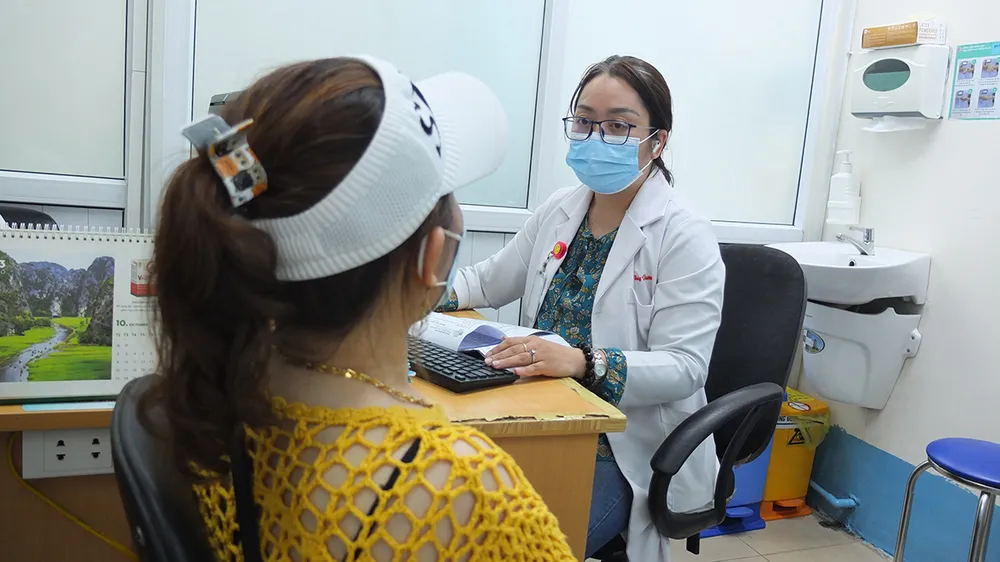
Recently, An Binh Hospital (Ho Chi Minh City) admitted a patient with a kidney stone approximately 20mm in size, causing urinary tract obstruction. Previously, believing advertisements for a traditional herbal remedy online that could dissolve stones, the patient purchased and used it. However, the stone did not dissolve but continued to grow, causing obstruction, infection, and kidney damage. Binh Dan Hospital also frequently receives many male patients admitted due to the use of "rejuvenation pills" widely advertised on social media. According to Dr. Mai Ba Tien Dung, Head of the Andrology Department at Binh Dan Hospital, many men, due to embarrassment and reluctance to share sensitive issues, have searched for and purchased these medications online hoping for a "quick and discreet cure."
"Advertisements like 'one pill to regain vitality,' 'rejuvenate like an 18-year-old,' etc., are appearing all over social media and e-commerce platforms, turning products of unknown origin into sexual enhancement drugs. However, many cases have resulted in hospitalization due to severe complications after use," Dr. Mai Bá Tiến Dũng informed.



The Ministry of Health has just announced that the injectable HIV pre-exposure prophylaxis drug YEZTUGO, which is marketed under the trade name YEZTUGO, has not been licensed for circulation in Vietnam and is suspected to be counterfeit. The widespread sale of YEZTUGO, a product of unknown origin, on social media poses a serious risk to the health of users and significantly impacts HIV/AIDS prevention and control efforts.
Gaps in management
Despite repeated warnings and enforcement actions by authorities, the online sale of medicines and dietary supplements remains complex. Smugglers frequently change accounts, erase traces, or use livestreaming to sell their products, making inspection and enforcement difficult. Furthermore, the concept of "traditional medicine" is still not strictly regulated. Many establishments exploit this designation to promote products as cures, when in reality they are merely dietary supplements or unlicensed products.
According to Dr. Le Trung Nhan, Head of the Outpatient Department at Cho Ray Hospital, the development of e-commerce, especially online sales, makes it easy for individuals to promote and sell counterfeit or unverified medicines and products. People should not buy and use medicines indiscriminately as this can seriously affect their health.
To prevent the misuse of medication online, experts suggest strengthening control over advertising and sales of drugs on digital platforms; strictly punishing violations, especially false advertising. Simultaneously, it's necessary to promote public awareness that medication is a special commodity and its use must be prescribed by a doctor. Patients should not believe in advertisements promising "miracle cures" or "complete cures" online. In the long term, it's crucial to improve the legal framework for "traditional" and "herbal" products, ensuring transparency regarding their origin, ingredients, and effectiveness.



The Hung Yen Provincial Police have just prosecuted a group of individuals who created social media pages and staged fake medical treatment scenarios to sell counterfeit medicine and defraud people. According to the investigation, the suspects created and managed Facebook pages. To gain the trust of patients, the members of this network hired acquaintances to pose as patients, staged videos of medical examinations and treatments, and then posted them advertising traditional remedies for skin diseases, promising complete cures, in order to deceive and sell counterfeit medicine.
Source: https://www.sggp.org.vn/hiem-hoa-ma-tran-thuoc-tren-mang-post849014.html