The Life Carrier
With nearly 130 heart transplants performed nationwide, what made those three transplants in less than a month so impressive? Dr. Nguyen Thai An (54 years old) thoughtfully recalled the time in October 2025 when a groundbreaking heart transplant was successfully performed at Thong Nhat Hospital (Ho Chi Minh City), moving the entire medical community.
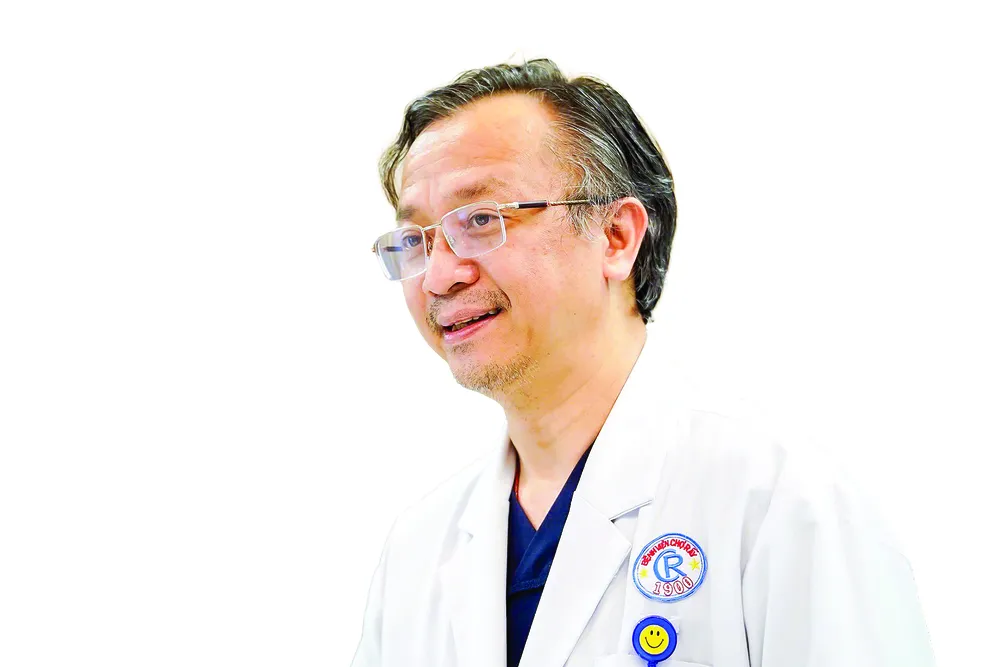
Dr. Nguyen Thai An, Head of the Cardiac Surgery Intensive Care Unit, Cho Ray Hospital
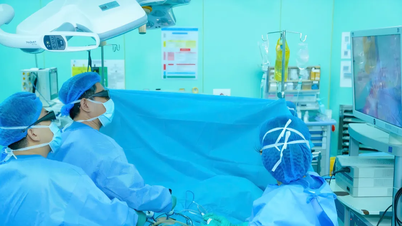
The patient was a middle-aged man with end-stage heart failure, his strength was extremely fragile, and he faced the risk of sudden death at any moment. Just then, on October 17, 2025, information arrived about a brain-dead patient with suitable medical indicators. During the consultation, Dr. Nguyen Thai An stated: "A heart transplant is the only and best chance." However, ironically, Thong Nhat Hospital did not have a license for heart transplants, and the patient could not be transferred due to his critical condition.
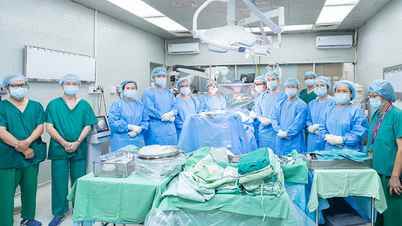
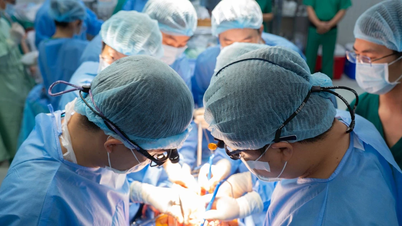
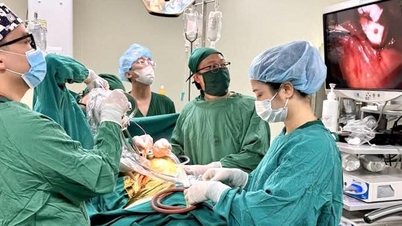
Faced with the threat of human life, seemingly immutable regulations were lifted. “The patient’s life is paramount. When donated organs appear at the very moment a patient is on the brink of death, we cannot hesitate,” recalled Dr. Nguyen Trong Khoa, Deputy Director of the Department of Medical Examination and Treatment Management, Ministry of Health . Immediately after the emergency meeting, Thong Nhat Hospital received a document from the Ministry of Health authorizing the heart transplant in this special emergency situation. With their worries lifted, a team of more than 10 members from Cho Ray Hospital, led by Dr. Nguyen Thai An, rushed to support the other hospital that night. From Hue, another team from Hue Central Hospital also arrived in Ho Chi Minh City. And in the early morning of October 18, 2025, in a crowded operating room filled with equipment and personnel, the heart was placed into its new chest and gently beat its first rhythms, signaling the initial success of the transplant.
But the journey was long, and the real challenge lay in the resuscitation phase. Patients with kidney failure and severe infections faced constant risks of complications. Doctors had to carefully consider and choose the most effective time to administer antibiotics. Only those with years of experience and practical skills could handle this. After two weeks, Dr. Nguyen Thai An finally breathed a sigh of relief when the patient was completely stable; the man who had been counting down the days until death could smile again. A life was extended. “What moved me most wasn’t just the successful transplant, but the humane and unified way the healthcare system operated, from the determination of the hospital leaders to the spirit of each team member. There was no question of who was in charge and who was not; everyone pitched in with one goal: to urgently save lives and to do the best they could,” Dr. An said, his eyes slightly reddening as he recalled the event.
“In any situation, we are always ready, we just hope that patients don't give up. For us, only patients refuse doctors, doctors never refuse patients,” said Dr. Nguyen Thai An, Head of the Cardiac Surgery Intensive Care Unit, Cho Ray Hospital.
A few weeks after the heart transplant at Thong Nhat Hospital, two more organ donations appeared within three days and were accepted by Cho Ray Hospital, saving 12 patients from the South to the North. The entire system worked almost non-stop, harvesting organs, transporting them, transplanting them, and providing resuscitation; every step had to run continuously without interruption. In the early morning of November 8, 2025, Dr. Nguyen Thai An had just completed a heart transplant; less than a day later, he set aside his fatigue and continued to mobilize personnel for the next transplant. He himself was present at Ba Ria General Hospital, bowing his head to express his gratitude to the organ donor before transporting that life to its new life.
Transporting life is perhaps an integral part of Dr. Nguyen Thai An's medical career. In 2018, he was the last passenger on a Hanoi -Ho Chi Minh City flight, carrying a donated heart from the Central Military Hospital 108. Traveling over 1,600km, as soon as the plane landed at Tan Son Nhat Airport, a special police vehicle cleared the way for an ambulance that sped through rush hour traffic, promptly transporting Dr. An and the container holding the heart to Cho Ray Hospital. This sacred mission overwhelmed the head of the department with emotion as the clock ticked by. It was a race against time, because a heart separated from the body only has 4 to 6 hours to be reborn in a new body. "If we let it go beyond that, we not only betray the donor's generosity but also lose the opportunity to save the recipient's life," Dr. An shared.
"If you're going to have heart surgery, you have to be skilled."
Nearly 30 years of professional experience is also the period during which Dr. Nguyen Thai An has steadfastly dedicated himself to Cho Ray Hospital. From his time as a medical student and then a resident, he followed in the footsteps of his mentors and senior doctors into the operating room. And it was there, witnessing the unfortunate patients, that he deeply questioned himself: "If I'm not skilled, what will happen to the patients?" In heart surgery, a needle misalignment of half a millimeter can cost a life, sometimes even the future of a family. Therefore, for him, cardiovascular surgeons have only one choice: to be skilled, skilled enough to avoid harming anyone.

Dr. Nguyen Thai An (third from the left) expresses gratitude to the brain-dead organ donor before the surgery.
Dr. Nguyen Thai An's tireless dedication has been a constant presence since his youth. More than 20 years ago, Dr. An participated in a particularly challenging surgery. The patient was admitted with a portion of a scalpel blade "left behind" in their chest without their knowledge. Blood test results shocked the entire team: the patient was HIV positive. At that time, HIV was still considered a death sentence, medication was limited, and there was much stigma. Dr. An volunteered to join the surgical team led by Associate Professor Dr. Do Kim Que (currently the Deputy Director of Thong Nhat Hospital), the lead surgeon. The blade penetrated the mediastinum, from the left clavicle to the right, close to the patient's sternum. When the blade was removed, blood gushed out profusely. Dr. Nguyen Thai An quickly used his finger to cover the puncture wound, much to the astonishment of the team. Dr. Do Kim Que, with intense concentration, carefully sutured the wound and controlled the bleeding. Only after the surgery was safely completed did Dr. Nguyen Thai An dare to breathe a sigh of relief.
In 2017, Dr. An, now the Head of the Cardiac Surgery Intensive Care Unit, faced a case involving a 47-year-old woman admitted with hemoptysis, exhaustion, and severe heart valve regurgitation, requiring surgery to survive. Blood tests showed she was HIV positive, shocking both the patient and her family. They needed time to accept the news, while the doctors were consumed with anxiety. For 20 days, the doctors tirelessly persuaded, reassured, and explained that HIV wasn't the end; the most urgent matter was saving the patient's heart. The surgical team included not only the head of the department – the leader in terms of expertise and morale – but also very young doctors who volunteered to participate.
At 54 years old, Dr. Nguyen Thai An still regularly enters the operating room every day, tirelessly participating in crucial situations, or quietly standing behind the scenes, supporting his younger colleagues in continuing their important task of saving lives. In the cold light of the operating room, he always maintains a calm and focused demeanor, never hesitating. Behind his steady and quiet presence are stories of recovery that he and his colleagues have brought to patients. That is also why the medical community respectfully calls him: "The leader" of heart transplant surgeries.
GIAO LINH
Source: https://www.sggp.org.vn/thu-linh-ghep-tim-post838080.html


![[Image] Nearly 125,000 Hanoi students completed the Literature exam for the 10th grade entrance exam.](https://vphoto.vietnam.vn/thumb/1200x675/vietnam/resource/IMAGE/2026/05/30/1780117233041_ndo_br_thiet-ke-chua-co-ten-2-png.webp)












![[Video] Over 5,700 establishments found in violation, fined over 22.4 billion VND during peak month of food safety inspection.](https://vphoto.vietnam.vn/thumb/402x226/vietnam/resource/IMAGE/2026/05/30/1780130426976_dung00-12-11-08still005-png.webp)







![[Photo] Admire the coral "masterpiece" amidst the million-year-old heritage of Dak Lak province.](https://vphoto.vietnam.vn/thumb/1200x675/vietnam/resource/IMAGE/2026/05/30/1780107638639_y25-jpg.webp)





















































Comment (0)