Understanding the causes of the disease
Sitting quietly in the waiting area of the Ho Chi Minh City Oncology Hospital, Ms. NTH (42 years old, residing in Bay Hien Ward, Ho Chi Minh City) trembled as she held her genetic test results. The words "BRCA1 gene mutation" (a gene that repairs DNA and inhibits tumors) were clearly visible, leaving her stunned and tearful. Ms. H. said that her mother and aunt had both previously suffered from breast cancer. In November 2025, during a routine health checkup at work, the doctor diagnosed her with early-stage breast cancer and advised her to get genetic testing for consultation. "Initially, I was very worried because I thought genetic testing was complicated and expensive. After the doctor explained it very thoroughly, I understood that this was an opportunity to know what disease I was facing. Today, receiving these results, I will go home and tell my two sisters and daughter to come for consultation and early screening," Ms. H. shared.
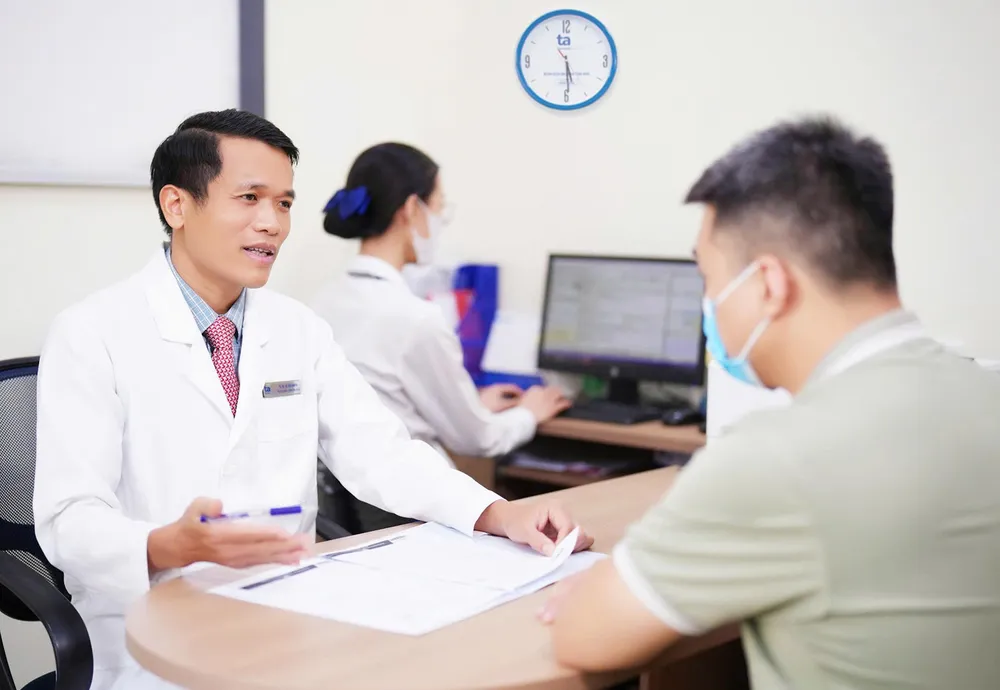
According to Dr. Phan Thi Hong Duc, Head of the Department of General Internal Medicine at the Ho Chi Minh City Oncology Hospital, gene mutations are one of the factors that can have a familial nature, increasing the likelihood of developing cancer. Patients identified as carrying a cancer-related gene need to be managed, screened for cancer according to a separate program, and advised on risk reduction interventions and appropriate treatment.
"Understanding the causes of cancer will provide opportunities to access screening and early detection measures; treating physicians will also be able to provide accurate and sufficient information to patients for comprehensive and optimal disease management," said Dr. Phan Thi Hong Duc.

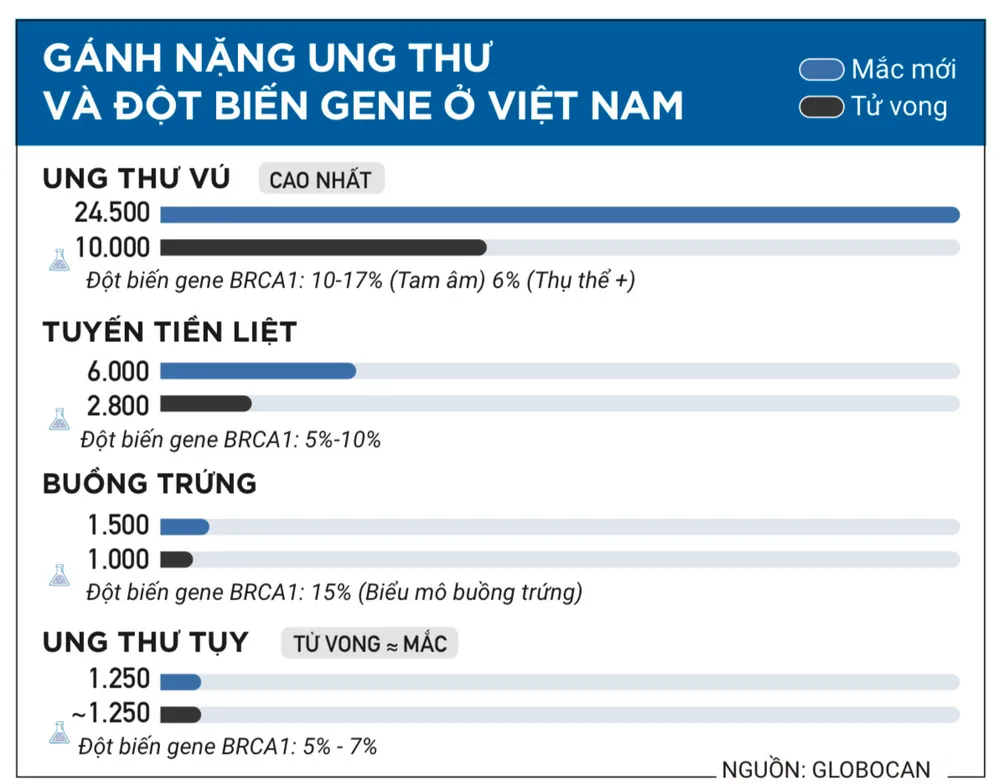
According to Associate Professor Pham Cam Phuong, Director of the Center for Nuclear Medicine and Oncology at Bach Mai Hospital ( Hanoi ), approximately 5%-15% of cancer cases are related to genetic factors, due to congenital gene mutations that can be triggered by the environment and lifestyle. Some cancers, such as breast, ovarian, colorectal, prostate, and pancreatic cancer, are closely linked to genetics, typically BRCA1 and BRCA2 gene mutations, which increase the risk of breast cancer by 5-7 times.
There are still many obstacles.
According to Dr. Diep Bao Tuan, Director of the Ho Chi Minh City Oncology Hospital, genetic counseling is more than just gene testing. It's a process that includes assessing family history, explaining risks, providing psychological support, and developing appropriate treatment and monitoring strategies for each patient. One of the greatest values of genetic counseling is protecting family members who haven't yet been diagnosed. For individuals carrying high-risk genes, early screening and timely intervention can help detect cancer at a very early stage, or even prevent it through proactive measures.
According to statistics from Children's Hospital 1 in Ho Chi Minh City, 70-80% of rare diseases are related to genetics and gene mutations. Each year, the hospital spends nearly 40 billion VND on medication to treat children with rare diseases. Many diseases have treatment costs of up to 80 billion VND per course. Currently, the hospital is collaborating with other maternity and pediatric hospitals such as Tu Du, Hung Vuong, and Children's Hospital of Ho Chi Minh City… to screen for genetic diseases early, thereby implementing appropriate treatment measures and providing care and support for the children.
Despite its many benefits, genetic counseling in Vietnam remains underaccessible. This is due to limited public awareness, high costs of genetic testing, and a shortage of specialized genetic counseling specialists. To address this, postgraduate training programs and short-term courses in genetic counseling should be implemented. Furthermore, financial support from health insurance or public health programs is needed to ensure access to genetic testing for all citizens, especially those with a family history of cancer, thereby improving healthcare quality and reducing the burden of disease on society.



Source: https://www.sggp.org.vn/hieu-gene-giam-nguy-co-ung-thu-post831793.html
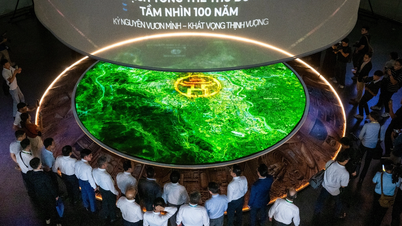
![[Photo] National Assembly Chairman Tran Thanh Man attends the Conference to announce the Master Plan for Hanoi Capital City with a 100-year vision.](https://vphoto.vietnam.vn/thumb/1200x675/vietnam/resource/IMAGE/2026/06/29/1782709639728_ndo_br_1-jpg.webp)


![[Photo] General Secretary and President To Lam works with the Party Committee of the Government on the work of preventing and combating storms, floods, extreme natural disasters and climate change.](https://vphoto.vietnam.vn/thumb/1200x675/vietnam/resource/IMAGE/2026/06/29/1782729441945_a1-bnd-0385-9454-jpg.webp)
![[Image] A look back at the capital's preparations for the century-long master plan.](https://vphoto.vietnam.vn/thumb/1200x675/vietnam/resource/IMAGE/2026/06/29/1782750453122_quy-hoach-100-nam-minh-duy-1-2118-jpg.webp)

























































![[Image] Building an elevated road through the Ma Da forest.](https://vphoto.vietnam.vn/thumb/402x226/vietnam/resource/IMAGE/2026/06/29/1782724737750_anh-man-hinh-2026-06-29-luc-16-18-43.png)