

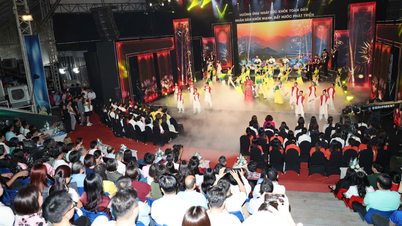
Over the years, cultural and sports institutions in Quang Ninh province have effectively contributed to improving the cultural and spiritual life of all segments of the population, especially in visual propaganda and promotion, organizing cultural and artistic activities, and sports competitions on a wide scale from the provincial to the grassroots level, with many rich and diverse contents and forms.
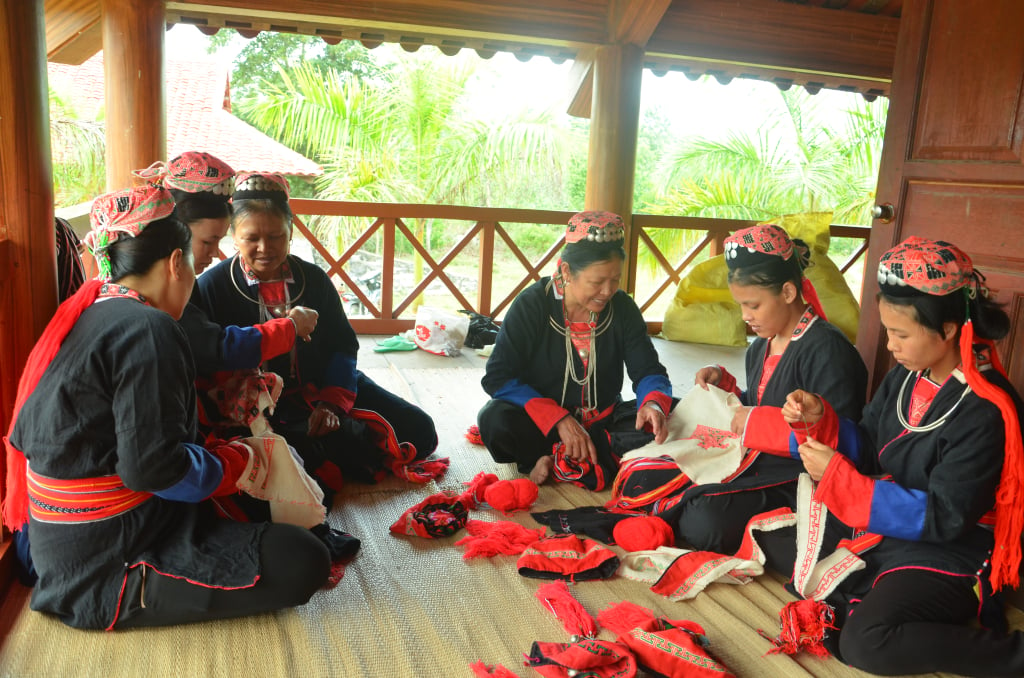
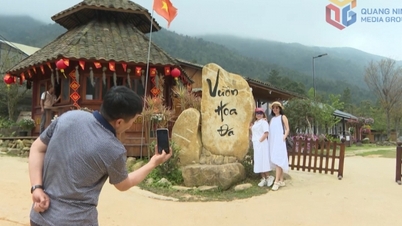
Over the past period, the province has consistently focused on directing, reviewing, establishing, managing, and implementing general planning to ensure it serves the cause of socio-economic development. According to statistics from the Department of Culture and Sports, currently 13 out of 13 district-level localities have basically allocated land for the construction of cultural and sports facilities. 100% of industrial zones in the province have planned a portion of land for cultural and sports facilities. 118 out of 177 communes, wards, and towns have planned land for the construction of cultural and sports facilities; 75 out of 177 communes, wards, and towns have cultural houses; 103 communes and wards have established commune-level cultural and sports centers; and 1,448 out of 1,452 villages and hamlets have cultural houses. The province is currently developing cultural facilities associated with community tourism such as the Dao ethnic village in Po Hen hamlet, Hai Son commune (Mong Cai). Tay ethnic village in Ban Cau, Luc Hon commune and San Chi ethnic village in Luc Ngu hamlet, Huc Dong commune (Binh Lieu), San Diu ethnic village in Voong Tre hamlet, Binh Dan commune (Van Don).
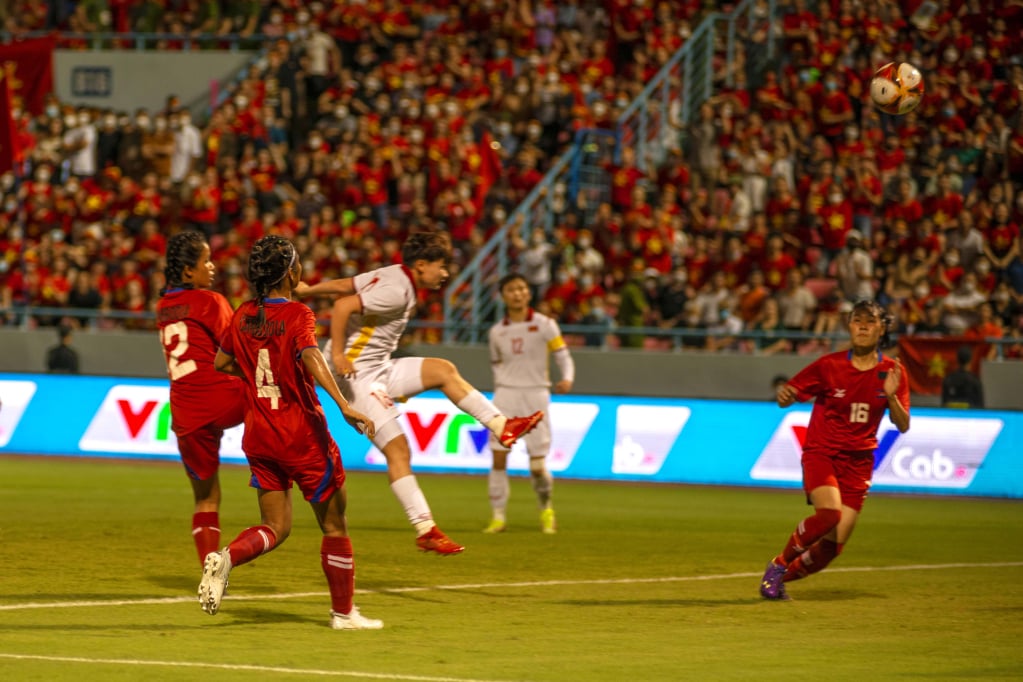
The system of cultural and sports facilities has been developed comprehensively from the provincial level to the grassroots. Several key cultural and sports facilities of national significance include: the Provincial Museum and Library, the Quang Ninh Sports Complex, the Planning, Fair and Exhibition Center, the Provincial Youth and Children's Cultural Center, the Cam Pha Stadium, etc. These cultural and sports facilities have been invested in on a large scale, featuring modern architecture, creating cultural focal points, preserving cultural values, and serving as venues for many major cultural and sports events of the province, while also serving the people and tourists.
The province has established Communication and Culture Centers in all 13 districts, towns, and cities. Twelve out of 13 localities have received investment for the construction and renovation of existing district-level Culture and Sports Centers. The province has 10 football fields, including one meeting standard requirements (Cam Pha Stadium), two swimming pools in Ba Che District and Dong Trieu Town, nine training and competition facilities, and 13 district-level libraries. In addition to the Provincial Museum, there is also the Bach Dang Museum and the Northeast Ethnic Groups Culture Center.
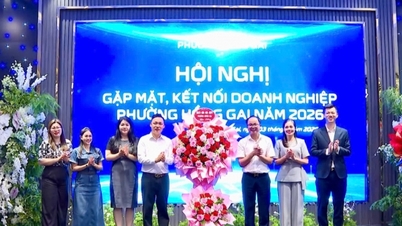
Along with budget investment, the socialization of cultural and sports facilities has achieved certain results. Many businesses have boldly invested in, sponsored, and participated in organizing cultural and artistic activities and sports competitions, contributing to improving the cultural and spiritual life of the people. The increasing number of cultural and sports facilities built by businesses and private individuals has basically met the needs of the people, such as: football fields of coal companies, golf courses in Tuan Chau and FLC, CGV cinemas, amusement parks of Ha Lan Co., Ltd. (Dong Trieu), Tan Viet Bac Joint Stock Company (Quang Yen), and Green Star Joint Stock Company in Cam Pha. In addition, there are 4 movie theaters, 18 tennis courts, 144 swimming pools, and 133 artificial turf football fields… built by businesses and private individuals, further enriching the system of cultural and sports facilities. The Vietnam Coal and Mineral Industry Group has also built 41 facilities in Quang Ninh, including stadiums, artificial turf mini-football fields, tennis courts, table tennis and badminton training centers, and workers' recreation centers, with an investment of over one hundred billion VND.
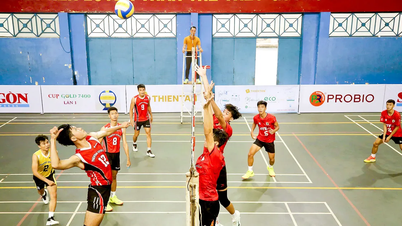
Based on this, the Provincial People's Committee has reformed the management mechanism, decentralizing management responsibilities to agencies and units, and implementing partial and 100% financial autonomy for recurrent expenditures for agencies assigned to manage and operate cultural and sports facilities, in order to promote initiative and creativity and maximize the effectiveness of these facilities after investment. The organization of activities through the province's cultural and sports facilities and infrastructure has seen significant improvements, including the organization of many major cultural and sports events. From 2018-2022, the Quang Ninh Sports Complex hosted 25 international and 57 national competitions, attracting 50,000 spectators. The Planning, Fair and Exhibition Center organized major events such as: trade fairs, international music festivals, international circus festivals, the Three Regions Circus Gala, the National Conference on the Development of the Red River Delta, and major music events.
At the district level, management and operation of cultural and sports facilities have received attention and have initially proven effective. On average, 10 to 14 sports events and competitions are organized annually per district, town, or city; cultural and artistic activities organized by local departments and organizations are vibrant and attract a large number of participants of all ages and backgrounds. Generally, the system of cultural and sports facilities at the commune level has established management boards, assigning responsibility to commune-level cultural officials; activities mainly serve meetings, political events, and cultural activities at the grassroots level. Village and neighborhood cultural centers play an important role as venues for community and people's organizations in residential areas.
Source
![[Photo] Prime Minister Pham Minh Chinh receives the Chinese Ambassador to Vietnam](https://vphoto.vietnam.vn/thumb/1200x675/vietnam/resource/IMAGE/2026/04/05/1775397481797_ndo_br_dsc-5512-jpg.webp)









































Comment (0)