

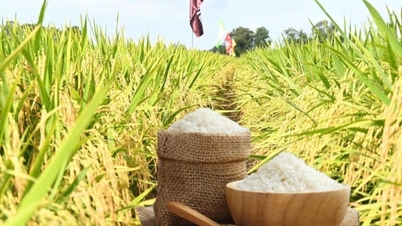
India's rice export ban has prompted global markets to prepare for similar actions from other countries to avoid potential domestic rice shortages as sellers attempt to fill the 10 million ton gap left by New Delhi, raising concerns about already high global food inflation.
Analysts say India's latest restrictions are very similar to those it imposed in 2007 and 2008, which triggered a domino effect as many other countries were forced to restrict exports to protect domestic consumers.
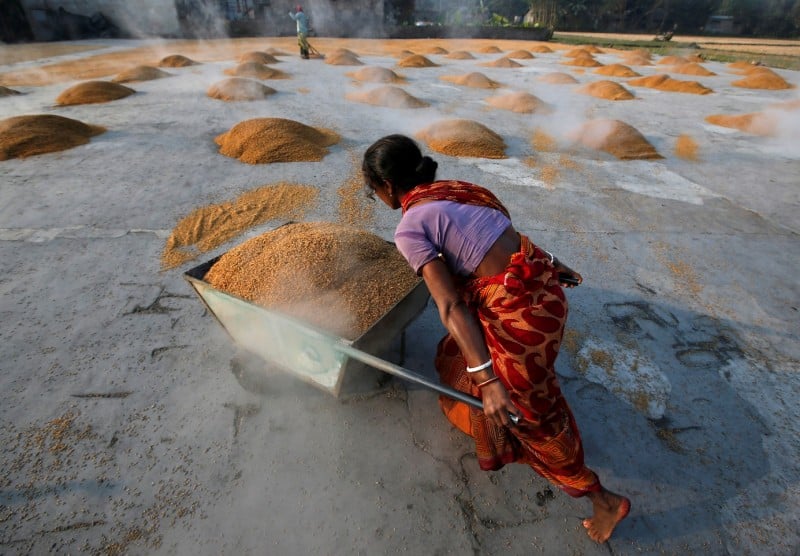 |
This time, the impact on supply and prices could be even more far-reaching, as India now accounts for over 40% of global rice trade compared to around 22% 15 years ago, putting pressure on rice-exporting nations like Thailand.
India is now far more important to the rice trade than it was in 2007 and 2008. India's ban then forced other exporters to implement similar restrictions.
Even now, they have few options other than reacting to the markets. The impact on the price of the world's most consumed food commodity has been rapid, reaching a 15-year high, after India surprised buyers last month by imposing a ban on the sale of widely consumed non-basmati white rice.
New Delhi restricted supplies of lower-quality broken rice in 2022. Analysts and traders said the limited supply risked driving up rice prices and global food inflation, impacting poor consumers in Asia and Africa. Food importers are struggling with scarce supplies due to erratic weather and disruptions to shipping across the Black Sea.
Nitin Gupta, Senior Vice President of Olam Agri India, one of the world's leading rice exporters, said: Thailand, Vietnam and other exporting countries are ready to step up the game, all aiming to close the gap stemming from India's shortage.
However, a limitation remains in expanding export potential. This limitation could pave the way for price increases, reminiscent of the significant price surge we witnessed in 2007-2008.
In 2008, rice prices reached a record high of over $1,000 per ton after India, Vietnam, Bangladesh, Egypt, Brazil, and other smaller producers restricted exports.
This time, rice exporters will be unable to increase exports by more than 3 million tons per year as they try to meet domestic demand amid limited supply. Thailand, Vietnam and Pakistan, the world's second, third and fourth largest exporters respectively, said they were keen to boost sales due to increased demand for their crop following India's ban.
Both Thailand and Vietnam have emphasized that they will ensure that domestic consumers are not harmed by increased exports.
The Pakistan Rice Exporters Association (REAP) says the country is recovering from last year's devastating floods and could export between 4.5 million and 5.0 million tonnes from the current year's 3.6 million tonnes. However, it is unlikely the country will allow unlimited exports amid double-digit inflation.
Global prices have risen by around 20% since India's ban. According to traders at international trading firms, a further 15% increase could be triggered by restrictions in Thailand and Vietnam.
The question isn't whether they will restrict exports, but how much they will restrict and when they will implement those measures. Rice prices in Thailand and Vietnam have surged to 15-year highs as buyers flocked to purchase shipments to offset the drop in Indian exports.
Rice is the staple food for over 3 billion people, and nearly 90% of water-intensive crops are produced in Asia, where the arrival of dry El Niño weather threatens crops in major producing countries. Following below-normal rainfall in June and July, Thailand has advised farmers to limit the area planted with a second rice crop.
In India, the erratic distribution of monsoon rainfall has led to flooding in some northern rice-growing states, even as some eastern states lack the rain to begin planting.
The Indian Rice Exporters Association said that good monsoon rains are necessary for normal production, which would allow New Delhi to reverse its rice export ban. Only Indian supplies can restore balance to the global rice market.
Analysts at the International Grains Council (IGC) in London said it would depend on how long India's restrictions remain in effect. The longer the ban lasts, the more difficult it will be for other exporters to compensate for the shortfall.
Source link















































































Comment (0)