

The 2025 Red River Festival has concluded, but it has left many strong impressions of vibrant cultural events, most notably the cultural space of the ethnic groups of Lao Cai – becoming a highlight attracting tourists. From the indigo-colored dresses of the Pa Di people, the linen fabrics of the Mong people, to the meticulous embroidery of Dao women... not only honor traditional beauty but also bring a new breath of life to ancient crafts.
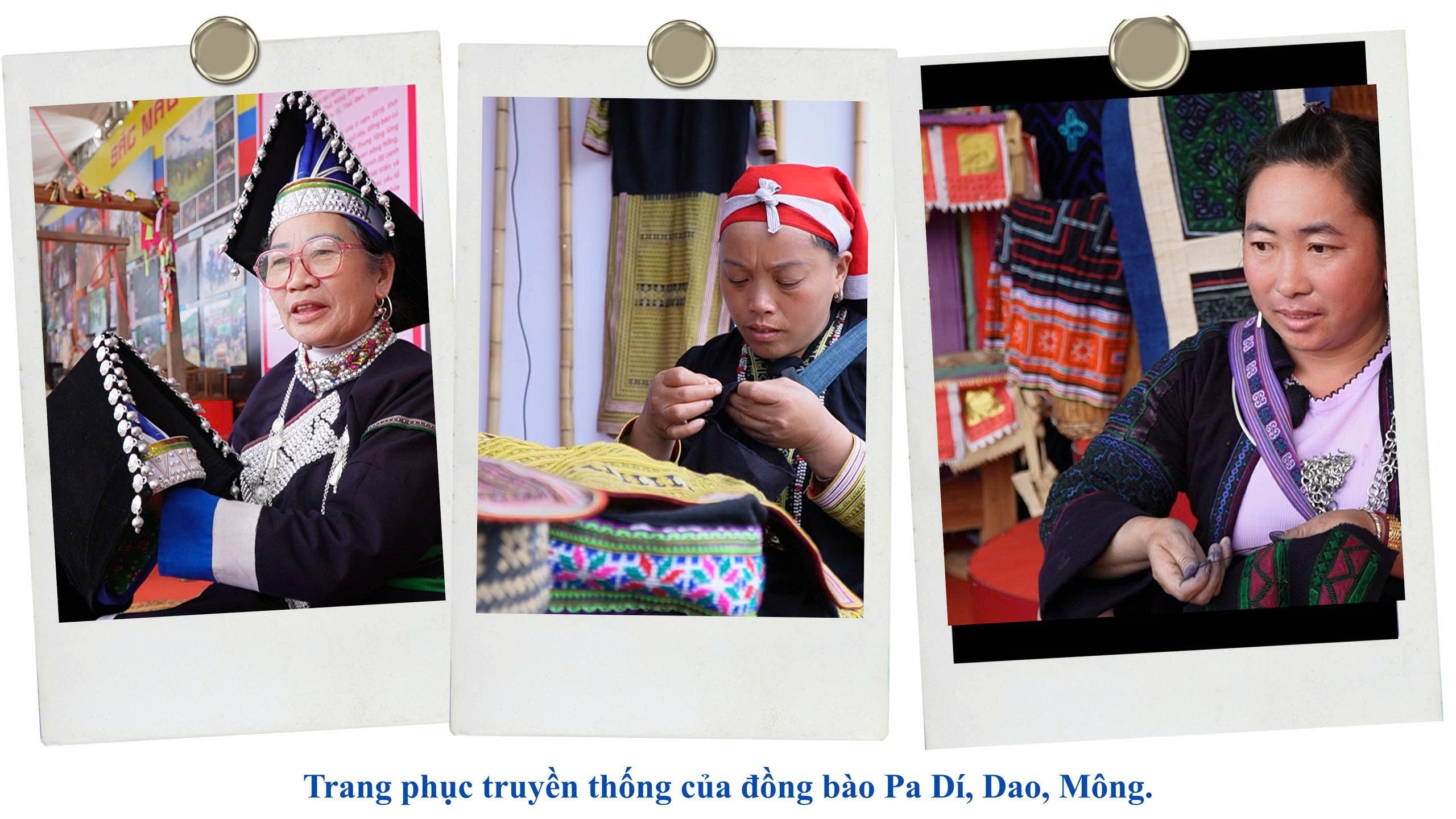
Clothing tells the story of our origins.
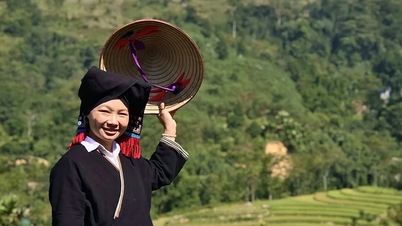
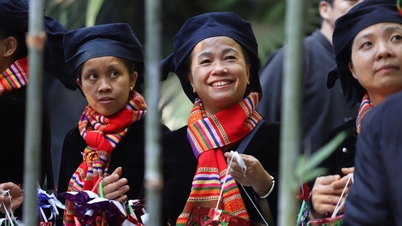
Amidst the vibrant costumes of the highland ethnic groups, the attire of the Pa Dí people in Mường Khương stands out with its dominant indigo color scheme and the delicate beauty of tiny silver buttons.
Although only about 2,000 Pa Dí people live in Lào Cai, their traditional clothing is a unique cultural treasure.
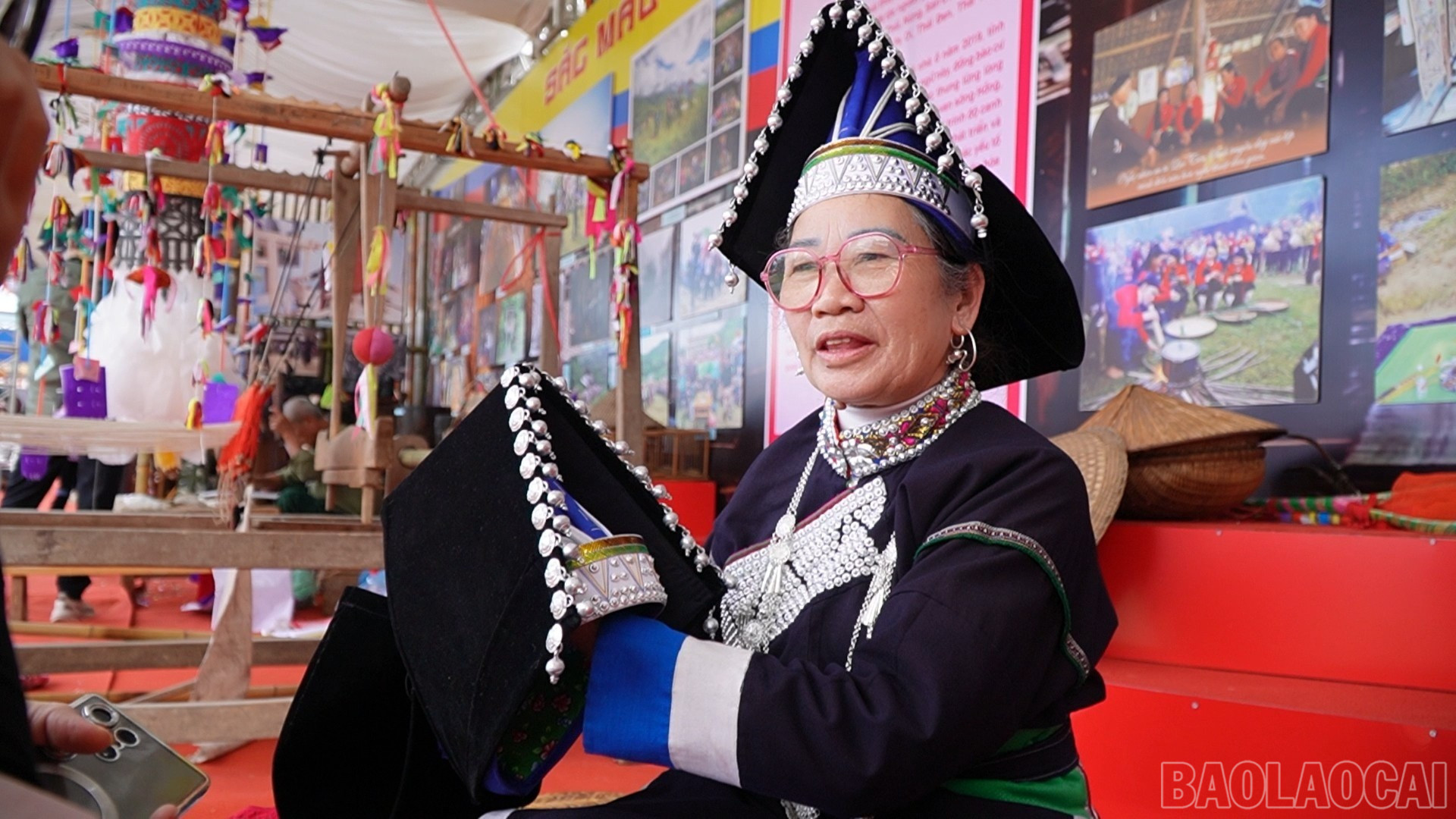
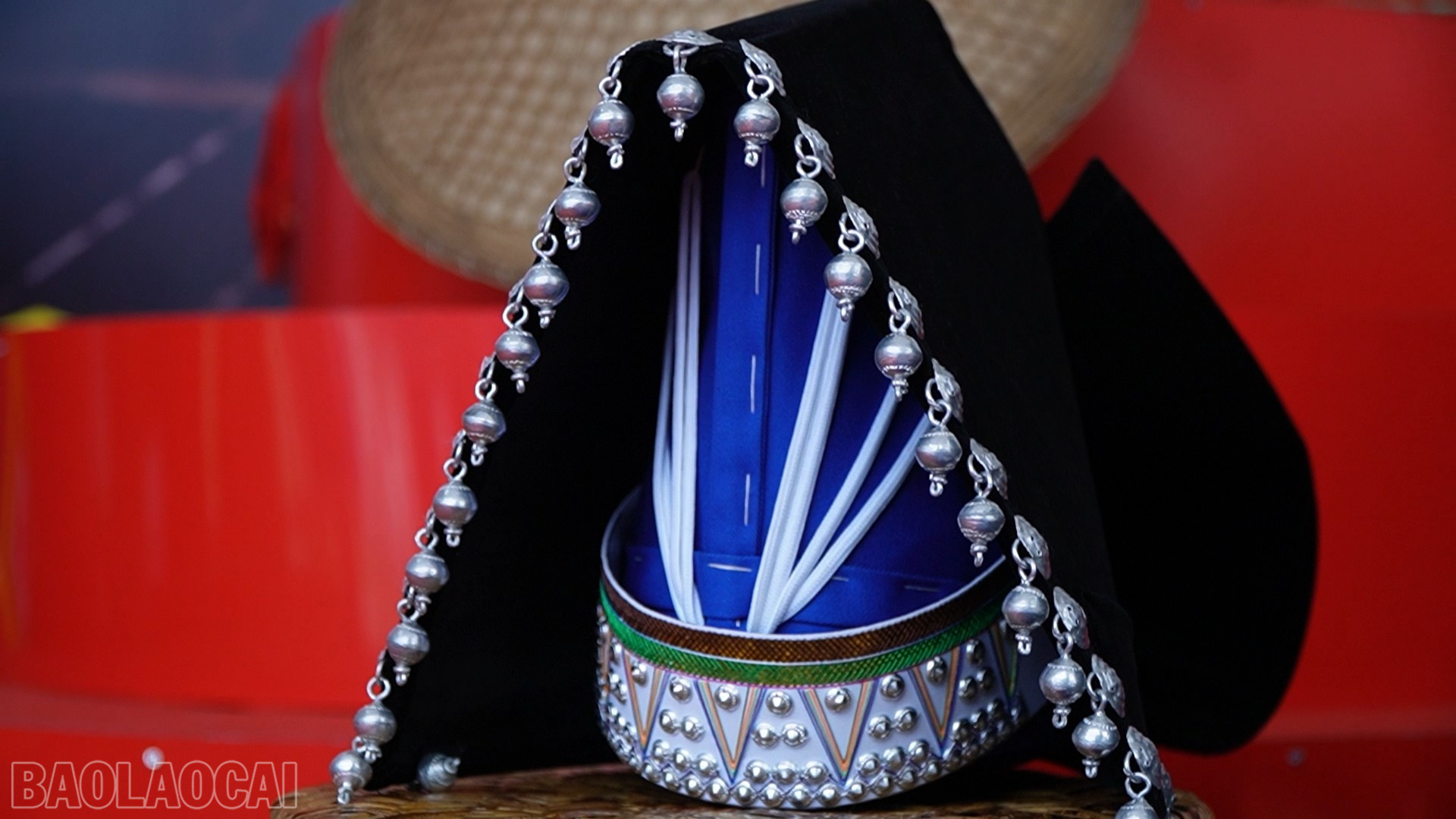
The most important symbol is the "crazy" hat, modeled after the traditional large roof.
Traditionally, the Pa Dí people live together in extended families. When their children and grandchildren start their own families, they create the hat as a symbol of unity and a reminder of their roots.
The Pa Dí women's blouse is form-fitting, with a slit at the armpit and buttons on the right side; the silver button pattern runs diagonally from the neck down to the hip, creating an elegant look.
The ankle-length dress, paired with an indigo apron with white trim, creates a harmonious overall look.
From stiffening their hats with resin from forest trees to creating shapes from more durable materials, the Pa Dí people adapt their clothing to suit modern life.
As a result, the outfit can be worn at festivals and events, as well as in the daily lives of people of all ages.
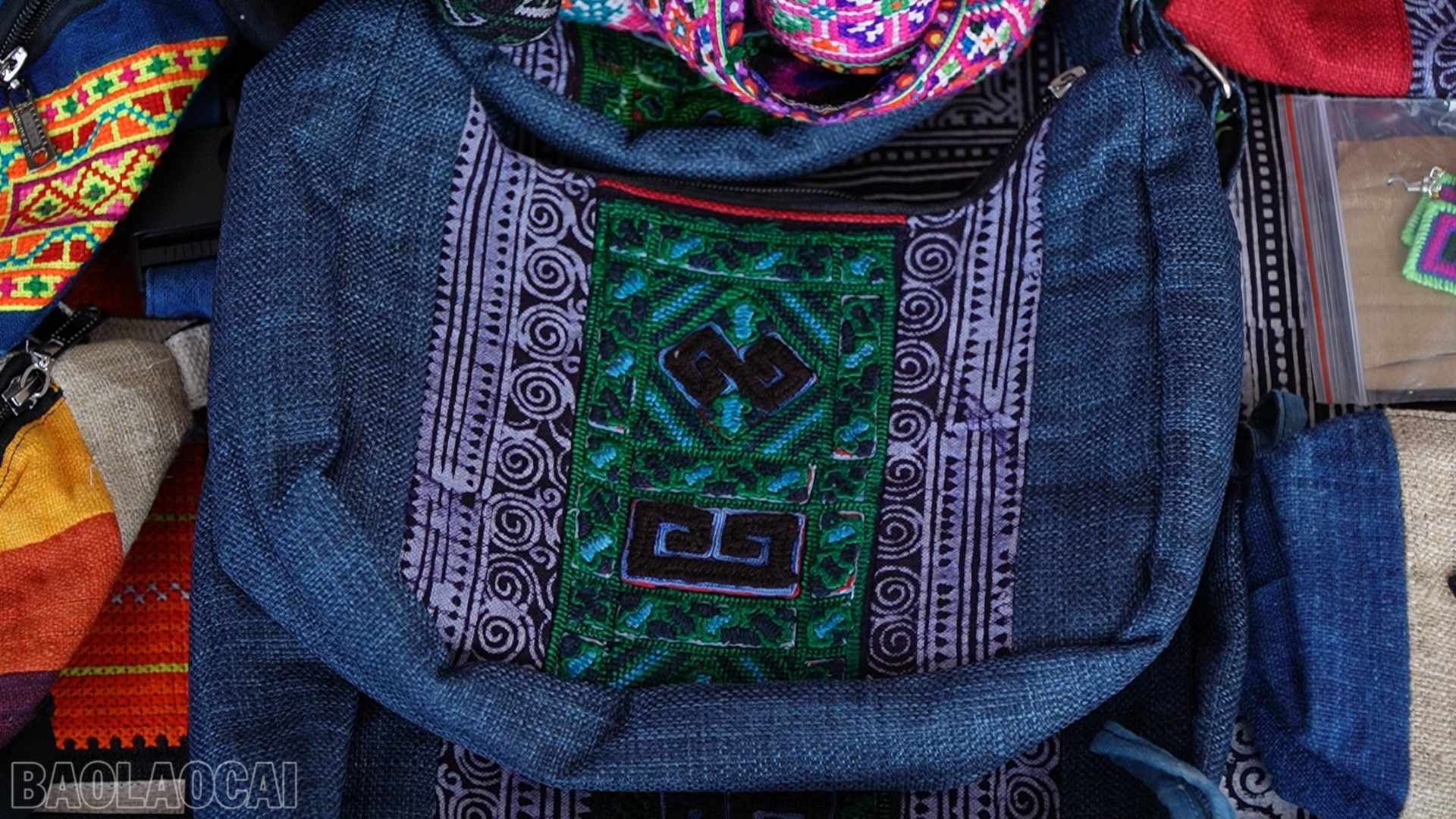
The unique embroidery patterns on the Hmong people's clothing.
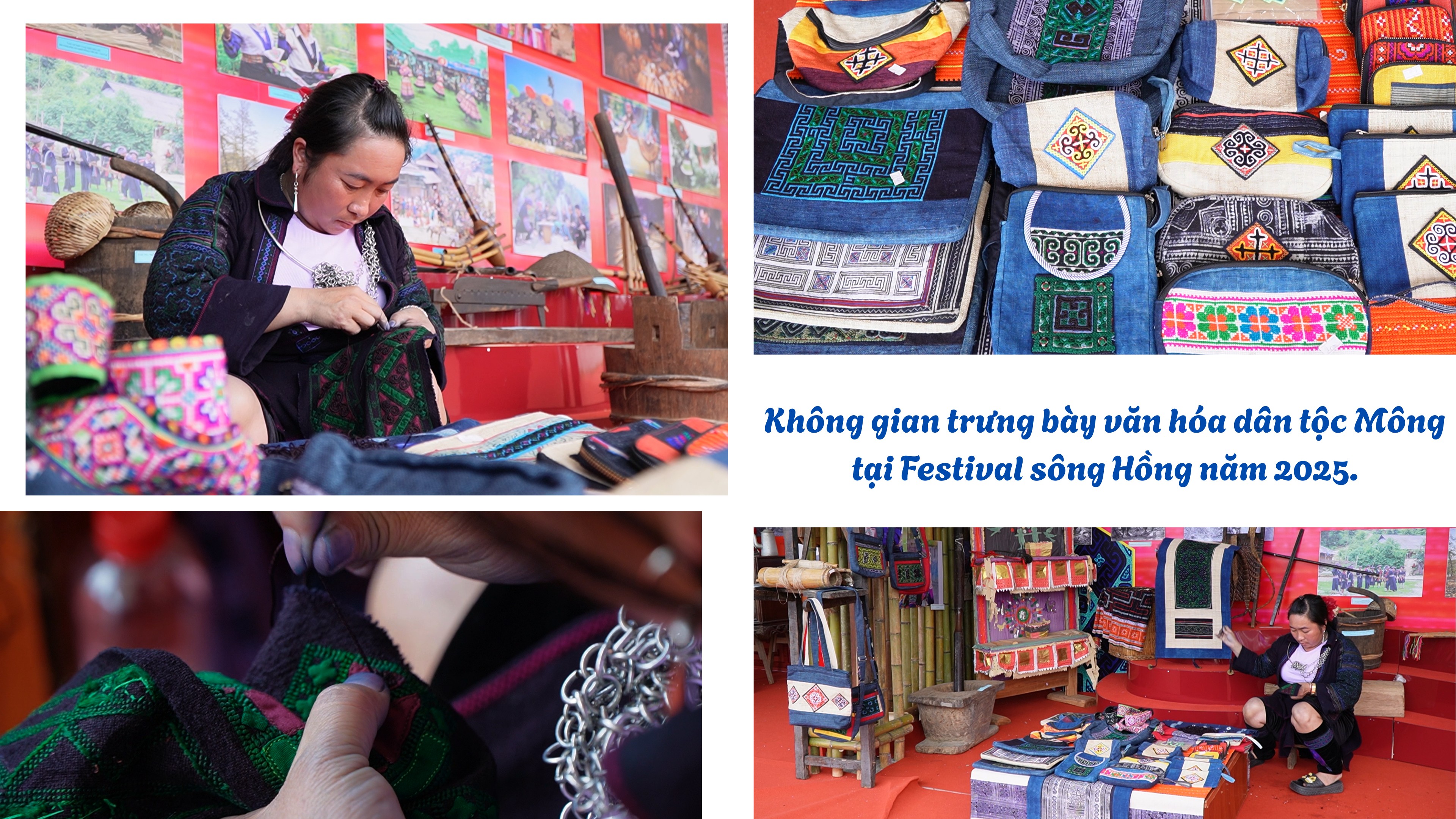
In the Hmong ethnic culture exhibition space, Ms. Vang Thi My from Ta Phin commune meticulously embroiders tiny stitches, like dewdrops, on a linen fabric. To create this fabric, the Hmong people must go through many elaborate steps: growing flax, pounding flax, spinning yarn, weaving, dyeing with indigo, and only then embroidering the patterns.
Ms. Vang Thi My from Ta Phin commune recounted: "In the past, we only embroidered with red and yellow threads on a dark blue-black fabric. Now, we add purple and blue threads to make the products more colorful, catering to the needs of tourists ."
Handbags, wallets, and scarves made from brocade fabric are now being created with many new styles and a wider variety of designs.
But behind this innovation lies the concern of many who cherish traditional culture, like Ms. My. Because to complete the embroidery of a Hmong woman's dress, it can sometimes take a whole year...
People like Ms. My not only preserve the craft but also the memories of their ethnic group, ensuring that the flax industry remains uninterrupted in the flow of modern life.
The Red Dao people preserve their soul in every pattern.
While the brocade of the Hmong ethnic group carries the powerful spirit of the mountains and rocks, the patterns of the Red Dao people are an epic poem about nature and family.
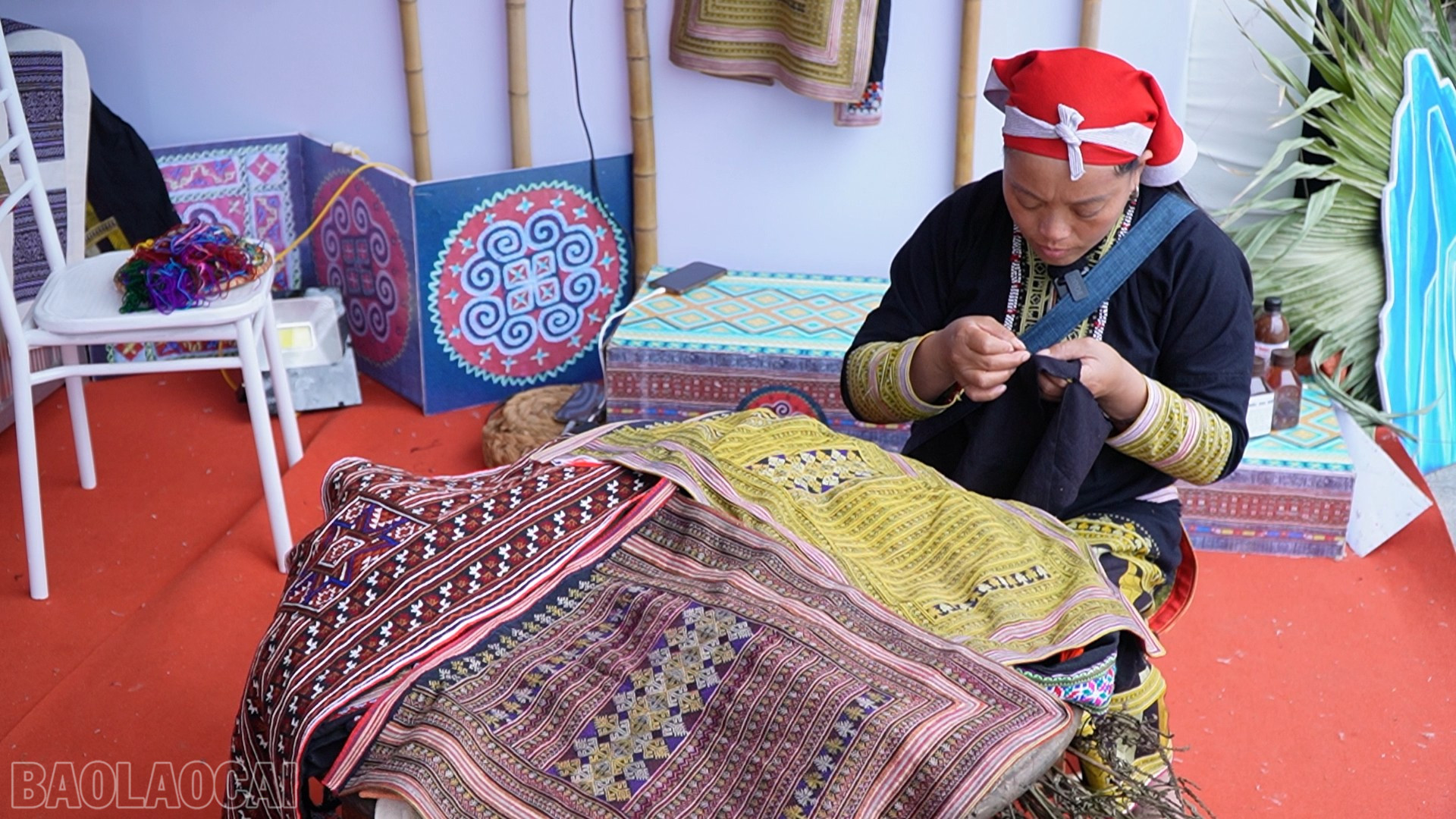
In the exhibition of Dao ethnic brocade, Ms. Ly Ta May, a Red Dao woman from Ta Phin commune, introduced visitors to an ancient embroidery piece that fully embodies the ethnic group's auspicious motifs.
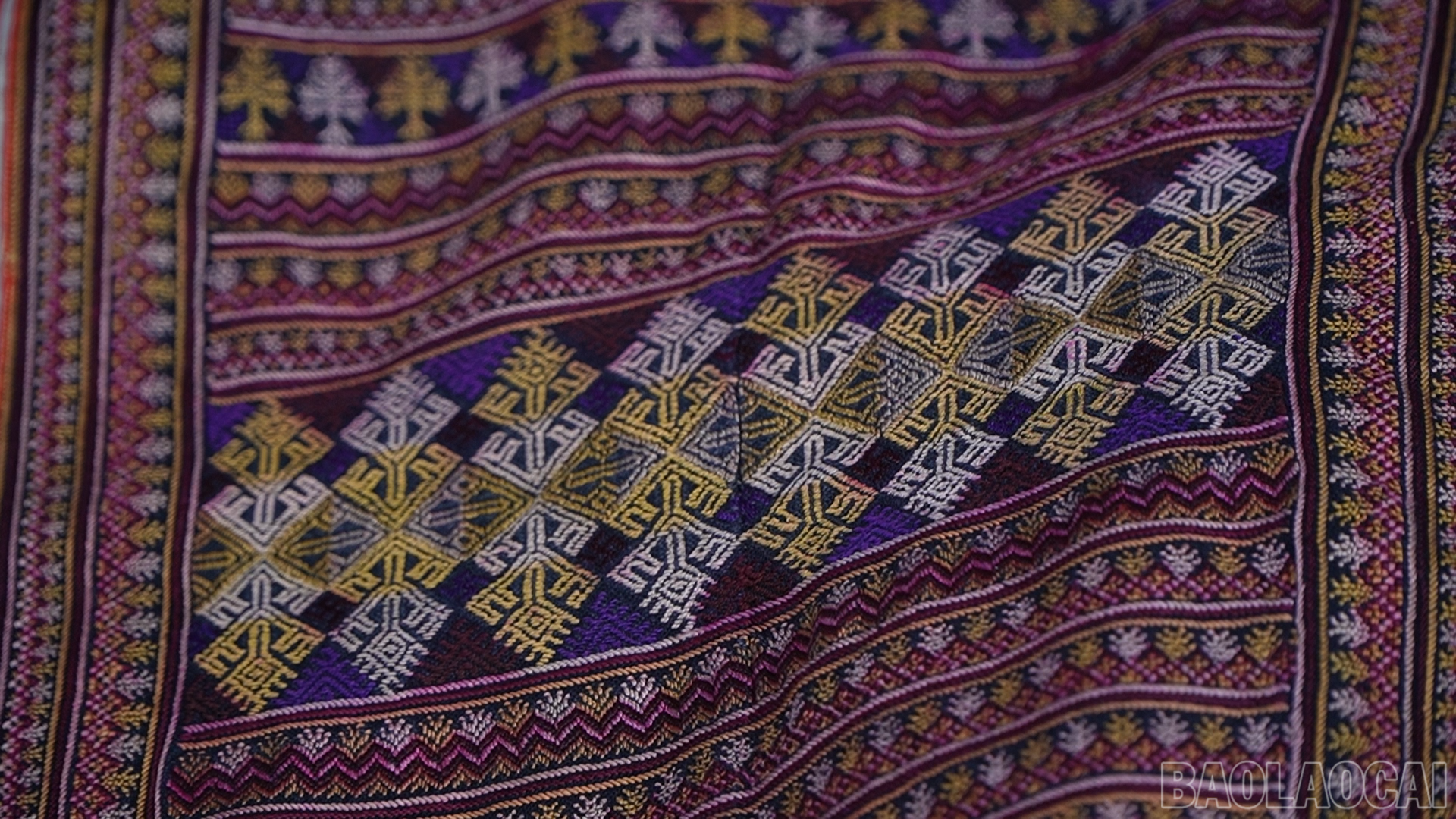
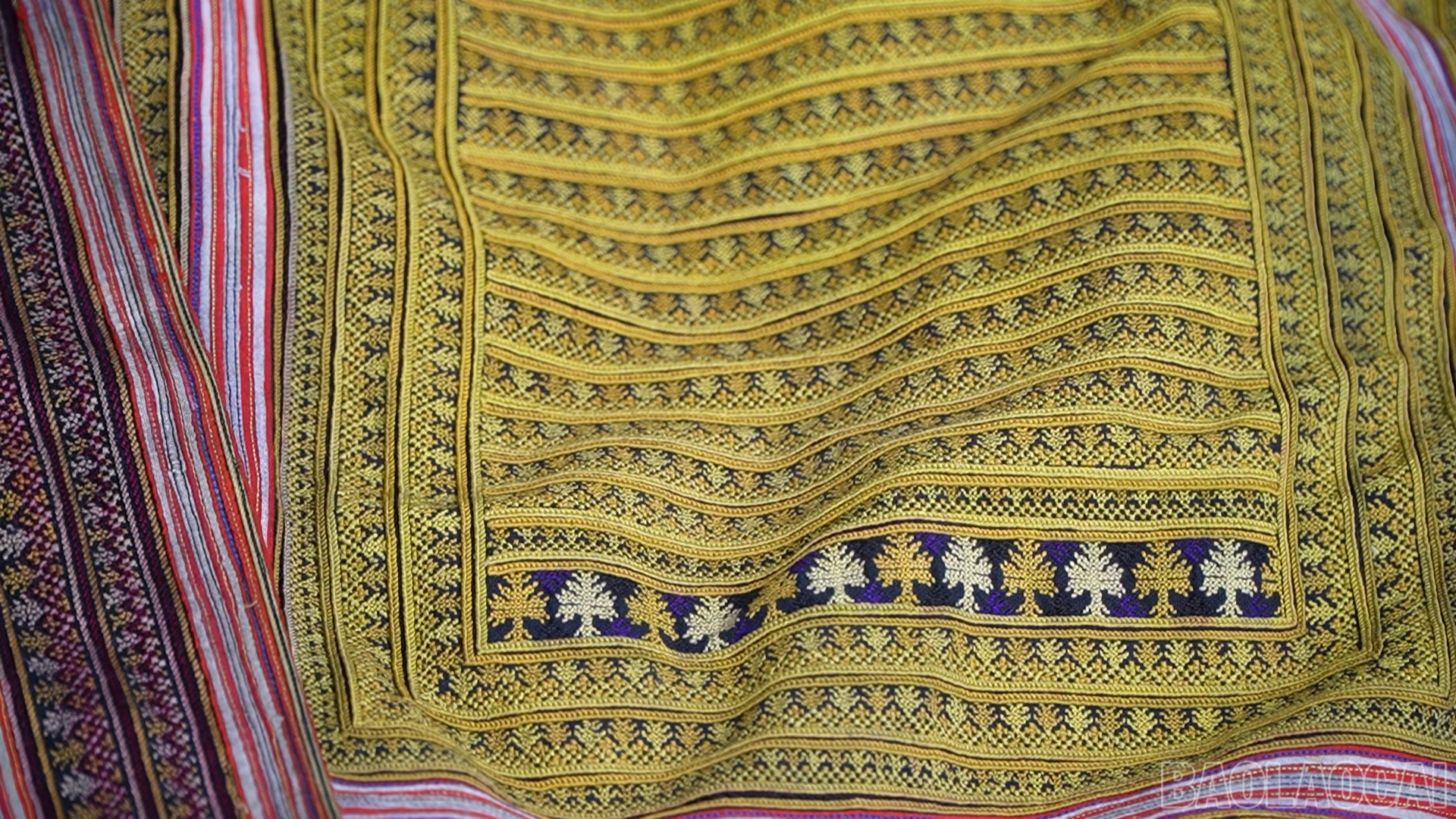
From images of pine trees symbolizing enduring vitality, cat paws representing agility, images of parents and children signifying family reunion, and terraced fields reminiscent of mountain farming lifestyles... all are meticulously embroidered onto each piece of fabric by Dao ethnic women.
Embroidery techniques have remained virtually unchanged over generations, but the materials have. Today, commercially available embroidery threads are thinner and brighter, making them easier to embroider, but they are not as colorfast as naturally dyed threads.
"To create a traditional Dao ethnic dress, it takes a whole year of embroidery. Nowadays, many young people go to school and then work, so they don't have time to sit and embroider each stitch anymore," Ms. May confided.
However, it is the perseverance of the long-time artisans that has helped preserve the traditional craft. In each costume brought to the festival, even with adjustments to the color or lines to suit the stage lighting, the soul of the craft remains intact.
The biggest change in the traditional brocade weaving craft of ethnic minorities in Lao Cai lies not only in the products themselves but also in how young people are bringing these products beyond their villages.
Thanks to them, Lao Cai brocade is no longer just a "specialty" for holidays and festivals, but has become a competitive cultural product.
The new vitality of traditional crafts
The new breath of life in traditional crafts is not about destruction, but about a harmonious process of preservation and innovation.
The Pa Dí people have modernized their hats while preserving their traditional roofs. The Hmong people have added new colors but haven't lost their ancestral patterns. The Dao people have made their threads thinner but still retain the story behind each pattern.
Even more encouraging is that young people are not turning their backs on the profession, but are finding ways to tell the story of their nation in the language of the times.
Source: https://baolaocai.vn/hoi-tho-moi-trong-nghe-xua-post888623.html

![[Photo] General Phan Van Giang welcomes Chinese Defense Minister Dong Jun.](https://vphoto.vietnam.vn/thumb/1200x675/vietnam/resource/IMAGE/2026/03/18/1773808281415_giao-luu-bien-gioi-vntq-lan-10-6829-5690-jpg.webp)











































Comment (0)