Heritage from the community
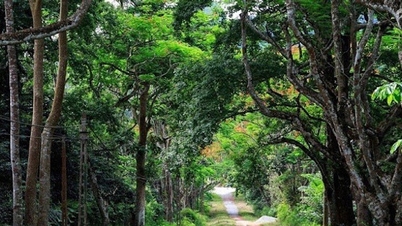
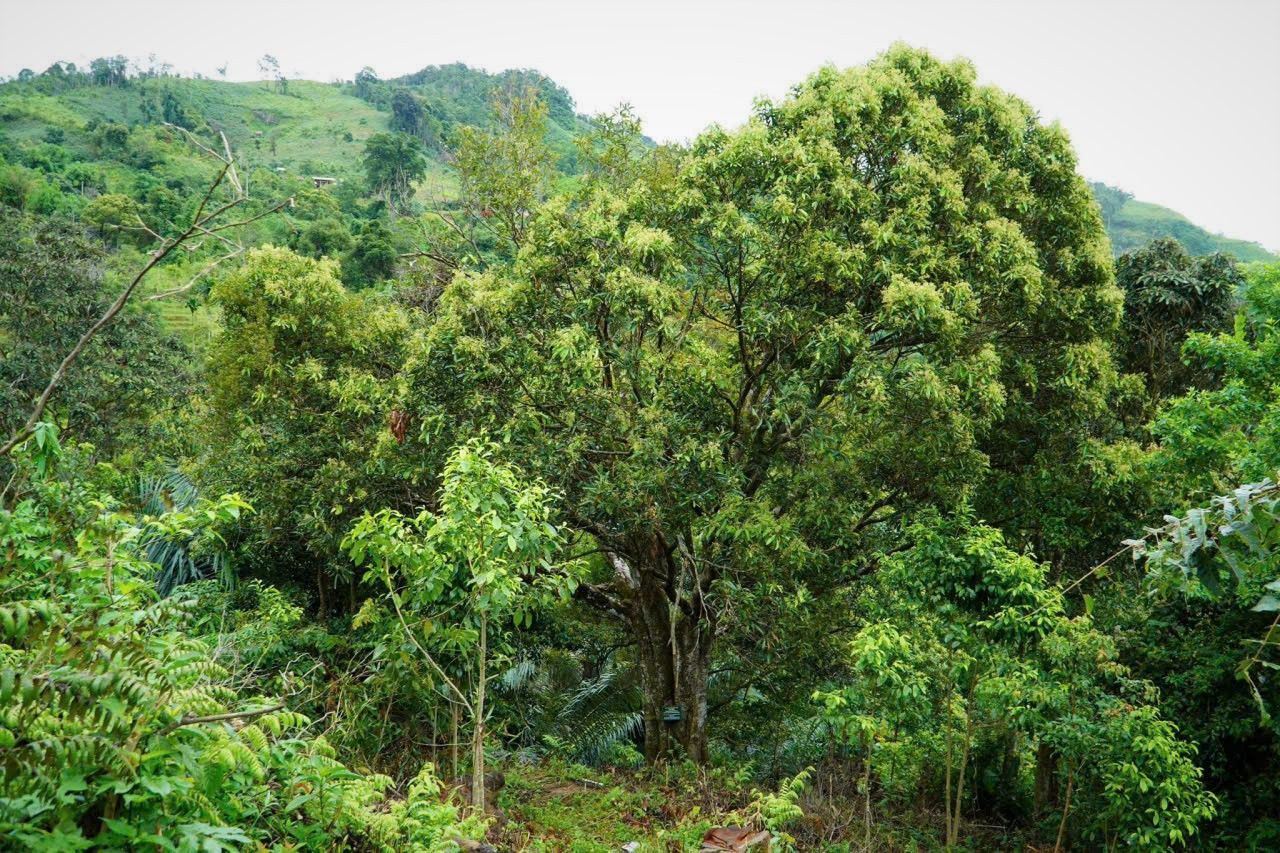
After the rain, the cinnamon forest at Ong Ni peak becomes even greener at the foot of Ngoc Linh mountain. Ancient cinnamon trees reach high into the forest, their gnarled trunks covered in green moss, their wide canopies obscuring the sky. On the ground, a thick layer of fallen cinnamon leaves forms a humus carpet. With each gentle breeze, the scent of cinnamon from the trees permeates the cool forest air.
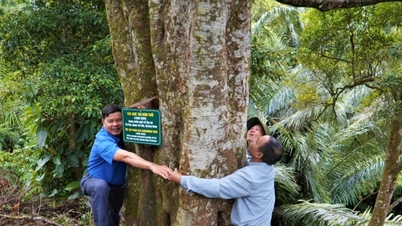
Gradually, a majestic, ancient cinnamon tree appeared before us. We crossed the mountain slope to reach the base of the tree, which is over 160 years old and has been preserved by the local people. They call it "Grandpa Cinnamon," a familiar name in their community life, considered a treasure of the mountains and forests. "Grandpa Cinnamon" has a large trunk, thick bark, and a wide canopy, and it continues to thrive despite many weather changes.
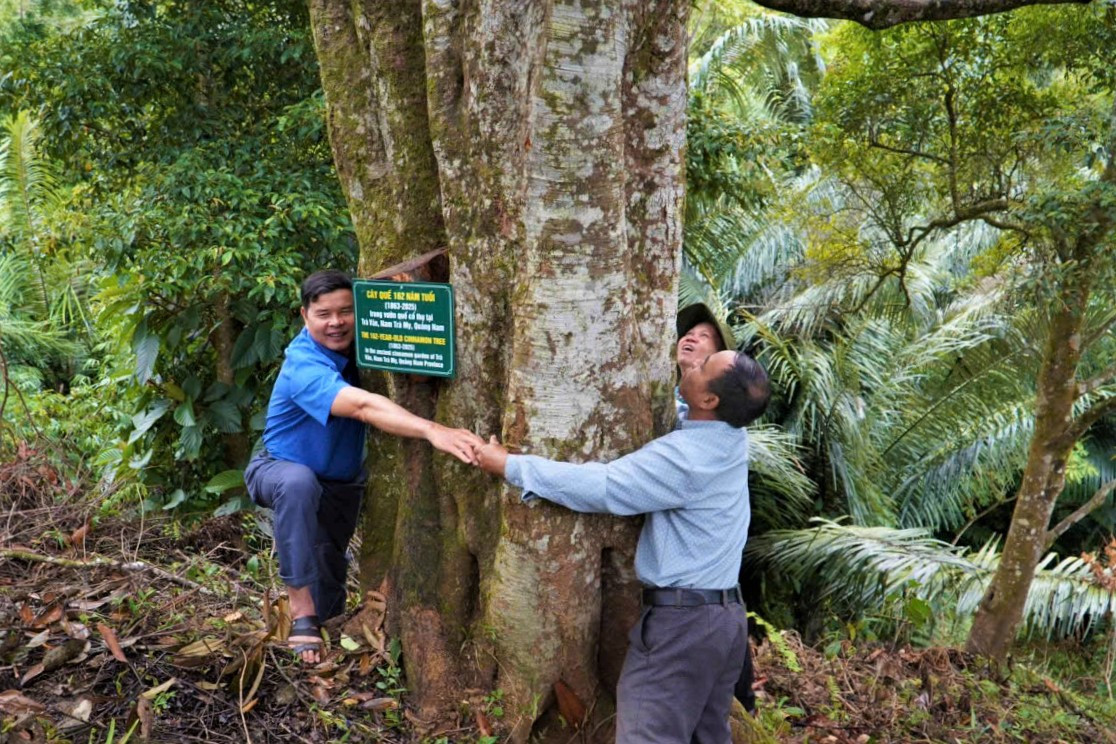
According to Mr. Nguyen Dinh Quy, Head of Village 2, the Ca Dong people consider cinnamon a precious gift from the mountains and forests, and therefore are always conscious of preserving it. In the ancient cinnamon forest, people do not strip the bark for harvesting like commercially grown cinnamon, but only collect the seeds to grow seedlings. From the seeds of the "ancient cinnamon trees," thousands of descendant cinnamon trees have been propagated and planted in the forests, contributing to maintaining the valuable genetic resources of the Tra My cinnamon variety.


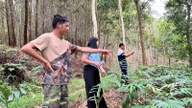
"Protecting the ancient cinnamon trees has also been established as a village custom. Violators are fined, required to replant many more cinnamon trees, or forced to participate in village labor and sanitation for several days, sometimes half a month to a month. Thanks to this, the cinnamon forest is preserved, and the people's awareness of caring for and preserving the community's heritage is further enhanced," Mr. Quy shared.
In September 2025, the Ong Ni cinnamon tree was recognized as a Vietnamese Heritage Tree by the Vietnam Association for Nature and Environment Protection. This recognition affirms the value of an ancient cinnamon tree and the community's efforts in preserving it, contributing to the conservation of precious genetic resources, the preservation of ecological landscapes, and cultural values associated with nature at the foot of Ngoc Linh mountain.
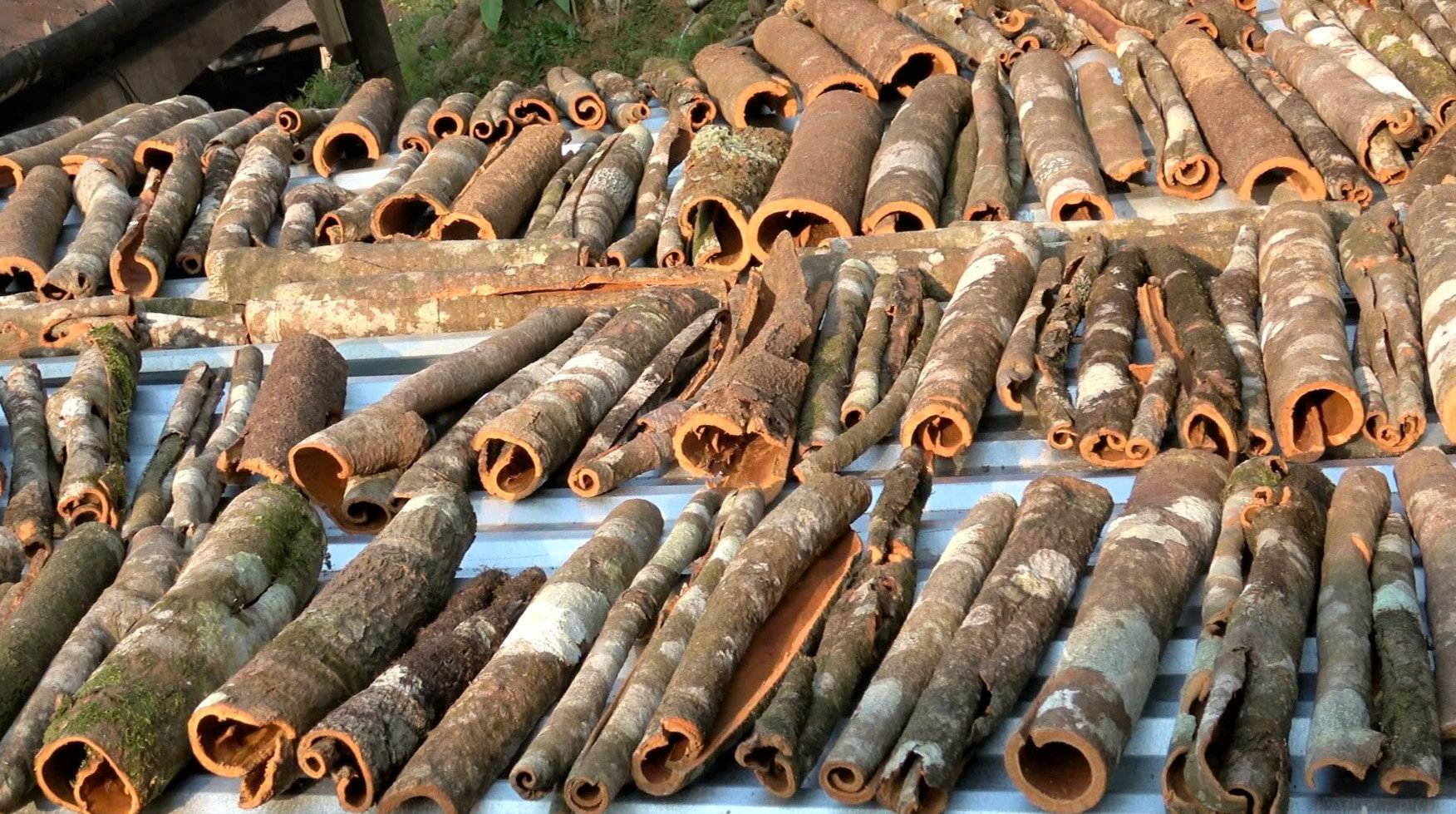
Following the scent of cinnamon that wafts far and wide.
Trà My cinnamon was once a trademark of the Central region of Vietnam. Following the footsteps of trading caravans, this rare cinnamon left the Ngọc Linh mountain range, descended to the plains, and then crossed the sea to many markets in Asia and Europe, becoming an important source of medicinal ingredients in medicine and cuisine . From then on, "High Mountain Jade Cinnamon" became a hallmark of this region's products, which once held a prominent position on the trade map of Quảng Nam province.
In the memory of Mr. Dinh Muok, former Chairman of the Ngoc Linh Mountain Ginseng and Tra My Cinnamon Association, the journey of cinnamon from the Tra My region down to the plains was once associated with winding forest paths. The Ca Dong, Xo Dang, and Mo Nong people carried cinnamon on their backs across large streams, following the Tranh River to merge with the Thu Bon and Vu Gia rivers, and then down to the Hoi An trading port. The high essential oil content caused cinnamon to burn when carried over long distances, so the carriers had to place banana leaves on their backs to reduce the burning sensation. From these hardships, a trade axis was formed connecting the mountainous region with the coastal region, bringing local products, people, and knowledge into the economic and cultural flow of Quang Nam province.
Today, Tra My cinnamon is recognized as a valuable ecosystem integrating nature, culture, science , and the market. This approach requires a shift in development thinking, moving from resource exploitation to conservation linked with innovation and multi-stakeholder collaboration. “It is necessary to preserve the indigenous characteristics of the Tra My cinnamon variety, limiting cross-breeding to ensure its medicinal properties and long-term value. Through field surveys, the Tra Leng area still retains a relatively pure cinnamon gene pool, widely distributed within the local community, which is of significant importance for conservation efforts,” Mr. Dinh Muok emphasized.



According to Chau Minh Nghia, Chairman of the People's Committee of Tra Leng commune, Tra Leng is the core area of Tra My cinnamon with a total area of over 2,000 hectares and an annual production of about 150 tons of cinnamon bark. The locality is prioritizing the preservation of genetic resources and the ecological space of the forest; at the same time, it considers cinnamon trees as an accumulated asset of the people, creating a foundation for economic development.
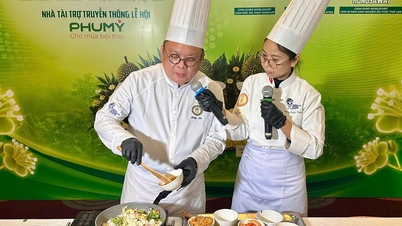
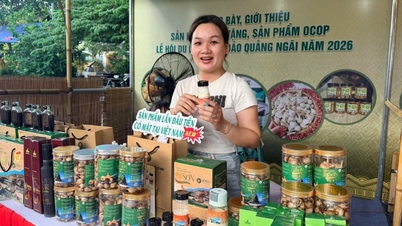
“In early July, we will hold the first cinnamon festival to introduce and promote the image of Tra My cinnamon in Tra Leng, affirming its value, brand, and development potential, and gradually building cinnamon into a distinctive product with its own local identity,” Mr. Nghia said.
Source: https://baodanang.vn/huong-que-tra-my-3342682.html