

Lao Cai possesses outstanding advantages in forest resources, biodiversity, and climatic and soil conditions for the development of non-timber forest products. By the end of 2025, the total forest area of the province is expected to reach over 865,000 hectares, with an estimated forest cover rate of 61.5%. This is an important foundation for the province to develop its forestry economy in a multi-value direction, in which non-timber forest products will play an increasingly prominent role.
By 2025, the entire province is expected to harvest approximately 400,000 tons of non-timber forest products, including 42,000 tons of dried cinnamon bark, 200,000 tons of cinnamon branches and leaves, 120,000 tons of fresh bamboo shoots, 5,000 tons of hawthorn, 1,600 tons of cardamom, and about 31,000 tons of other products.
The large output shows that non-timber forest products have much room for development into high-value industries. However, if the focus remains on selling raw materials, the value generated for the people and the locality will hardly match the potential.
Bat Do bamboo shoots are opening up opportunities for regional raw material supply linkages.
On the hillsides of Luong Thinh commune, the green of Bat Do bamboo shoots has covered barren land that was previously only suitable for corn and cassava. From an experimental crop, Bat Do bamboo shoots have now become a livelihood for many households as the raw material area expands and the product's output becomes more stable.
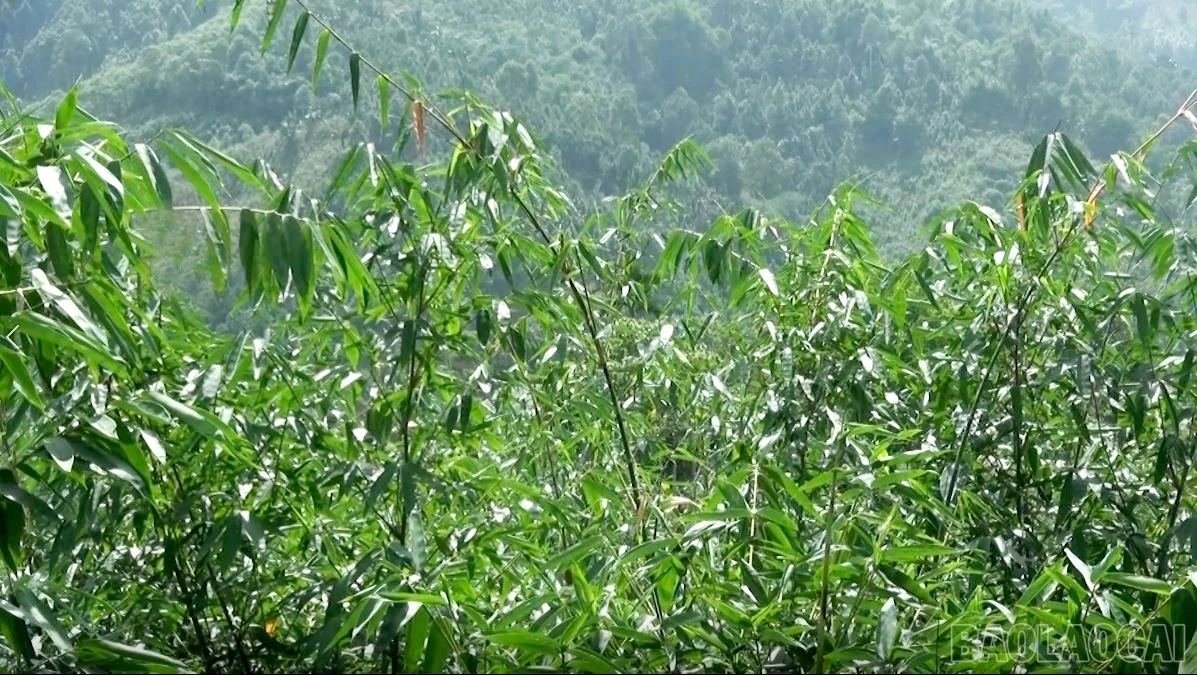
Mr. Vu Quang Khanh, from Quang Vinh village, said that having a stable purchasing factory has reassured the villagers, allowing them to confidently continue cultivating their land. Having been involved in bamboo cultivation for over 20 years, his family currently has about 2 hectares yielding a stable harvest. After deducting expenses, they earn approximately 50 million VND per year. With a stable market, he plans to plant over 4,000 new bamboo seedlings this season to expand his cultivation area.
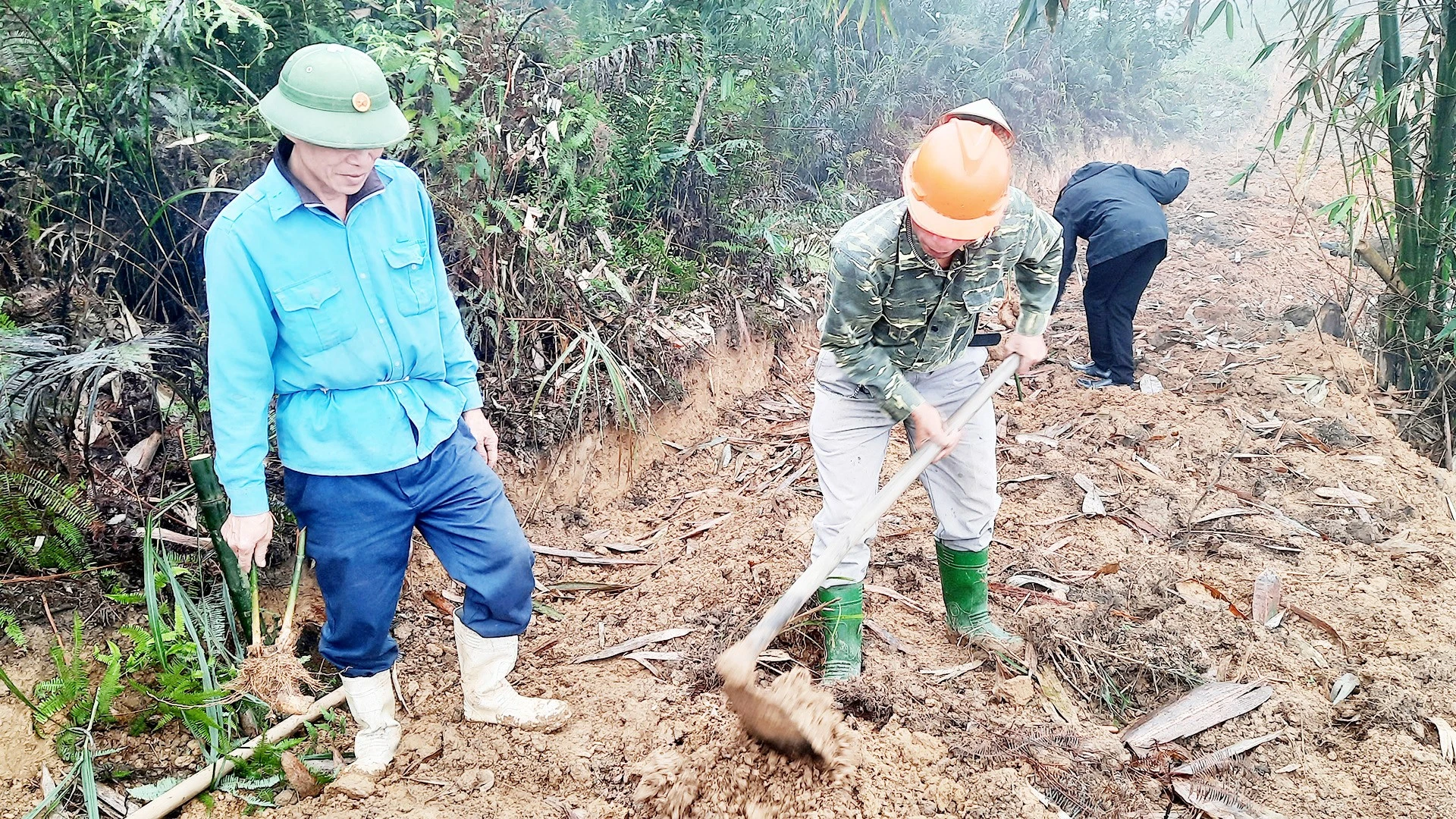
Many other households in Luong Thinh are also gradually shifting to cultivating Bat Do bamboo shoots instead of the short-term crops they previously grew. The entire commune currently has nearly 635 hectares of bamboo shoots and aims to increase this to over 1,000 hectares by 2030. The expansion of the area is no longer driven by a trend-following mentality, but by the proven economic efficiency of the bamboo fields that provide stable harvests.
In Hung Khanh commune, the model of collaboration between businesses and local people is showing clear effectiveness. Yamazaki Vietnam Co., Ltd. is currently one of the important consumption hubs for the local Bat Do bamboo shoot growing area. During the harvest season, fresh bamboo shoots from the communes are transported to the factory for processing, sorting, and packaging on the same day. The company has established dozens of purchasing points in the raw material area, consuming approximately 3,000-4,000 tons of Bat Do bamboo shoots from local people each year.
The emergence of purchasing, processing, and sorting facilities right in the growing areas has helped people change their production habits. Instead of just focusing on yield, many households have paid more attention to the harvesting time, bamboo shoot size, product quality, and post-harvest preservation requirements.
By the end of 2025, the entire province will have approximately 7,120 hectares of Bat Do bamboo, concentrated in the communes of Quy Mong, Hung Khanh, Luong Thinh, Viet Hong, Tran Yen, Yen Thanh, Cam Nhan, Muong Lai , Khanh Hoa, Luc Yen, Lam Thuong, etc. The fresh bamboo shoot production in 2025 is expected to reach over 100,000 tons.
Some product lines such as fermented pickled bamboo shoots, sour bamboo shoots, and dried shredded bamboo shoots for export have begun to find their way into demanding markets such as South Korea, Taiwan, and Japan through long-term procurement agreements with large companies such as Yen Thanh Joint Stock Company and Van Dat Limited Company.
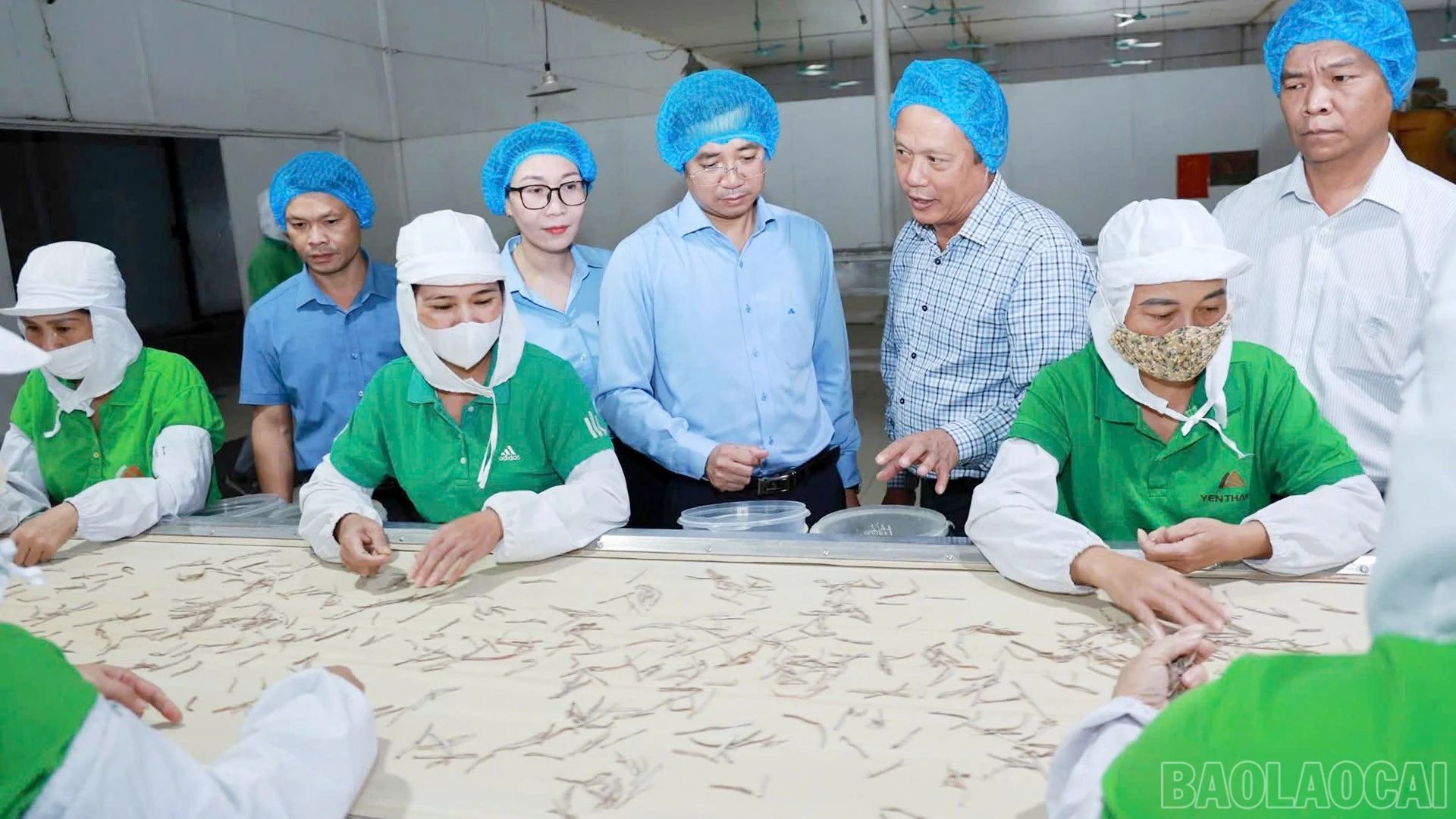
However, with Bat Do bamboo shoots, the majority of the value currently lies in the raw materials and initial processing. Less than 30% of fresh bamboo shoots are processed further, with the majority still consumed as raw materials or simply processed. This is also a common bottleneck for many non-timber forest product industries today: the raw material area is developing quite rapidly, but deep processing, post-harvest preservation, and market access have not kept pace.
Cinnamon, a medicinal herb, and the challenge of deep processing.
While Bat Do bamboo shoots highlight the role of regional raw material linkages, cinnamon and medicinal herbs further emphasize the challenge of retaining value after processing. These product groups possess significant advantages and the potential to participate more deeply in demanding markets if properly standardized from cultivation to processing.
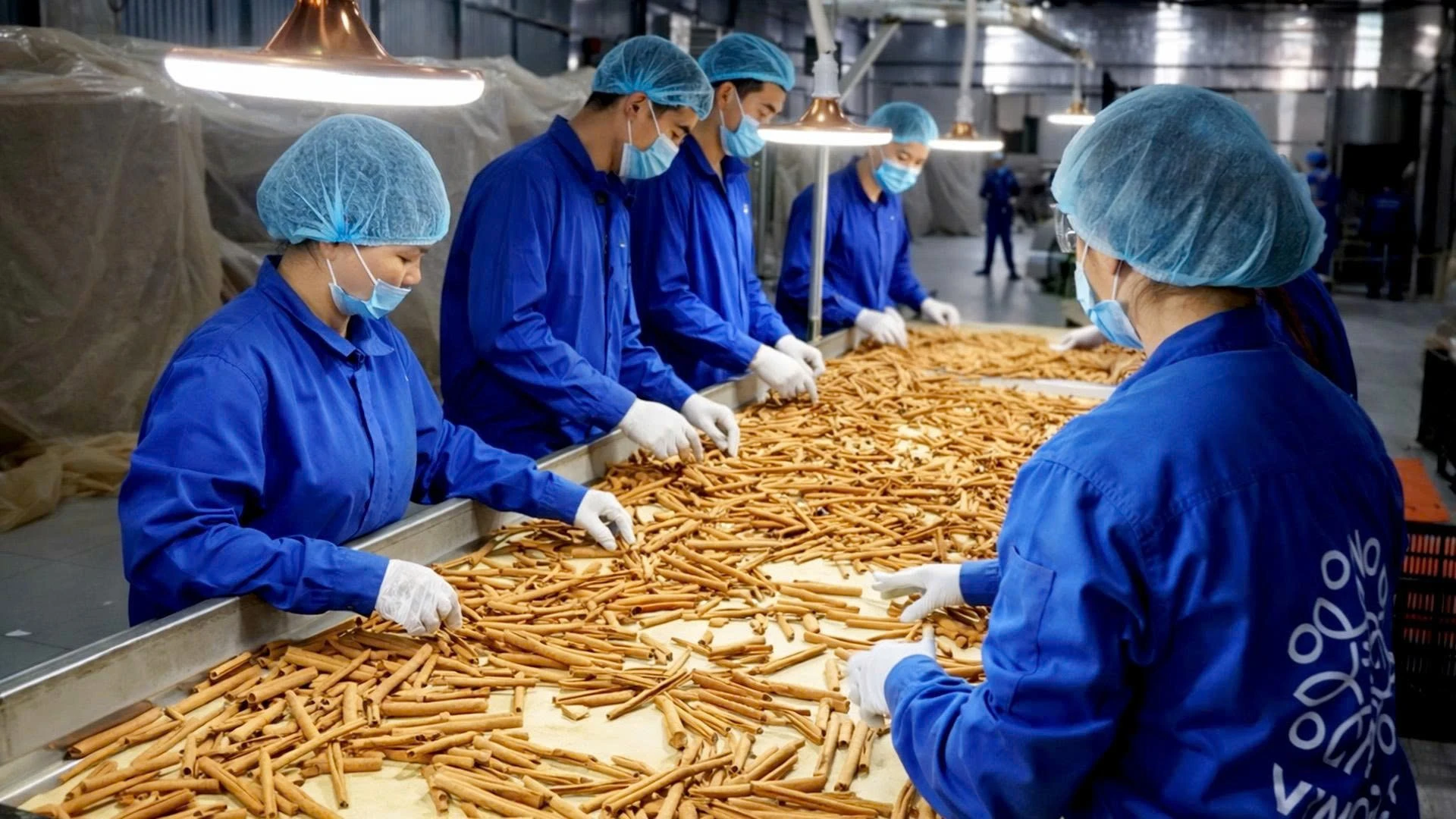
According to the provincial forestry sector report, in 2025, the value obtained from cinnamon bark will reach over 654 billion VND, an increase of more than 123% compared to the previous year; the area of cinnamon meeting organic standards will be approximately 25,000 hectares. Cinnamon is not only a forestry crop that generates income for people in the highlands, but it can also be developed into many product lines serving food, medicine, cosmetics, healthcare, and export.
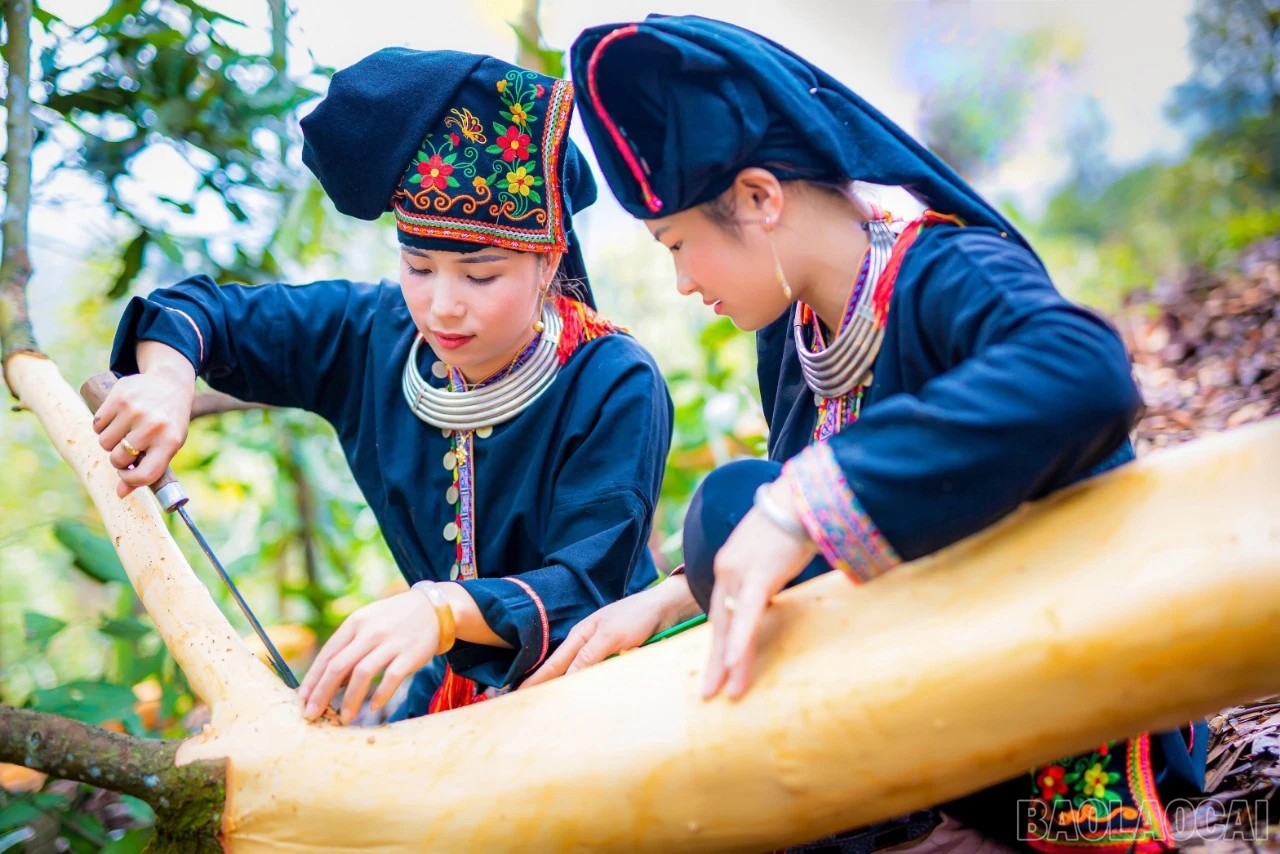
The potential of cinnamon trees lies not only in their area of cultivation or the yield of dried bark. From the bark, branches, leaves, and roots used to produce essential oils to the wood after the bark is removed, almost every part of the cinnamon tree can become a raw material for high-value industries if properly processed.
Currently, the production of cinnamon essential oil from branches, leaves, and roots still clearly reveals the bottleneck of crude processing. Many distillation facilities and factories in the area are still limited to manual technology and simple boilers, with active ingredient content reaching only about 82-85%. Because it is mainly a raw product, cinnamon essential oil is easily subject to price manipulation, has low economic value, and is heavily dependent on a few traditional markets.
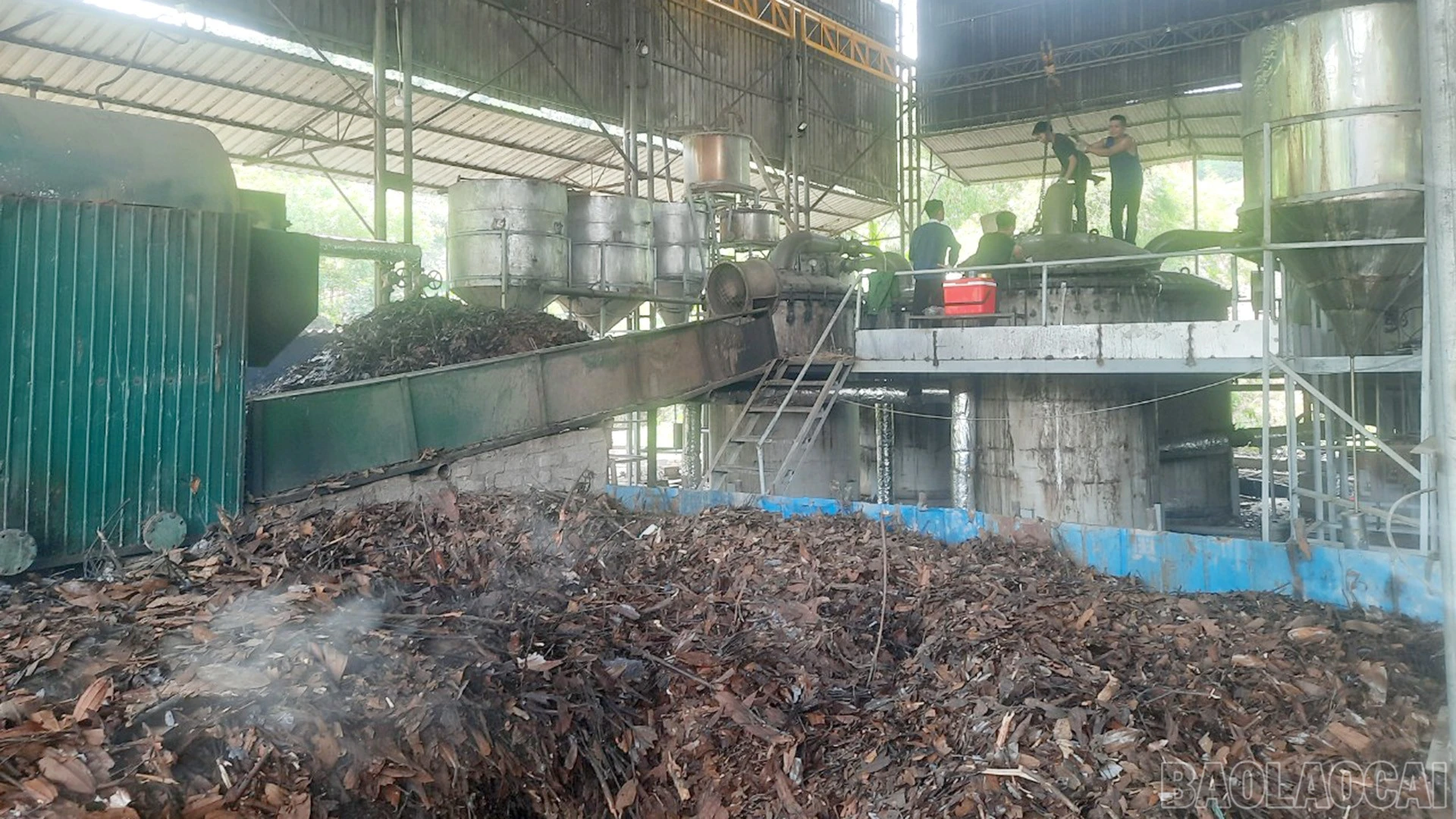
After export, foreign businesses further refine the product using advanced technology to introduce it into the pharmaceutical, cosmetic, food, and flavoring industries – segments that generate the majority of the added value in the product chain. This paradox highlights the urgent need for greater investment in processing technology to retain more value for the cinnamon industry locally.
This orientation is also consistent with Resolution No. 48-NQ/TU of the Provincial Party Committee on the strategic development of medicinal plants for the period 2026-2030, with a vision to 2050. The Resolution identifies medicinal plants as a strategic industry of the province, developed along the value chain, linking raw material areas with deep processing, healthcare, export, and tourism ; in which cinnamon plays a dual role, being both a forestry tree and a valuable medicinal plant.
To enter demanding markets, organic cinnamon growing areas not only need certification but also strict control over cultivation processes, raw material quality, and traceability to each growing region. The challenge for cinnamon therefore shifts from raw processing to refined processing, from exporting raw materials to developing products with higher technological content, quality standards, and branding, reducing dependence on raw material exports and traditional markets.
Besides cinnamon, many other native medicinal plants are also opening up economic development opportunities suitable to the local climate and soil conditions. Lao Cai currently has about 850 species of medicinal plants, including many rare and endemic species; the area of medicinal plants reaches about 6,555 hectares, with a production of more than 30,200 tons per year. Some products such as Sa Pa artichoke, Gynostemma pentaphyllum tea, herbal bath remedies, and cinnamon essential oil have gradually established a foothold in the market.
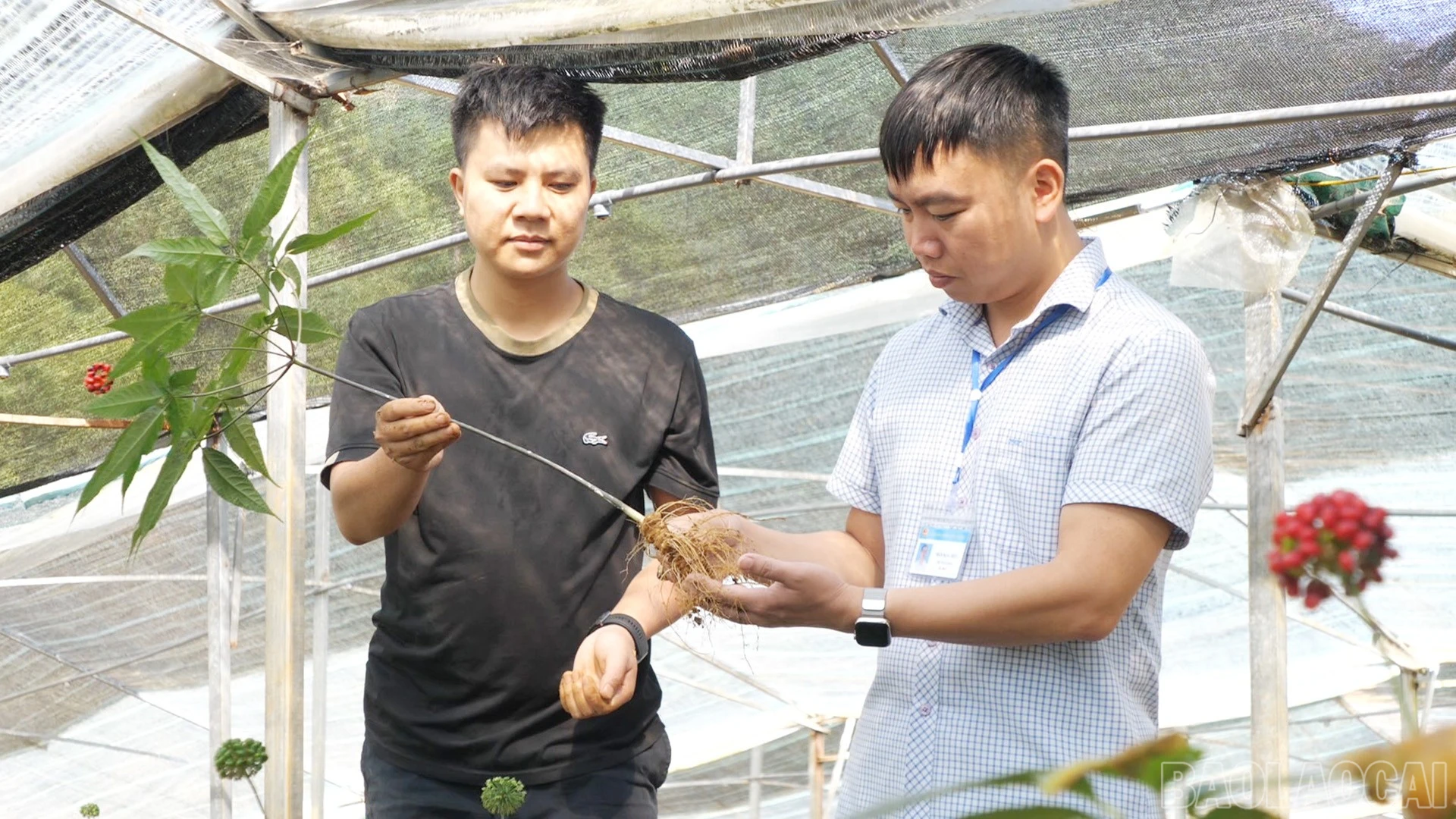
However, for medicinal herbs to truly become a high-value industry, production cannot simply stop at planting, harvesting, and selling raw materials. Cultivation areas need to be standardized, from seed varieties and farming processes to active ingredient content, processing, preservation, quality testing, and product development. With proper investment, medicinal herbs grown under the forest canopy can transcend their role as local products and become a valuable economic sector for mountainous regions.
To help mountain and forest products reach further afield.
Despite some positive developments, many non-timber forest product sectors in Lao Cai still face challenges in processing, preservation, and market access. The disparity in production organization capacity among these sectors poses significant obstacles to achieving the goal of increasing the value of non-timber forest products as well as the forestry economy.
In many highland communes, the hawthorn tree (wild apple) has long been closely associated with the livelihoods of the Mong people. The hawthorn forests covering the mountain slopes not only contribute to soil and forest conservation but also provide an important source of income each fruiting season.
During the hawthorn harvest season, many people start carrying the fruit down to the purchasing points early in the morning. In years with good harvests and high prices, many families earn tens to hundreds of millions of dong from hawthorn trees. This is also their main source of income to support their children's education and invest in production.
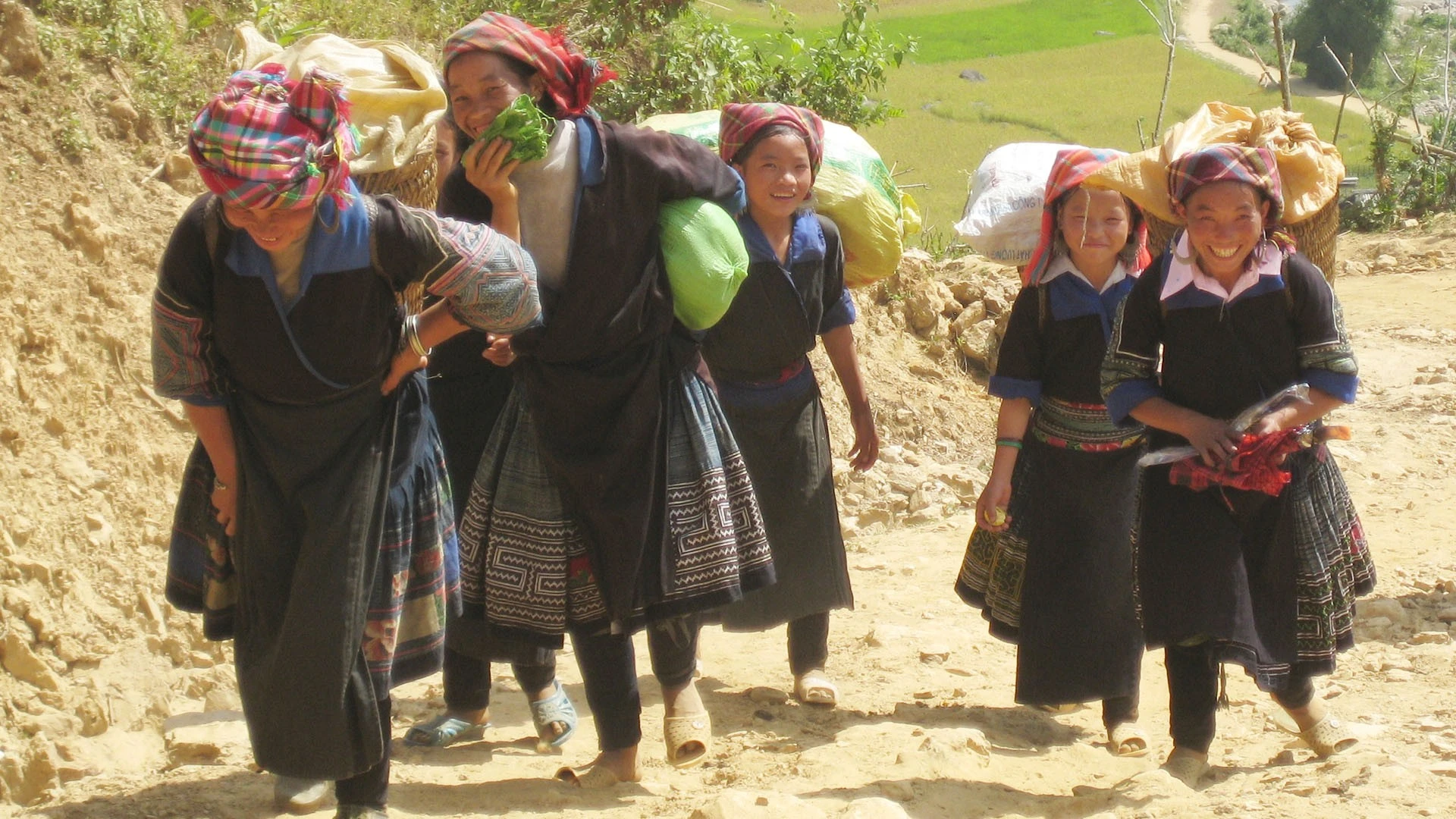
However, there were also five ripe fruits piled high in roadside baskets because traders were slow to buy them, clearly showing the uncertainty of the market when the product still depends mainly on the free market.
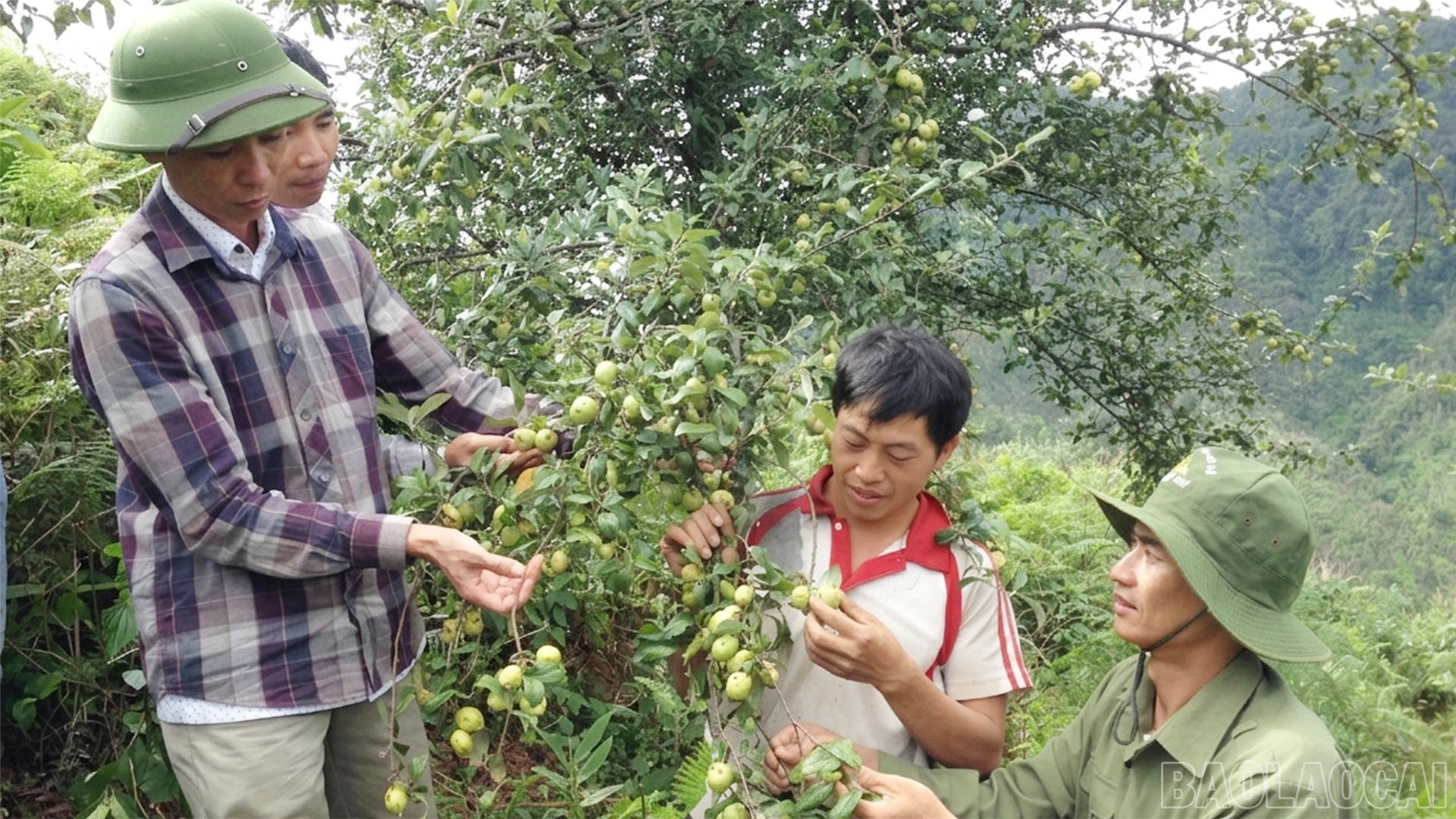
The entire province currently maintains over 9,300 hectares of hawthorn trees, mainly concentrated in highland communes such as Nam Co, Pung Luong, Lao Chai, Mu Cang Chai, Tram Tau, Tu Le…; the production is expected to reach approximately 5,000 tons in 2025.
Despite its large scale, the majority of the product is still consumed fresh, infused in alcohol, or manually dried. The lack of large-scale processing facilities, post-harvest preservation technology, and the absence of major businesses to facilitate distribution mean that the output of this native crop is heavily dependent on traders.
In reality, while sectors like cinnamon and bamboo shoots have begun to form fairly distinct production and consumption chains, hawthorn remains primarily focused on supplying raw materials. Bottlenecks in processing technology and a stable market mean that the potential of this "forest bounty" has not been exploited to its full potential. The lack of strong leading enterprises and cooperatives to act as intermediaries prevents people from confidently investing long-term, forcing local agricultural and forestry products to remain stuck in the low-value segment.
From bamboo shoots and cinnamon to medicinal herbs and hawthorn, non-timber forest products are opening up new livelihood opportunities for the people. To ensure these mountain and forest products reach a wider market, the requirements are not just about expanding acreage or increasing production, but also about standardizing raw material areas, upgrading processing technology, building brands, and expanding markets. When the value chain is systematically organized, non-timber forest products can become high-value commodities, contributing to green economic development and sustainably increasing income for people in mountainous regions.
Source: https://baolaocai.vn/khai-thac-du-dia-phat-trien-lam-san-ngoai-go-post899716.html















































































Comment (0)