A rare three-compartment ceramic vessel discovered beneath a Roman bathhouse has sparked numerous theories about its purpose in ancient civilizations.
Báo Khoa học và Đời sống•25/02/2026
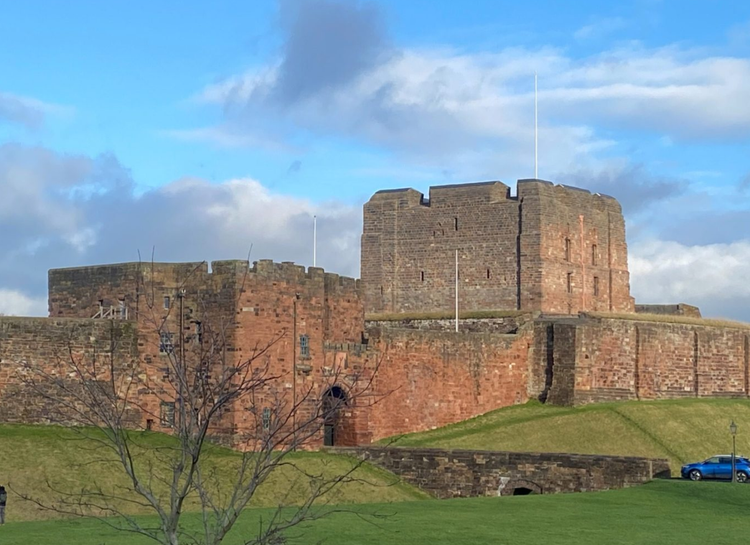
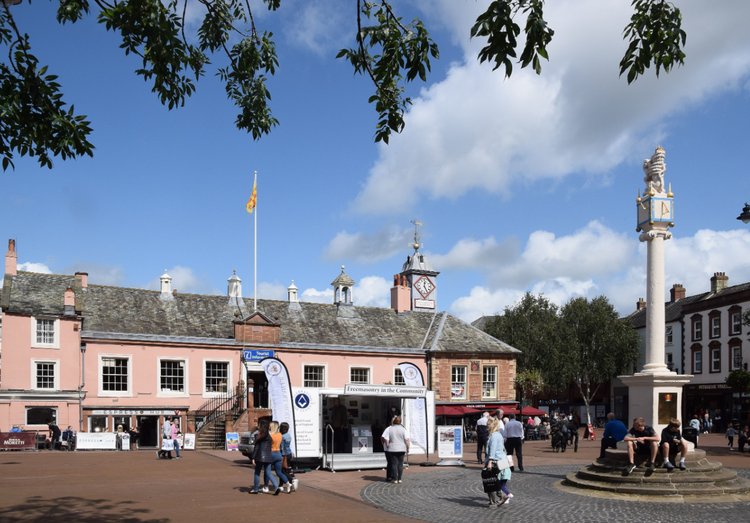
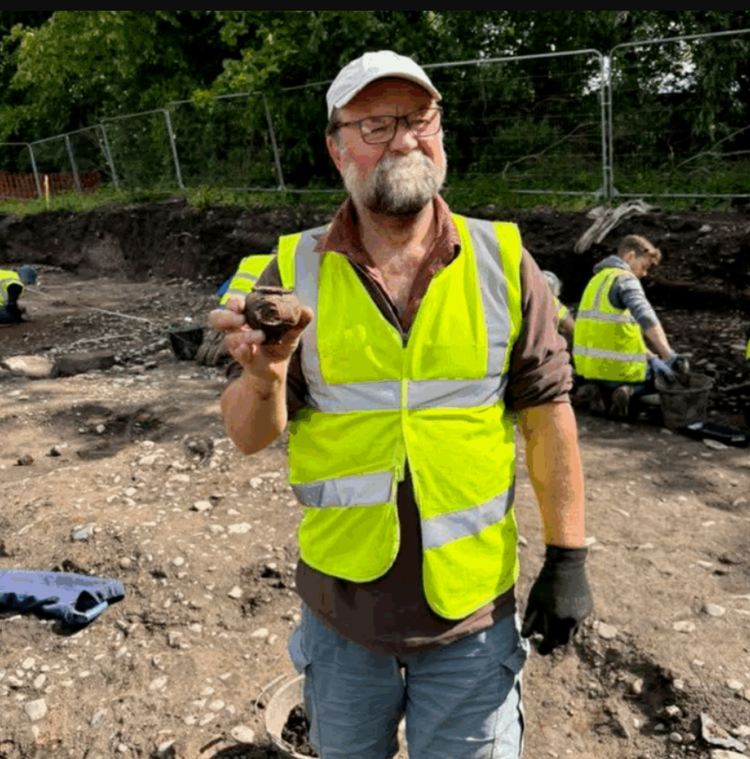
In Carlisle – an elegant city in Cumbria with a population of 70,000, located near Hadrian's Wall – archaeological work is being carried out at the site of ancient Roman baths. Photo: @WardellArmströmArchitect Archaeology. Beneath the ancient Roman baths in what is now Blackfriars Street, right in the heart of the ancient Roman settlement of Luguvalium, a team of archaeologists led by Wardell Armstrong Archaeology, in collaboration with Carlisle City Council, discovered a surprising and unique artifact. Photo: @WardellArmstrongArchaeology.
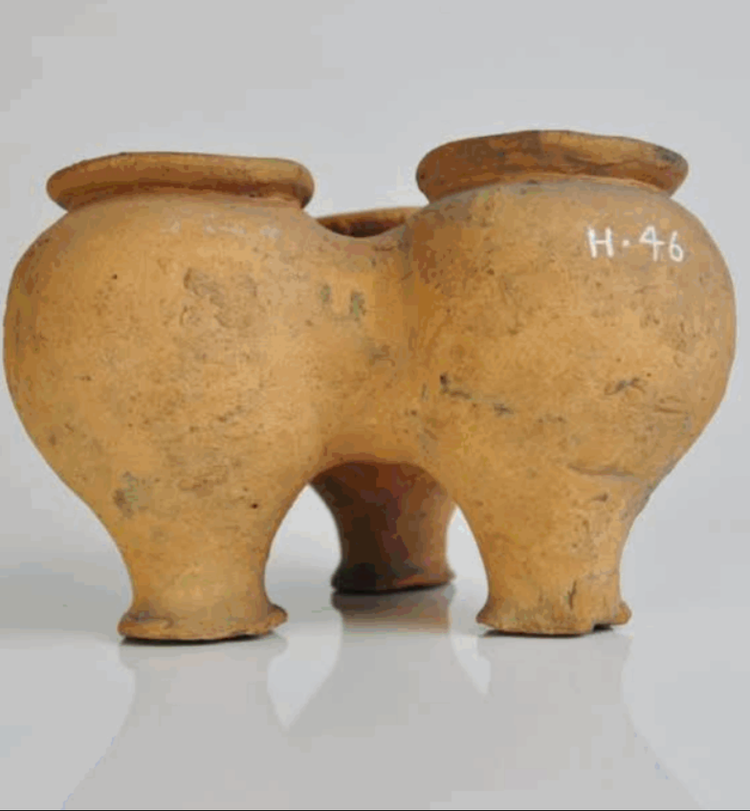
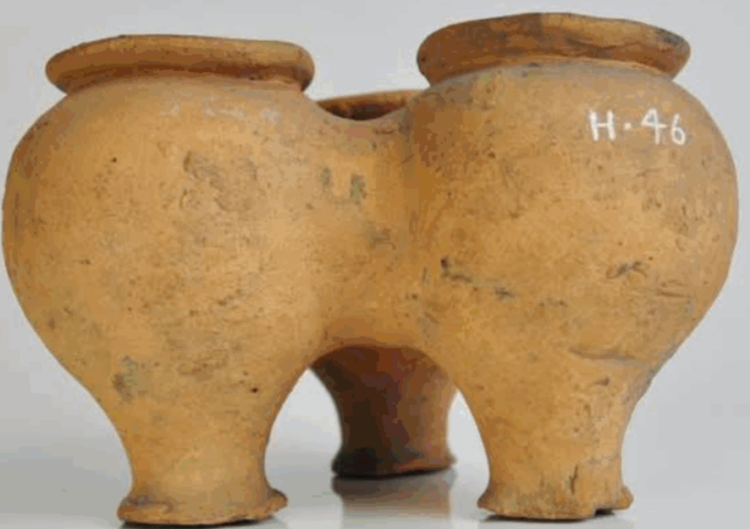
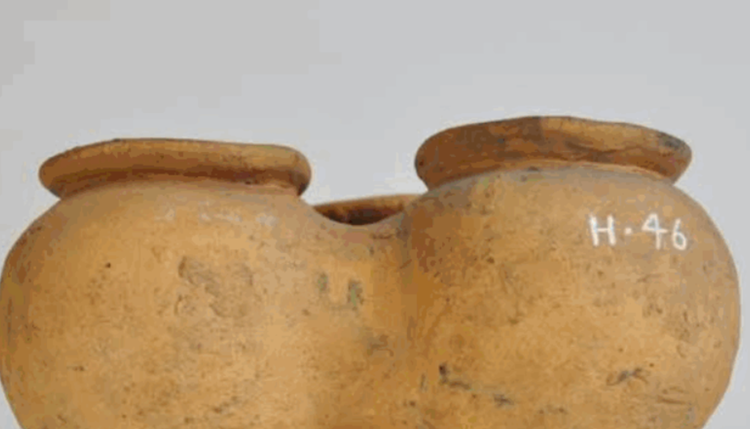
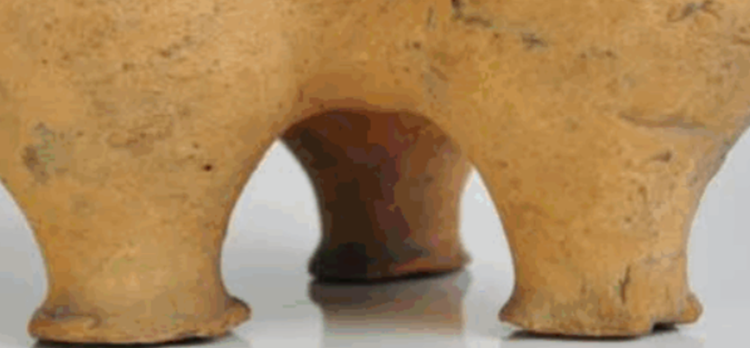
It's a ceramic vessel with three interconnected compartments; objects like this are rarely found in archaeological excavations in England. Photo: @WardellArmstrong Archaeology. The vase, made of sandy yellow ceramic, consists of three compartments placed side-by-side — two intact, one partially broken — all connected by small holes inside. The vase rests on three legs and has a smooth surface, likely achieved through a controlled firing process. Photo: @WardellArmström Archaeology.
There are currently three possible interpretations under investigation: One, it is a lamp: the compartments may contain oil, each with its own wick. The object would thus become a three-burner lamp, perhaps used in sacred settings or in special family rituals. Photo: @WardellArmström Archaeology. Secondly, there is the ceremonial vessel, a vessel that can hold various liquids (wine, milk, water), used in sacrificial or purification rituals. The slow flow of liquid from one compartment to another has symbolic meaning. Photo: @WardellArmström Archaeology.
Third, a game of high-society interaction: this item may fall within the realm of social interaction, used to entertain guests at a formal dinner. Perhaps it was a drinking challenge or a challenge of pouring from one vessel to another without spilling, similar to some Roman games recorded at Pompeii. Photo: @WardellArmström Archaeology. We invite our readers to watch the video : "Over 100 tombs from the Hung King era, dating back approximately 3,500 years, discovered at the Vuon Chuoi archaeological site." Video source: @VTV24.

 Báo Khoa học và Đời sống•25/02/2026
![[Photo] General Phan Van Giang welcomes Chinese Defense Minister Dong Jun.](https://vphoto.vietnam.vn/thumb/1200x675/vietnam/resource/IMAGE/2026/03/18/1773808281415_giao-luu-bien-gioi-vntq-lan-10-6829-5690-jpg.webp)


















































































Comment (0)