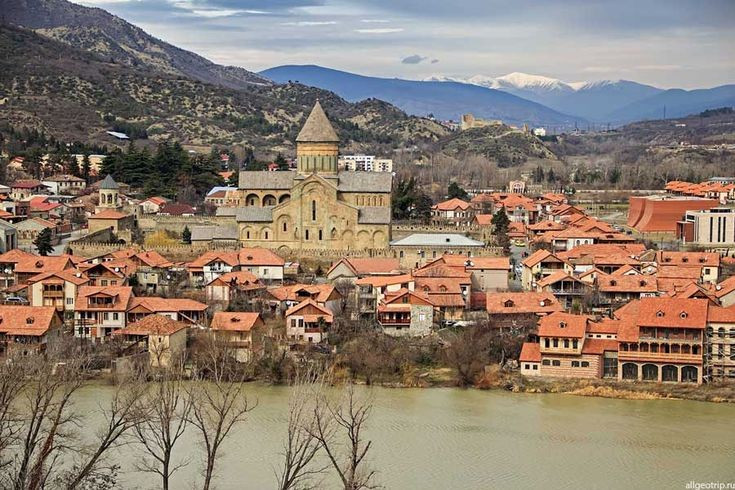
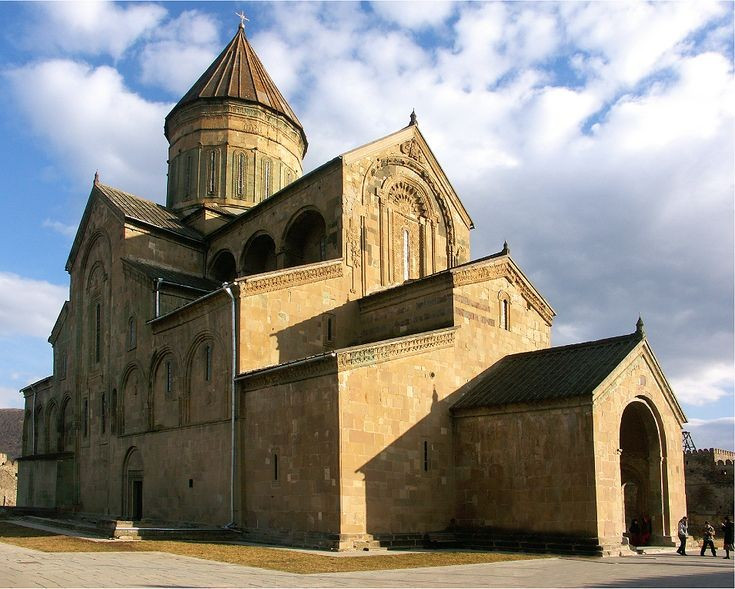
The Svetitskhoveli Church was built in the 11th century and is one of the most important Orthodox churches in Georgia.
Báo Khoa học và Đời sống•06/03/2026
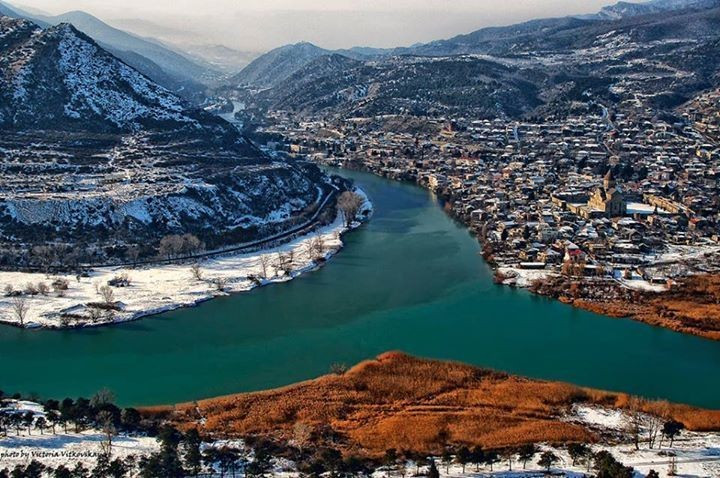
The sacred former capital of Georgia, Mtskheta was once the capital of the ancient Iberian kingdom from the 3rd century BC to the 5th century AD. Although it no longer holds a political role today, the city is still considered one of Georgia's most important spiritual centers. Photo: Pinterest. Strategically located for trade, Mtskheta, situated near the ancient Silk Road and nestled in fertile valleys, was once a bustling trading hub connecting Europe and Asia. The influence of many cultures is still evident in the local architecture and traditions. Photo: Pinterest.
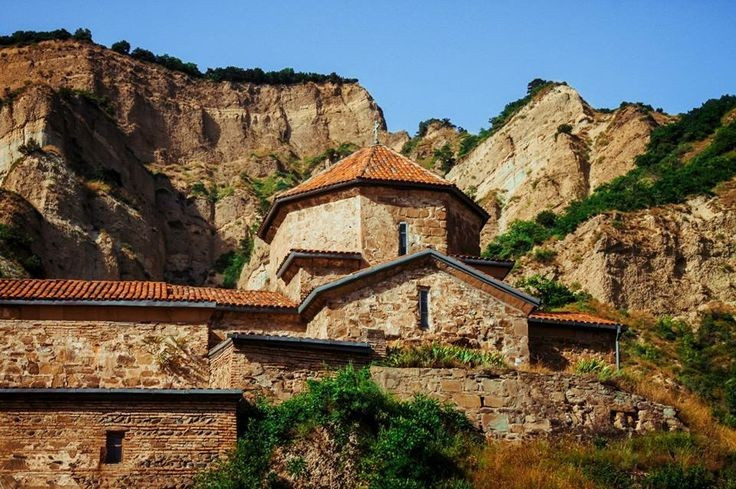
The architecture is characteristic of the Caucasus. The structures at Mtskheta are primarily built of pale yellow sandstone, with elegant domes and delicate carvings. This style became a model for many Georgian churches later on. Photo: Pinterest. The cradle of Georgian Christianity. Mtskheta is associated with the conversion to Christianity in the 4th century during the reign of King Mirian III. Saint Niño is believed to have spread the faith here, laying the foundation for Christianity to become the state religion of Georgia. Photo: Pinterest.
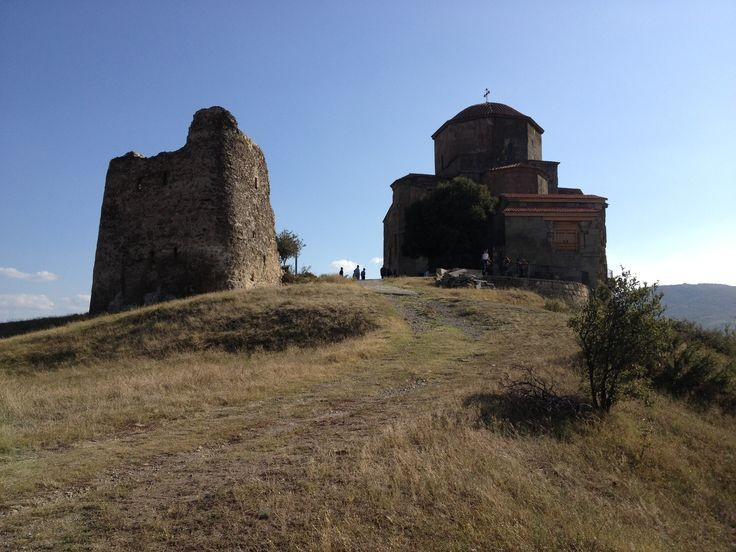
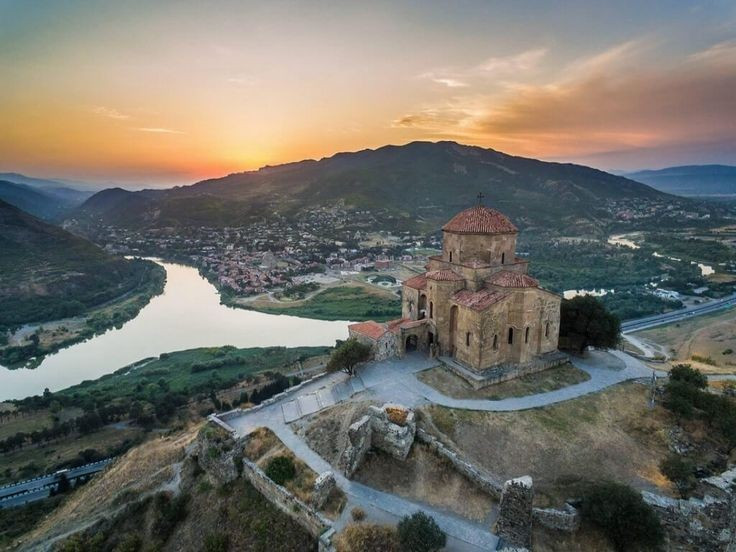
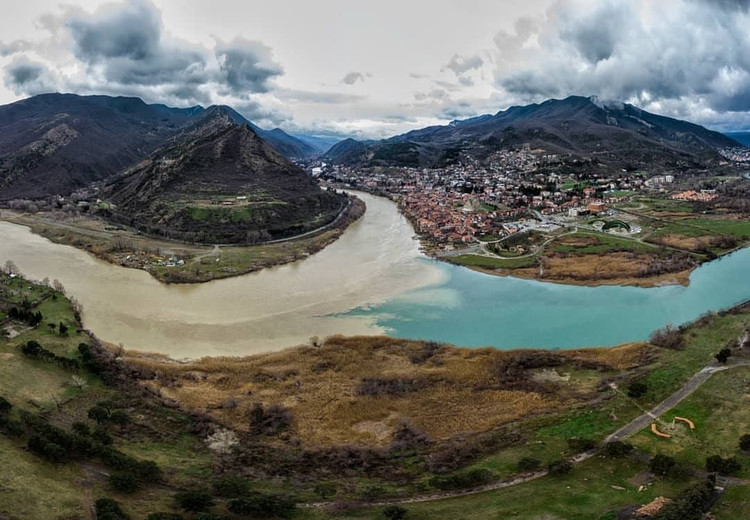
The legendary Svetitskhoveli Church. Built in the 11th century, the Svetitskhoveli Church is one of the most important Orthodox churches in Georgia. According to legend, it houses the cloak of Jesus, making the building a sacred pilgrimage site. Photo: Pinterest. Jvari Monastery on a hilltop. Located on a high hill overlooking the confluence of the Aragvi and Kura rivers, the Jvari Monastery, built in the 6th century, is a masterpiece of early Christian architecture and harmoniously blends with the majestic natural surroundings. Photo: Pinterest. An ancient space nestled amidst enchanting nature. Strolling through the narrow, cobblestone streets of Mtskheta, visitors can feel the slow pace of life blending seamlessly with the mountainous landscape and the emerald green river. It is this combination of history, religion, and nature that has created Mtskheta's enduring appeal for thousands of years. Photo: Pinterest.
A UNESCO World Heritage site. In 1994, the historic religious buildings of Mtskheta were inscribed by UNESCO as a World Heritage Site for their architectural value and role in the development of Christianity in the Caucasus region. Photo: Pinterest. We invite our readers to watch the video : The Origins of Civilization / VTV2



 Báo Khoa học và Đời sống•06/03/2026











































































Comment (0)