Discover Hyaenodon – The most fearsome predator in history.
Hyaenodon was a giant carnivorous animal that dominated the animal kingdom from 42 to 15 million years ago, notable for its elongated skull, powerful jaws, and formidable hunting abilities.
Báo Khoa học và Đời sống•31/07/2025
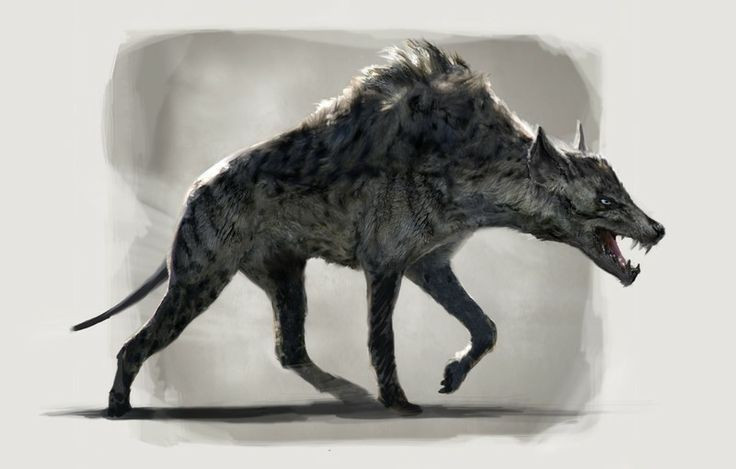
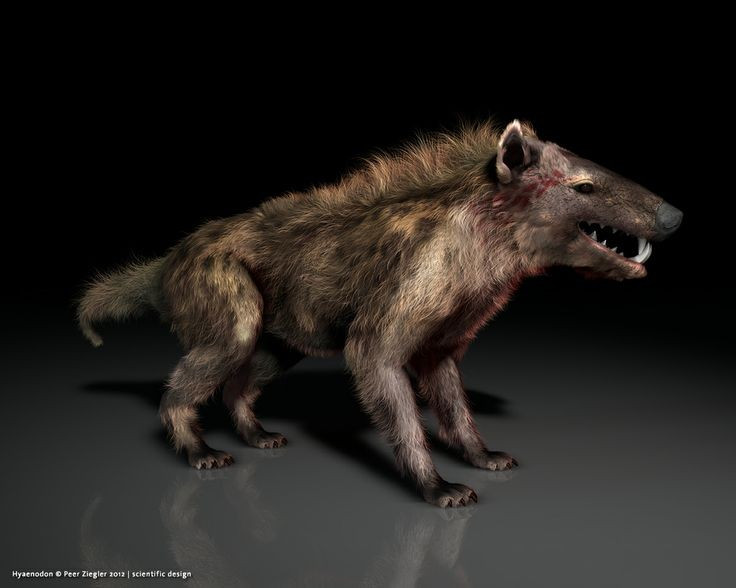
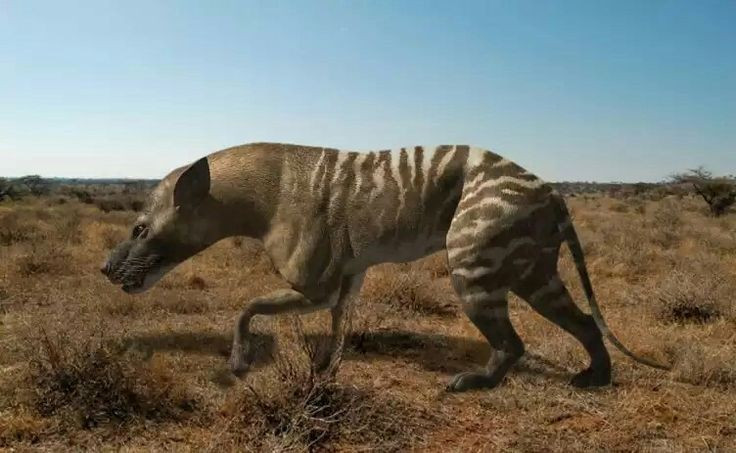
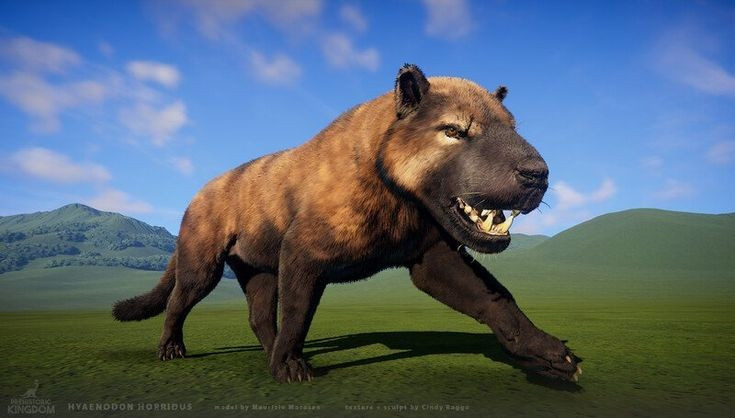
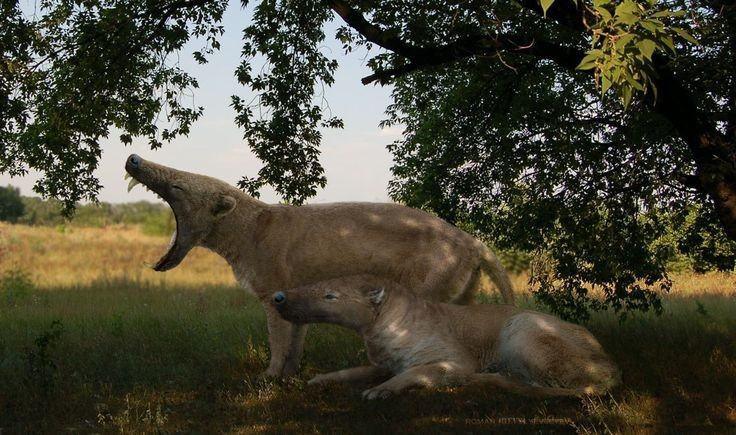
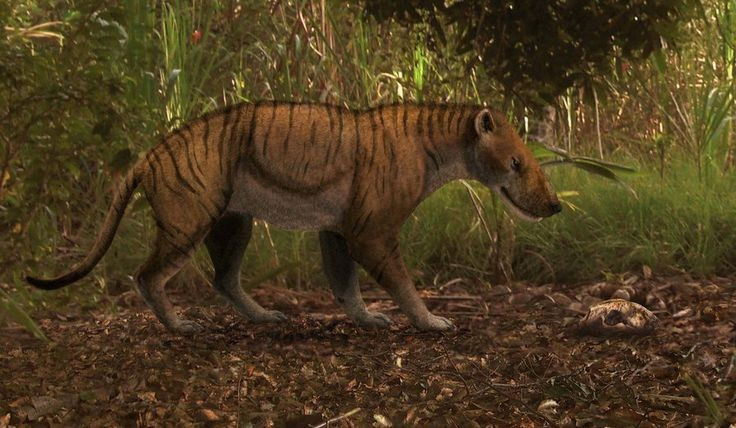
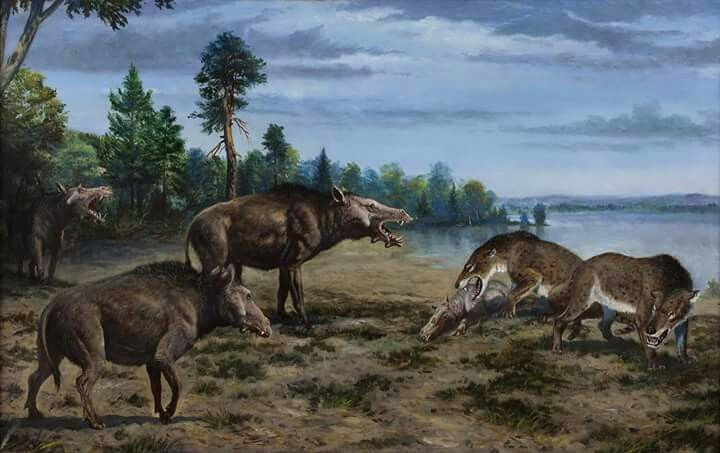
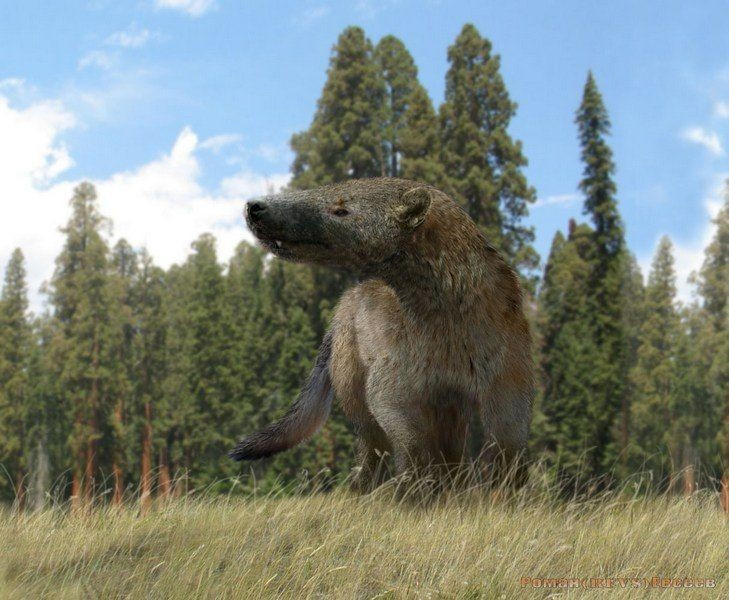
1. Hyaenodon is not an ancestor of hyenas. Despite the somewhat misleading name (hyena is the English word for hyena), Hyaenodon is not closely related to modern hyenas but belongs to the Hyaeendontidae family, a separate, extinct branch of carnivorous mammals. Photo: Pinterest. 2. A top predator for 25 million years, Hyaenodon dominated the food chain from approximately 42 to 15 million years ago, primarily hunting primitive hoofed animals and early primates. Photo: Pinterest.
3. There are many species of varying sizes. The genus Hyaenodon includes dozens of species, from individuals weighing only a few kilograms to giants nearly 4 meters long and weighing over 500 kg. Photo: Pinterest. 4. Extremely well-developed teeth for tearing flesh. Hyaenodon possessed sharp, cutting teeth and extraordinarily strong jaws, allowing it to bite through bone and digest almost entire carcasses of its prey. Photo: Pinterest.
5. Characteristic long and tapered skull. The Hyaenodon's skull had an elongated, crocodile-like shape, which increased the effectiveness of its bite and created greater pressure when attacking prey. Photo: Pinterest. 6. They possessed incredible hunting speed. Despite their large size, some Hyaenodon species were believed to be capable of running fast enough to chase and ambush prey in grassland environments. Photo: Pinterest. 7. They once lived throughout Europe, Asia, and North America. Hyaenodon fossils have been found in many different areas, proving that they once had a very wide distribution range during the Eocene and Oligocene epochs. Photo: Pinterest.
8. Extinct due to competition with modern predators. Hyaenodon declined and disappeared as more advanced predators such as cats and dogs evolved with superior nervous systems and senses. Photo: Pinterest.
We invite our readers to watch the video : When wild animals cry for help | VTV24.

 Báo Khoa học và Đời sống•31/07/2025























![[GALLERY] Elon Musk shocks with the statement that people may not need to go to work.](https://vphoto.vietnam.vn/thumb/402x226/vietnam/resource/IMAGE/2026/05/24/1779625359765_el-png.webp)










































































Comment (0)