

- Innovative crab farming techniques enhance commercial value.
- Increase income by raising mud crabs and civets.
- Ca Mau crab - A renowned specialty reaching international markets.
In particular, with the development of aquaculture technology, many new farming models have emerged, mastering the farming process and improving the quality of commercial crabs to meet the high demands of domestic and international markets, contributing to enhancing the brand of Ca Mau crab in the market. At the same time, it improves the lives of people and develops the economy of coastal areas.
The process of raising high-quality , commercially viable crabs for consumers involves many stages, from breeding to care and nurturing. The Ca Mau Newspaper and Radio & Television Station introduces readers to some of the stages of crab development and common farming methods currently practiced in Ca Mau province.
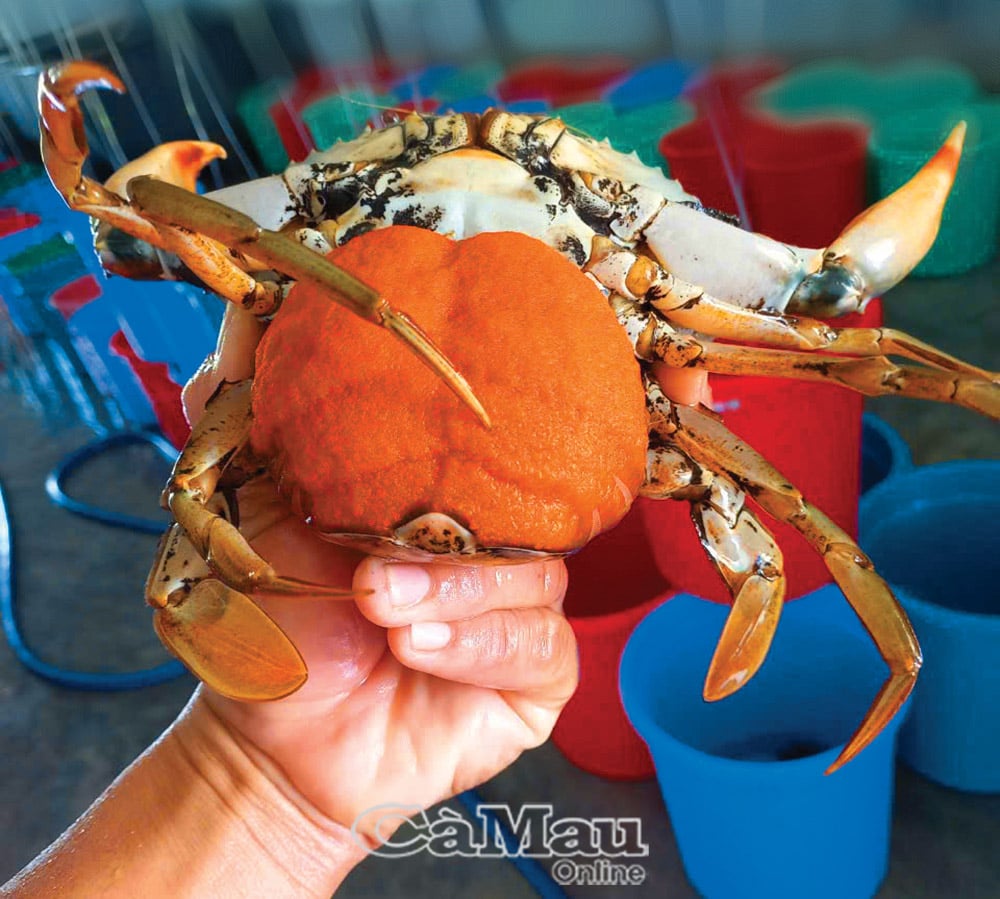 The process begins with selecting healthy female crabs carrying eggs, placing them in an environment with suitable salinity and temperature for the eggs to develop and hatch.
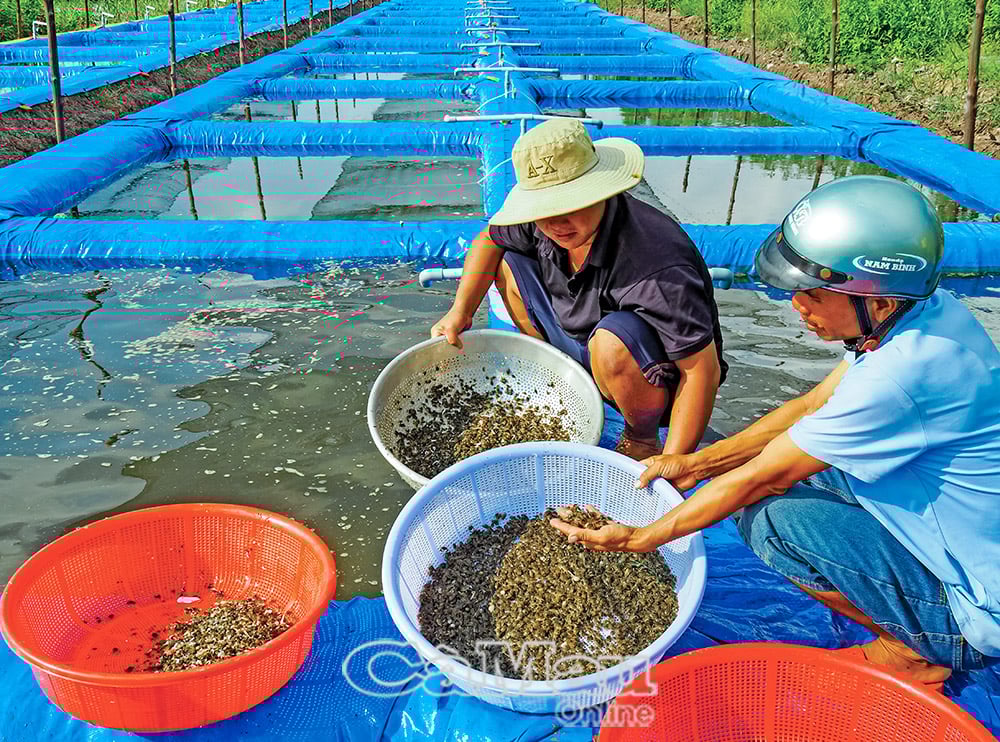 When the eggs hatch, the larvae are raised in earthen ponds to grow. Afterwards, the hatchery sorts the juvenile crabs by size into categories such as small crabs, large crabs, and other types, to sell according to the needs of farmers.
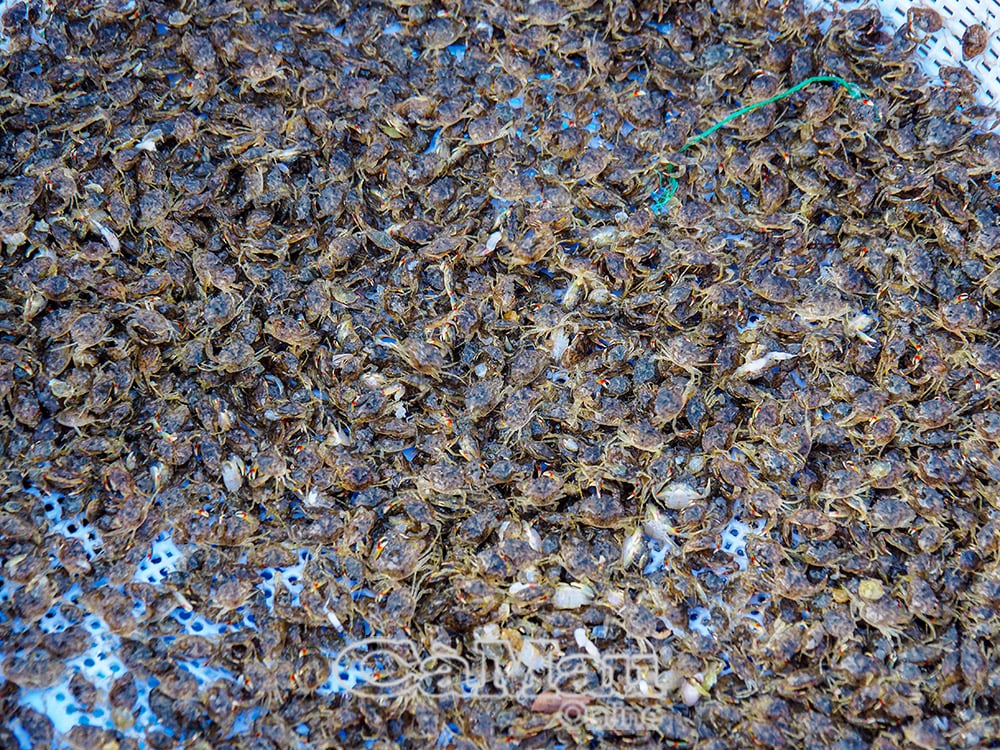 Tamarind crabs are juvenile crabs about the size of a tamarind seed, and are commonly raised by local people.
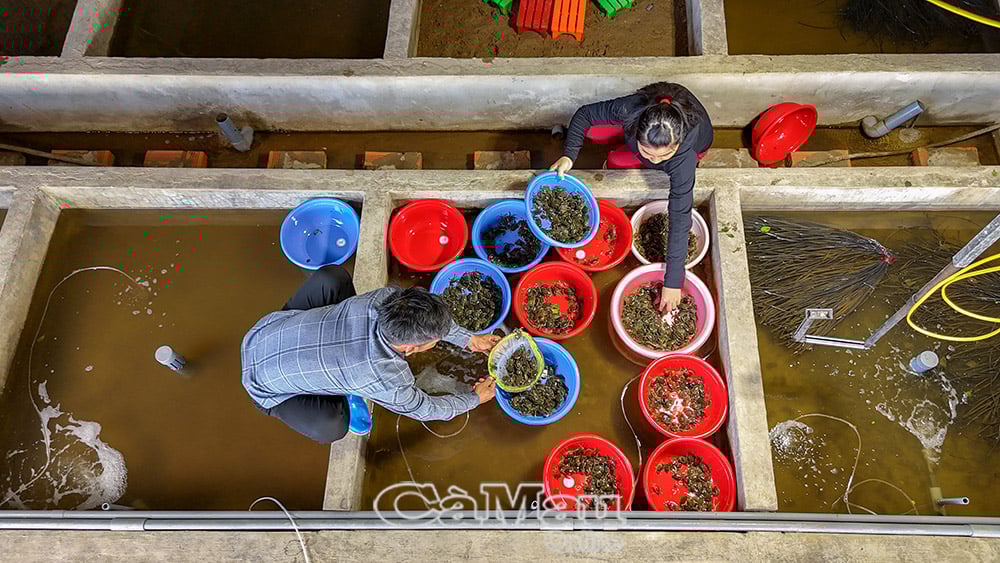 Small crabs and large crabs are raised by hatchery owners into jackfruit crabs (crab juveniles the size of jackfruit seeds), which have the advantage of being large and healthy, having good resistance, and a high survival rate when released into the ponds for farming.
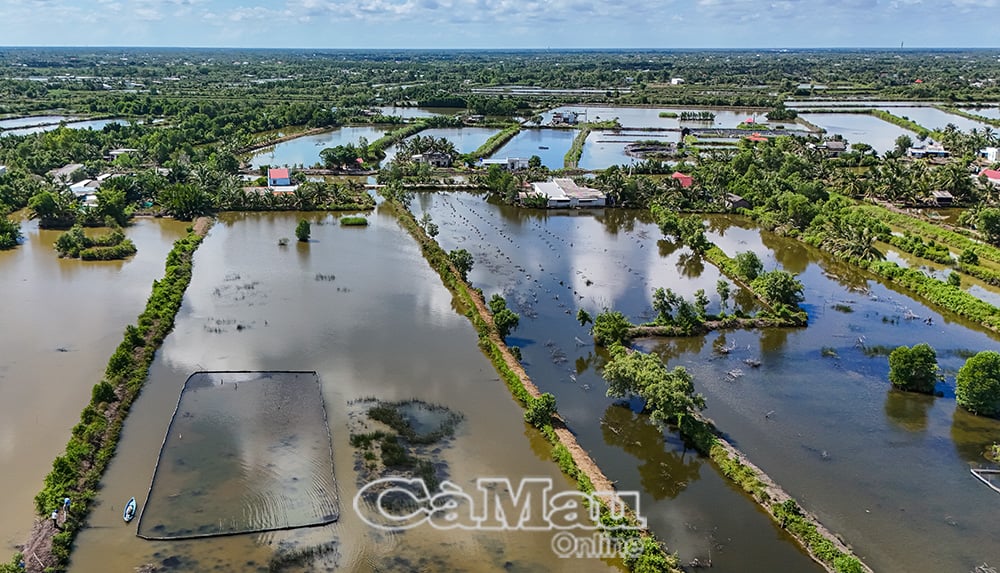 The crab larvae are raised by the farmers in net enclosures, fed regularly, and after about 15-30 days, when the crabs have adapted to the environment and are healthy, they are released into shrimp ponds to feed on natural food.
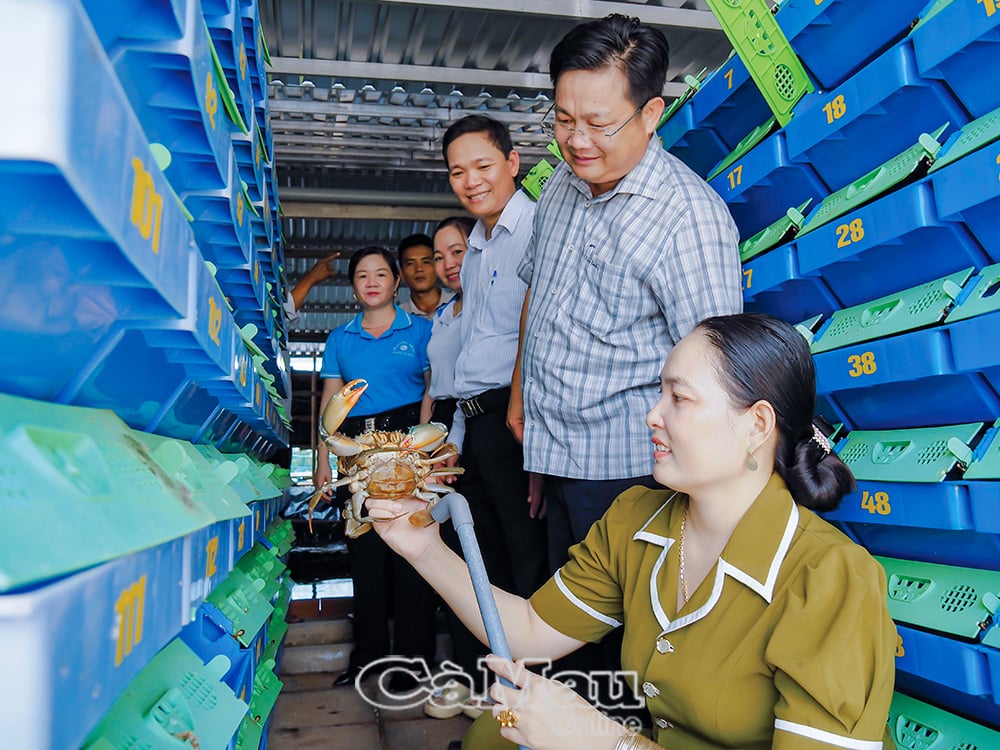 The model of raising crabs in plastic boxes - a high-tech model for commercial crab production and farming, at the household of Mr. Nguyen Huy Man, Cai Gieng hamlet, Tan Hung commune.
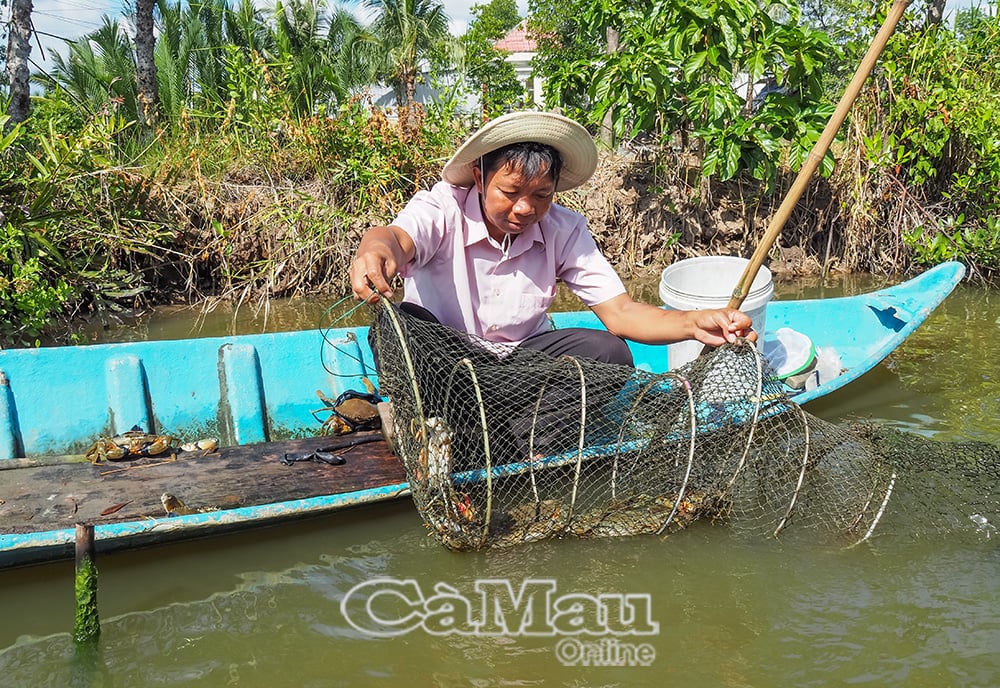 Crabs live in natural shrimp ponds, molt and grow, reaching a weight of 250-350 grams per crab, which is considered marketable. Locals then set traps and nets to catch them.
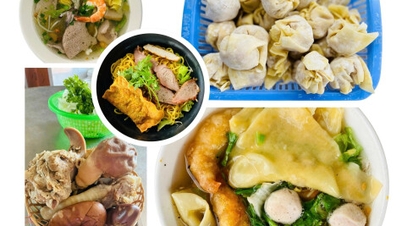
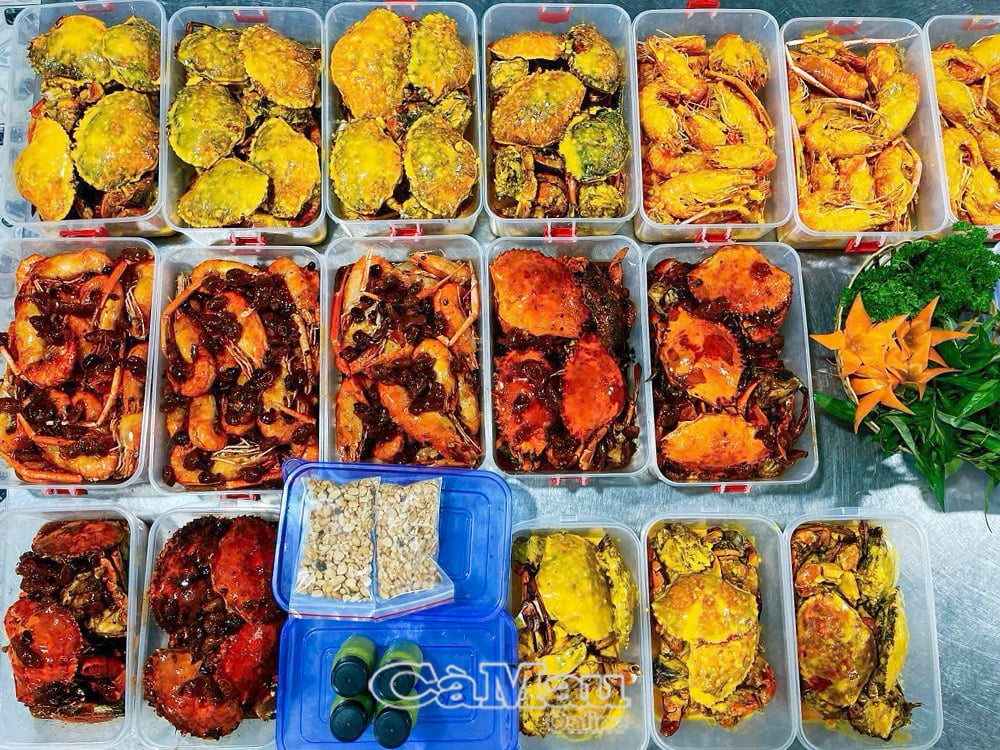 Delicious dishes made from crab.
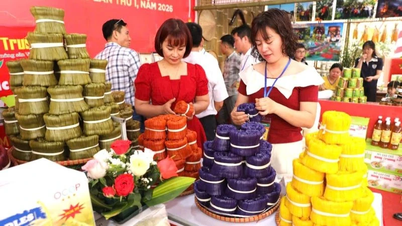
At the 2nd Ca Mau Crab Festival in 2025, there will be 20 booths showcasing models of commercial crab production and farming, including high-tech commercial farming methods – the most common crab farming practices in Ca Mau today – allowing visitors from within and outside the province to visualize and understand this renowned specialty.
Loan Phuong
Source: https://baocamau.vn/kham-pha-quy-trinh-nuoi-cua-ca-mau-a123956.html
























































































Comment (0)