

 |
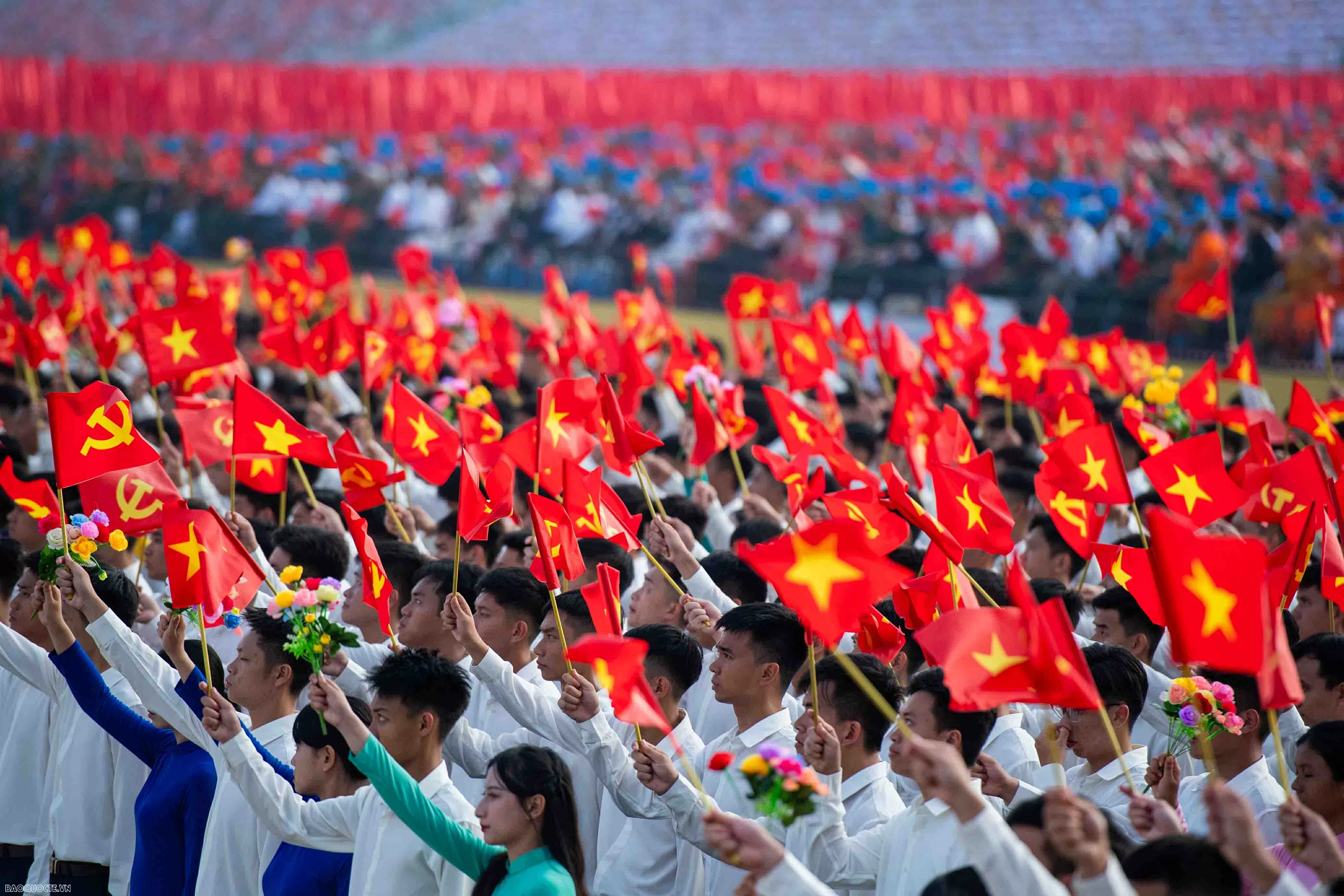
| Images from the parade and march commemorating the 80th anniversary of National Day. (Illustrative photo. Photo: Nguyen Hong) |
Today's youth grew up with TikTok, Instagram, and YouTube Shorts . We're not just delivering reports or slogans. What matters is how we tell the truth. A policy or a direction, when told through the story of a naval officer, an innovative farmer, or a student entrepreneur, will naturally breathe life and appeal.
I was very impressed with how the Nhan Dan Newspaper innovated its communication during the 80th National Day celebrations: a special supplement with "digital gifts" such as virtual reality experiences, Spotify codes to listen to the Declaration of Independence , and the art program "Homeland in My Heart" which spread widely on social media. The World and Vietnam Newspaper also had many creative foreign relations activities, international cooperation, and launched a multilingual special section to both affirm the country's achievements and refute misinformation. These approaches show that when official information is told through art and intimacy, it becomes a friendly voice, easy to listen to and easy to share.
However, the biggest challenge remains the online environment – where good news often spreads slowly, while bad news can become a storm overnight. Therefore, young people need to be equipped with "digital antibodies." I often use the image of an "information vaccine": With these antibodies, young people will know how to verify sources, know how to ask questions like "who wrote it, why, where did the data come from," and most importantly, know when to stop before clicking the share button.
There are many quiet but patriotic examples. During the Covid-19 pandemic, thousands of students joined Zalo Connect and SOSMap to verify and connect over 300,000 emergency assistance requests, while also eliminating fraudulent fake news. A group of young engineers founded the Anti-Fraud project, developing a utility to identify malicious websites, which helped protect tens of thousands of internet users.
The Central Committee of the Vietnam Youth Union also signed a five-year agreement with TikTok to train young people in responding to harmful and toxic content, turning them into "immune cells" in cyberspace. The Vietnam Center for Combating Fake News also opened a portal for young people to submit, monitor, and spread the results of verifying and preventing fake news.
For Vietnamese youth, it is crucial to equip them with sufficient knowledge, courage, and skills to become immune to harmful and toxic information.
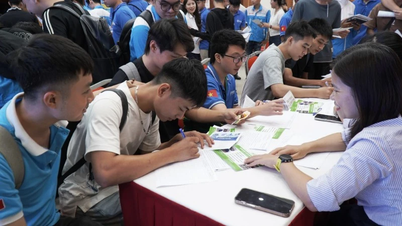
To achieve this, families, schools, and society must work together. Families instill moral values and national pride. Schools cultivate digital skills, critical thinking, and the ability to filter information. Society—from the press and youth organizations to online communities—must create healthy platforms, inspirational campaigns, and tools to protect against fake news.

With knowledge, courage, and patriotism, young people will become the pioneering force in protecting the homeland, including in cyberspace.
Source: https://baoquocte.vn/khang-the-so-cho-the-he-tre-328029.html






































![[Video] Sunset at Lap An Lagoon – Where the sun sets over the fishing nets](https://vphoto.vietnam.vn/thumb/1200x675/vietnam/resource/IMAGE/2026/05/31/1780192137701_beach-landscape-sea-water-nature-grass-745871-pxhere-com.jpeg)























Comment (0)