

To better understand the aspiration to bring technology out of its "glass cage," take deep root in the fields, and breathe new life into heritage through the digital bridge, Nhan Dan Newspaper had a conversation with Dr. Quach Van An, Deputy Director of the Department of Science and Technology of Ca Mau province.
Bringing technology to the land and shrimp farms.
Reporter: Doctor, this year's Week brings together a very large scale of high-tech agricultural models and digital platforms. However, the biggest challenge remains how to ensure that technology doesn't just remain on display. Does the department have any specific mechanisms in place to support and ensure that technology truly takes root in the fields, helping farmers apply it practically?
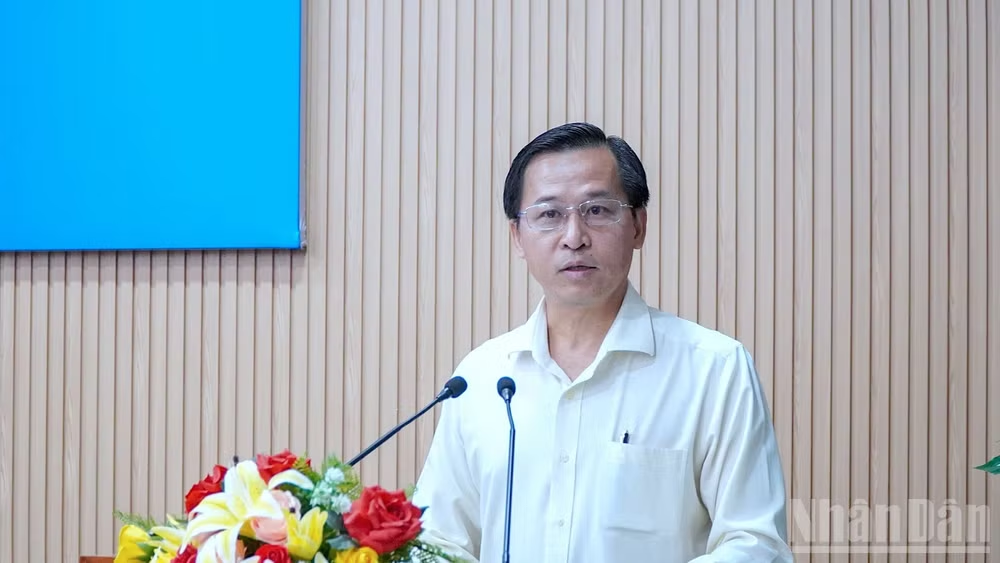
Dr. Quach Van An : This is a very relevant concern. The overarching viewpoint of the Department of Science and Technology is that this event is not just for introduction, but as a starting point for the process of selecting, connecting, testing, and scaling up solutions suitable for the Ca Mau region.
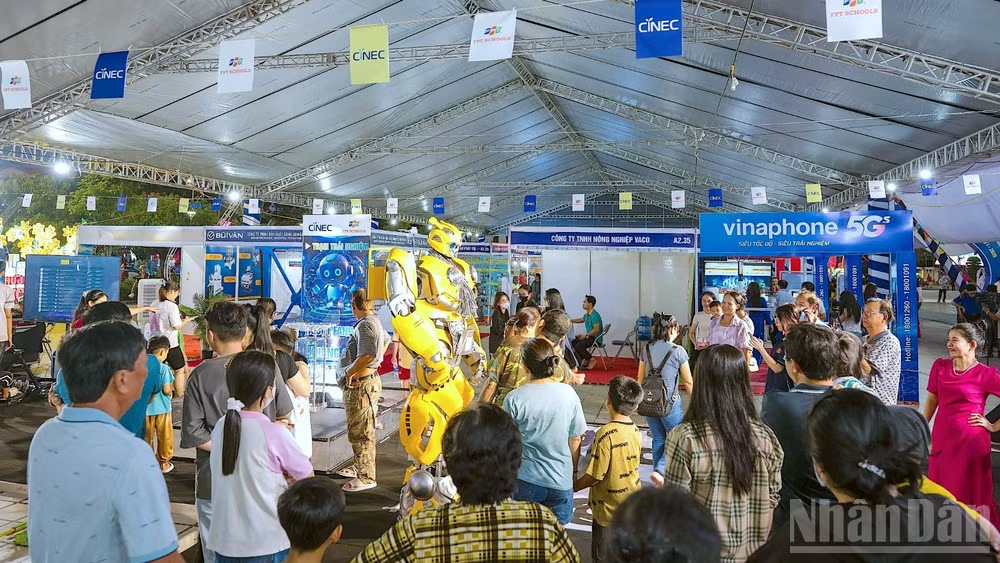
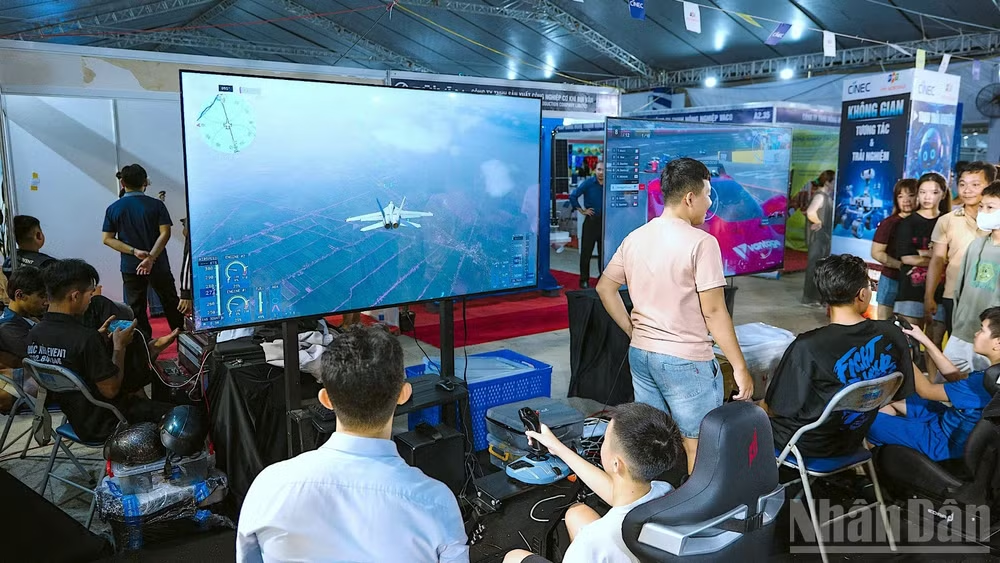
Within the framework of the Week, we prioritize three core technology groups for immediate application.
Firstly, technology will serve green, circular agriculture for key sectors such as shrimp, crab, rice, salt, and OCOP products.
Secondly, digital platforms help manage production and traceability.
Thirdly, automation and IoT solutions can help farmers and cooperatives reduce costs and increase productivity.
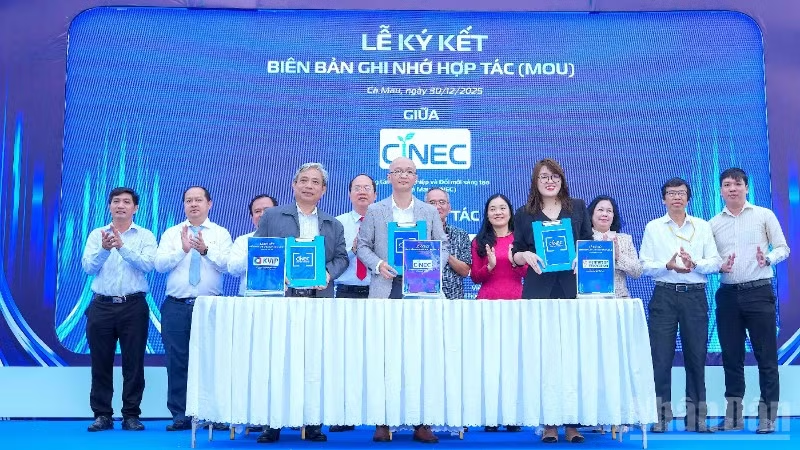
To make this a reality, immediately after the event, we will review and compile a list of feasible solutions, and at the same time assign the Center for Entrepreneurship and Innovation (CiNEC) to directly connect with cooperatives and production households in need.
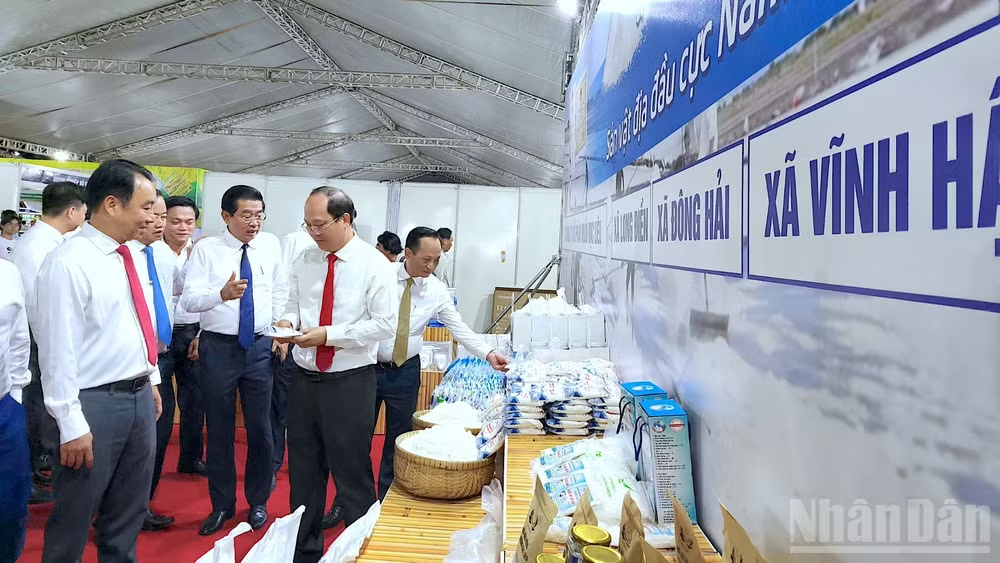
Currently, the province's traceability portal is operating effectively, supporting over 100 products. In the next phase, we will continue to prioritize OCOP products and local specialties. Most importantly, support should not only focus on "getting products onto the system," but also on standardizing everything from raw material area data to packaging processes and quality standards.
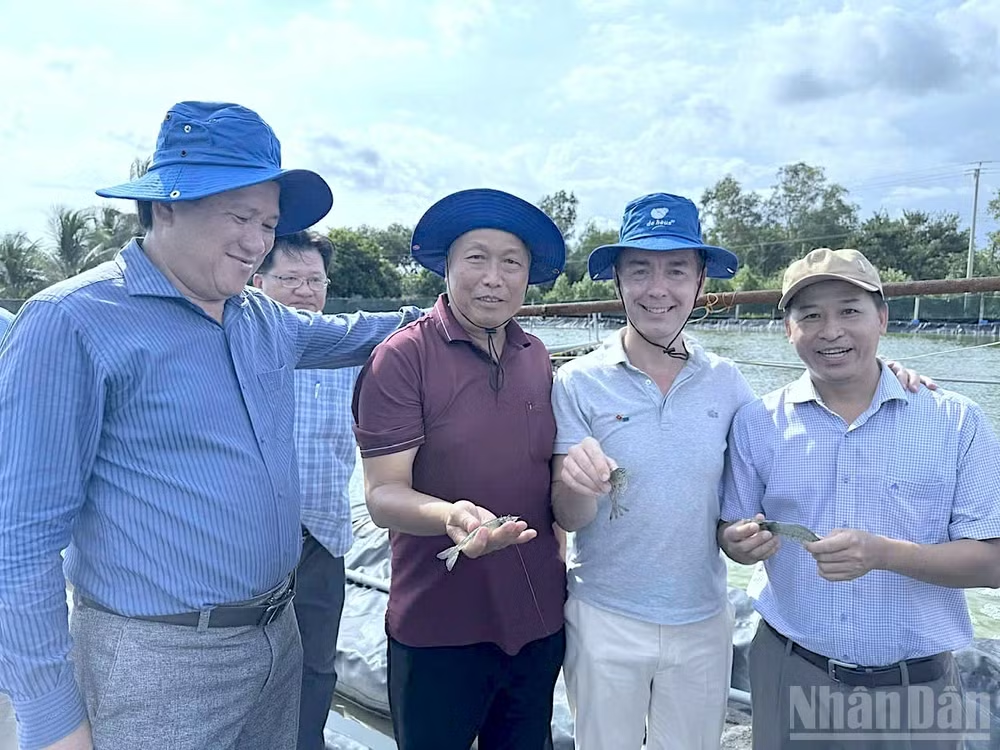
From the success of the three-stage super-intensive shrimp farming model applying recirculating and bio-secure technology, we can clearly see that: With good support mechanisms, scaling up is entirely feasible. Our message is very clear: Technology must move beyond the showroom and into the fields, shrimp ponds, businesses, and markets. We will play a connecting and advisory role to help people access technology in the most economical and practical way.
Nurturing green aspirations from young ideas.
Reporter: Innovation is considered the springboard of the economy. Based on the recent startup competition for students, how do you assess the maturity of Ca Mau's startup ecosystem? And what policies does the province have to retain these promising talents to serve their homeland?
Dr. Quach Van An: Ca Mau's startup ecosystem is undergoing significant transformations, moving from a movement-building phase to capacity building, closely linked to the local development challenges. It's very encouraging that the entrepreneurial spirit is spreading strongly. Ideas are no longer confined to small-scale products, but have boldly ventured into green agriculture, sustainable aquaculture, ecotourism, circular economy, and climate change adaptation.
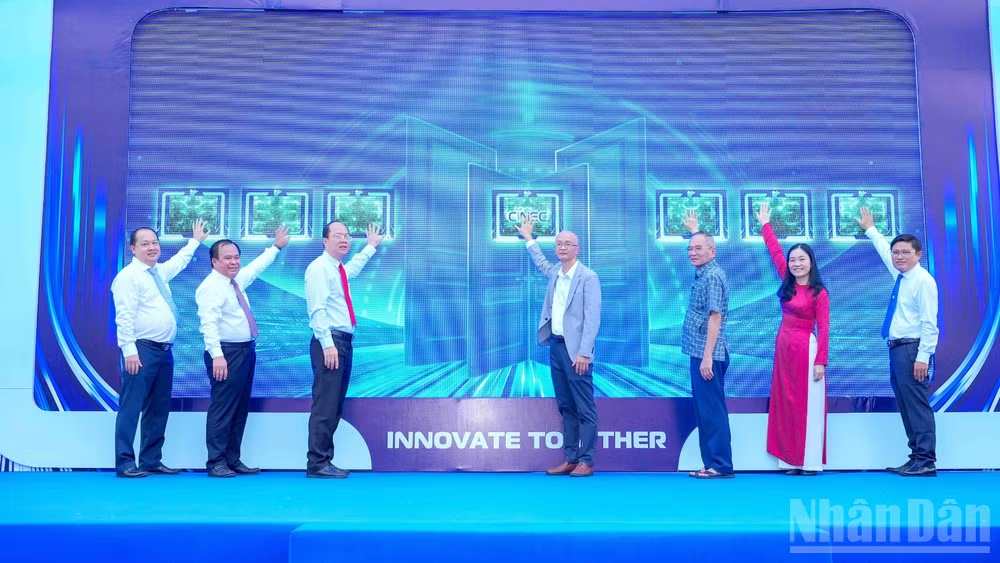
However, to be frank, our ecosystem is still in its infancy. Many good ideas lack the capacity to refine the model, seed funding, testing space, and even expert mentors.
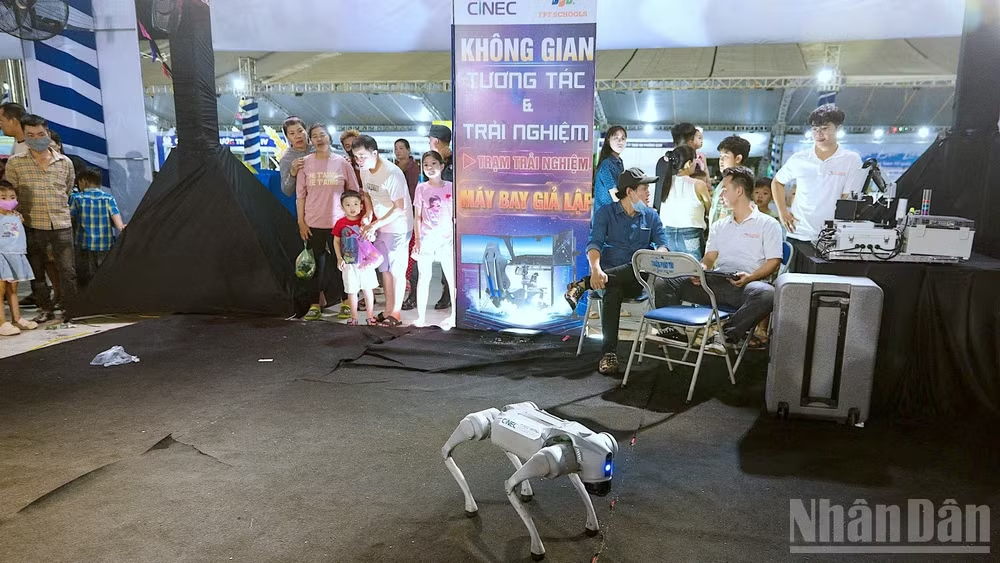
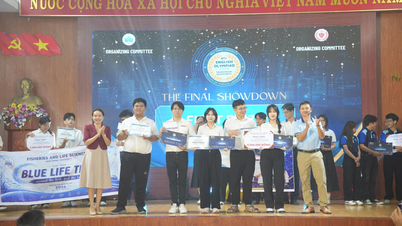
Therefore, after the competition, continued incubation and commercialization are crucial. This competition is set within the overall context of science, culture, and tourism, creating opportunities for projects to directly interact with businesses and the market. It acts as a natural filter to find the most suitable business models.
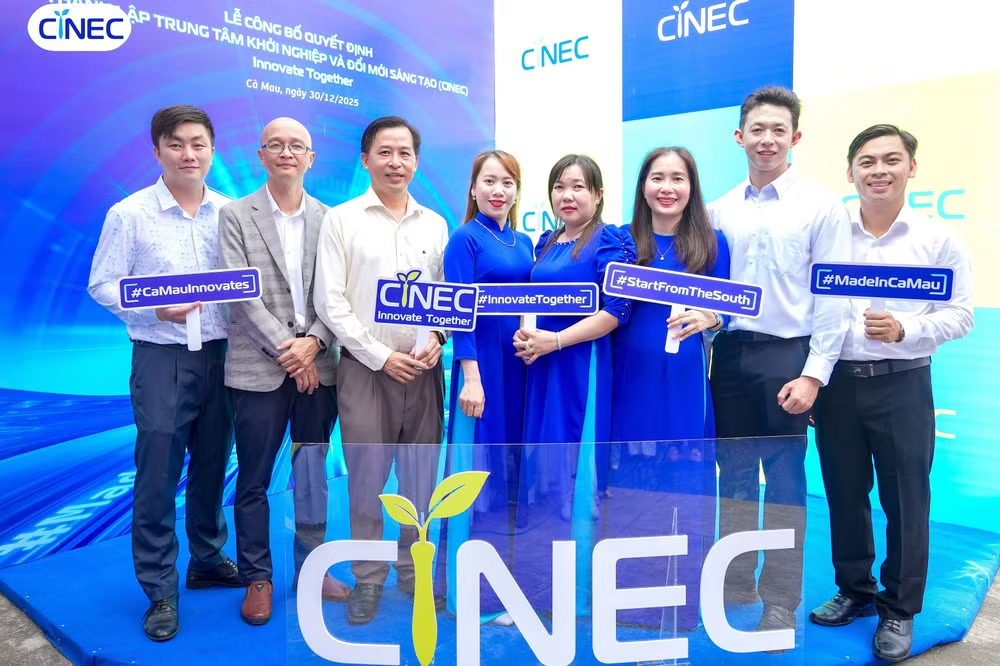
To retain outstanding projects, we will propose a comprehensive support mechanism: Discovery-incubation-testing-capital connection-market access-scaling. The CiNEC Center will be a close partner. We particularly prioritize projects that serve the green development orientation, ecological agriculture, community tourism, and emission reduction.
Our ultimate goal is not to chase after the number of startups, but to build a genuine startup ecosystem that creates new value from local resources. We aspire to cultivate a generation of young entrepreneurs who understand the local area, love their homeland, master technology, and are capable of solving the province's green development challenges.
Digitizing heritage to connect culture and tourism.
Reporter: Integrating science and technology with culture and tourism into a continuous chain is a groundbreaking highlight of the ongoing week-long event in Ca Mau. Could you elaborate on the leading role of science and technology, as well as the digital solutions that will be prioritized to boost local tourism?
Dr. Quach Van An : This intersection is not just a new way of organizing events, but reflects a new development mindset: Science and technology must become the driving force for renewing traditional values and opening up promising economic opportunities.
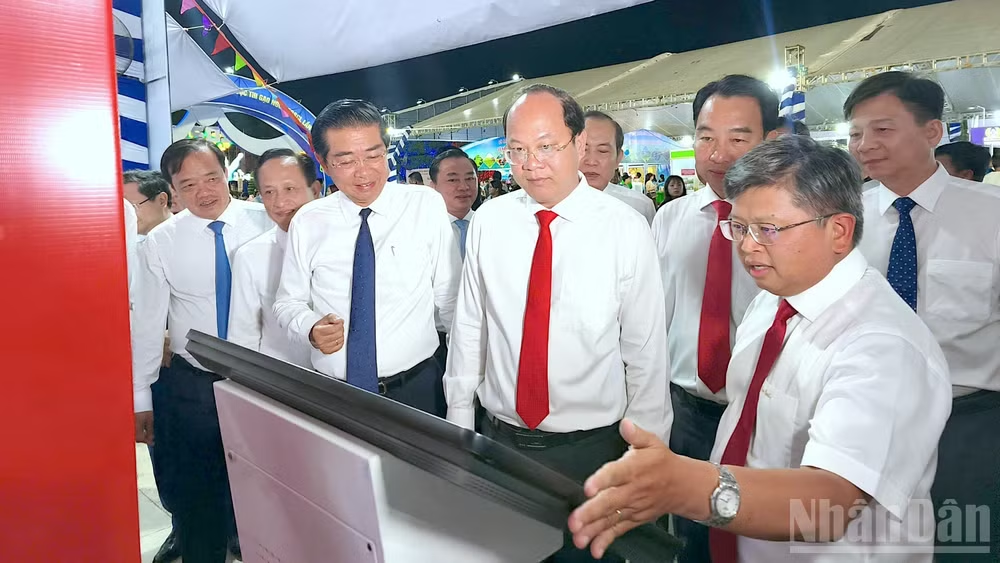
Ca Mau possesses a wealth of wonderful characteristics, from its forest-sea ecosystem and diverse community culture to its rich cuisine and the warm, generous nature of its people. However, to transform these rough gems into highly competitive tourism products, digital data and technology are essential prerequisites.
The Science and Technology sector will focus on supporting three major areas: digitizing and preserving heritage data; promoting technology to create personalized and intelligent tourism experiences; and helping communities build brands and trace the origin of cultural and tourism products.
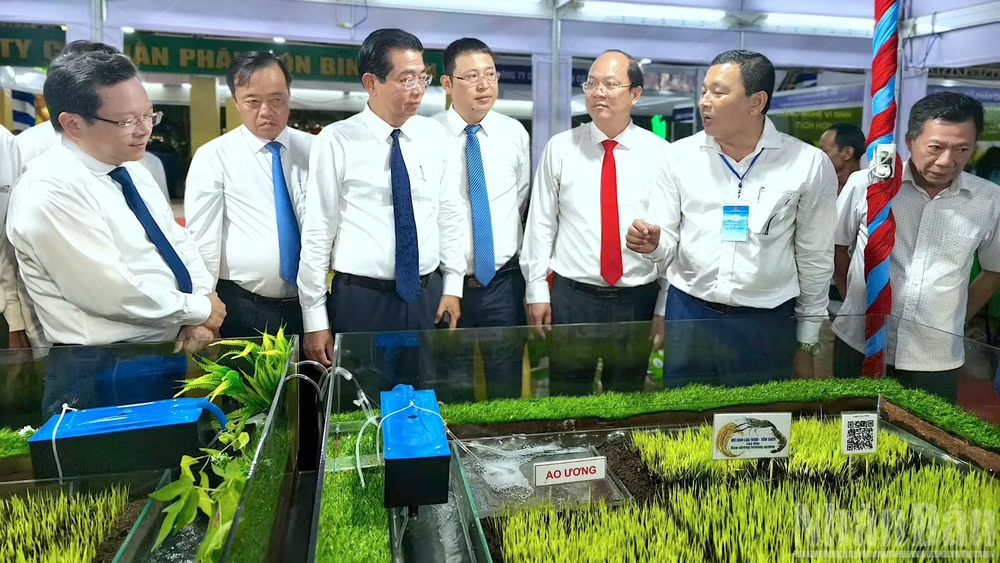
In the future, we will prioritize building a digital database of destinations. Heritage sites will be digitized using 360-degree photos and multilingual videos. At historical sites or traditional craft villages, visitors can simply scan a QR code to access complete historical information in the most vivid way.
In particular, the strategic direction is to apply virtual reality technology and 3D models in promotion. While they cannot replace real-life experiences, they help tourists "get a firsthand look" at Ca Mau, experience its ecology and people authentically, and thus encourage them to pack their bags and go.
Such elaborate digitization is not simply for storage in the context of complex climate change. We are digitizing to responsibly utilize heritage, transforming it into a resource for sustainable development. This week, therefore, serves as a perfect media experiment: science and technology provide the foundation, culture creates identity, tourism creates experiential spaces, and innovation generates new value. Our direction is to gradually transform Ca Mau into a destination that is not only beautiful in its scenery but also very modern in its connectivity and development of digital tourism.
Reporter: Thank you very much, Doctor.
Source: https://nhandan.vn/khi-cong-nghe-cham-vao-van-hoa-va-sinh-thai-ca-mau-post958907.html










































































Comment (0)