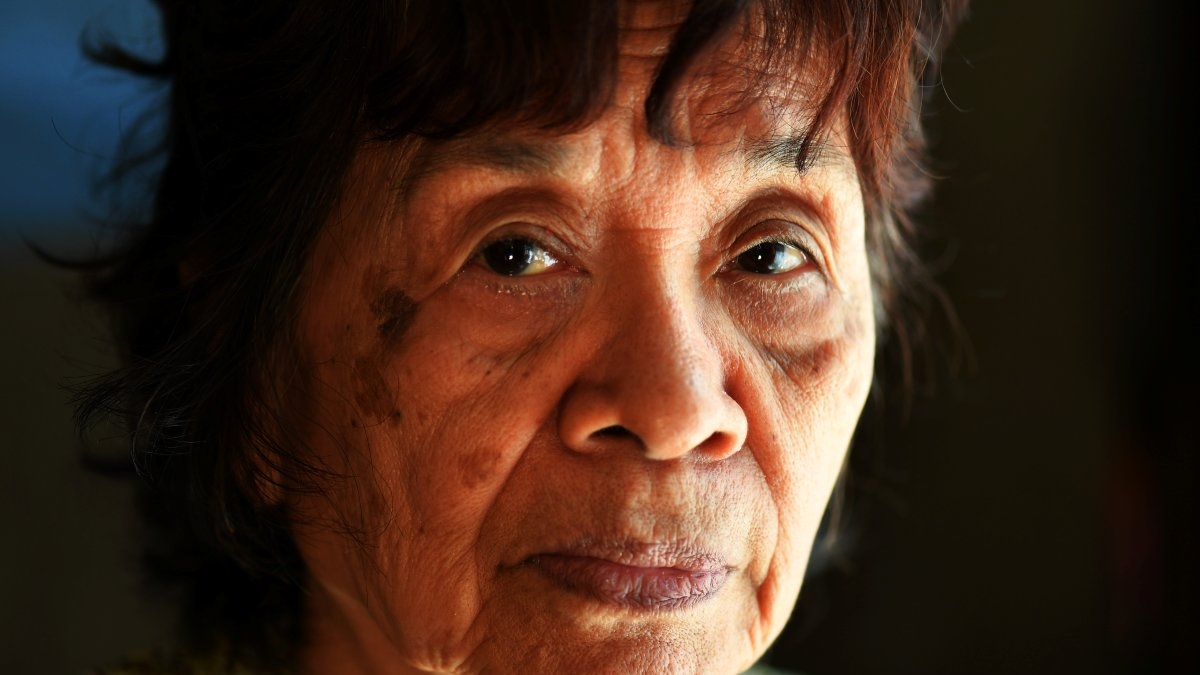
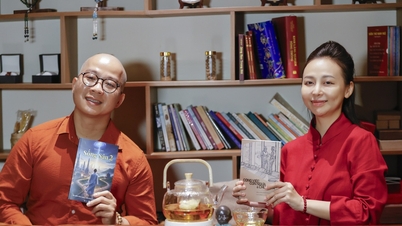
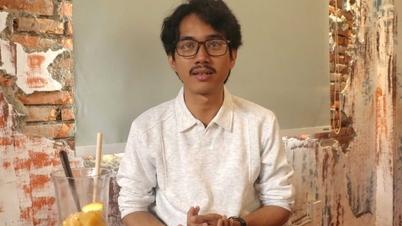
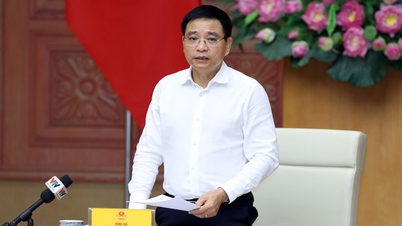
Lieutenant Colonel, Doctor of Medicine, Specialist Level II Vu Son Giang, Head of Political Affairs, Military Hospital 175
According to Lieutenant Colonel, Dr. Vu Son Giang, Head of Political Affairs at Military Hospital 175, statistics show that the average life expectancy of Vietnamese people has now reached approximately 74.5 years, significantly higher than many countries with similar income levels and a substantial increase compared to two decades ago. This is a proud achievement resulting from socio-economic development, advancements in healthcare, nutrition, education, and quality of life.
Life expectancy is not just an increased number, but also the quality of life lived. It is a measure of a nation's development capacity, reflecting its capabilities in economics , healthcare, education, and quality of life.
As life expectancy increases, the goals must be bigger.
Lieutenant Colonel, Doctor of Medicine Vu Son Giang stated that Vietnam is entering a special stage of development. While three decades ago our priorities were poverty reduction, increased life expectancy, and expanded access to healthcare, today the question is different: How can we help people live healthier and happier lives in their later years? It's clear that life expectancy is only the starting point.
According to forecasts by the United Nations Population Fund (UNFPA), by 2036, Vietnam will officially become an aging nation. Lieutenant Colonel, Doctor of Medicine Vu Son Giang believes this is the most important development challenge for Vietnam in the coming period. A positive sign is that the awareness of Vietnamese people is changing.
When it comes to quality of life and longevity, Nordic countries, Japan, and Singapore are useful models to consider. In these countries, a large proportion of older adults maintain their mobility, self-care abilities, social participation, and zest for life.
Analyzing further, Lieutenant Colonel, Doctor of Medicine Vu Son Giang pointed out that they not only have an advanced healthcare system or a high standard of living, but their fundamental basis is nutrition and early awareness of proactive health care. They have reasonable eating habits, exercise regularly, get enough sleep, have regular health checkups, and maintain positive social relationships.
That is why many developed countries are no longer talking much about "living long" but are shifting to "living healthily for a long time". This is also the direction that the World Health Organization (WHO) and the United Nations are promoting through the Healthy Living Decade 2021-2030. [1]


"Vietnam is also facing an opportunity to create a similar transformation," said Lieutenant Colonel, Doctor of Medicine Vu Son Giang.

Many developed countries are shifting their focus from increasing life expectancy to increasing the number of years lived in good health.
Vietnam aims for long and healthy living.
Lieutenant Colonel, Doctor of Medicine, Specialist Level II Vu Son Giang observes that a positive sign is emerging in Vietnamese society. Previously, when preparing for old age, many people often thought about savings, housing, or support from their children and grandchildren. Today, more and more people are beginning to prepare another asset: health.
We've witnessed a significant increase in the number of people participating in running. Sports clubs, yoga studios, and cycling clubs are developing in many localities. Regular health checkups are gradually becoming a habit for a segment of the population. The demand for information about scientific nutrition, healthy foods, and proactive health care is also growing. These are positive shifts that need to be spread more widely in the community.

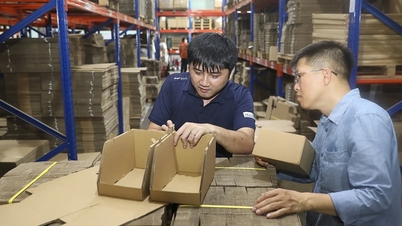
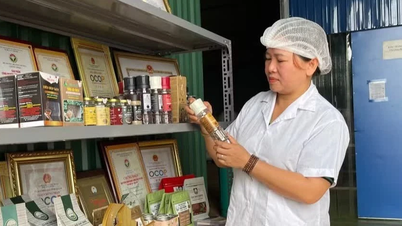
Living a healthy and long life begins with scientific research on nutrition. (Photo: Provided by Amway Vietnam)
According to Lieutenant Colonel, Doctor of Medicine Vu Son Giang, population aging is a national challenge requiring the collective efforts of the entire society. The government should develop policies, and the health sector should improve its healthcare capacity. Simultaneously, Vietnam needs to promote public-private partnership models to effectively utilize the resources, expertise, and strengths of all stakeholders.
The National Institute of Nutrition and the Nutrilite Health Institute have conducted in-depth research, assessing the nutritional status, dietary habits, and food consumption of Vietnamese people, thereby promoting the development of scientific, practical, and appropriate solutions to meet the needs of the community.



Ultimately, each citizen must proactively raise awareness about nutrition and a healthy lifestyle, maintaining healthy habits every day. Only then will we have the resources and foundation to face the increasing pressure of an aging population.
[1] WHO's work on the UN Decade of Healthy Aging (2021-2030)
Source: https://baochinhphu.vn/khi-tuoi-tho-khong-con-la-dich-den-102260618101348228.htm