Cua Lo is not only known for its beaches, but also for its sacred land.
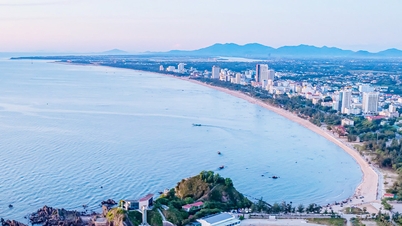
When mentioning Cua Lo, many people immediately think of its turquoise beaches, long stretches of white sand, or delicious fresh seafood. But few know that hidden behind this vibrant beach tourism scene are sacred and ancient spiritual destinations, preserving the soul of Nghe An's culture, and offering visitors a place to find peace and tranquility.
Báo Nghệ An•23/12/2025
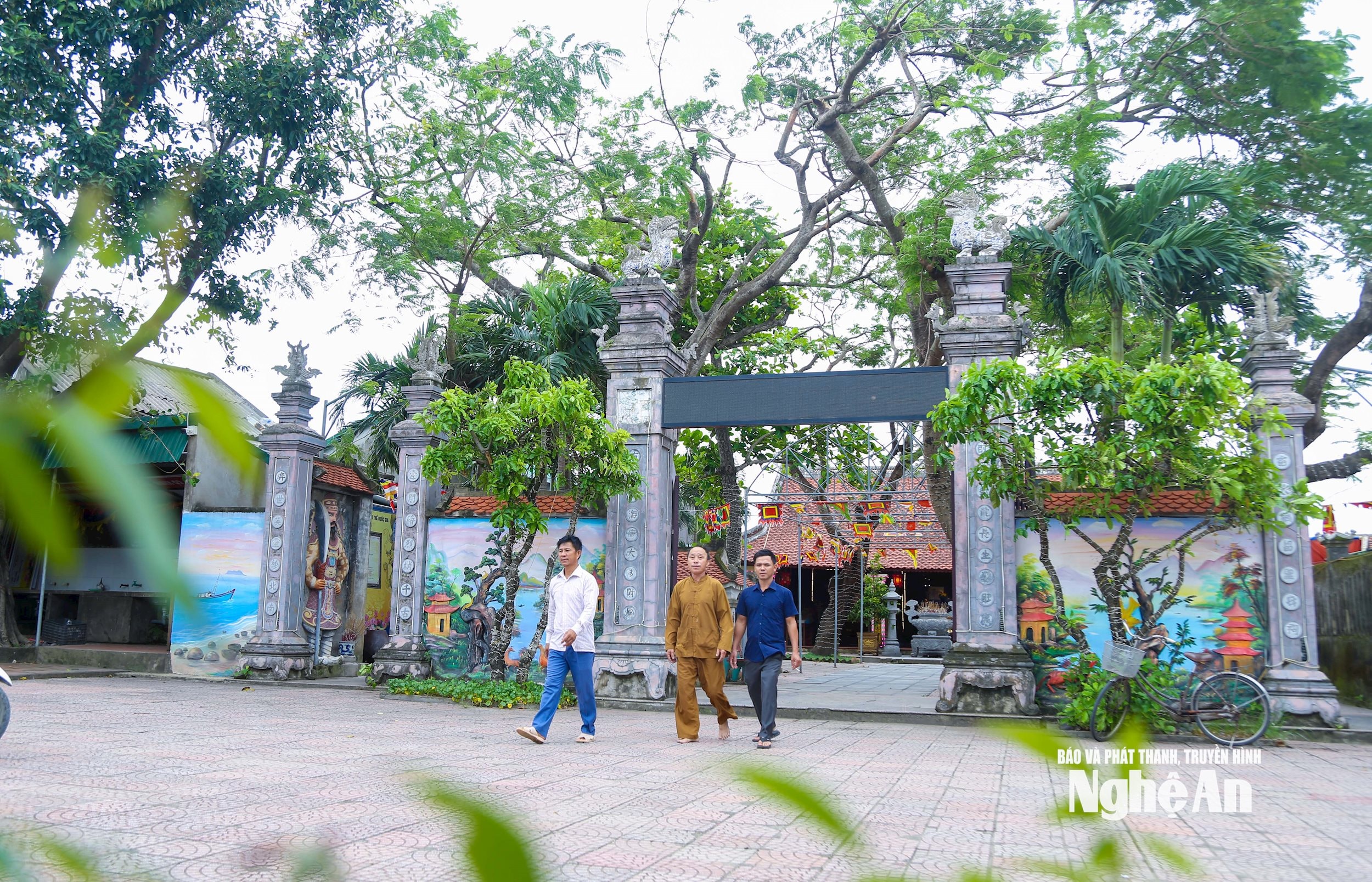
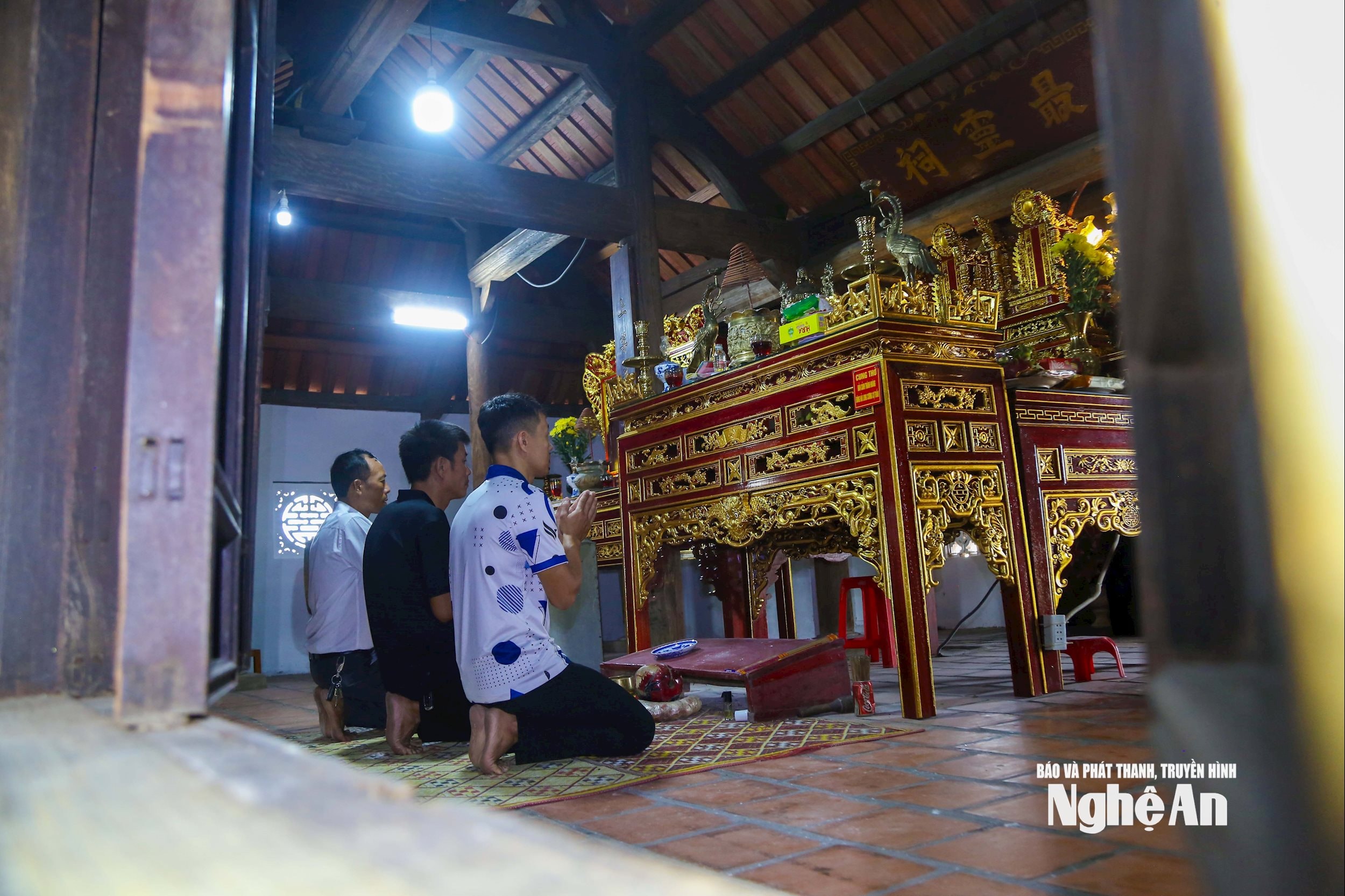
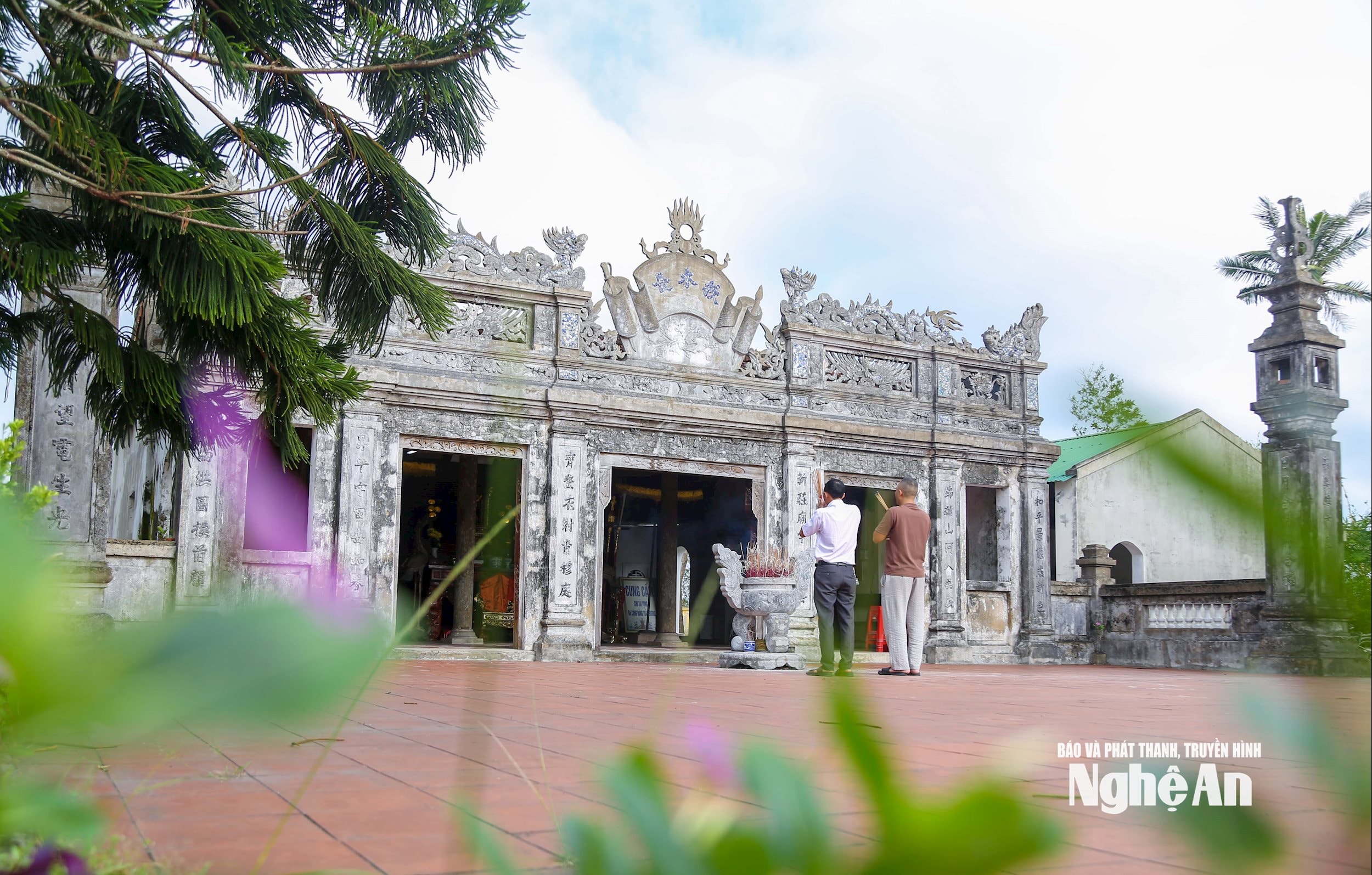
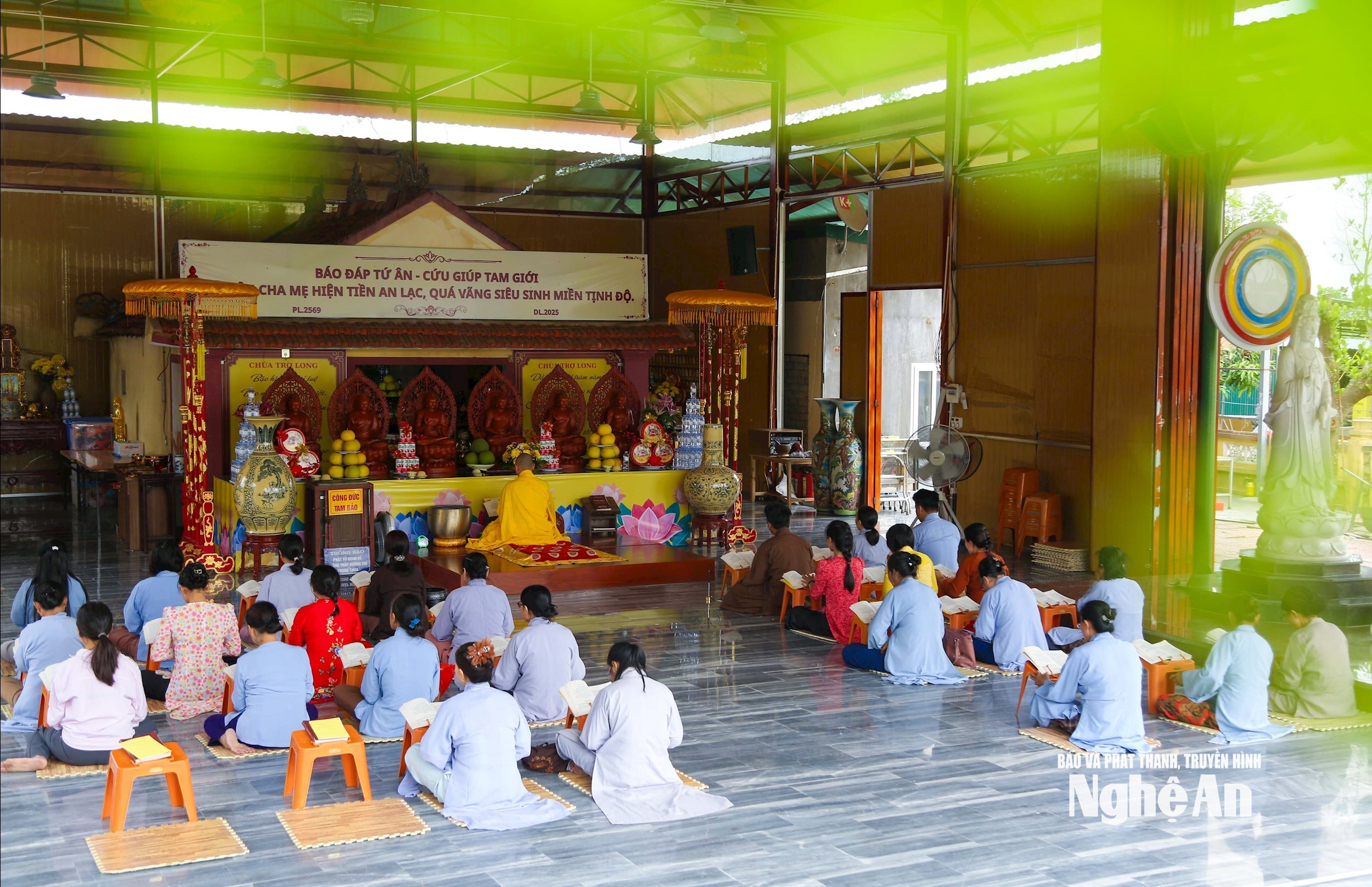
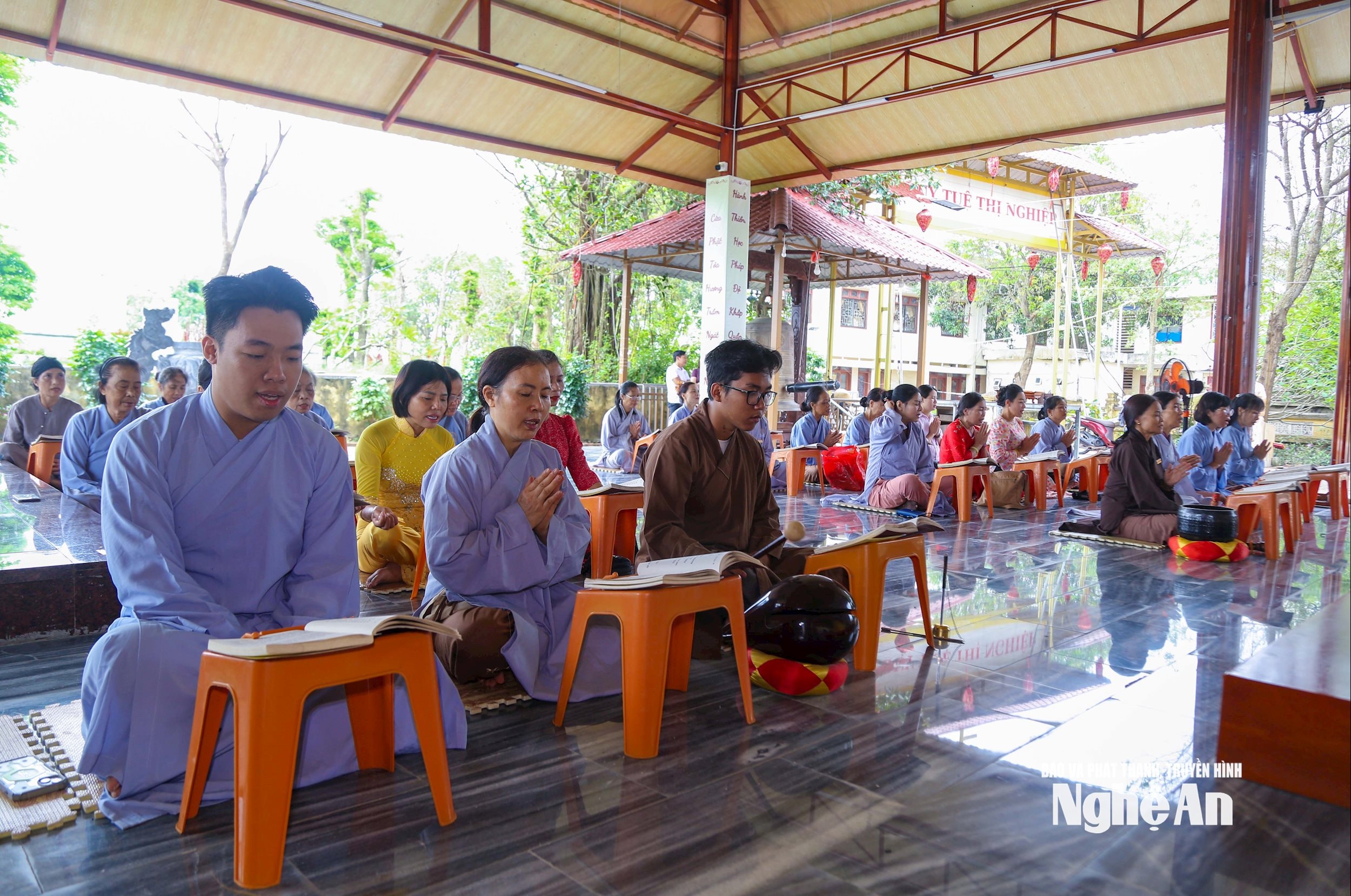
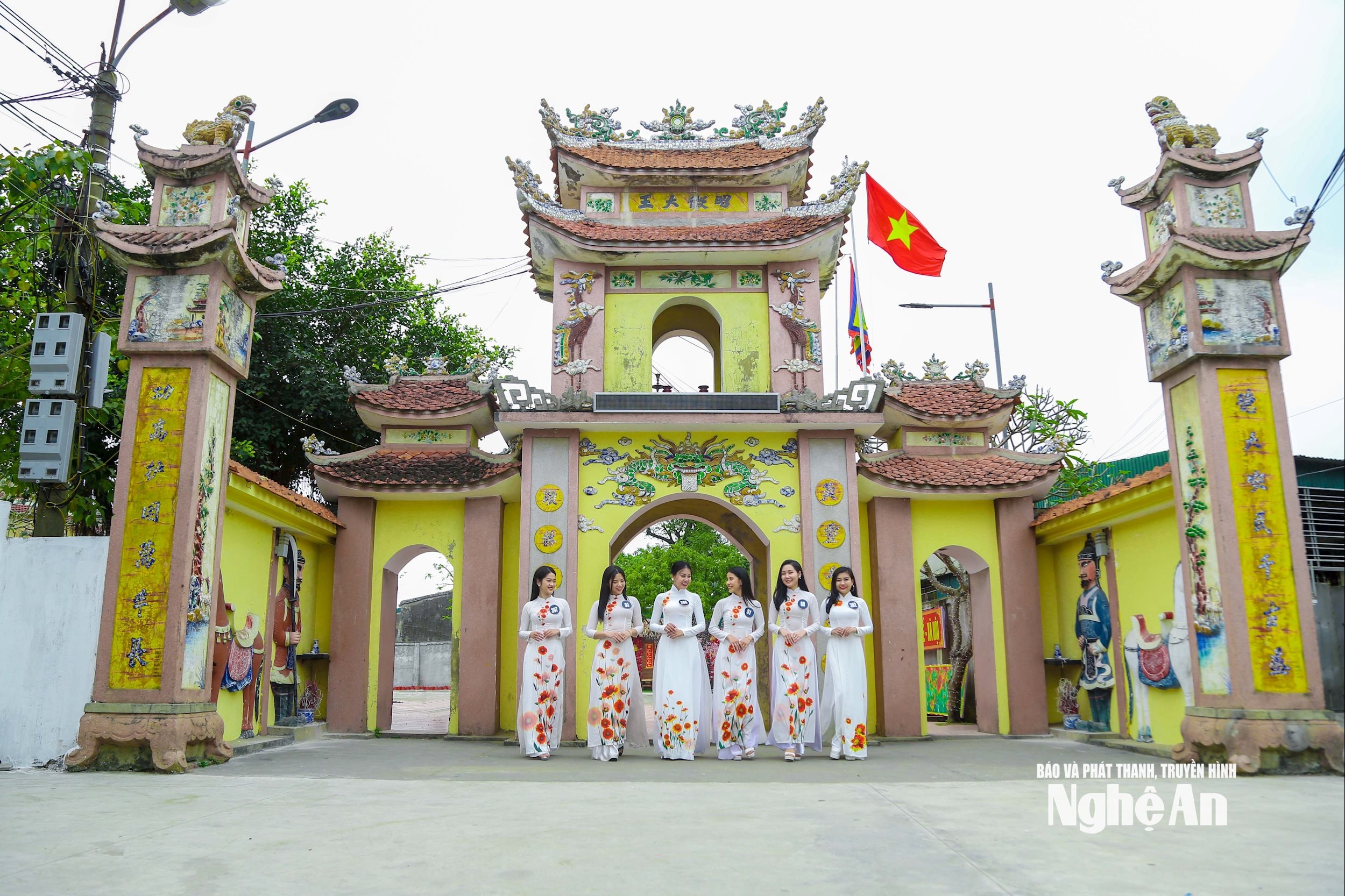
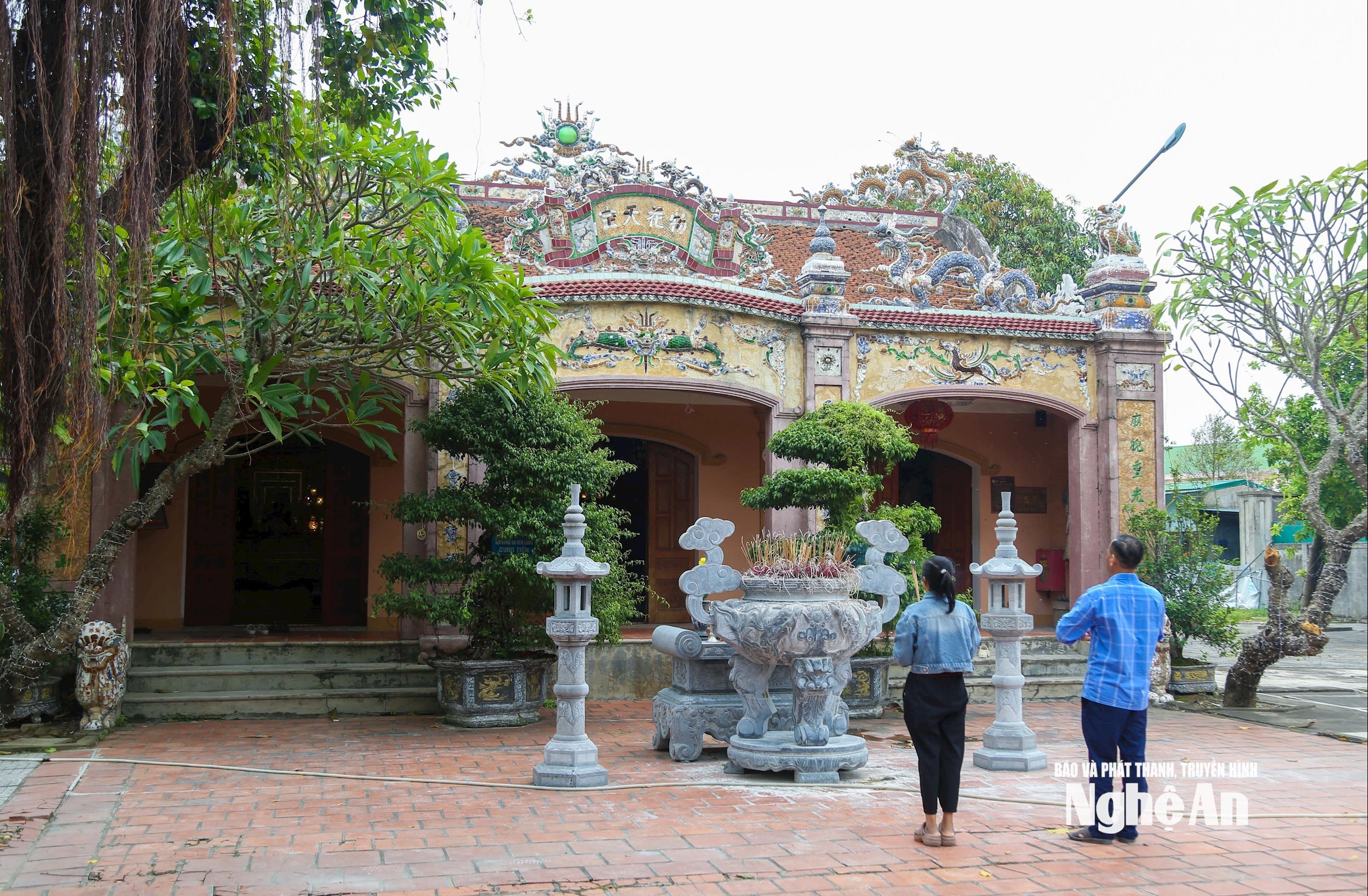
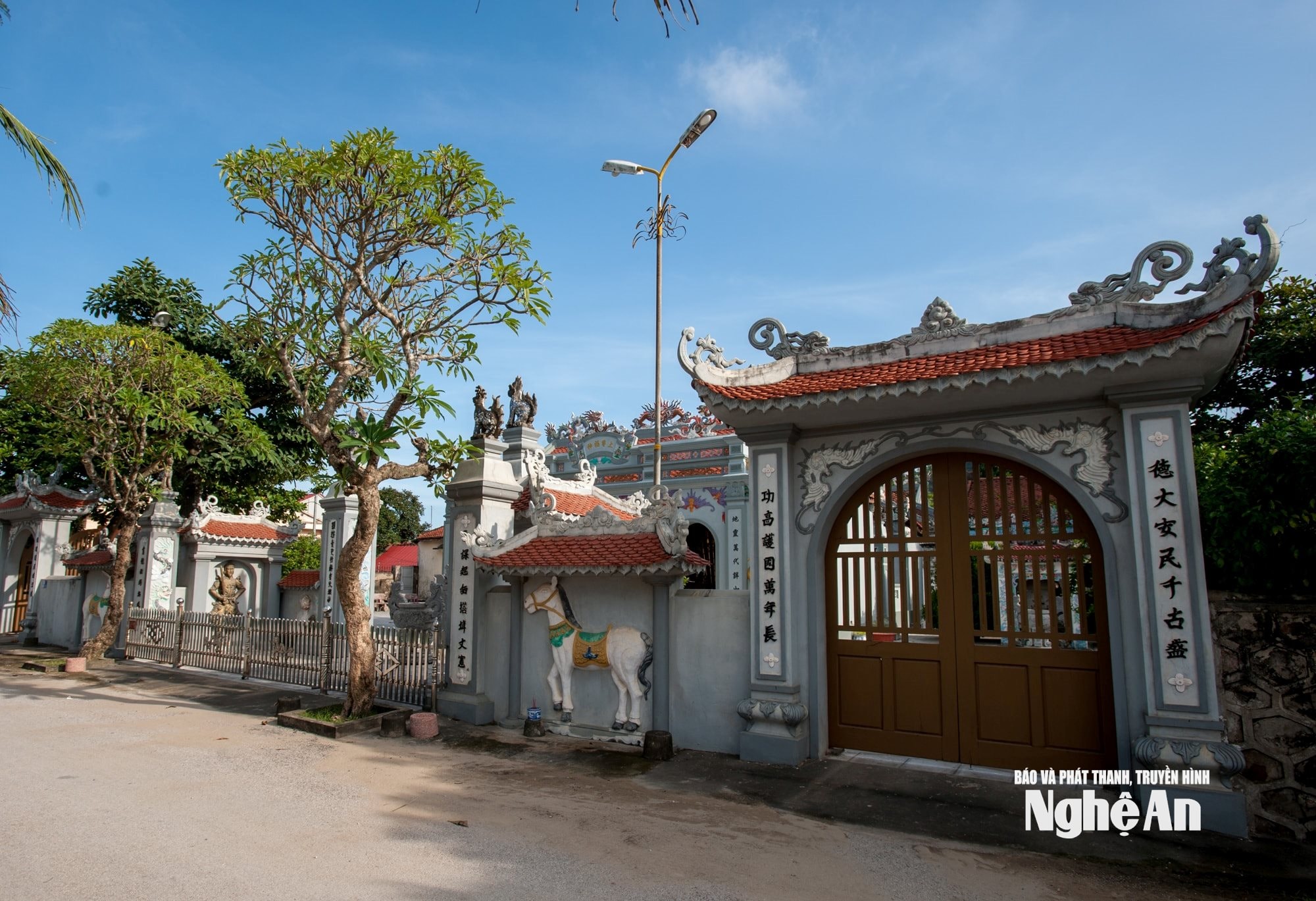
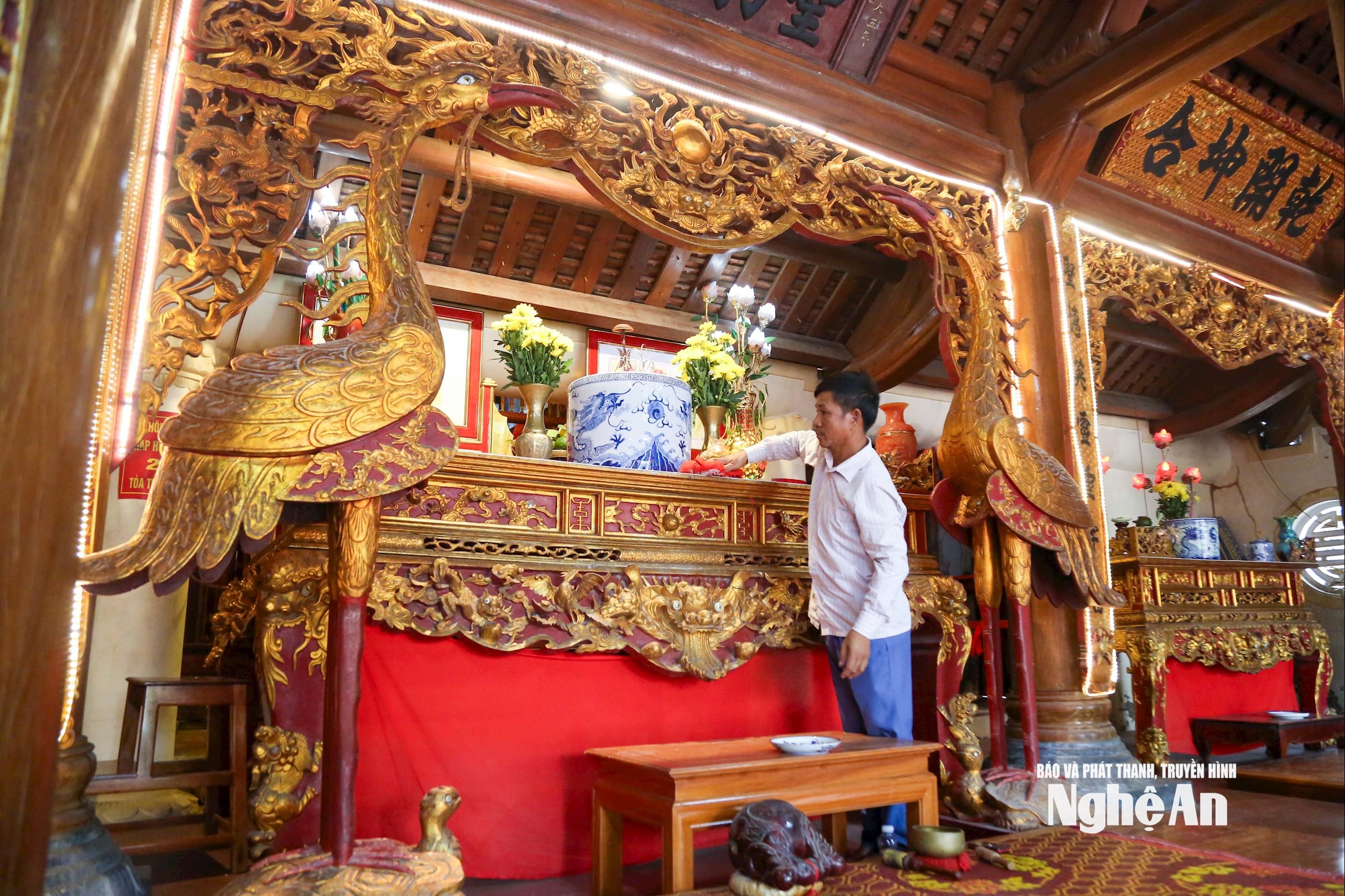
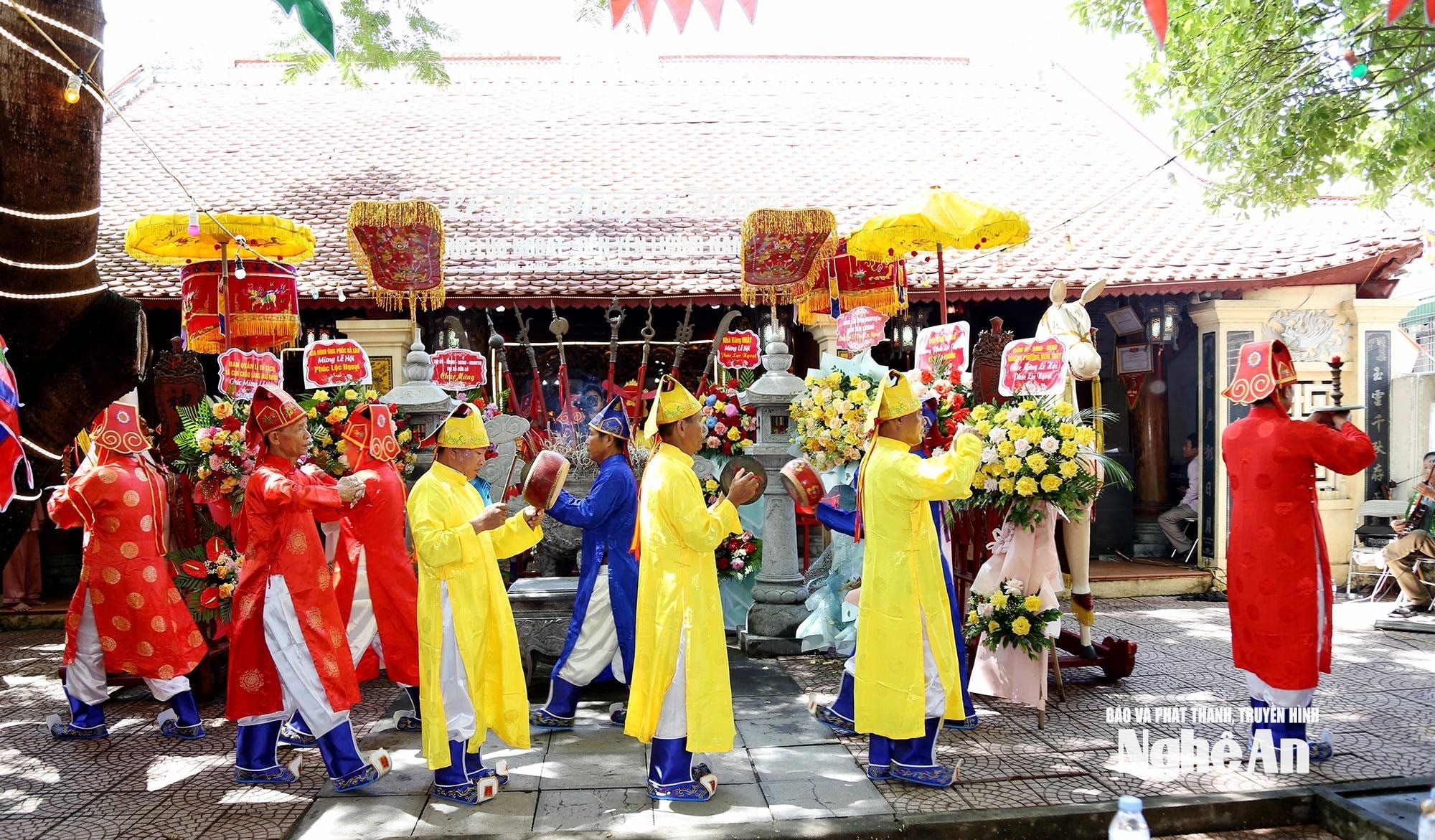
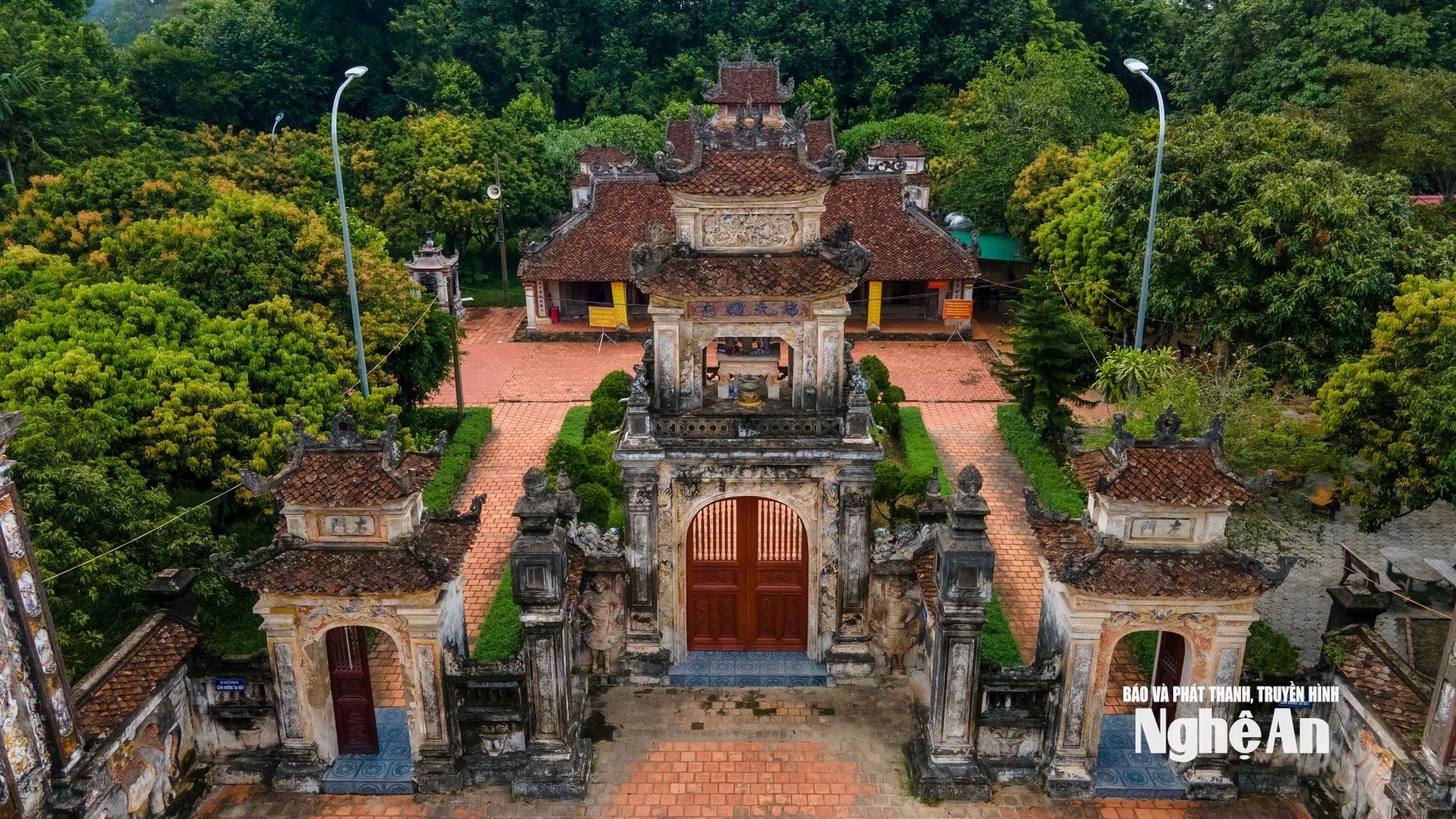
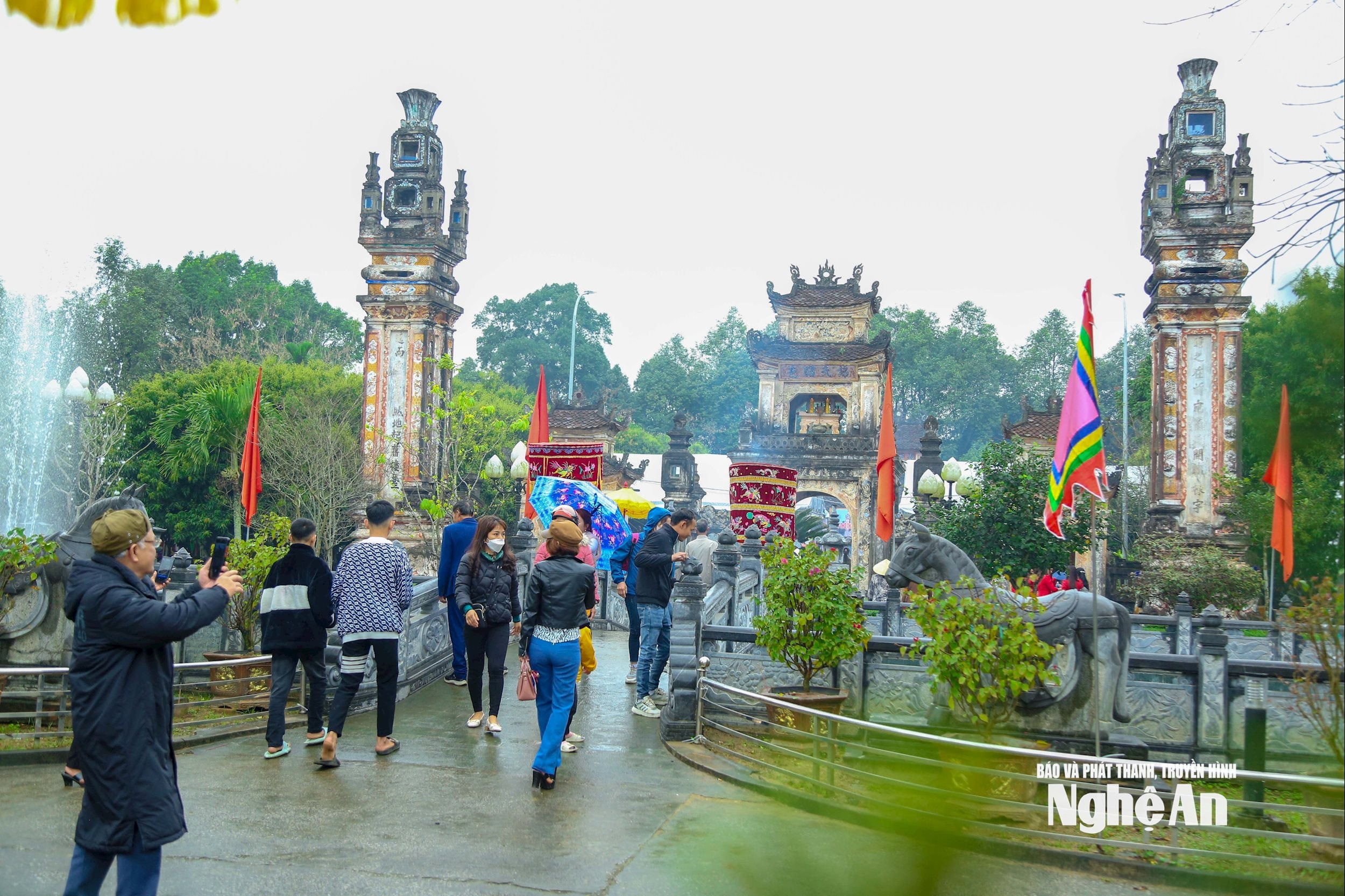
Nestled amidst coastal residential areas, the temples and pagodas of Cua Lo have quietly existed for hundreds of years, serving as places where people return for holidays, festivals, before fishing trips, or when life is hectic, seeking refuge, faith, and peace amidst the modern pace of life. Photo: Dinh Tuyen In Nghi Thu hamlet, the Bau Loi Temple (also known as Thu Lung Temple), built during the Tran Dynasty, worships the deities Cao Son and Cao Cac. It also includes the worship of the secondary deity Hoang Khac Dong, a Le Dynasty official who contributed to protecting the nation and ensuring peace for the people, along with the Three Holy Mothers and the local tutelary deity. Photo: Dinh Tuyen The temple covers an area of over 3,800 m² with a system of three gates, lower, middle, and upper halls; among which the lower hall is a structure bearing unique architectural features. For nearly seven centuries, the temple has remained an important spiritual anchor for the local people. Photo: Dinh Tuyen Also in Nghi Thu, Tro Long Pagoda has a history dating back to before 1547, with the traces of the pagoda's well clearly showing its age. Photo: Dinh Tuyen The temple is a place where people often come to worship Buddha, pray for peace, and find tranquility amidst the bustling life of the developing coastal city. Photo: Dinh Tuyen Following the coastal axis to Nghi Thuy hamlet, Mai Bang Temple is a typical destination of maritime beliefs. The temple is dedicated to General Le Khoi, Che Thang's wife Nguyen Thi Bich Chau, Thuy Tinh Phu Nhan, and six founding figures of the village. Photo: Dinh Tuyen For fishermen, this is a sacred place before each fishing trip, where they pray for calm seas and a bountiful catch. Every year, the temple holds a major festival in the 2nd and 5th lunar months, reflecting the rich cultural identity of the fishing community. Photo: Dinh Tuyen Also in Nghi Thuy district, Van Loc Temple was erected to worship Deputy Commander-in-Chief Nguyen Su Hoi, a famous general during the Le dynasty who contributed to attracting people to settle and establish Van Loc village with the hope of "abundant blessings flowing in." The temple is associated with the pioneering traditions, love of learning, and the seafaring spirit of the local people. Photo: Dinh Tuyen Not far from there is Yen Luong Temple, built in the year of Nham Tuat (1682), the 3rd year of the Chinh Hoa era under King Le Hy Tong. Having existed for nearly 350 years, the temple is a spiritual architectural work with a rich history and was recognized as a provincial-level historical relic in 2012. Photo: Dinh Tuyen This place is notable for the Phuc Luc Ngoat Festival, a major festival of the coastal residents, which was revived in 2007 and is held every three years. Photo: Dinh Tuyen Located about 2km from Cua Lo ward, Nguyen Xi Temple sits at the confluence of the Cam River and Lo stream in Dong Loc commune. It is a place of worship for Grand Tutor Cuong Quoc Cong Nguyen Xi, a founding meritorious official of the early Le Dynasty. Photo: Dinh Tuyen Grand Tutor Cương Quốc Công Nguyễn Xí was not only a founding figure of the Lê dynasty but also played a significant role in establishing, protecting, and shaping the Cửa Lò region as it is today. From a base along the river and sea, he organized land reclamation, stabilized the population, and laid the foundation for the long-term development of a historically significant area, closely linked to both the sea and agriculture . (Photo: Đình Tuyên) Along that route, Cua Lo emerges not only as a resort destination but also as a sacred land, where history, beliefs, and the life of the coastal inhabitants intertwine, creating enduring depth for a coastal tourist city in Nghe An province. Photo: Dinh Tuyen
.jpg)

 Báo Nghệ An•23/12/2025
![[Photo] Prime Minister Pham Minh Chinh attends the inauguration ceremony of the Vietnam Space Center.](https://vphoto.vietnam.vn/thumb/1200x675/vietnam/resource/IMAGE/2026/03/13/1773397068038_ndo_br_dsc-3366-jpg.webp)

![[Infographic] Essential Information About Election Day](https://vphoto.vietnam.vn/thumb/1200x675/vietnam/resource/IMAGE/2026/03/14/1773454962599_ngay-bau-cu-095431_652-100257.webp)
![[Photo] Thousands of tourists visit the Quang Trung Emperor Temple in Nghe An during the early spring season.](https://vphoto.vietnam.vn/thumb/402x226/vietnam/resource/IMAGE/2026/02/26/1772095410680_img-9305-3882-jpg.webp)












![[Photo] Ho Chi Minh City decorated with flags and flowers ahead of election day.](https://vphoto.vietnam.vn/thumb/1200x675/vietnam/resource/IMAGE/2026/03/13/1773392076518_anh-man-hinh-2026-03-13-luc-15-53-29.png)

































Comment (0)