

On the afternoon of November 27th, during the National Assembly's discussion on the draft Law on Special Consumption Tax (amended), many delegates disagreed with increasing the special consumption tax on air conditioners, arguing that they are not luxury items.
Air conditioning is a necessity.
Speaking in the discussion, delegate Ha Sy Dong ( Quang Tri delegation) stated that air conditioners have been subject to excise tax since 1998 at a rate of 20%, which was reduced to 10% in 2008. In the draft Law on Excise Tax (amended), the Government proposes to maintain this tax rate.
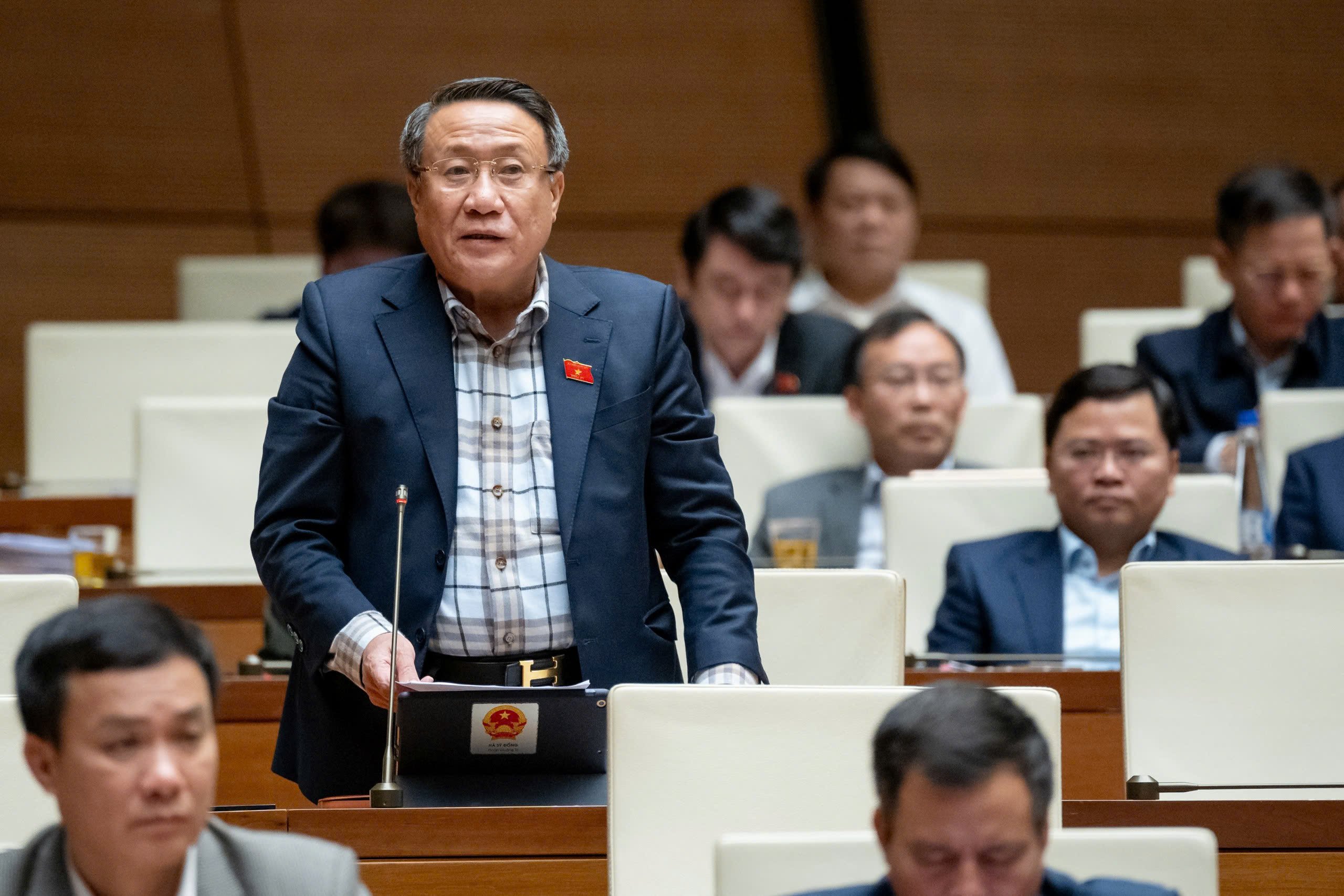
Delegate Ha Sy Dong (Quang Tri Delegation).
According to the delegates, air conditioners used to be considered a luxury item. However, with the development of modern society, air conditioning has become an essential need in work and life.
Studies in many countries have shown that maintaining a suitable room temperature has a very positive effect on improving intellectual productivity.
This is especially significant for Vietnam, given our current focus on developing a knowledge-based economy .
He cited Singapore as an example of a country in the region that also experiences a hot and humid tropical climate like Vietnam, but has been very successful in using air conditioning to improve people's quality of life and develop a knowledge-based economy.
Vietnam is perhaps the only country in the world that levies an excise tax on air conditioners. Other countries regulate air conditioners based on two aspects: control of refrigerants and electricity consumption.
Currently, Vietnam has regulations to control refrigerants, aiming to reduce import quotas for refrigerants that negatively impact the ozone layer and contribute to the greenhouse effect.
According to feedback from businesses, due to reduced import quotas, the cost of purchasing refrigerants has been steadily increasing over the past few years, averaging an increase of about 15 to 20% annually.
At the same time, Vietnam has regulations on energy efficiency for air conditioners and is increasingly moving towards increasing minimum energy efficiency standards.
Therefore, the delegate proposed: "The excise tax on air conditioners is no longer necessary and should be abolished."

Representative Truong Trong Nghia (Ho Chi Minh City delegation) also opposed including air conditioners in the special consumption tax scheme.
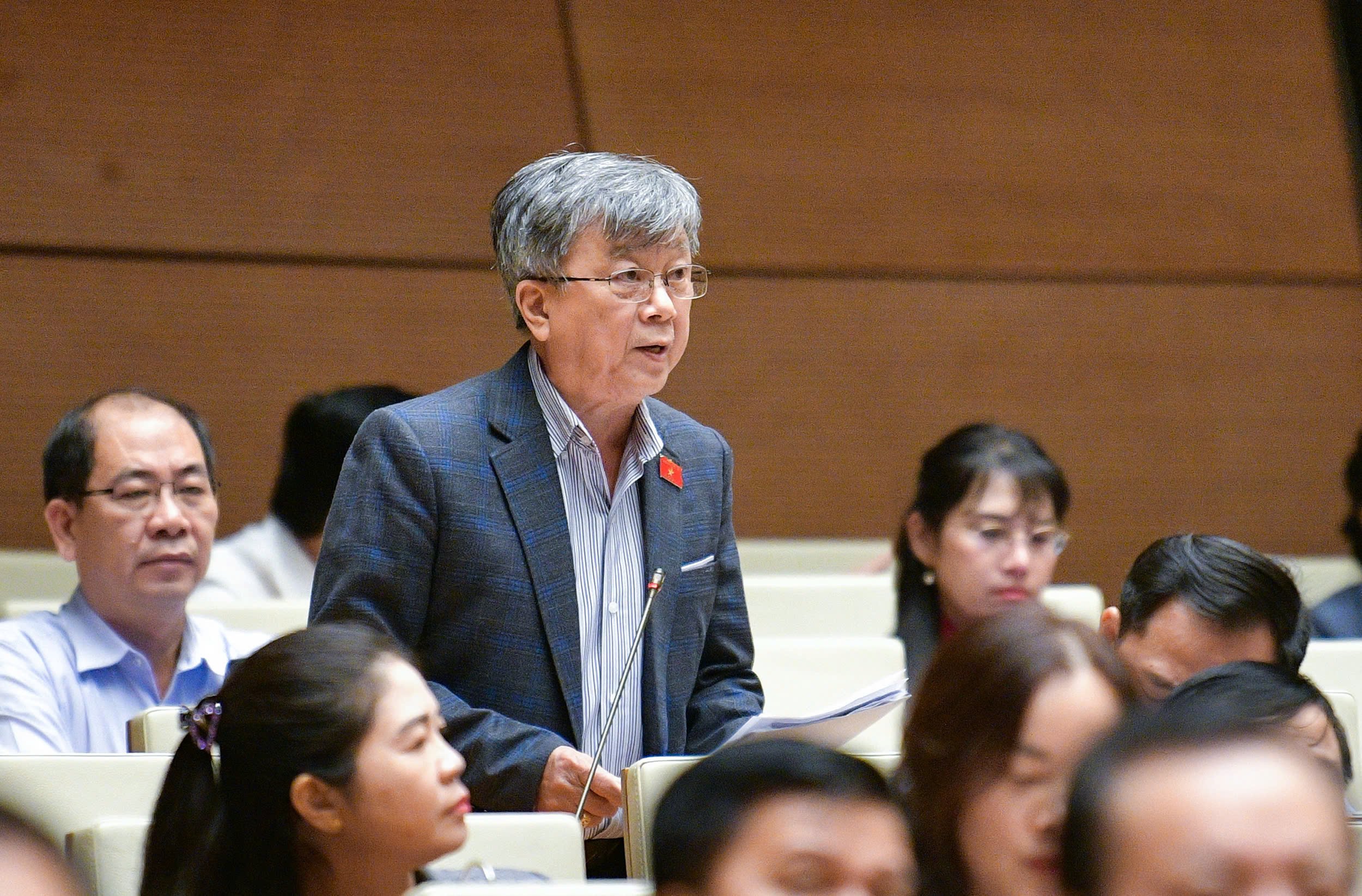
Delegate Truong Trong Nghia (Ho Chi Minh City Delegation).
"Air conditioning helps people live better. It's best to provide guidance on how to use air conditioners, when to use them, and how to use them, rather than imposing excise taxes," the representative said.
Air conditioners are not a luxury item.
Concurring with this view, delegate Pham Van Hoa (from Dong Thap province) stated that air conditioning has become an essential need, indispensable for those of middle class and above.
"As Representative Nghia said, if we increase the tax on this item now but don't allow its use, we'll probably go back to the Stone Age," Mr. Hoa said, emphasizing that this is an essential item that people are already using, so increasing the tax on this item is unnecessary.
He pointed out how much money was gained from the tax increase while causing inconvenience and dissatisfaction among the people.
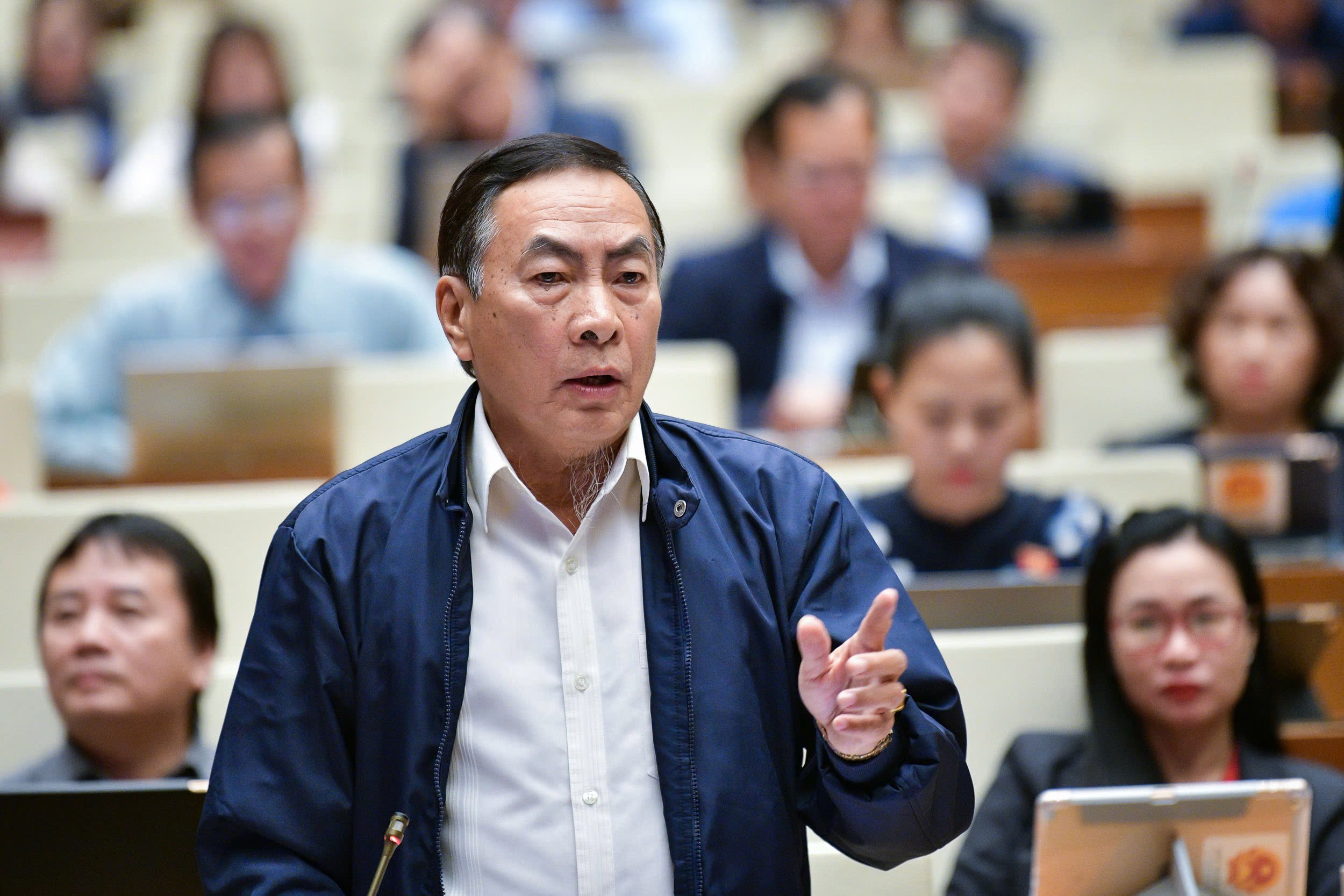
Representative Pham Van Hoa (Dong Thap Delegation)
Agreeing with the opinions of delegates Ha Sy Dong, Pham Van Hoa, and Truong Trong Nghia, delegate Nguyen Thi Viet Nga (Hai Duong delegation) pointed out that the current regulation regarding air conditioners as subjects of special consumption tax is no longer appropriate.
The application of excise tax on air conditioners has been in place since 1998; however, the current socio-economic development is very different from that time.

Representative Nguyen Thi Viet Nga (Hai Duong Delegation)
Air conditioners are now used as essential appliances due to climate change and socio-economic development.
"Most families now use air conditioners, even low-income housing and student rentals are equipped with air conditioning. This shows that it is no longer considered a luxury item for high-income earners," Representative Nga analyzed, suggesting that this regulation should be reconsidered.
In his explanation and clarification, Deputy Prime Minister and Minister of Finance Ho Duc Phoc stated: In fact, many countries around the world have implemented taxes on air conditioners, such as South Korea, India, Norway, and the UK...
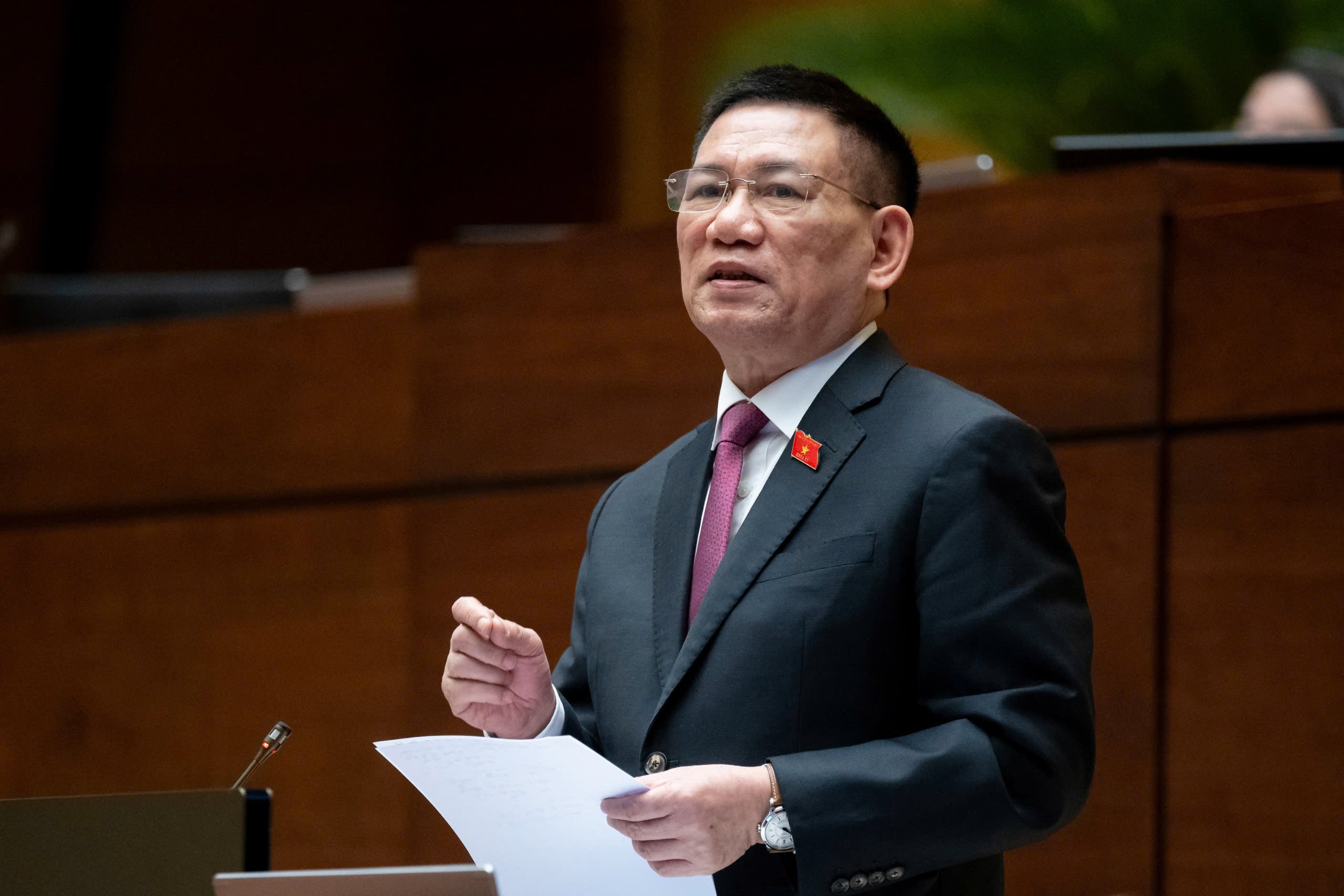
Deputy Prime Minister and Minister of Finance Ho Duc Phoc provided clarification and explanation.
Based on the opinions of the delegates, the Government has incorporated them into Article 2, Clause 3 of the Draft Law, stipulating that the Government shall amend and supplement the subjects to suit the socio-economic development process, including amending and supplementing the list of air conditioning products subject to and exempt from tax rates as appropriate.
For example, air conditioners that use renewable energy will not be subject to excise tax.
Source: https://www.baogiaothong.vn/dai-bieu-quoc-hoi-khong-nuoc-nao-danh-thue-tieu-thu-dac-biet-voi-dieu-hoa-192241127174256213.htm

















































![[Video] Sunset at Lap An Lagoon – Where the sun sets over the fishing nets](https://vphoto.vietnam.vn/thumb/1200x675/vietnam/resource/IMAGE/2026/05/31/1780192137701_beach-landscape-sea-water-nature-grass-745871-pxhere-com.jpeg)






























Comment (0)