1. Some misconceptions

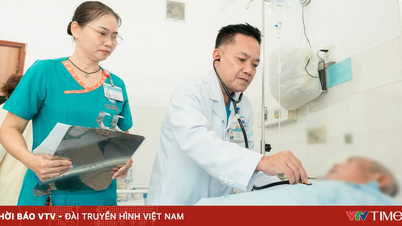
Dr. Bui Thi Thuy, Head of the Adult Nutrition Counseling Department, National Institute of Nutrition.
- Starving cancer cells
The most common belief among cancer patients is that they must "abstain" from many foods to "starve" cancer cells. Many patients completely cut out carbohydrates, abstain from meat and fish, only drink vegetable juices, or adopt extreme macrobiotic diets in the hope that tumor growth will be slowed.
In fact, cancer cells need energy to grow, especially glucose. At the same time, all normal cells in the body also need glucose to maintain vital functions, especially the brain, nervous system, and red blood cells. Therefore, fasting or completely cutting out carbohydrates cannot "starve" cancer cells alone.
When patients eat too little or restrict their diets excessively, their bodies experience energy deficiency, weakened immunity, and significant muscle loss. Meanwhile, cancer cells can still utilize other energy sources from the patient's own body to continue growing.
- Replacing meals entirely with juices or vegetables.
Many people believe that juice helps "detoxify the body" or "naturally kill cancer cells." However, juice cannot provide the body with all the necessary protein, fat, vitamins, and minerals. If prolonged, this diet can lead to malnutrition, anemia, fatigue, and reduced response to treatment. Furthermore, consuming too little protein due to avoiding meat, fish, and eggs can cause muscle loss, weakened immunity, and slower recovery after chemotherapy, radiation therapy, or surgery.

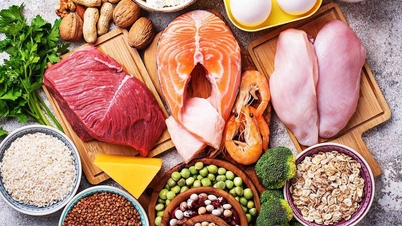
Cancer patients should eat foods rich in protein.
- Adopting an unproven diet
Many diets are advertised on social media as being able to "cure cancer," "detoxify," "alkalize the body," or "naturally kill cancer cells." However, most of these methods lack clear scientific evidence. Some extreme diets can even cause electrolyte imbalances, micronutrient deficiencies, and force patients to stop treatment due to severe physical weakness. Therefore, patients should be cautious about unverified information or advertisements.
2. Principles of food selection for cancer patients
A diet for cancer patients should prioritize variety, balance, and suitability to each individual patient's tolerance.
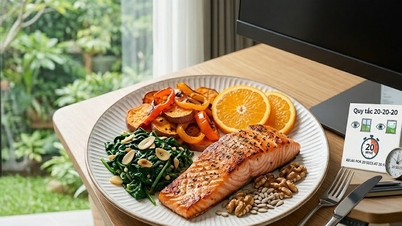
Patients should prioritize foods that are high in energy and protein. Foods such as fish, lean meat, eggs, milk, yogurt, cheese, shrimp, crab, tofu, and legumes are beneficial for maintaining muscle mass, limiting weight loss, and improving recovery. The amount of protein needed depends on the stage of the disease and requires consultation with a clinical nutritionist and treating physician.
Carbohydrates remain an important source of energy and should not be eliminated entirely. Patients should prioritize healthy sources of carbohydrates such as rice, oatmeal, sweet potatoes, whole-wheat bread, or whole-grain cereals.
For vitamins and minerals, choose a variety of dark green, yellow, and red vegetables such as kale, pumpkin, carrots, tomatoes, cauliflower, oranges, grapefruit, or papaya...
In addition, it is necessary to limit processed foods, foods high in salt, sugar, or saturated fat. such as sausages, smoked meats, fried foods, processed soft drinks, and alcoholic beverages.
For patients with loss of appetite or significant weight loss, soft, easy-to-eat, and energy-rich foods such as meat porridge, soup, milk, smoothies, yogurt, or soft stews should be prioritized. Patients should divide their meals into 5–6 smaller portions per day instead of trying to eat a large amount at one meal.
If patients experience nausea or discomfort after chemotherapy, they should choose foods with little odor and easy to digest, such as bread, porridge, soft rice, potatoes, or soft fruits. Eating them cold or slightly warm can help reduce nausea. At the same time, they should limit foods that are too greasy or too spicy.
Patients should seek nutritional advice early, especially if they experience symptoms such as rapid weight loss, persistent loss of appetite, difficulty swallowing, diarrhea, or excessive fatigue. A nutritionist will help develop a diet plan tailored to the specific type of cancer, treatment stage, and overall health condition.
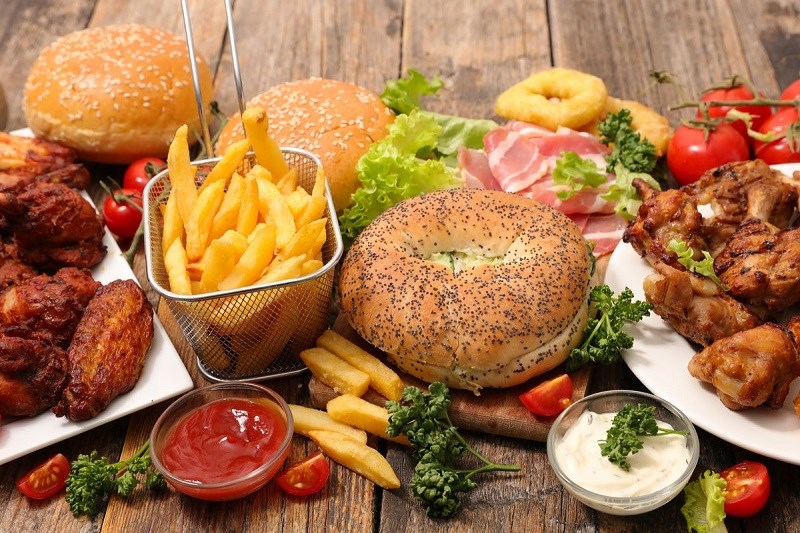
Patients should limit their intake of fatty foods.
3. Sample menu (2,000 kcal)
Meal | Menu 1 | Menu 2 | Menu 3 | |
Minced meat porridge | Whole wheat bread | Chicken pho | ||
Bowl of porridge: 100g (rice) | Bread: 170g (1 loaf) | Rice noodles: 150g | ||
Minced pork: 50g You may also like  Ministry of Health: Clinical nutrition is an essential component in comprehensive cancer treatment.According to the Ministry of Health's guidelines, cancer is currently one of the leading causes of disease and mortality worldwide and in Vietnam. Clinical nutrition is considered an essential component in the comprehensive treatment of cancer patients.  Rare case: A perch lodged in a man's esophagus leaves him in critical condition.While pulling in his fishing net, a man in Can Tho was critically injured when a tilapia fish got stuck in the junction of his throat.  Good news: Omega-3s may be a "shield" against pancreatic cancer.A new study has provided further evidence of the health benefits of omega-3s. According to the study, a diet rich in omega-3s from fish oil may reduce the development of pancreatic cancer by up to 50% in animal models. | Fried egg: 50g (1 egg) | Chicken meat: 50g | ||
Cooking oil: 5g | Cooking oil: 5g | Guava: 150g (1 fruit) | ||
Apples: 100g | Cucumber: 150g | Cooking oil: 5g | ||
Breakfast snack | Fresh milk: 180ml | Yogurt: 1 container (100g) | Fresh milk: 180ml | |
Lunch | Rice: 2 half bowls (150g of rice) | |||
Salmon: 100g | Beef stir-fried with celery: Beef: 100g Celery: 30g Cooking oil: 5g Sesame seeds: 20g | Steamed fish with ginger: 80g | ||
Tofu in tomato sauce: Tofu: 40g Tomatoes: 30g Cooking oil: 5g | Fried spring rolls: 2 pieces Cooking oil: 5g | |||
Boiled chayote: 150g | Sweet potato leaf soup: 150g | Boiled vegetables: 150g | ||
Apples: 100g | Dragon fruit: 100g | Guava: 150g | ||
Dinner | Rice: 1.5 bowls (120g of rice) | |||
Roasted meat: 50g | Pumpkin soup with minced meat:  Vietnam encourages US businesses to expand investment in high technology.On the morning of June 26th, at the Government Headquarters, Deputy Prime Minister Ho Quoc Dung received Mr. Jeff Place, Supply Chain Director of Coherent Group (USA). During the meeting, the Deputy Prime Minister affirmed that Vietnam encourages US businesses to expand investment, especially in high-tech, innovation, and semiconductor industries.  Encourage U.S. businesses to expand investment in high-tech sectors.Deputy Prime Minister Ho Quoc Dung said that Vietnam welcomes US businesses to continue expanding their operations in Vietnam, especially in high-tech industries and sectors with high added value.  Vietnam and the United States strengthen cooperation in addressing the consequences of war.VTV.vn - On June 22, General Secretary and President To Lam received Acting Secretary of the US Navy Hung Cao. Pork: 70g Pumpkin: 100g | Pork ribs stewed with vegetables: Ribs: 100g Vegetables: 100g | ||
Fried shrimp: 30g | Fried eggs: 50g | Sesame seeds: 20g | ||
Gourd soup: 200g | Boiled green beans: 100g | Tofu: 40g | ||
Evening snack | 180ml fresh milk | 180ml fresh milk | 180ml fresh milk | |
See more trending articles:
Source: https://suckhoedoisong.vn/kieng-khem-co-lam-doi-te-bao-ung-thu-169260625182655908.htm