

My mother told me that, on the day I was born, my father left the family to go south to fight the enemy. From the time I was a toddler until I was in the fourth grade, my father returned home, much to the overwhelming joy of the family, and he reunited with my mother in a tight embrace.
My father's belongings consisted of a small backpack containing old clothes, a pair of rubber sandals, a rice bowl, and a handkerchief embroidered with two doves in red thread. Most notably, he cherished and carefully kept his small, worn-out "Battlefield Diary" in his breast pocket. On nights of incessant rain, which seemed to awaken the sleepless night, he would take out the old, worn-out "Battlefield Diary," examining it, flipping through the pages, and reminiscing about the past. Each time we saw him do this, my siblings and I would watch curiously, discussing it amongst ourselves.
 |
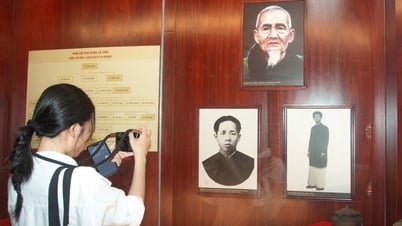
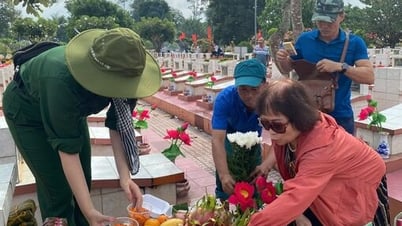
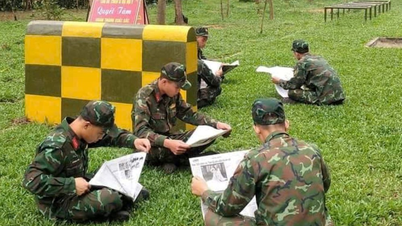
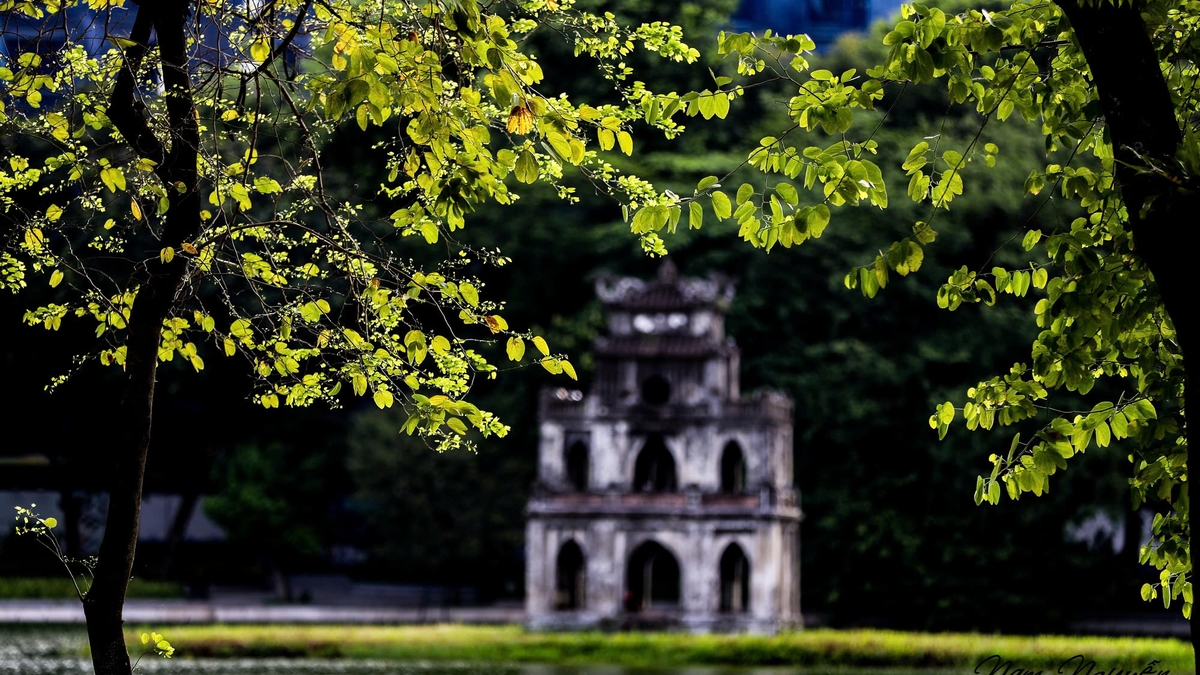
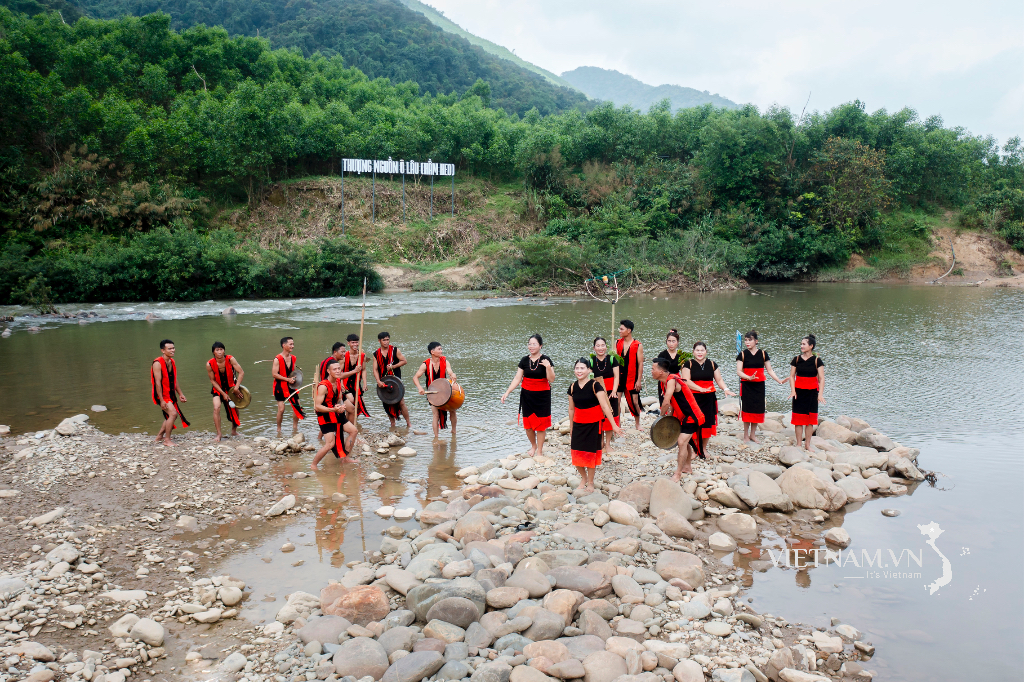
| Illustrative image. |
Driven by childhood curiosity, whenever our father went away, we would secretly open the cupboard, take out the diary, and excitedly read and discuss it. Once, my mother told my father, "The diary isn't torn yet, so let the children read it. Why keep it to yourself? Reading it will help them understand the sacrifices and losses of previous generations, so they can live worthy lives." At first, my father disagreed, fearing it would get damaged, but eventually, he gave us the diary. It contained his neat handwriting, recounting his days fighting alongside his comrades, his bouts of malaria, his hastily prepared bamboo shoot soup, and his overwhelming homesickness—he recorded it all in there.
Seeing us read, my mother was happy and let us satisfy our curiosity. From then on, life became increasingly modern, and our bookshelves were filled with beautiful, expensive books, but my father's diary remained a treasure in our home. The smoke and fire of war could not break my father, yet the pain in his chest took him to a distant land. The "Battlefield Diary" still sits in the corner of the cupboard, a reminder of the time my father lived and fought so hard. I grew up, following in my father's footsteps, and joined the army. Whenever I return to our simple tiled house and look through the memories of my father, my heart is filled with overwhelming emotion.
HOANG HANH
Source
![[Image] A night of light, many layers of message](https://vphoto.vietnam.vn/thumb/1200x675/vietnam/resource/IMAGE/2026/03/10/1773158812907_hoa-nhac9-jpg.webp)










































Comment (0)