

International visitors continue to increase.
Huynh Thanh Tam, 35, recounted his recent trip to Vietnam with a group of foreign friends for over a week, mainly in Nha Trang and Da Nang. "My four friends included three from China and one Australian of Vietnamese descent. They particularly enjoyed the vibrant nightlife, delicious street food, stunning sea views, and diverse accommodation options. Another plus point in the eyes of international friends is that Vietnamese people are very enthusiastic, friendly, and readily offer assistance and guidance when needed," Tam said.
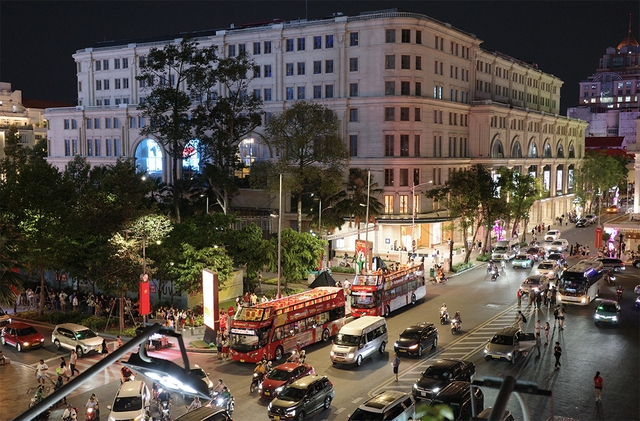
Ho Chi Minh City leads the country in receiving international tourists.
PHOTO: LE NAM
According to the latest figures, in February 2026, Vietnam welcomed over 2.2 million international tourists, marking the third consecutive month exceeding 2 million. This is considered a significant milestone, demonstrating Vietnam's growing attractiveness on the regional and global tourism map, especially in the context of global tourism being affected by instability stemming from conflicts in the Middle East.
According to Mr. Tang Thong Nhan, Deputy Head of the Faculty of Tourism - Restaurant - Hotel Management at Ho Chi Minh City University of Technology (HUTECH), the peak season for international tourists usually falls during the winter months in Western markets, lasting from around November of the previous year to the end of February of the following year. This is when the weather in Europe and North America is cold, so tourists tend to shift to warmer destinations like Southeast Asia. The first three months of the year in Vietnam coincide with the festival season, with many cultural activities, and favorable weather conditions at coastal destinations like Phu Quoc and Nha Trang, with less rain and storms and a pleasant climate, making them attractive choices.
However, global travel is being strongly impacted by geopolitical factors, leading to rising fuel prices and directly affecting airfares. The lag in fuel price impact on airfares is typically around 2-3 weeks. Therefore, from mid to late March, airfares begin to show a noticeable increase. This will affect travel demand, especially in distant markets.
From another perspective, Mr. Huynh Van Thanh, M.Sc., from the University of Gloucestershire Vietnam (UEF), analyzes that compared to many countries in the region such as Thailand or Singapore, the cost of tourism in Vietnam remains more reasonable, from accommodation and food to experiences. In the context of a still challenging global economy, competitive pricing makes Vietnam a preferred choice. In addition, a relaxed visa policy also plays a significant role in attracting international tourists.

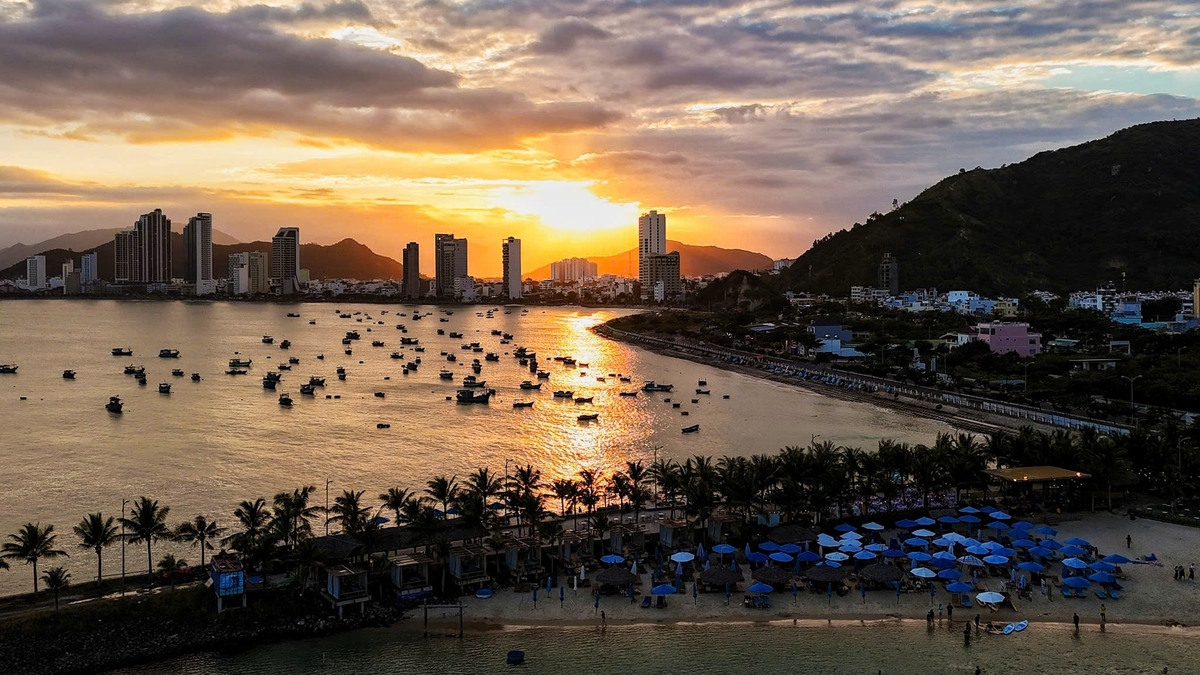
Vietnam consistently attracts over 2 million international tourists each month.
PHOTO: LE NAM
Another advantage is that the current structure of international tourists to Vietnam mainly comes from short- and medium-haul markets such as South Korea, China, and Southeast Asia, with flight times of only a few hours and less sensitivity to fluctuations in airfare.
"For the South Korean market, in addition to beach tourism at destinations like Da Nang, Nha Trang, and Phu Quoc, tourists are also interested in coffee-related experiences. Vietnam is one of the major coffee-producing countries, so destinations like Da Lat and Buon Ma Thuot are attracting tourists seeking these themed experiences," said Master Huynh Van Thanh.
However, experts also warn that from April onwards, the market may begin to feel the impact of rising international airfares, as well as entering the low season for international tourists. The number of visitors may slow down compared to the beginning of the year, but compared to other countries in the region, Vietnam still has the potential to maintain relatively good growth.
What needs to be done to maintain growth momentum?
According to Master's degree holder Tang Thong Nhan, rising fuel prices not only affect airfares but also lead to increased operating costs, food prices, and tourism services. If destinations experience sudden price increases or overcharging of tourists, it can easily generate negative reactions on online review platforms. Therefore, authorities need to strictly control the listing and selling prices at accommodation establishments, restaurants, and service providers. This role should not be limited to the provincial level but should be implemented at the ward/commune/special zone level in key tourism destinations.

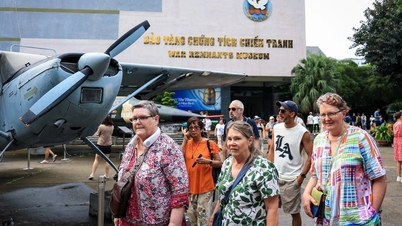
Chinese female tourists excitedly visit the Cu Chi Tunnels (Ho Chi Minh City).
PHOTO: LE NAM
Besides controlling prices, Mr. Nhan suggested that the tourism industry needs to proactively develop all-inclusive packages, combining airfare and accommodation, similar to how some destinations like Thailand have implemented similar packages. These packages help tourists easily visualize costs and increase competitiveness. "We need to promote the exploitation of specific market segments such as wedding tourism and event tourism, especially from India. Currently, many hotels and restaurants in Vietnam have invested in suitable menus (such as Halal, menus tailored to the market), so it is necessary to connect with event organizing companies to create complete products," Mr. Nhan proposed.
Experts generally agree that, given the potential decline in global travel demand, the market share will shrink, leading to more intense competition. Destinations with competitive pricing, favorable visa policies, and a positive image will prevail. Vietnam currently possesses many advantages, such as an open visa policy and significant international media coverage. The key is to maintain reasonable prices, uphold service quality, and capitalize on market trends to continue attracting international tourists.
"Vietnam's tourism industry needs to continue developing products tailored to each target market. For Korean tourists, focus could be placed on beach resorts and high-end hotels. For the Indian market, it's necessary to develop all-inclusive packages for wedding and event tourism with high standards and flexible service capabilities. Furthermore, the tourism industry needs to upgrade infrastructure, services, and organizational capabilities to meet the diverse, even highly specific, needs of each tourist group," suggested Mr. Huynh Van Thanh, M.Sc.
According to the latest update from the Henley Passport Index in March 2026, the Vietnamese passport has risen to 84th place in the world, an increase of 6 positions compared to the December 2025 ranking. With this ranking, Vietnamese citizens can now enter 48 countries and territories without needing a visa in advance or with simplified procedures such as visa on arrival, e-visa, or ETA.
Source: https://thanhnien.vn/lam-gi-de-duy-tri-da-tang-khach-quoc-te-185260324211158989.htm



























































































Comment (0)