

Mr. Ly Van Thang, a cultural and social affairs official in Ya Hoi commune, said: “The Mong village has 158 households with 745 people. The villagers mainly work in agriculture, and their lives are relatively stable because the land is fertile and favorable for cultivation.” Mr. Thang is also a Mong person. He said that most of the Mong people living in Ya Hoi come from the provinces of Cao Bang , Tuyen Quang, and Ha Giang… Among them, the most common clans are Ly, Dao, Hoang, Nong, Vuong, and Linh.
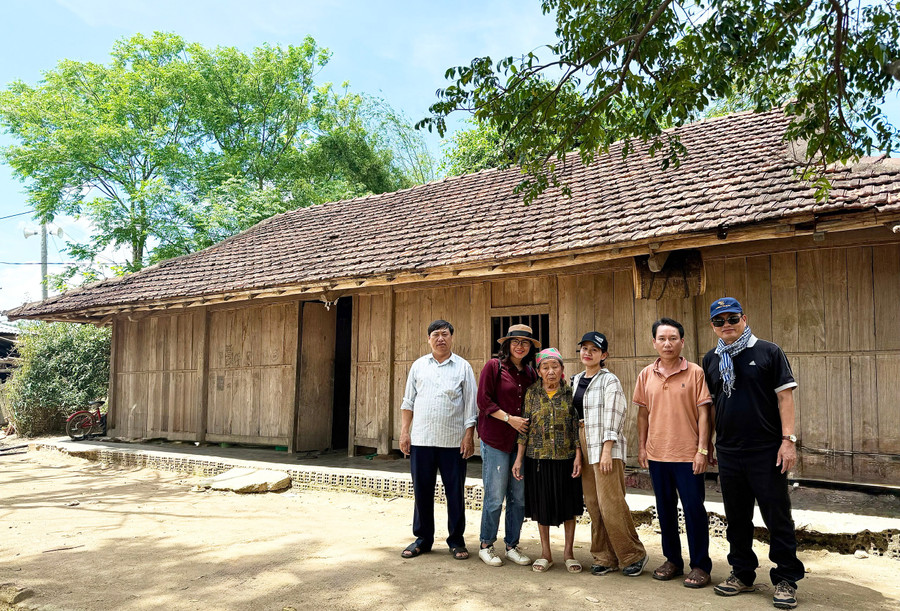
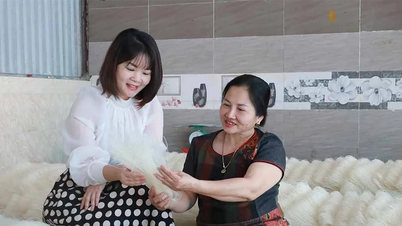
Mr. Thang took us to visit the home of the Party Branch Secretary and Village Head, Ly Kim Tuyen. In 1983, Mr. Tuyen's family was one of the first households from Cao Bang to settle in this area. His mother, Mrs. Luong Thi My, is 93 years old but still quite lucid.
Ms. My shared: Although she has integrated and become familiar with the living space, climate, and customs of the people here, she has never forgotten the traditional cultural identity of the Hmong people. Her children, grandchildren, and the entire Hmong village feel the same way.
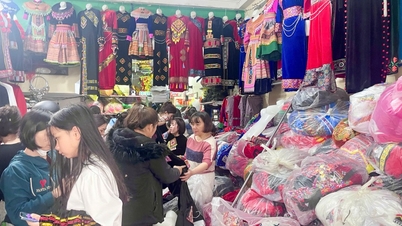
Ms. My said: For Hmong women, sewing their own traditional costumes is very important. It not only reflects the unique cultural values of the ethnic group that have been passed down, but also measures the skill and resourcefulness of the women.
However, nowadays, the younger generation growing up here no longer knows how to sew traditional clothing and often buy ready-made ones to wear on festivals or events. This is partly because it's difficult to find the right materials, while the process of creating a complete product takes a lot of time and effort. Therefore, the colorful and eye-catching traditional costumes are all sent from their hometown of Cao Bang.
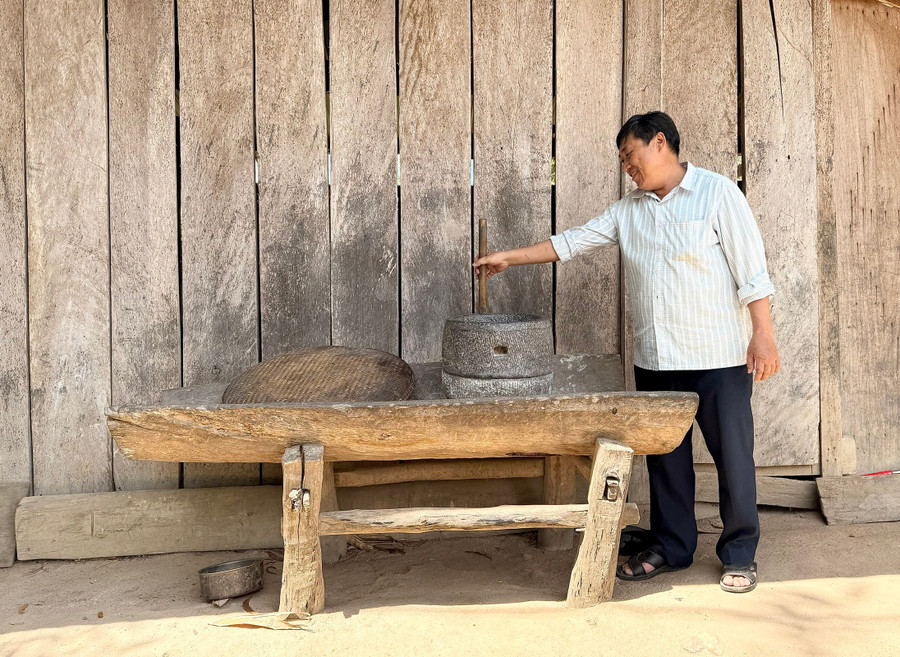
Opposite Mr. Tuyen's house is the house of Mr. Ly Van Dao, Mr. Thang's cousin. The entire Ly clan, with three generations living together, resides in this cluster. Mr. Dao's house still retains the corn mill he brought from Cao Bang. For him, it's not just a simple household item, but a cherished memento of his homeland.
When they first settled in the Central Highlands, the people faced many difficulties. After more than 40 years of living there, generations of Hmong people born and raised in Ya Hoi consider it their second home and cherish it deeply. Along with that, they continue to maintain and pass on the customs, traditions, beliefs, festivals, and distinctive cuisine of the Hmong people in their daily lives.
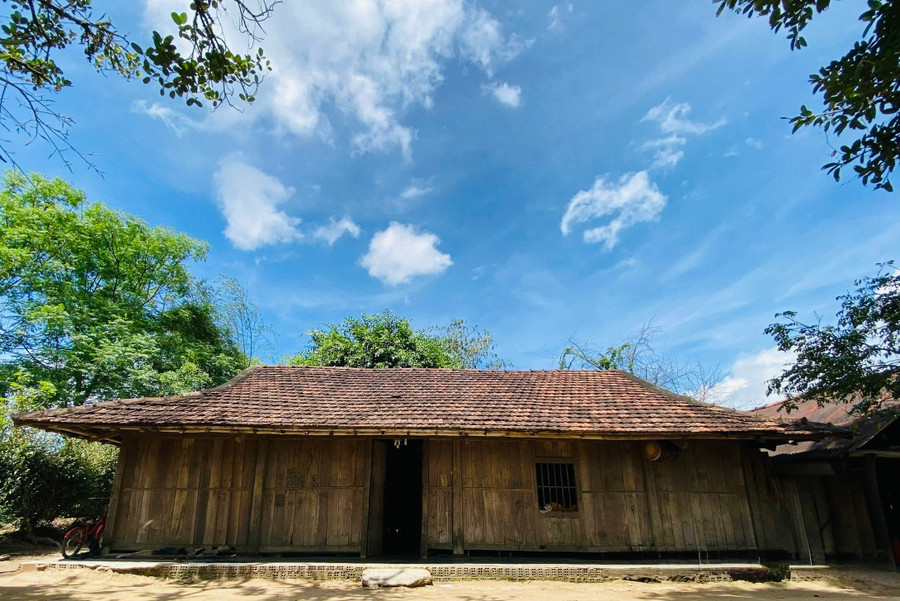
What impressed us most when visiting the Hmong village was the houses, built of wood in the characteristic long, low style of the Hmong people, with tiled roofs, looking very neat and clean. Beneath these peaceful houses, the lives of the Hmong people have gradually developed, becoming peaceful and prosperous.
During our visit to the Hmong village, we also had the opportunity to meet and chat with Ms. Ly Thi Sang (from Tuyen Quang province). She shared that her husband, Mr. Dao Van Phung (from Cao Bang province), and they currently have three children. Since moving here with relatives to start a new life, their family's life has gradually stabilized with the cultivation of sugarcane and cassava, and the planting of an additional 1 hectare of acacia trees.
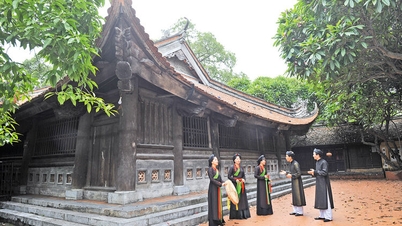
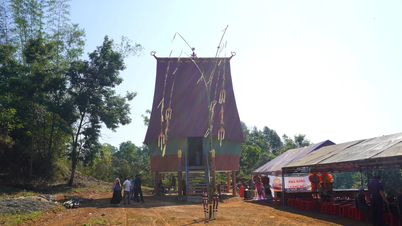
In a conversation with us, Mr. Thang added: Every year, the Mong people still celebrate Lunar New Year like the Kinh people. For the Mong people, each village must have a communal house (dinh). The villagers believe this place is very sacred, governed by the local deity who blesses and helps the villagers. Therefore, the people highly value the ritual of worshipping the local deity. On the 30th day of the Lunar New Year, the villagers prepare offerings including chicken, bamboo, corn kernels, wine, incense, etc., to worship their ancestors; then they worship the local deity with the meaning of warding off evil spirits and praying for good luck and a better year than the previous one.
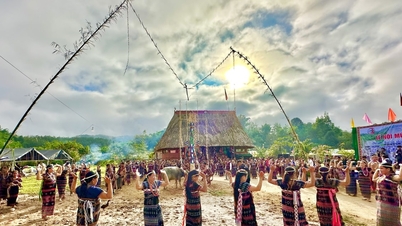
In addition, in January, the villagers also celebrate a Hmong New Year, which takes place about 3-4 days after the Lunar New Year. The Hmong call this the spring festival, signifying gratitude to heaven and earth, the mountain gods, and the river gods for granting favorable weather and abundant harvests.
This is also an opportunity to create a joyful and united atmosphere in the community, contributing to the preservation of the beautiful cultural features of the Hmong ethnic group in the locality.
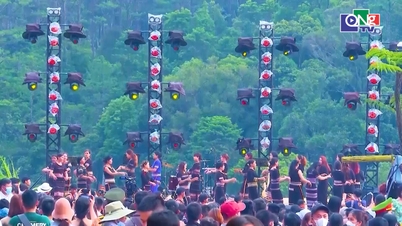
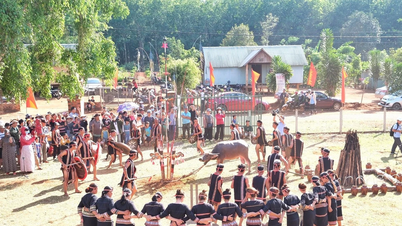
After the ceremony, the villagers participated in traditional Hmong folk games, singing love songs, playing the khene (a type of bamboo flute), dancing the bamboo pole dance, throwing the "con" (a type of ball), and stick pushing... Amidst the sun and wind of the plateau, the sound of the khene carried the hopes and feelings of those who had left their homeland.
During this occasion, traditional Hmong dishes such as men men (corn porridge), thang co (horse meat stew), and five-colored sticky rice are indispensable. In addition, the Hmong people in Ya Hoi still maintain the custom of brewing corn wine using traditionally fermented yeast, resulting in a very fragrant and rich flavor. This special drink is kept in households for use on joyous occasions and village festivals.
Source: https://baogialai.com.vn/lang-nguoi-mong-tren-cao-nguyen-post320030.html















































Comment (0)