

(NADS) - Although the Ong Bon Temple Festival in Binh Duong bears the distinctive religious characteristics of a particular family lineage and profession, it has become an influential festival that receives attention not only from the Chinese community but also from Vietnamese people.
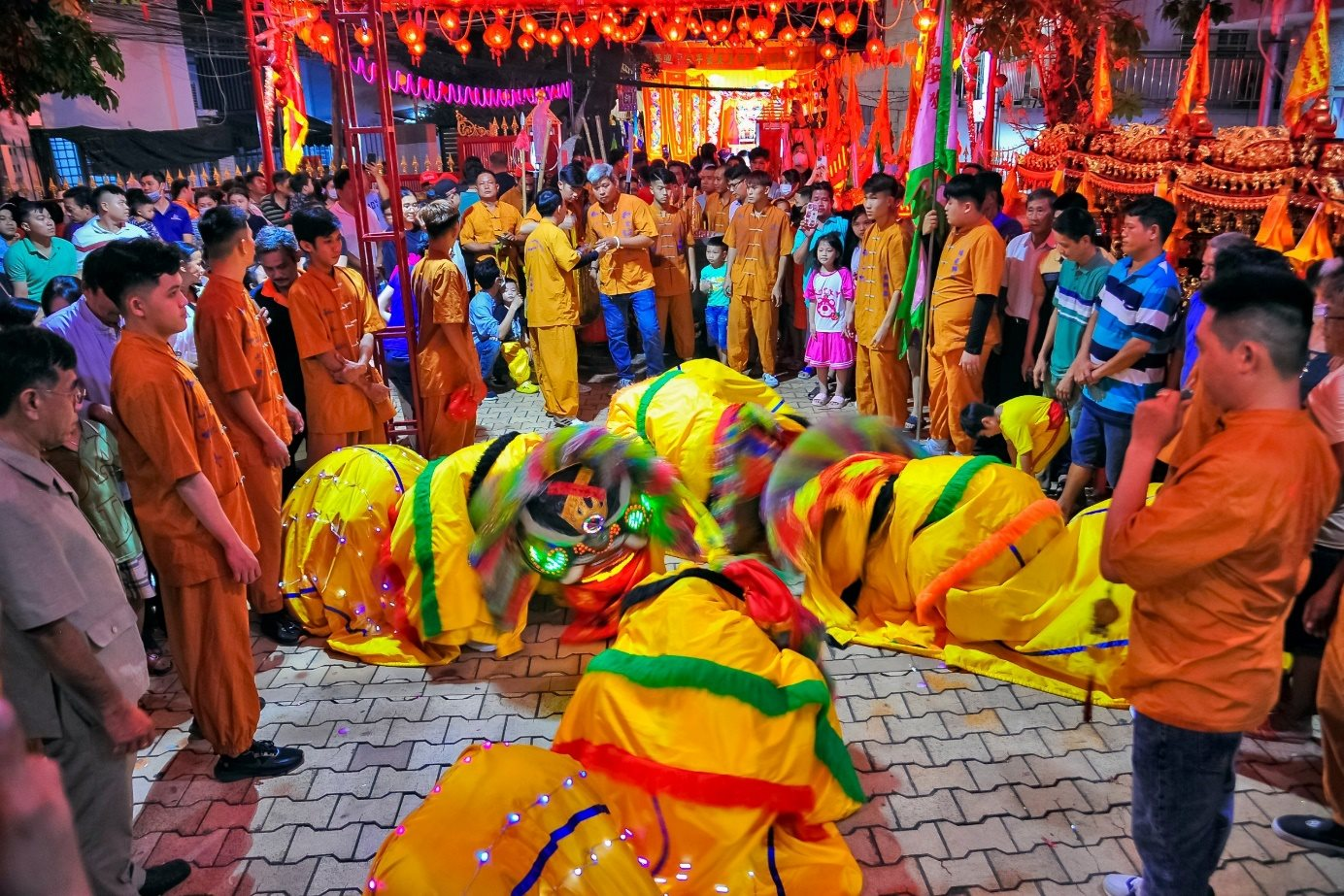
Although the Ong Bon Temple Festival in Binh Duong bears the distinctive religious characteristics of a particular family lineage and profession, it has become an influential festival that attracts attention not only from the Chinese community but also from the Vietnamese community.
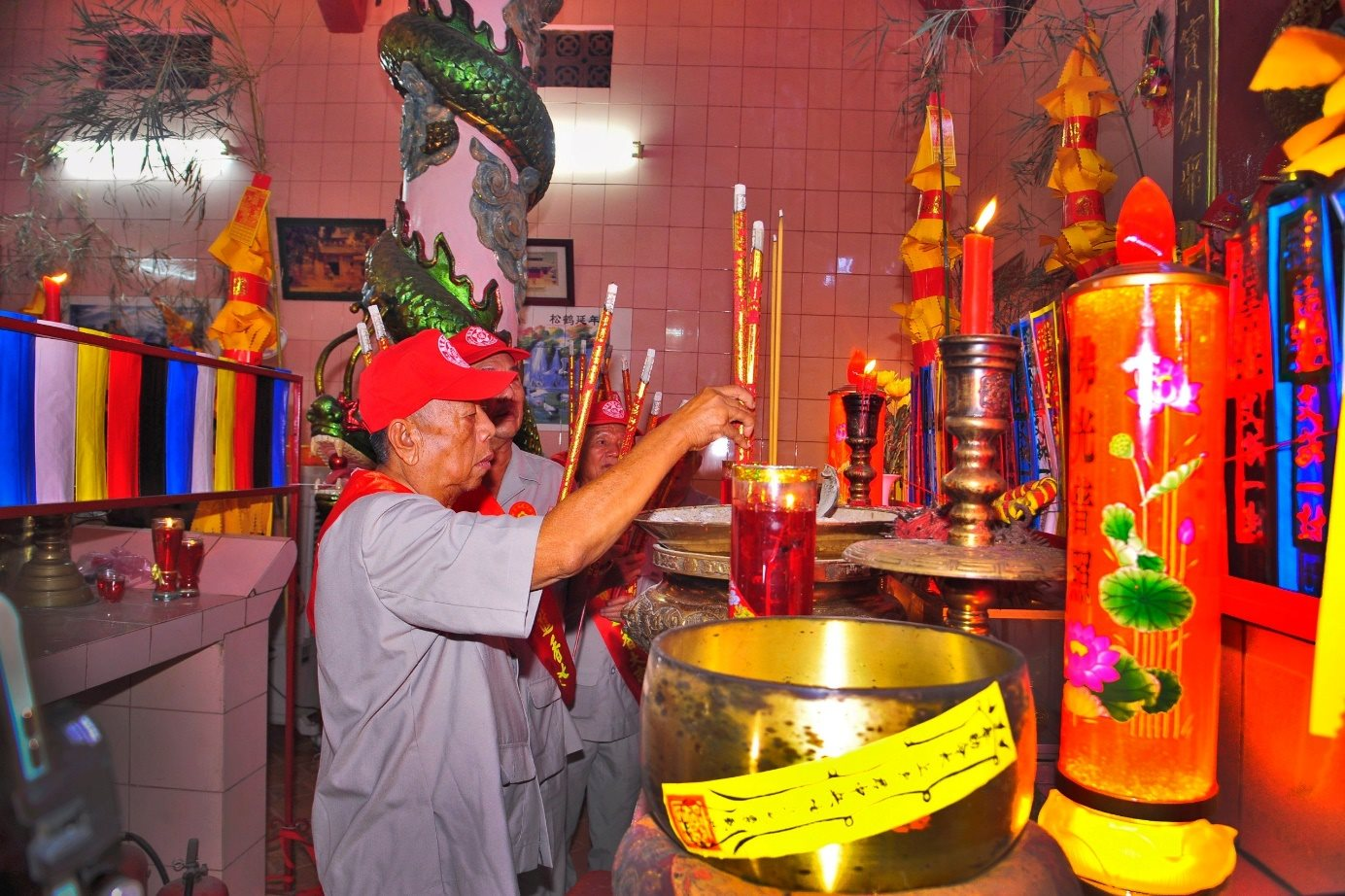
The harmonious coexistence of the Chinese community in Binh Duong in particular, and Vietnam in general, over the centuries has helped bring their culture closer to the Vietnamese people. Therefore, the Ong Bon Temple Festival has become an integral part of Binh Duong's culture, a religious and cultural activity embodying unique folk values. The festival not only enriches Vietnam's spiritual culture but also promotes tourism in Binh Duong, attracting numerous visitors from all over.
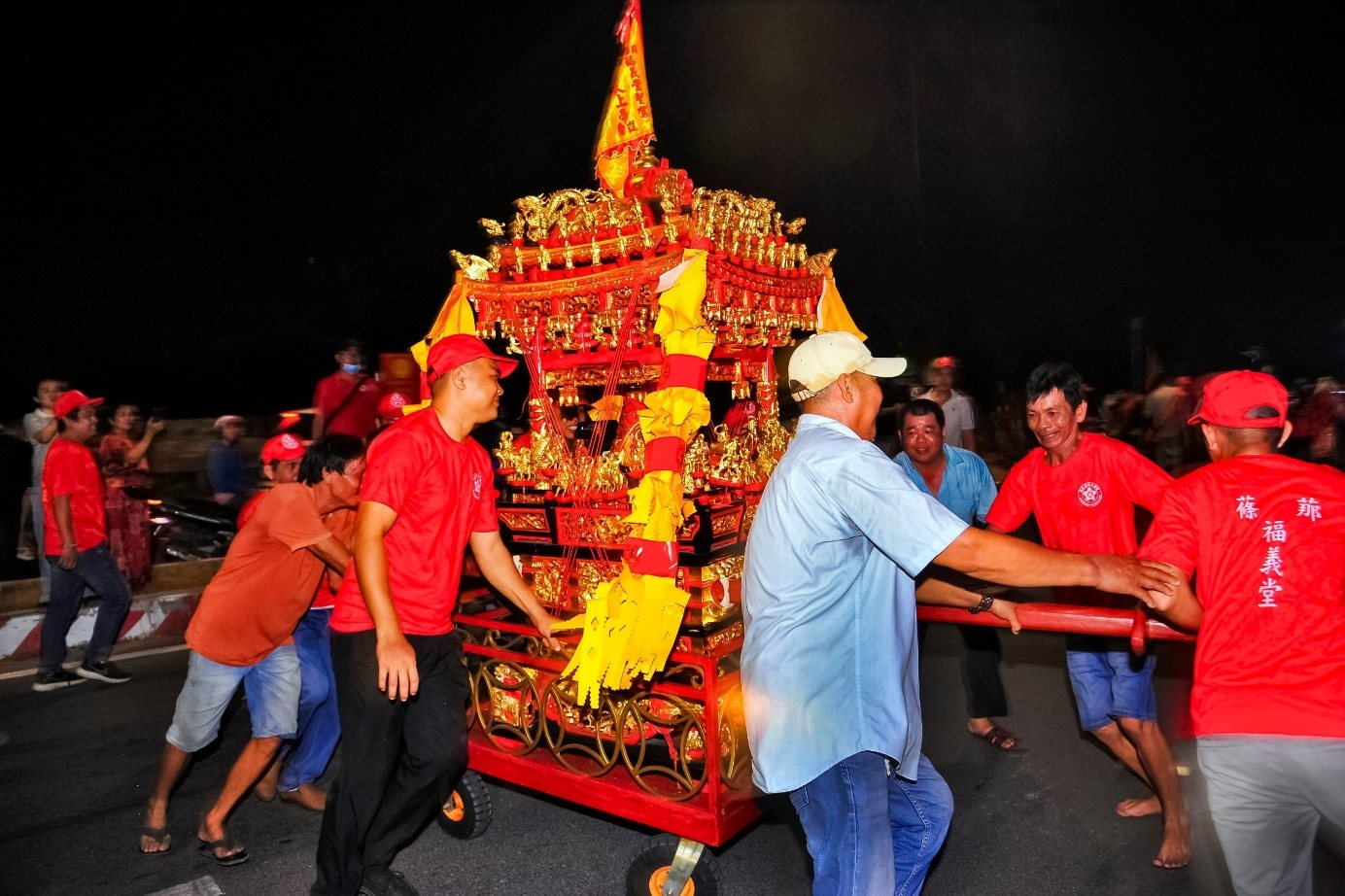
In Chinese culture, Ông Bổn is considered the ancestor of a lineage or clan, with the word "Bổn" meaning origin or root. Ông Bổn is a symbol, not a specific person; most Chinese people believe that Ông Bổn is a benevolent deity.
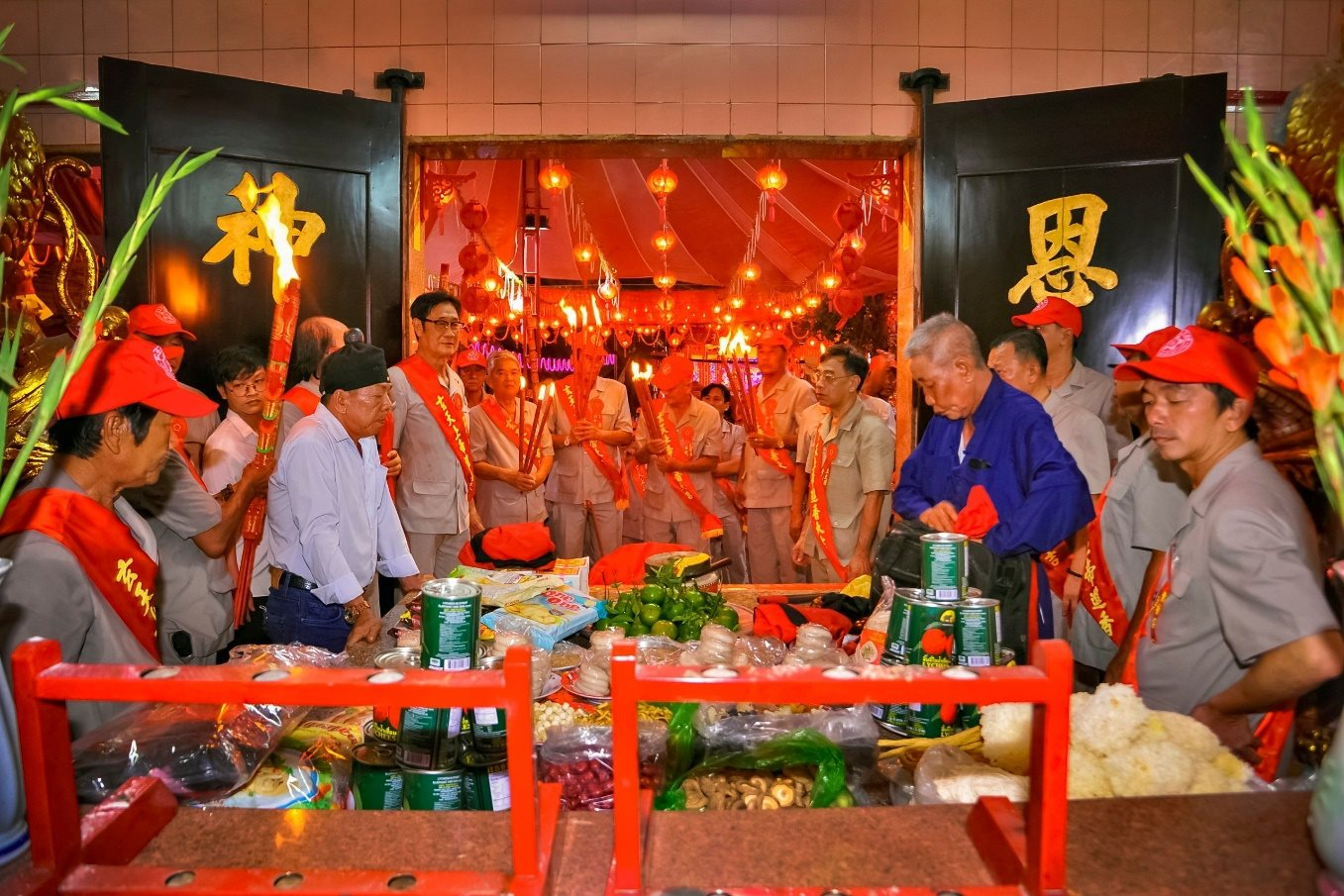
However, the definition of the Ông Bổn deity varies among different Chinese ethnic groups in different regions. Compared to other festivals, the Ông Bổn Temple Festival includes relatively simple rituals.
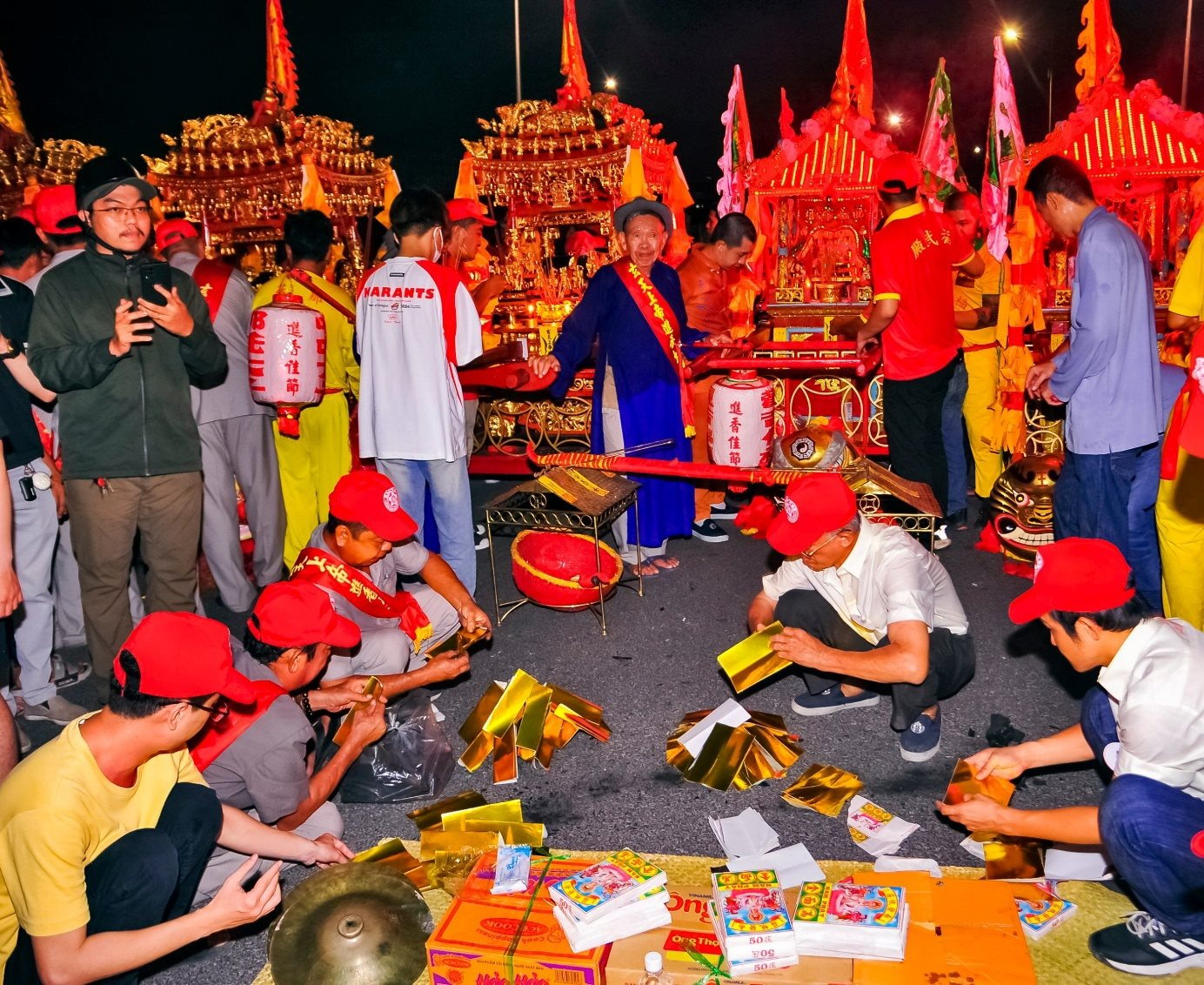
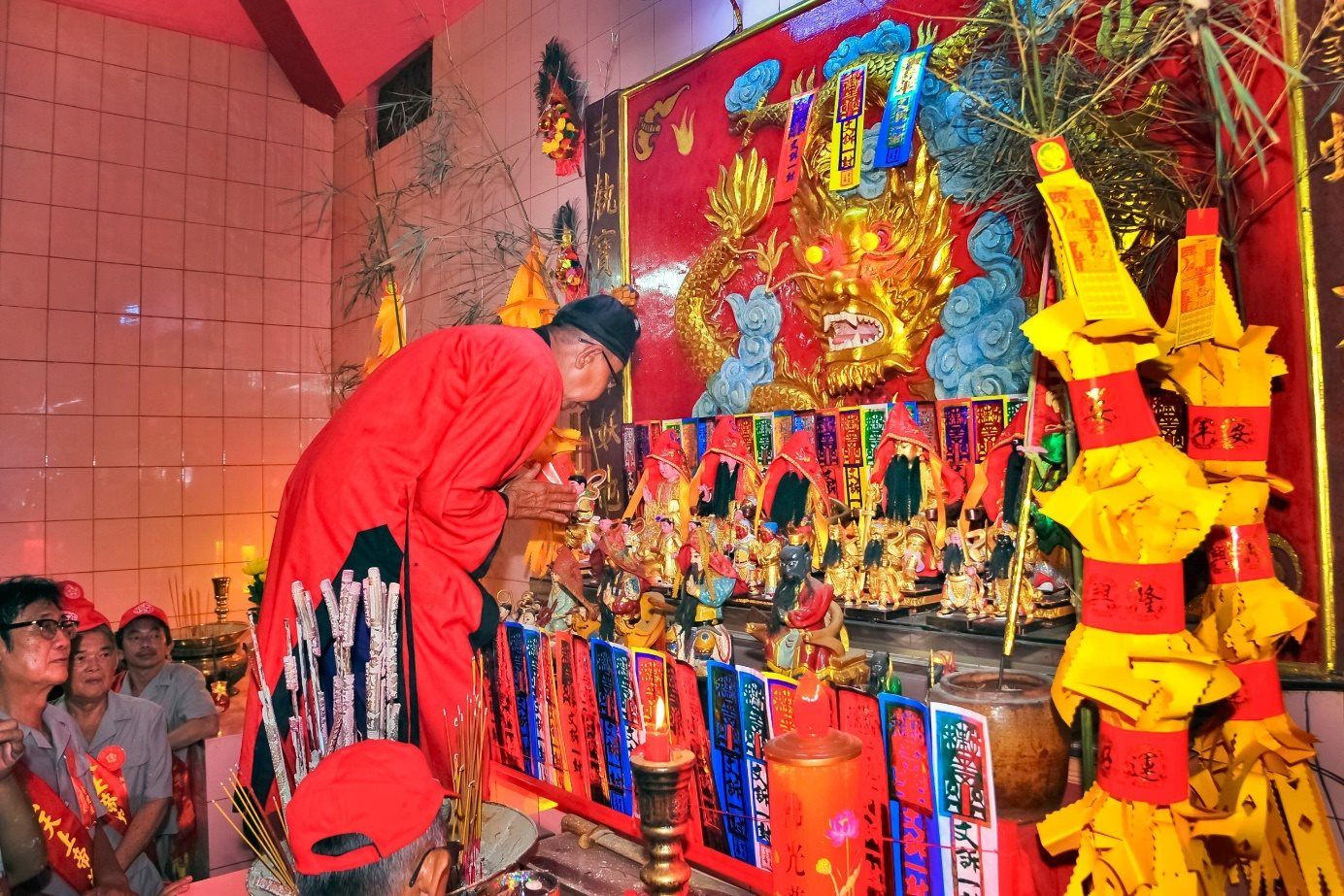
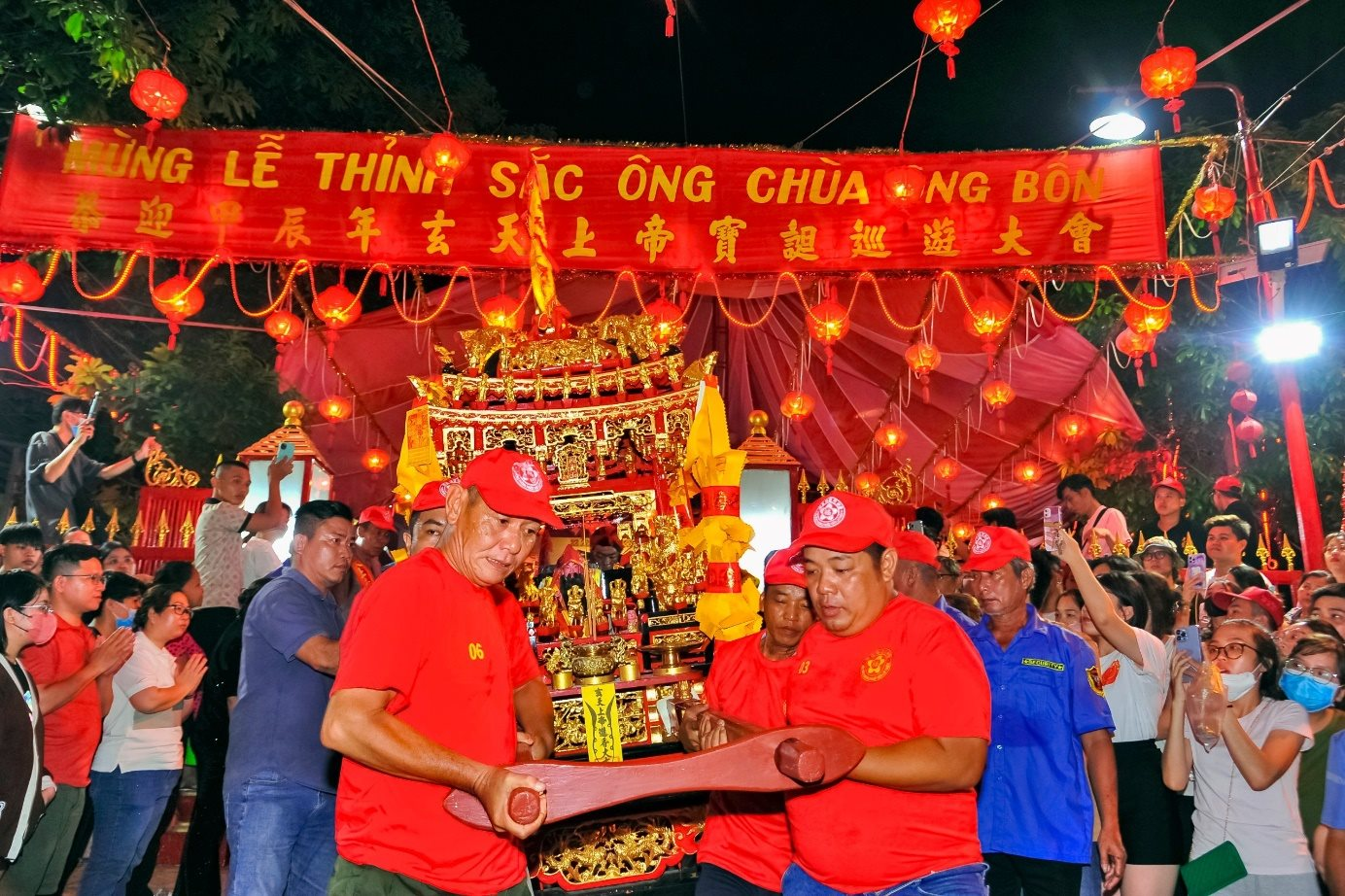
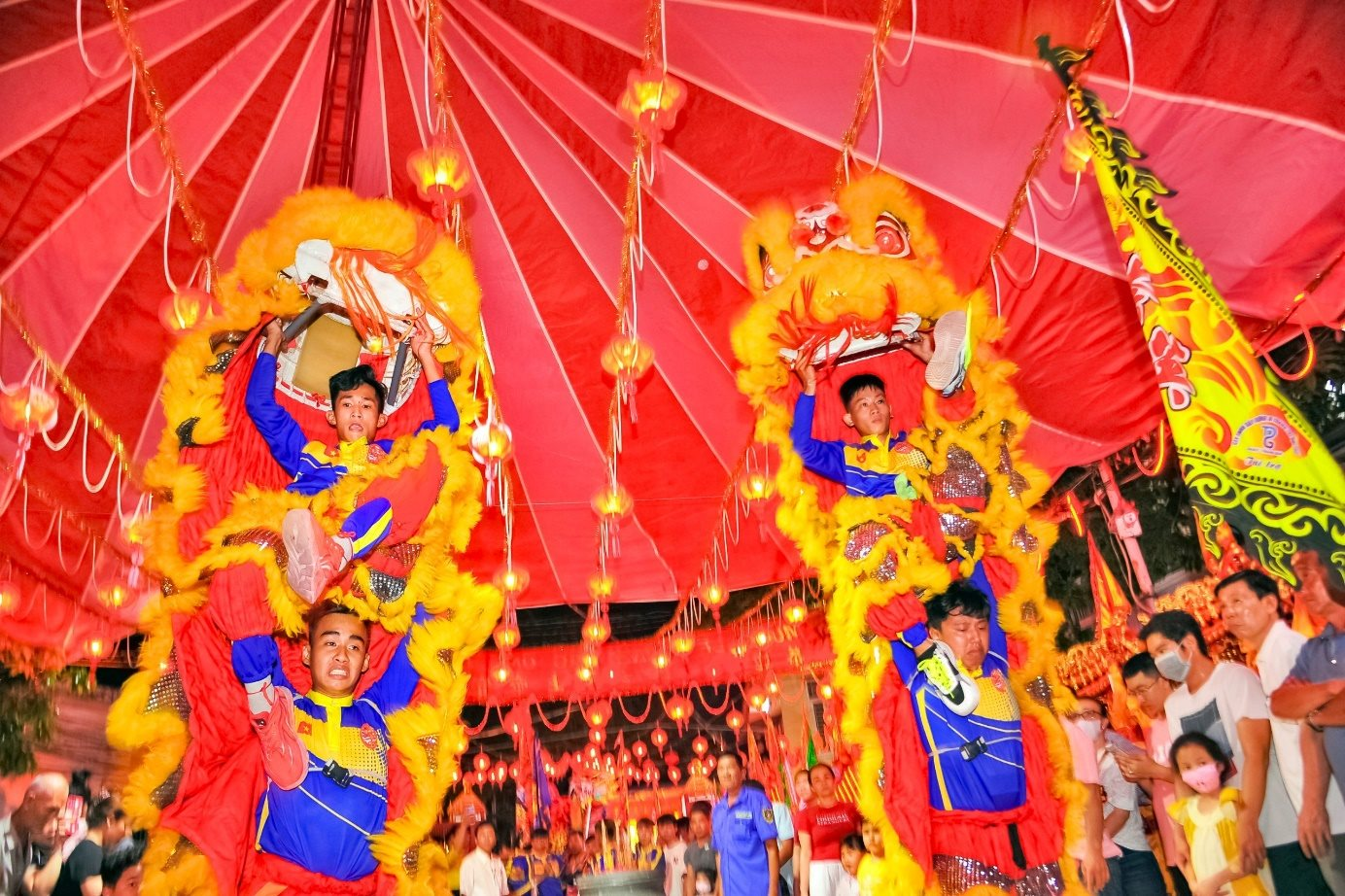
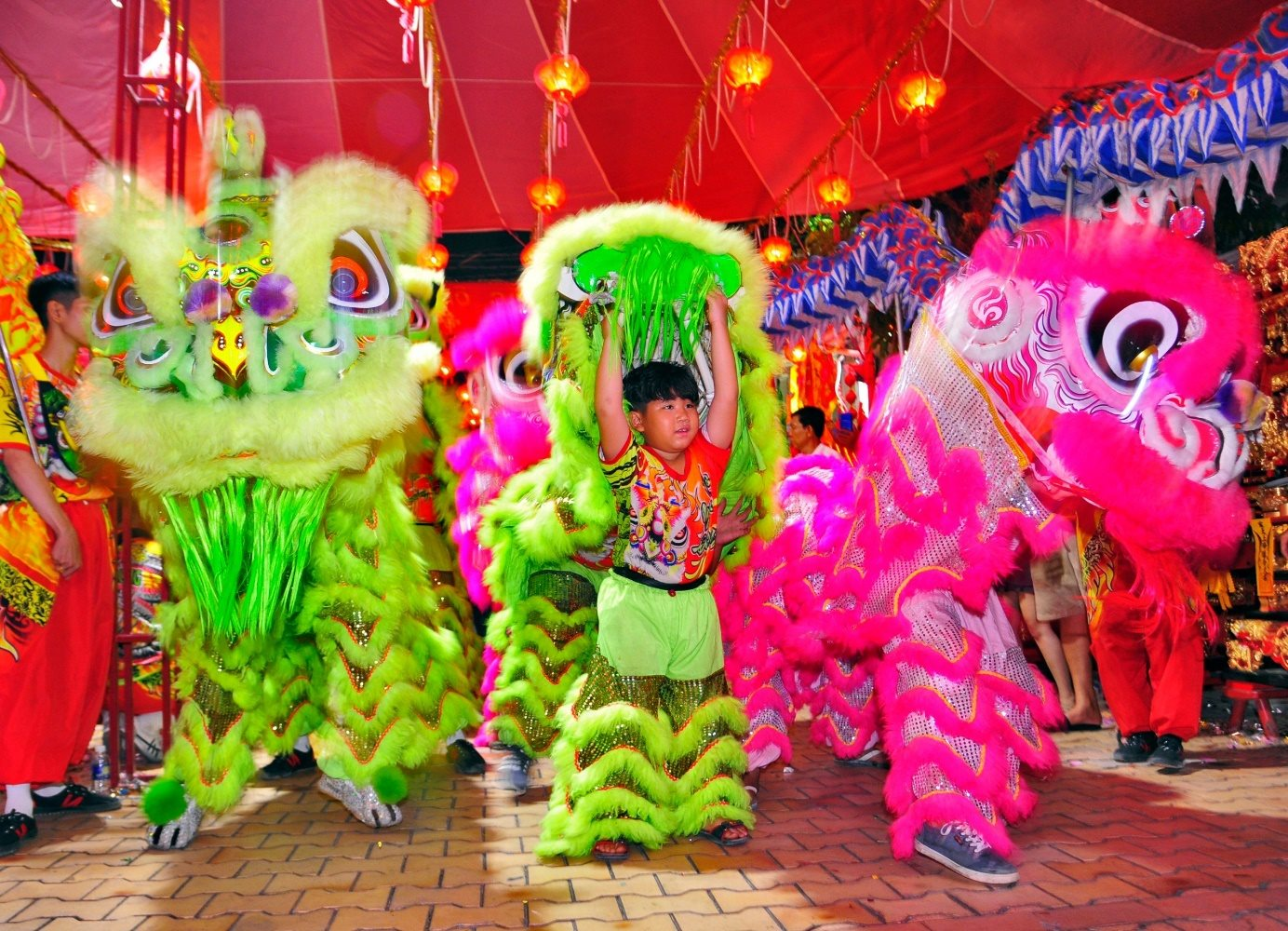
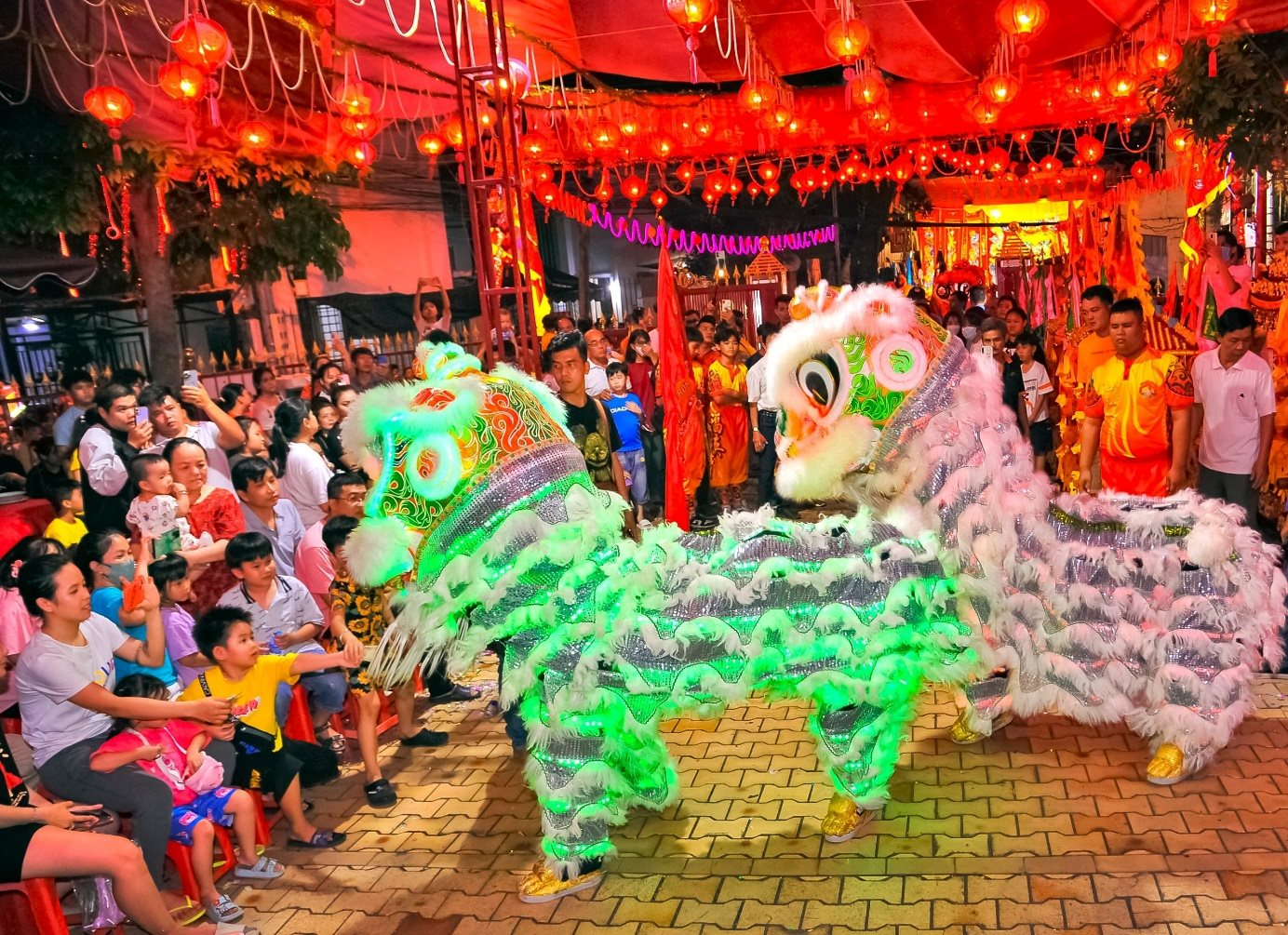
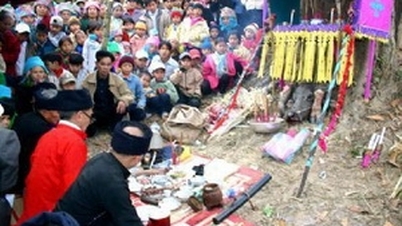
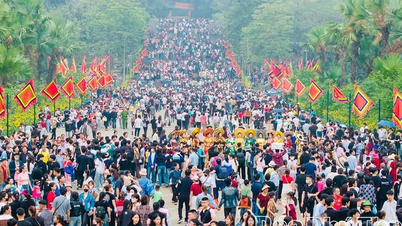
The rituals are performed according to Taoist principles, led by shamans. This is followed by a procession of palanquins along a route spanning dozens of kilometers through the Chinese community, creating a very lively and bustling atmosphere. The festival's entertainment includes performances of Cantonese opera, traditional dances, lion and dragon dances, and especially the distinctive Hẩu dance of the Chinese people. The palanquin procession begins at midnight on the 24th day of the 2nd lunar month and may conclude the following morning.
It begins with a ritual offering and inviting the traveling deity to join the procession.
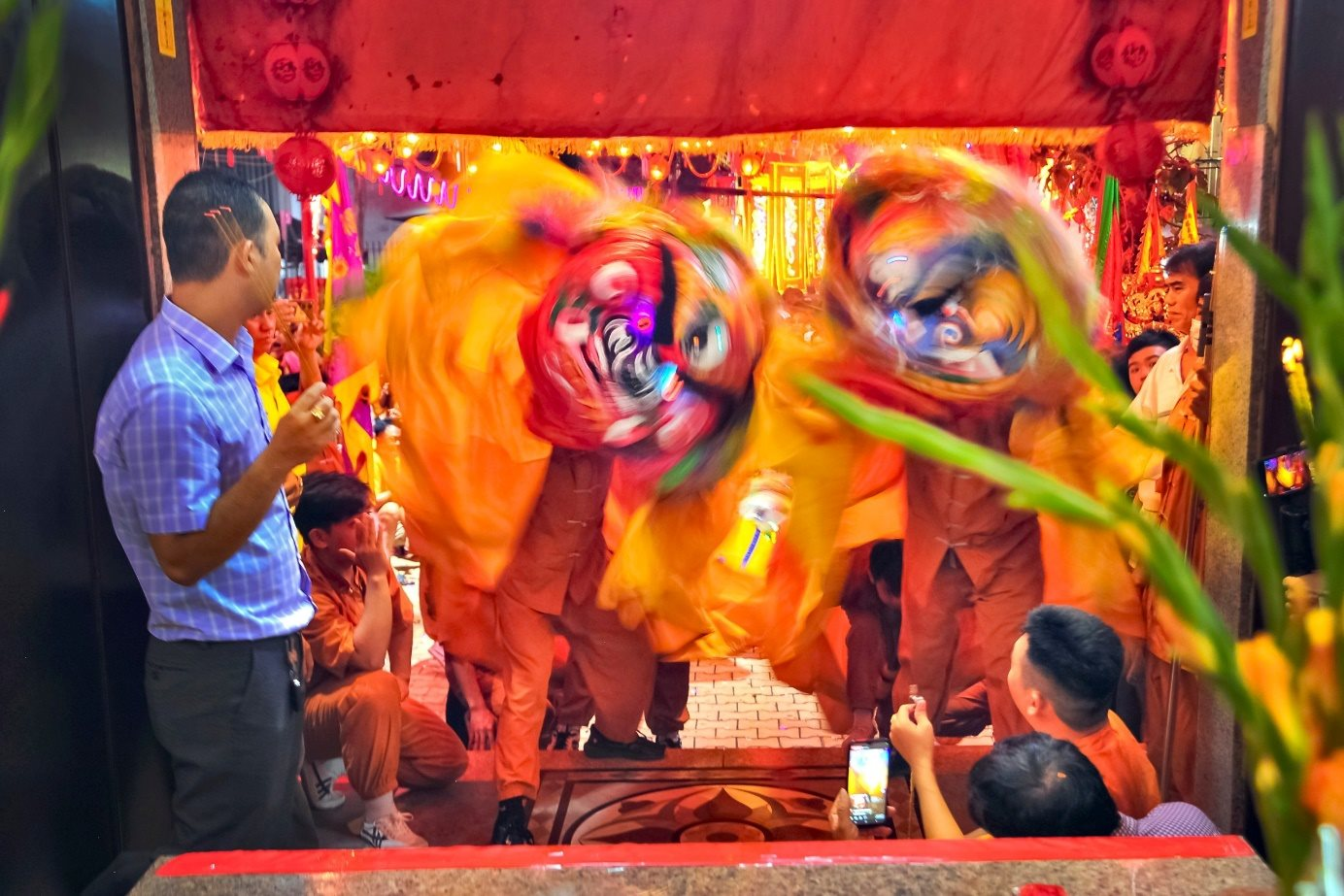
Next, the lion dance troupes came to pay their respects to the deity.
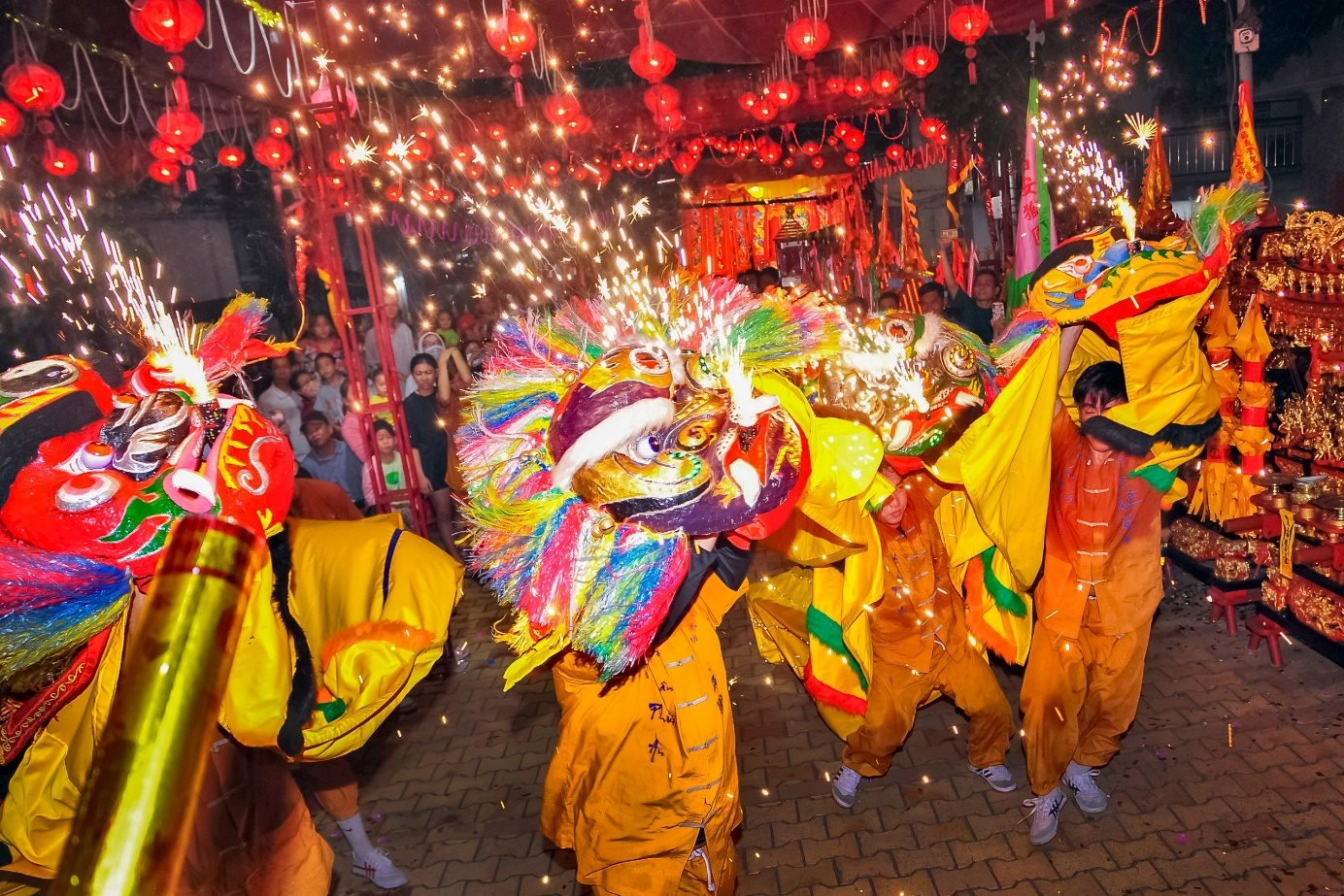
The palanquin carrying the statue of Ông (the deity) was carried through the streets.
Lion and dragon dance performances are held for tourists.
Source link


















































Comment (0)