On the afternoon of June 13th, according to data from Box Office Vietnam, "Ma Xó" surpassed the 100 billion VND mark. On that day alone, the film earned an additional 3.8 billion VND from 44,305 tickets sold across 2,644 screenings. Since its release, the film has consistently held the number one position at the box office.
This is the ninth Vietnamese film to gross over 100 billion VND in the first half of 2026, following works such as "Tho Oi" (427 billion VND), "Phi Phong" (201 billion VND), "Quy Nhap Trang 2" (134 billion VND), "Heo 5 Mong " (124 billion VND), "Hen Em Ngay Nhat Thuc" (118 billion VND), "Tai" (113 billion VND), "Nha Ba Toi Mot Phong" (111 billion VND), and "Bau Vat Troi Cho" (103 billion VND).
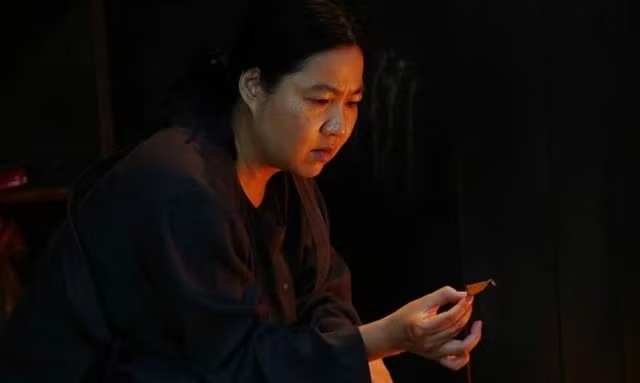
Inspired by the image of the house ghost in Southern Vietnamese folklore, director Phan Bá Hỷ's film explores elements of horror, family stories, and the law of karma.
From its early screenings, "Ma Xó" (The Ghost) grossed over 3 billion VND, generating positive word-of-mouth before its official release. The film's success continues the winning streak of Vietnamese horror films in recent years.
Unlike many films that focus solely on jump scares, "The Ghost" stands out thanks to its tightly constructed script, characters with psychological depth, and multiple layers of folklore and cultural meaning.



Film critic Nguyen Phong Viet considers "The Ghost" to be one of the best Vietnamese horror films in recent years. That's also why, upon its release, the film's script was purchased by at least five countries for remakes.
According to Nguyen Phong Viet, the film proves that a good script, well-chosen actors, and a director with a compelling storytelling style are far more important than the scale of the production budget.
He argued that the film keeps the audience fully focused on the story, emotions, and actions of each character, despite the limited setting and number of characters. Every action has a clear cause and effect, creating a logic rarely seen in many Vietnamese horror films.
One of the elements highly praised by critics is the system of symbols embedded throughout the work. The "ghost" image is also expanded by the director into a metaphor for a mental state. Anyone overwhelmed by ambition, suffering, or resentment can become a "ghost," meaning they are slowly dying from within, even though their physical body still exists.
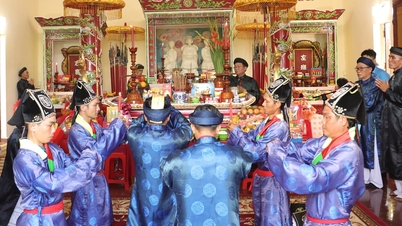
The film also explores many folk customs of Southern Vietnam, such as the Pha Quang dance ritual at funerals. These details not only add a touch of local culture but also play an important role in guiding the story and foreshadowing upcoming events.
Furthermore, the names of the characters, familiar objects in Vietnamese life, and scare tactics are all incorporated with specific intentions, helping the work create depth instead of relying solely on sensationalism.
Given the current ticket sales rate, many experts predict that "Ma Xó" (The Ghost) has a very good chance of becoming the next film to join the group of films grossing 200 billion VND.



However, The Haunted House is not without its flaws. Some viewers felt the ending followed a familiar pattern typical of horror films. The plot twists throughout the movie didn't create a big enough surprise for those who regularly watch this genre.
The portrayal of the ghostly entity is also controversial, not distinctive enough to become a new icon of Vietnamese horror films.
Source: https://tienphong.vn/le-khanh-bo-tui-them-100-ty-dong-post1851077.tpo




































![[Image] Ho Chi Minh City: Ma Lang area, Chicken-Rice Market about to change its appearance](https://vphoto.vietnam.vn/thumb/1200x675/vietnam/resource/IMAGE/2026/06/25/1782377698627_ndo_br_m1-jpg.webp)