

 |
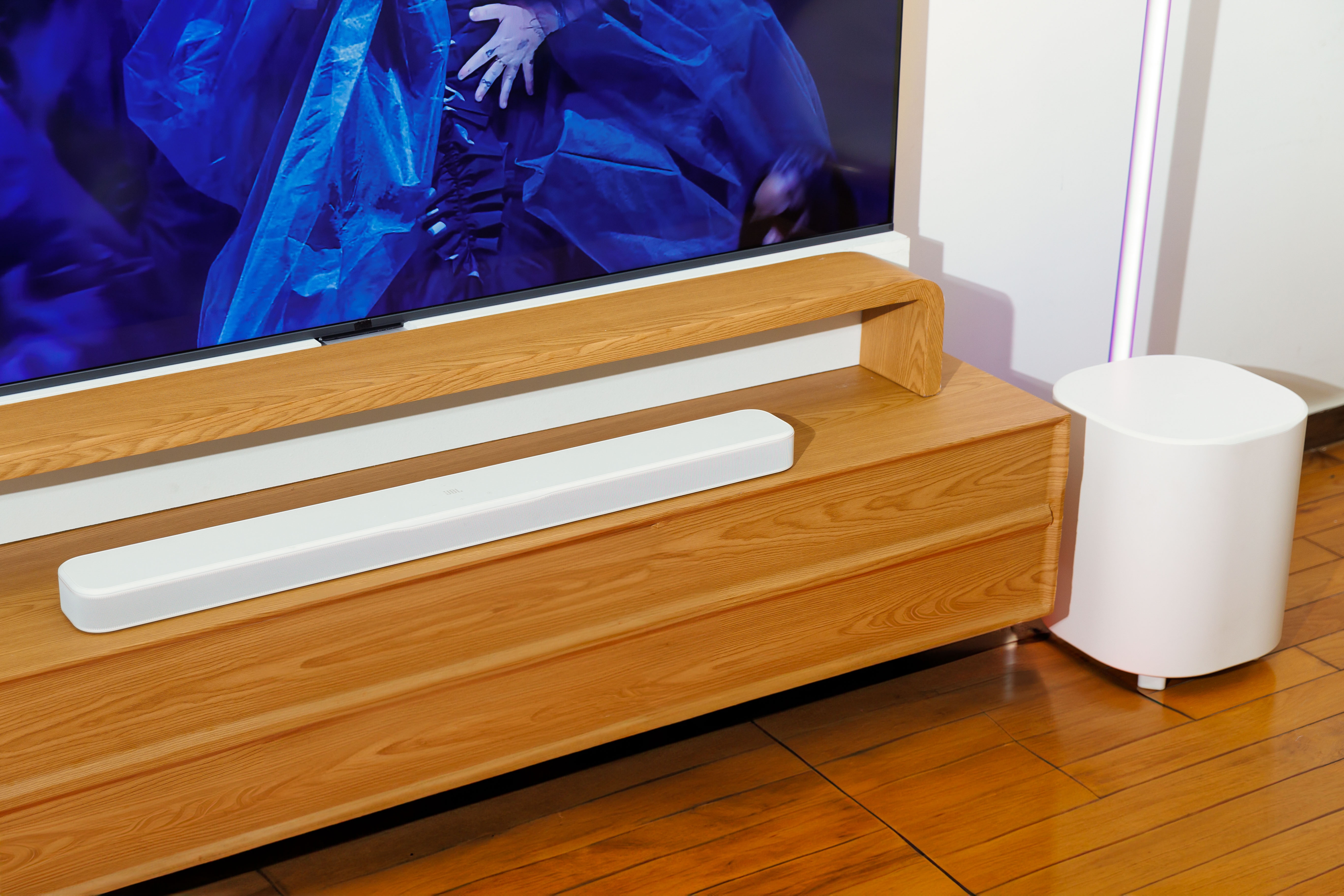
The trend in the high-end TV industry is to minimize thinness. Many OLED models from LG and Samsung are practically flush with the wall, leaving the controls to external processors. This extreme development has led to the neglect of audio functionality. Expensive TVs often have low-powered speakers lacking detail and separation of different frequency ranges. |
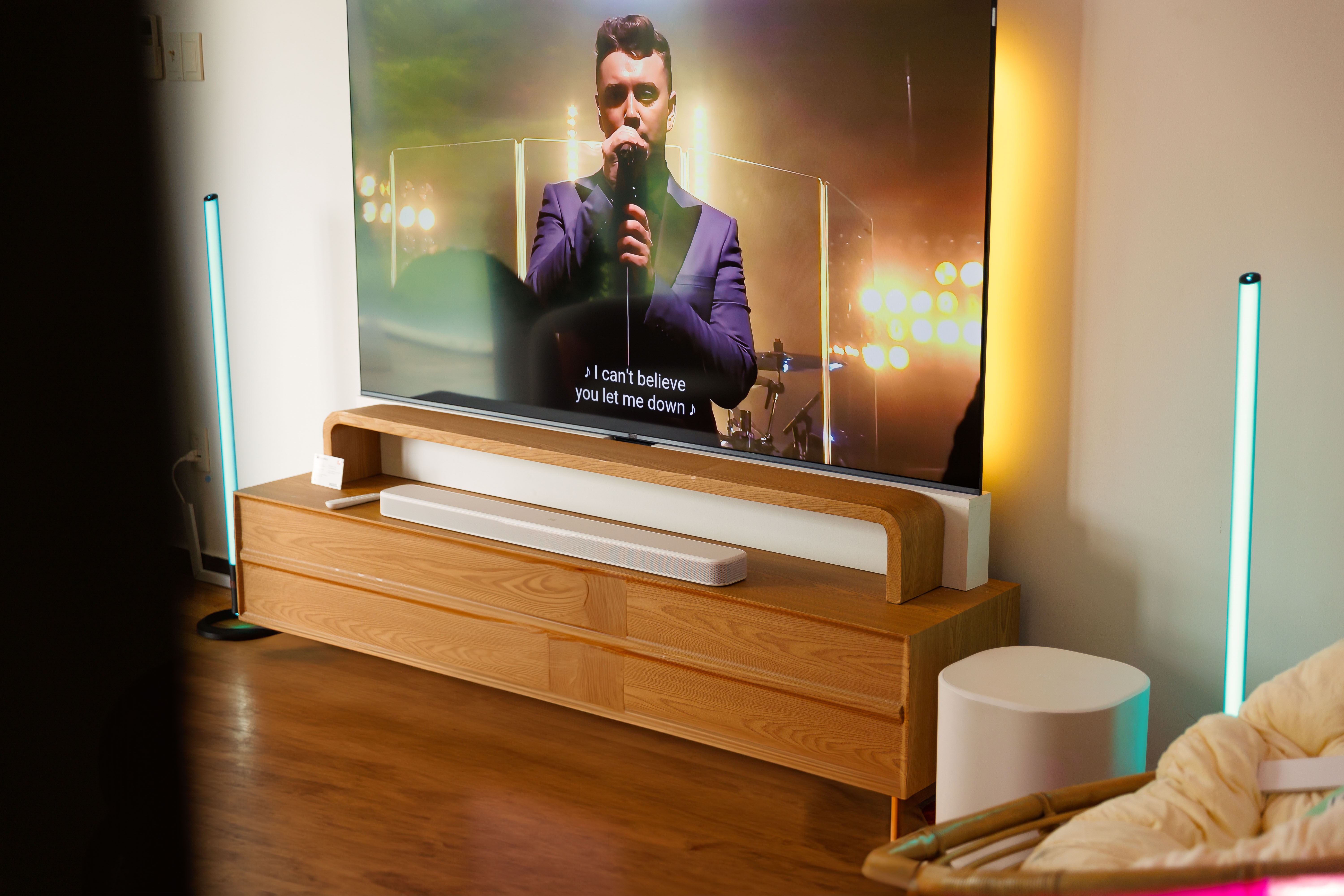 |
This problem can be solved with external soundbar solutions. Users who don't use their TV's built-in soundbar can look to options from major audio brands, significantly upgrading their listening experience. For example, the JBL 500MK2, recently released in Vietnam, is a suitable solution for users with slim 65-85 inch TVs whose built-in speakers are inadequate. |
 |
The product includes a 450W soundbar and a 300W subwoofer, creating a total system of 750W, suitable for medium to large spaces. For most common living room designs in Vietnam, the JBL Bar 500MK2 doesn't need to be turned up above 60% volume. The subwoofer's 10-inch driver produces deep and powerful bass, simulating a cinema-like experience. |
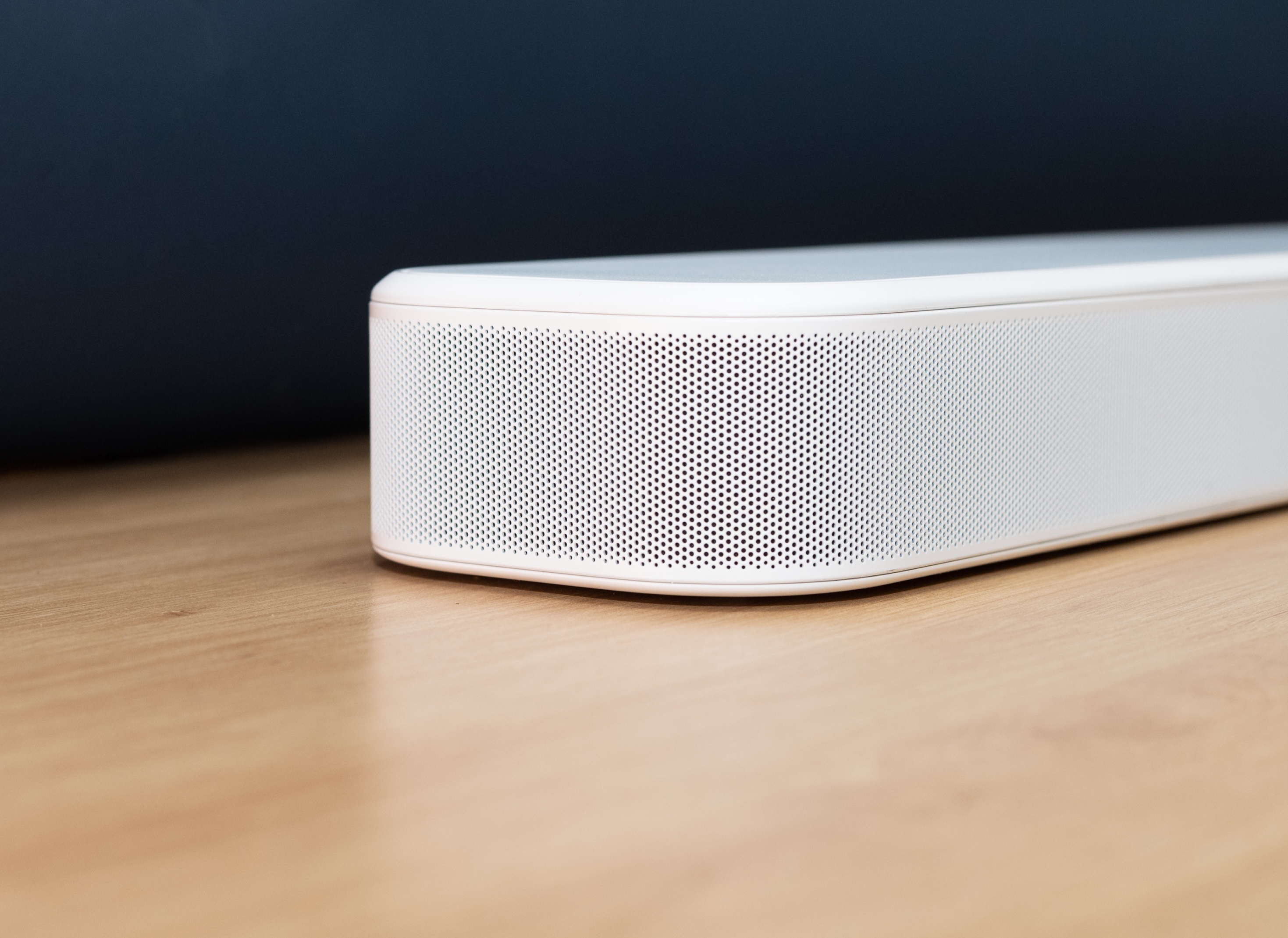 |
| With 9 drivers spread throughout the soundbar, it delivers omnidirectional sound, simulating Dolby Atmos and 5.1 surround sound. The soundbar is equipped with microphones to capture the emitted sound. This allows for ambient sound tuning to recreate surround sound without the need for satellite speakers. The sound bounces off the walls and ceiling, making it sound like the sound is coming from multiple directions. |
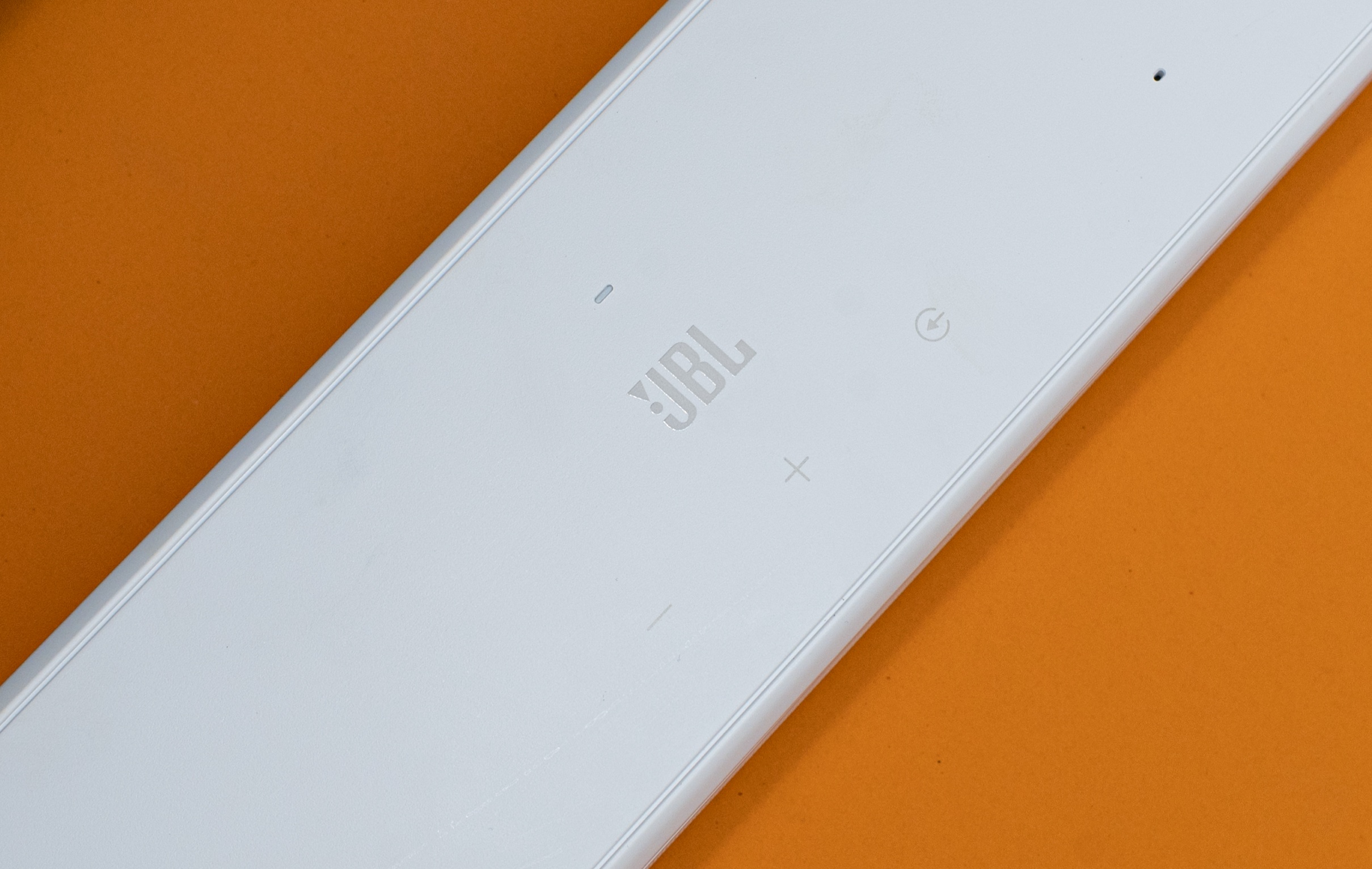 |
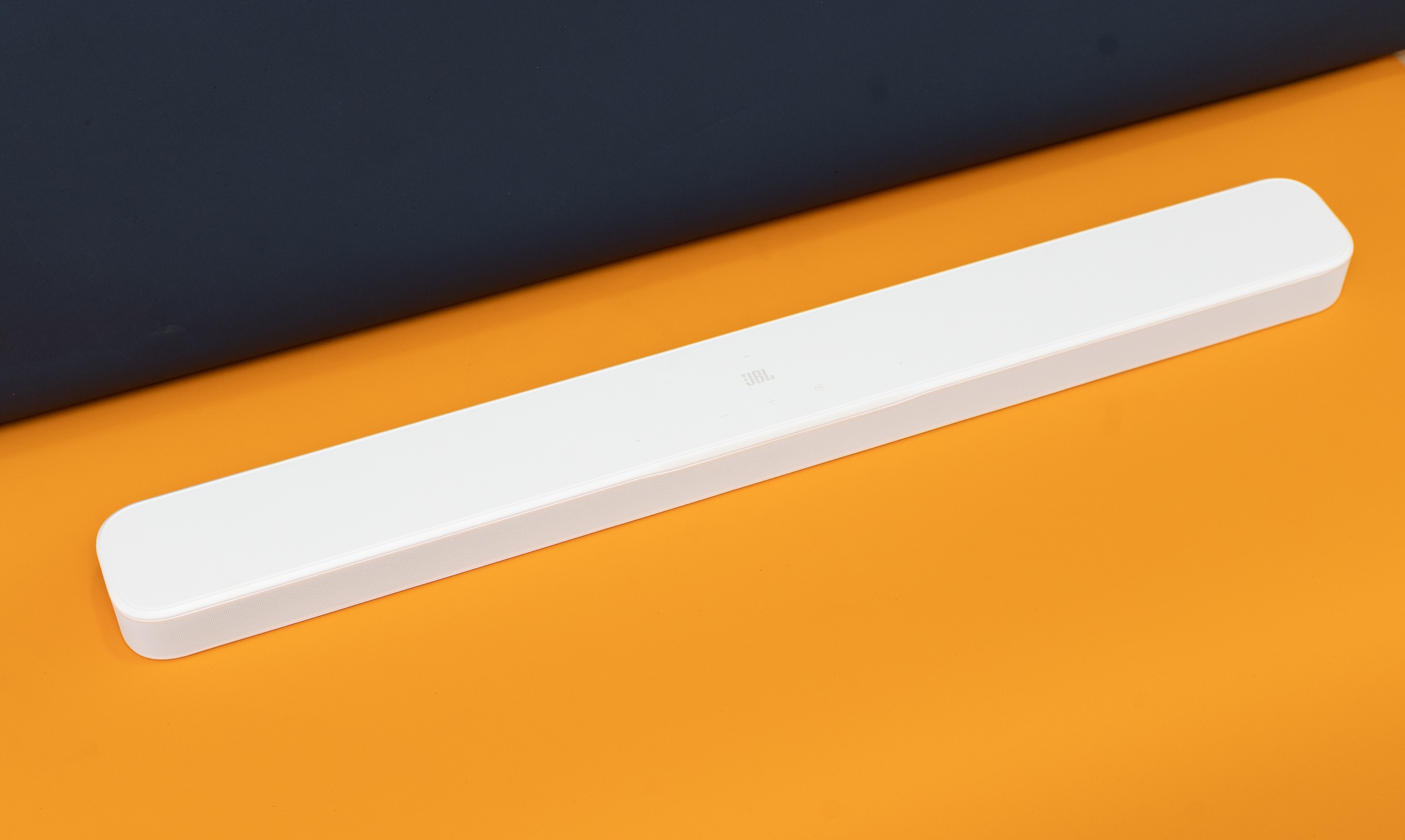
The product has a simple design and is significantly smaller than other models with similar power on the market. However, the subwoofer is still quite large, making it difficult to set up in a small home. JBL offers an additional white color option, which is rarely seen on products in Vietnam. The black version is less prone to dirt and easier to match with various interior design styles. |
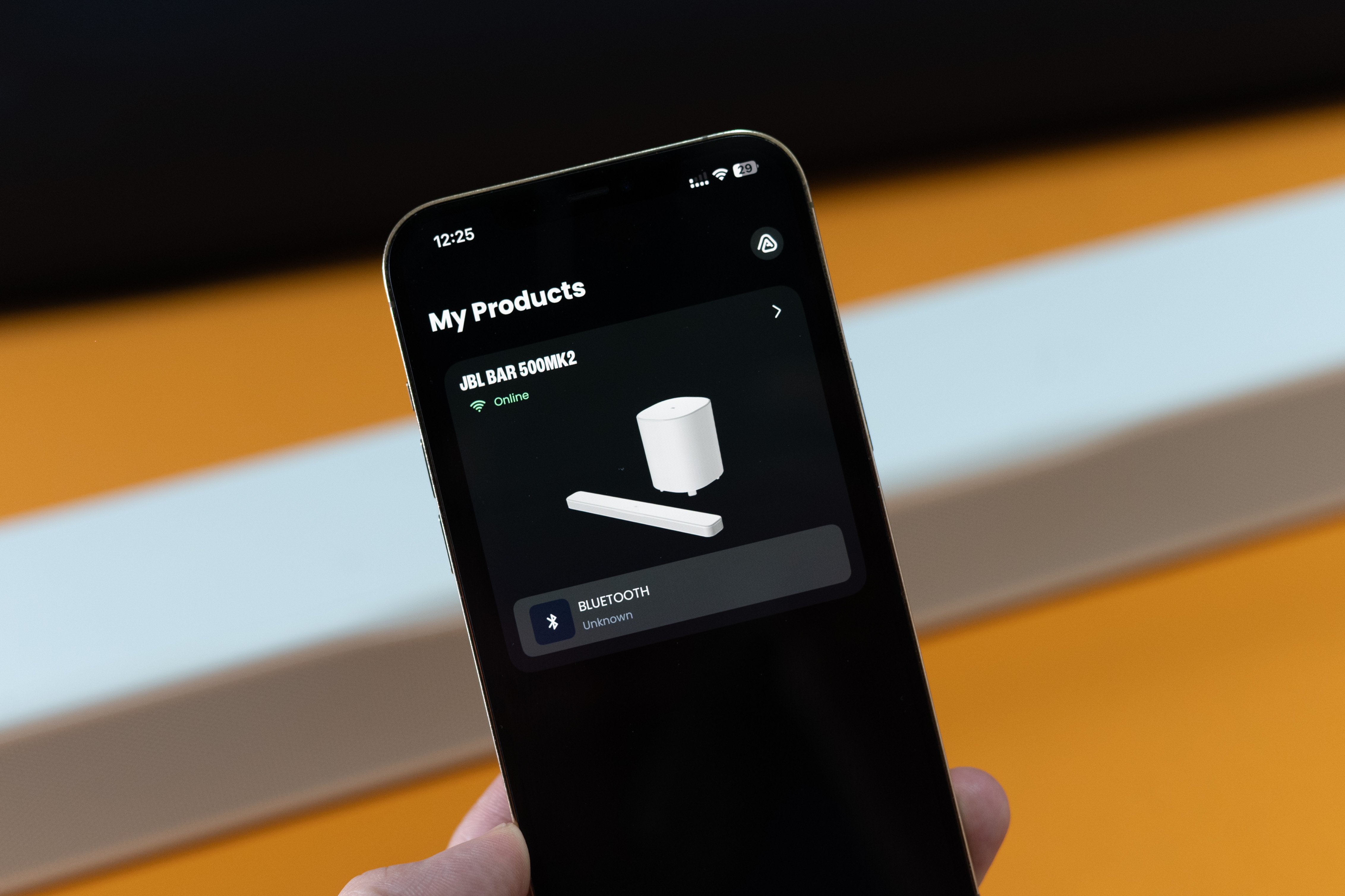 |
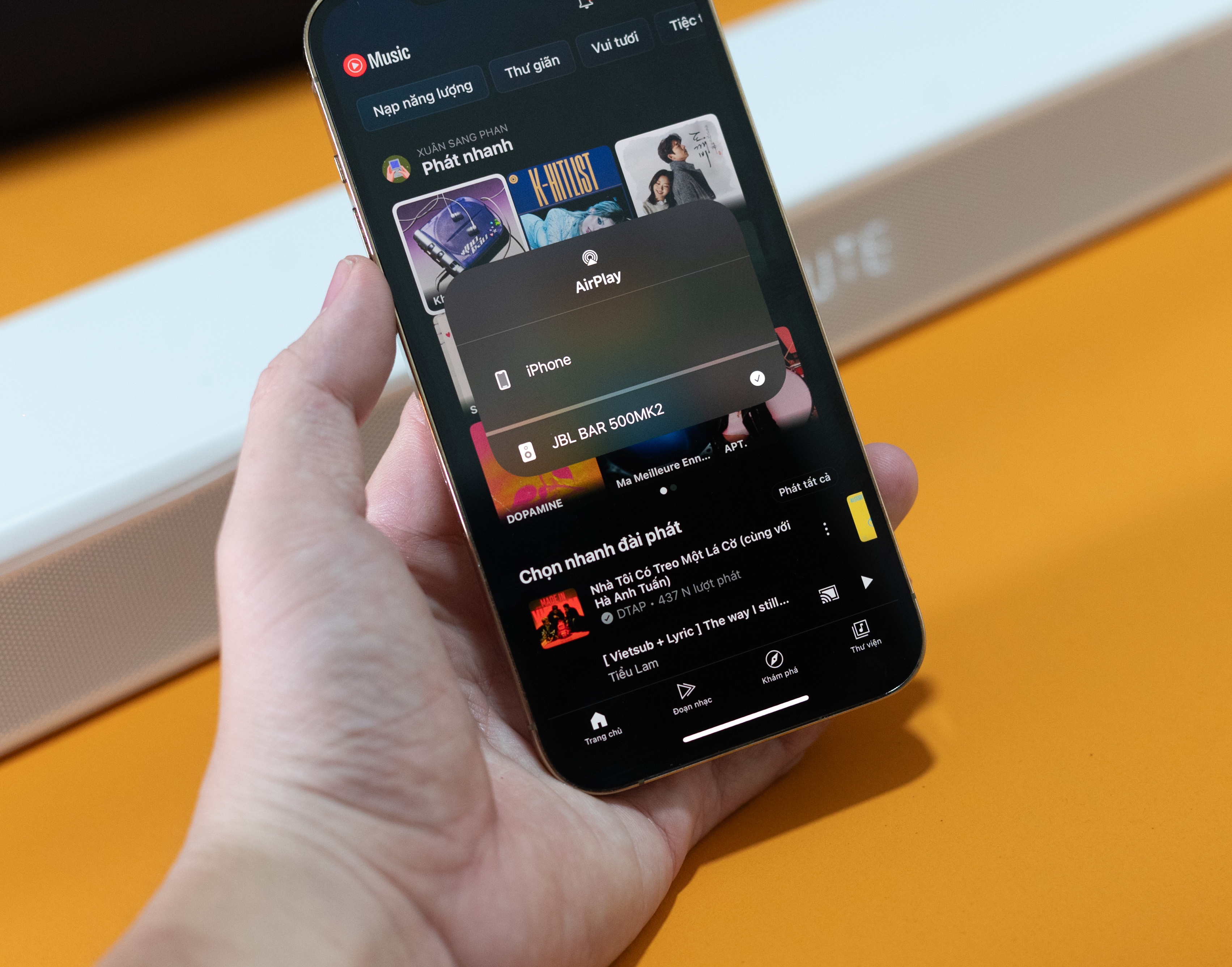
Compared to other soundbars on the market, the JBL Bar 500MK2 boasts superior connectivity options. It features Bluetooth 5.3 and Wi-Fi connectivity. Users of iOS or Android can easily control and power playback via AirPlay or ChromeCast. Many apps, such as Tidal and Spotify, can also run directly on the speaker. |
 |
Its diverse connectivity options expand the device's applications, not limiting it to just being an accessory for TVs. With an investment of nearly 18 million VND, it can replace computer speakers or audio accessories connected to phones. |
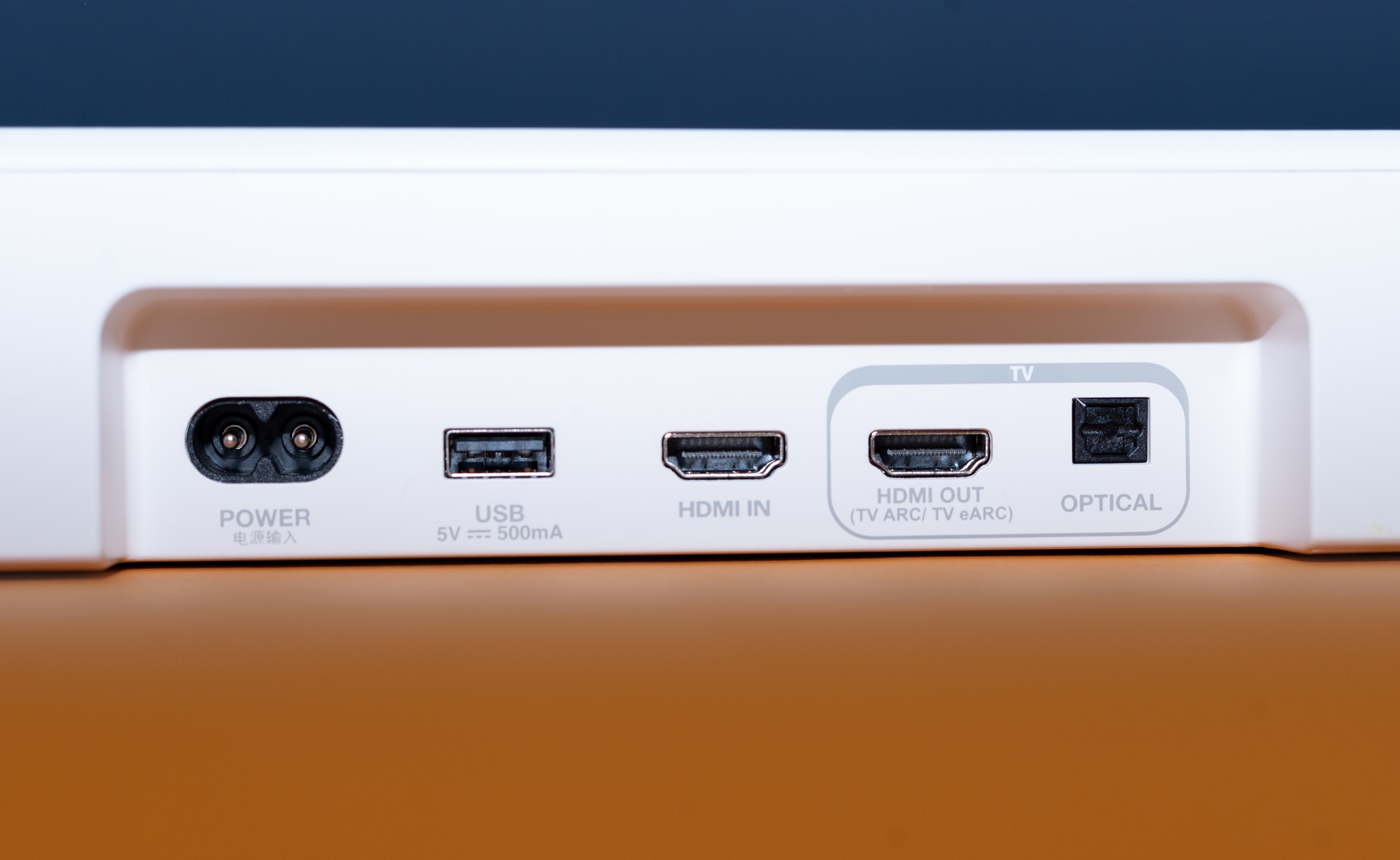 |
The speakers support HDMI eARC for connection to newer TV models. The company still maintains an optical port for older product lines. Additionally, users can choose to connect via Bluetooth to receive signals from the TV, minimizing the need for cables. |
 |
As an independent audio company that doesn't manufacture TVs, this brand's speakers can work with a diverse ecosystem, connecting with LG, Samsung, and Sony products without conflicts. These auxiliary connections also allow it to serve users in a wider range of tasks. However, this comes at the cost of the speakers not being part of the "natural" ecosystem of hardware manufacturers. Therefore, it lacks the functionality to set up multiple auxiliary speakers to create a "true-surround" sound system like Sony soundbars connected to Sony TVs. |
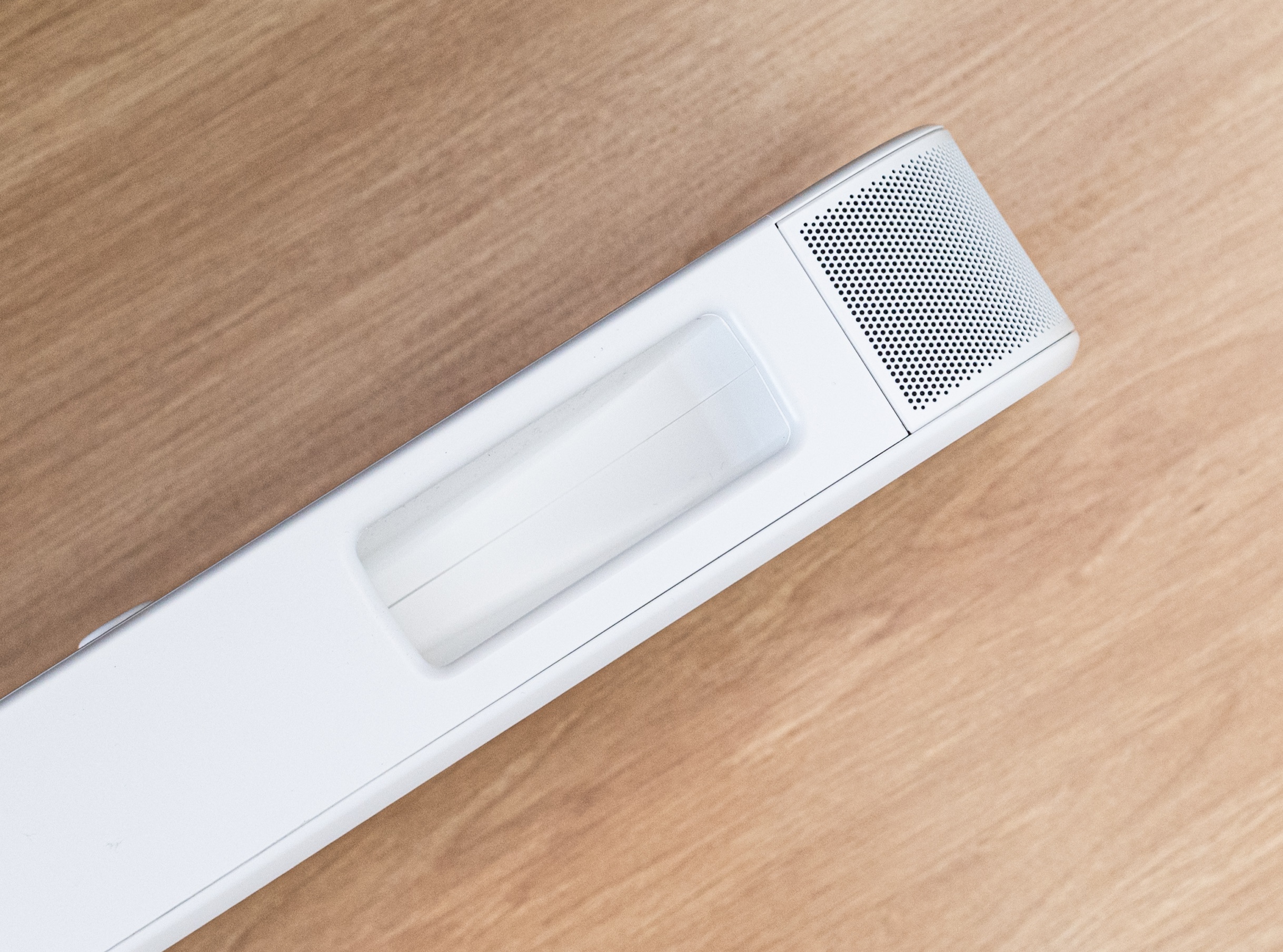 |
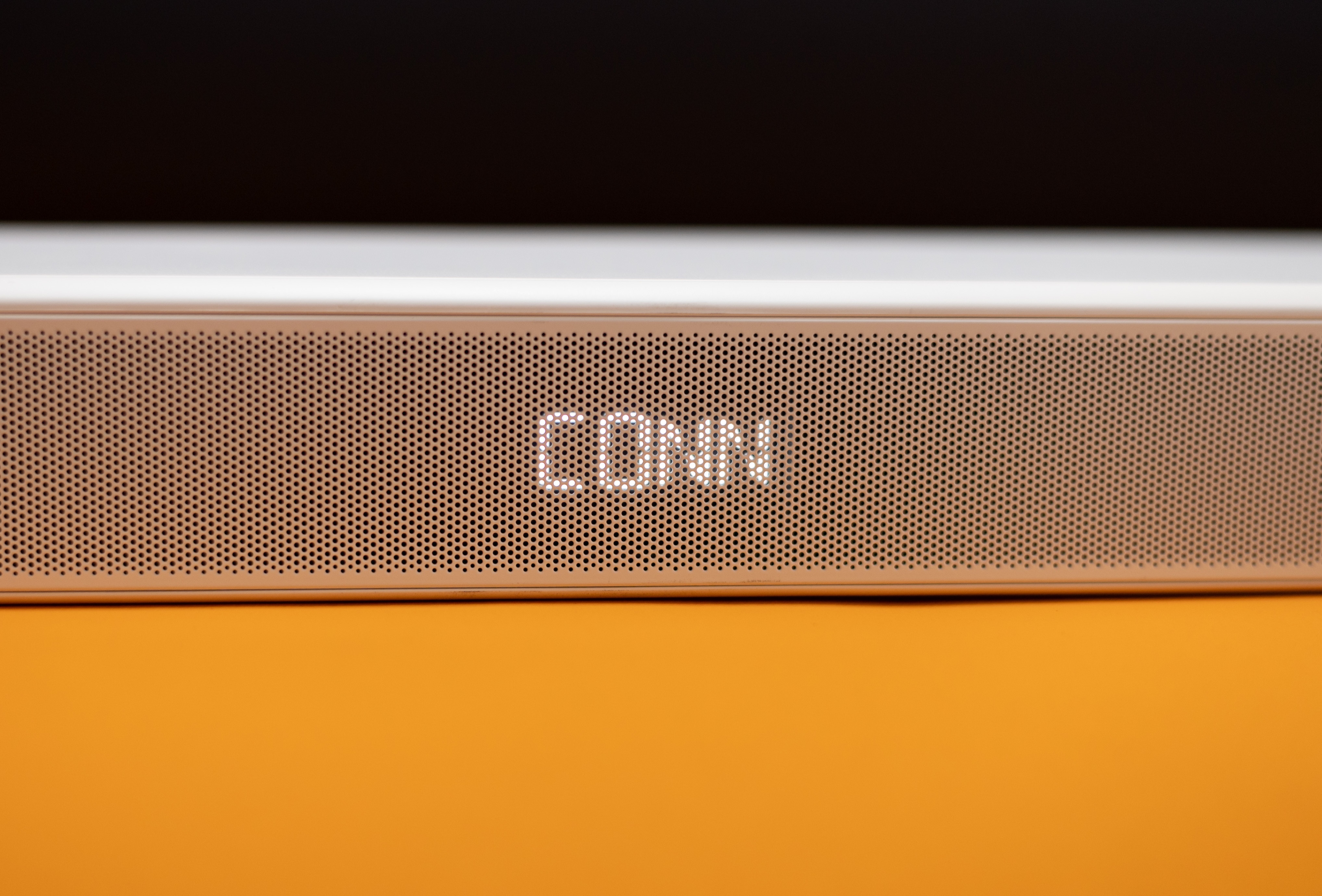
Nevertheless, years of experience in audio production combined with proprietary technology allows JBL speakers to reproduce surround sound or Dolby Atmos without the need for a complex system. Compared to its competitors, this soundbar model has a significantly higher level of technology. |
 |
At this price point, users also have several high-powered soundbar options such as the Sonos Beam Gen 2, which starts at around 13 million VND, but users need to pay an additional 15 million VND for the version with a subwoofer. The Samsung HW-Q700C has true Dolby Atmos with upward-facing speakers. However, such systems are more complex to set up each time. |
Source: https://znews.vn/loa-thanh-cho-tv-mong-post1579324.html





![[Photo] Prime Minister Pham Minh Chinh receives the Chinese Ambassador to Vietnam](https://vphoto.vietnam.vn/thumb/1200x675/vietnam/resource/IMAGE/2026/04/05/1775397481797_ndo_br_dsc-5512-jpg.webp)











































































Comment (0)