

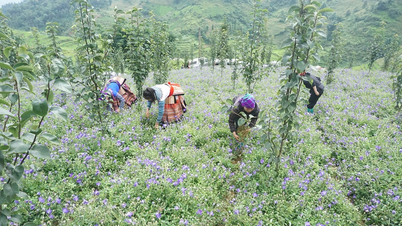
Spring rains awaken the ancient tea trees in Ngai Tro, causing them to burst with tender, vibrant green buds after months of winter dormancy. At the end of April, Ngai Tro farmers take advantage of the warm weather to harvest their tea, hoping for delicious, high-quality tea to supply the market.
Unlike industrial tea plantations, the tea in Ngai Tro grows and develops entirely naturally. Fresh tea buds are harvested and processed manually by the locals using traditional methods. Skilled hands carefully select each tender, fresh green tea bud to sell to traders. Each day, they are paid around 250,000 VND, a relatively high and stable income compared to the conditions in mountainous areas and ethnic minority regions.
Mr. Vang Lao Lo, from Ngai Tro village, A Mu Sung commune, said: "These tea trees have been passed down from our ancestors. Taking care of them isn't difficult; we've never had to use fertilizers or pesticides, only pruning once a year. The tea trees provide a stable income; if we harvest them all, my family earns about 50 million VND per year. Since this year, the government has been providing fertilizer for the ancient tea trees, so they are growing faster than before."
This year, the ancient tea trees in Ngai Tro are thriving and fetching good prices. Currently, the price of fresh tea buds ranges from 25,000 to 200,000 VND per kilogram, depending on the quality of the buds and the harvesting time. Traders come directly to the harvesting sites to buy the tea, then process it by roasting, drying, or sun-drying using traditional methods to create premium dried tea. Special batches of dried tea, fragrant and rich in the flavors of the mountains and forests, can fetch up to 2 million VND per kilogram, primarily serving the high-end export market.
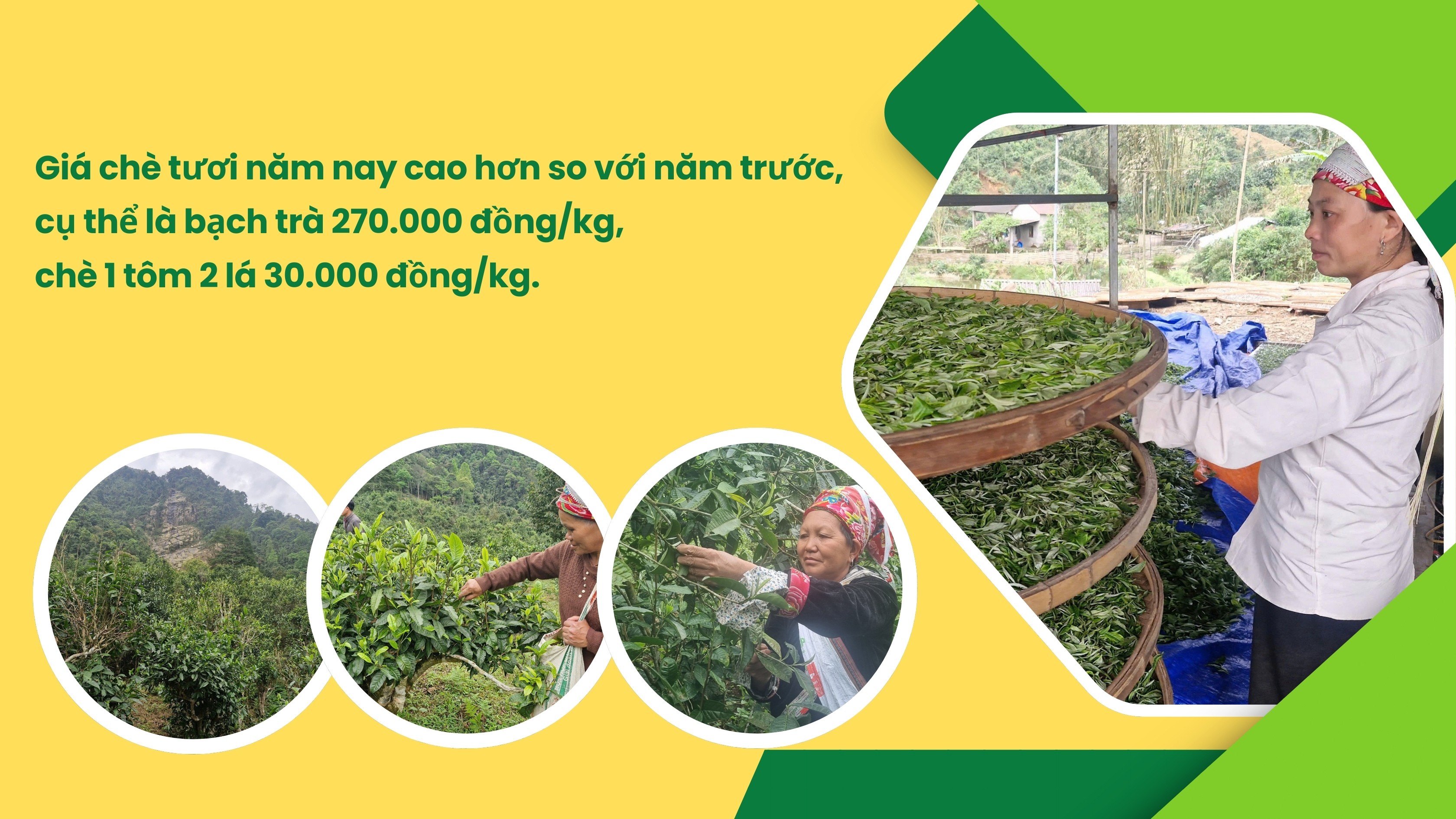
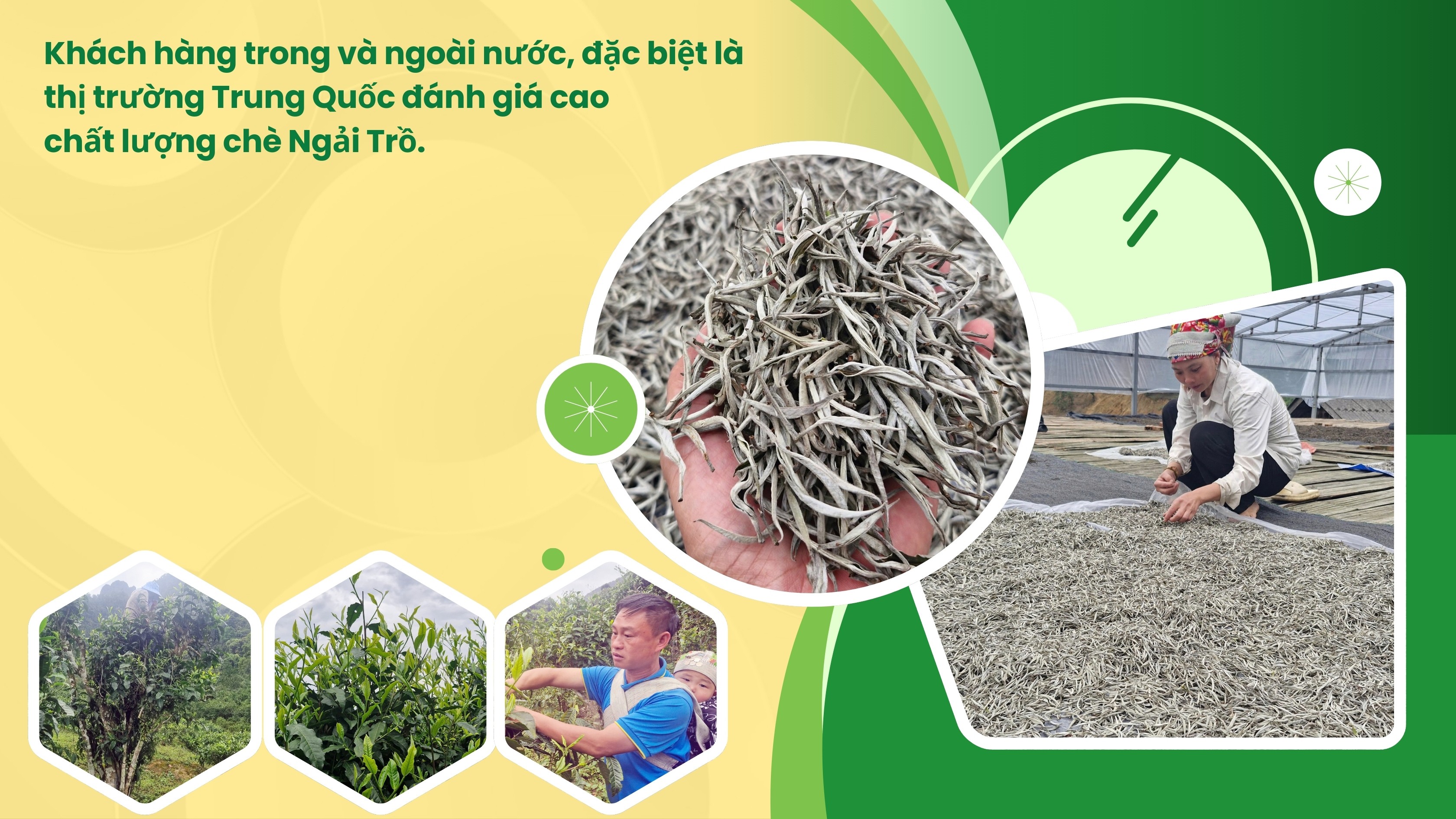
Ms. Tan Lo May from Ngai Tro village said: "Last year, I bought about 40 tons of fresh tea buds (1 bud, 2 leaves) and 1 ton of young tea buds from the locals to make white tea. This year, the price of fresh tea is higher than last year, specifically 270,000 VND/kg for white tea and 30,000 VND/kg for 1 bud, 2 leaves tea. Customers both domestically and internationally, especially the Chinese market, highly appreciate the quality of Ngai Tro tea. This year, customers are ordering a lot of tea; my family sells everything we produce, and we still can't meet the market demand."
Besides purchasing fresh tea leaves year-round from local people, Tan Lo May's family also creates jobs for dozens of local residents, providing them with an income of approximately 200,000 to 400,000 VND per day.
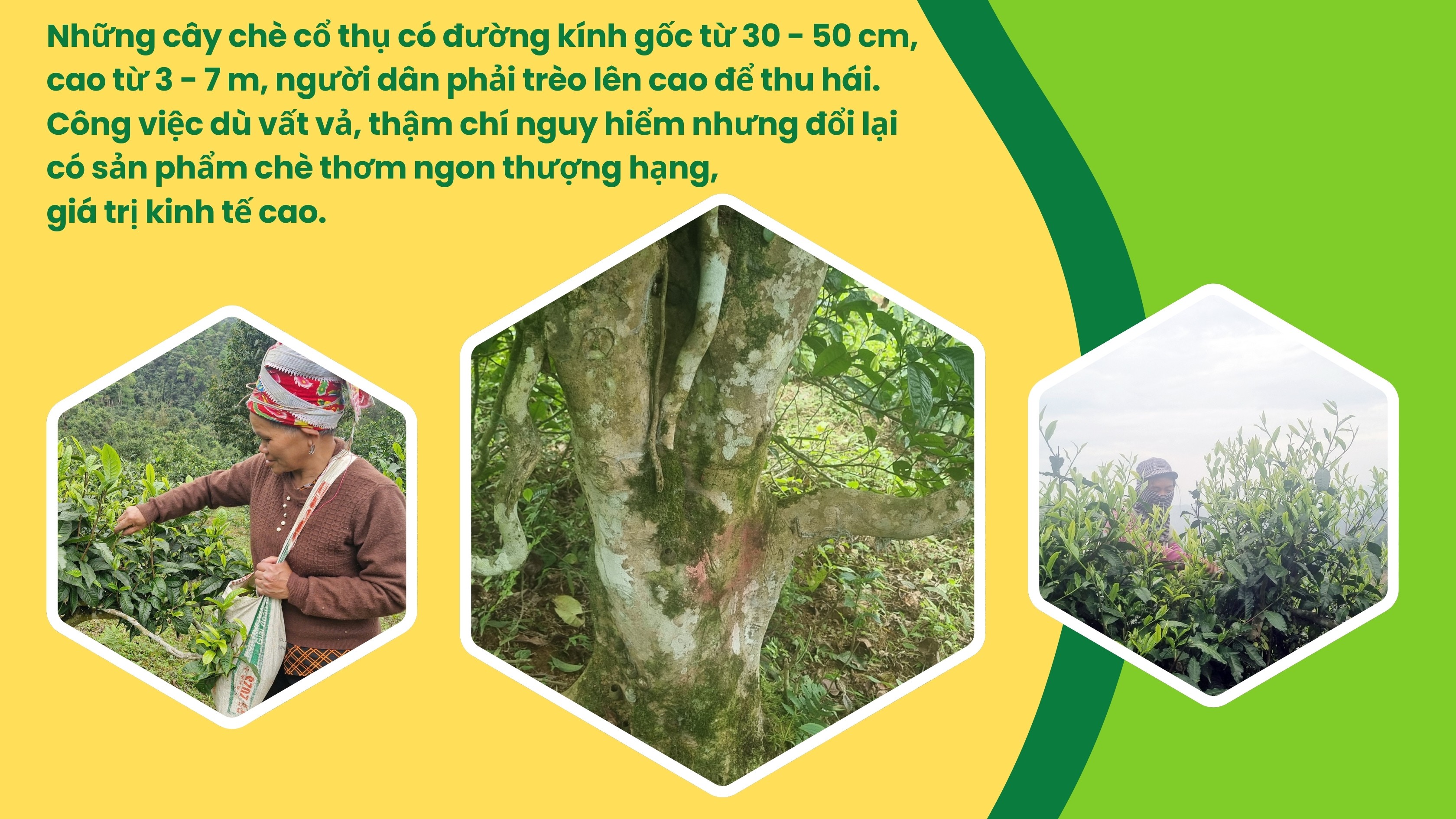
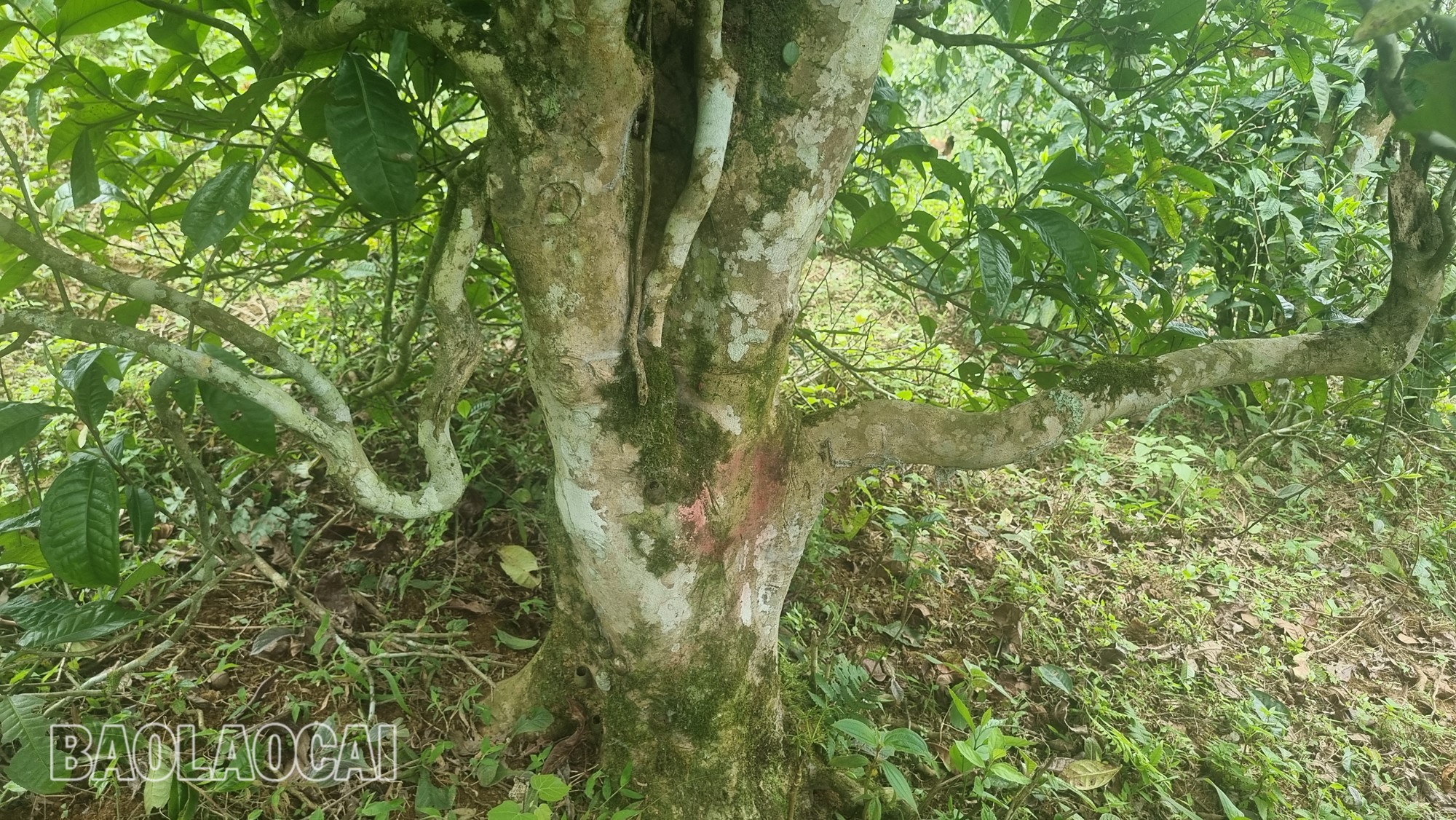
These days, the ancient tea plantations of Ngai Tro are always bustling, with dozens of people harvesting tea leaves from early morning until late afternoon. These ancient tea trees have trunk diameters of 30-50 cm and heights of 3-7 meters, requiring people to climb high to harvest the leaves. The work is arduous, even dangerous, but in return, it yields a fragrant, high-quality tea product with high economic value.
Thanks to the ancient tea trees, the lives of the people of Ngai Tro have changed significantly. Increased income has enabled them to build sturdy houses, buy motorbikes for transportation and agricultural product delivery, and ensure their children receive a more regular education. Tea trees not only provide a stable source of income but also represent pride, a unifying force for the community, and a way to preserve the traditions and cultural identity of the highlands.
According to Mr. Ly Xe Me, Chairman of the Farmers' Association of A Mu Sung commune: Every year, the people of Ngai Tro village harvest about 43 tons of fresh tea buds, bringing a considerable income to families. Currently, the local authorities have provided fertilizer support to families who own areas of old tea trees. For newly planted tea areas, they will provide technical support and seedlings to help people develop the tea growing region, making A Mu Sung tea a key commodity.
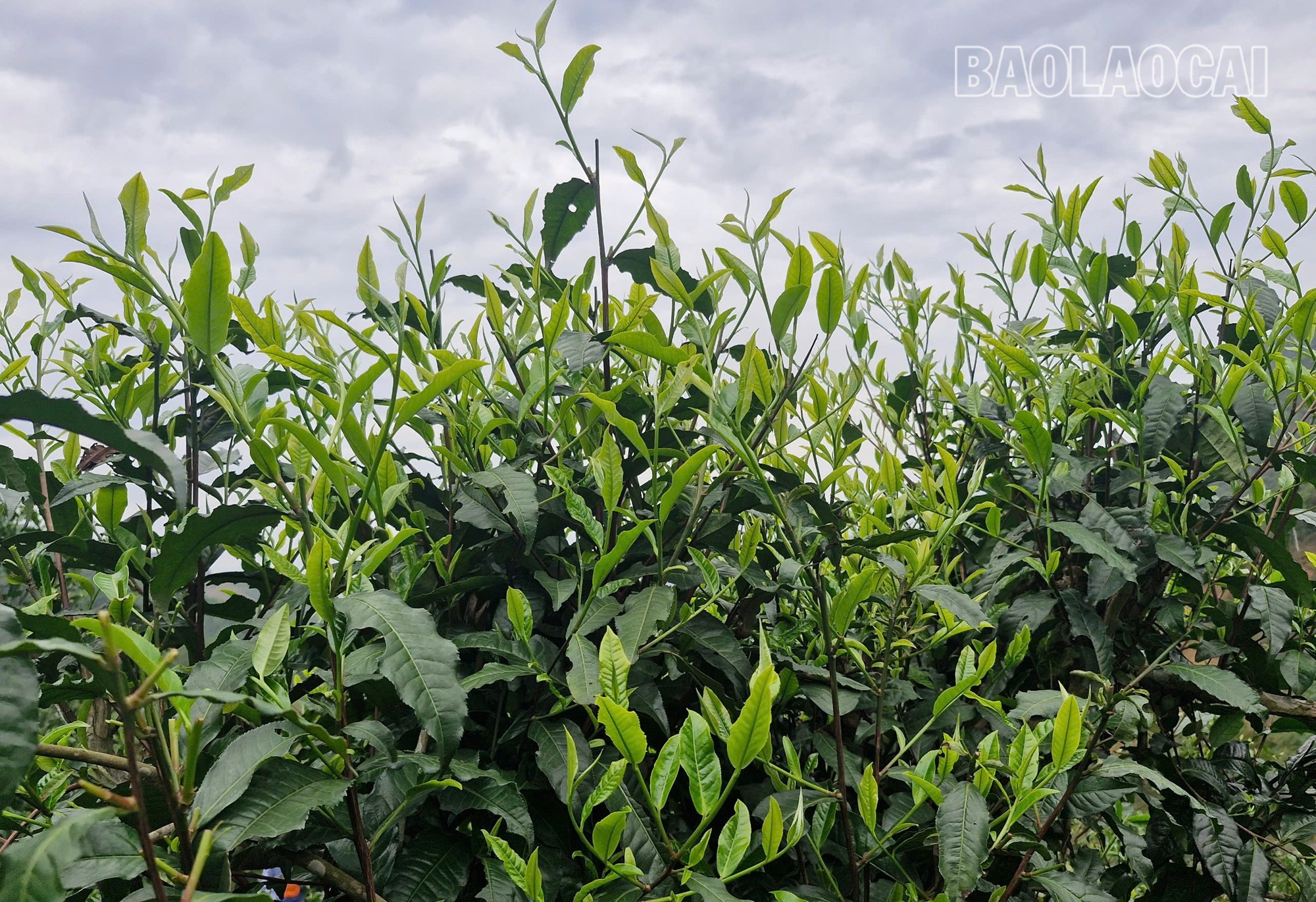
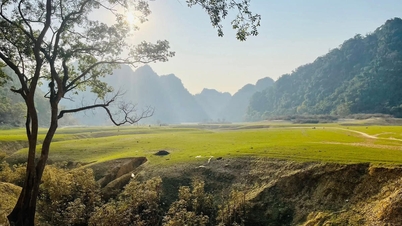
Ngai Tro today is no longer the remote, impoverished village it once was, but has donned a new look thanks to its dynamic economic development. On Ngai Tro mountain, the vast ancient tea forests remain lush, serene, and full of life, bringing prosperity to the local people, who often liken the ancient tea buds to a gift from heaven.
Source: https://baolaocai.vn/loc-troi-tren-nui-ngai-tro-post401584.html






































![[Infographic] Vietnam's Economic Situation Report, Q1 2026: Strong Growth Momentum](https://vphoto.vietnam.vn/thumb/402x226/vietnam/resource/IMAGE/2026/04/04/1775298512042_tang-truong-kinh-te-viet-nam.jpeg)
![[Image] Close-up view of the 10-lane road connecting to Long Thanh Airport](https://vphoto.vietnam.vn/thumb/402x226/vietnam/resource/IMAGE/2026/04/04/1775291871988_ndo_br_1-resize-5690-jpg.webp)


















Comment (0)