The continued localized shortage of medicines and medical supplies in some hospitals has led the public to question whether the cause stems solely from the bidding process.
Everything was in short supply, from medicine to gauze and IV needles.
Despite significant improvements, shortages of medicines and medical supplies still occur in some public healthcare facilities. The press reports that many cancer patients undergoing chemotherapy still have to purchase infusion tubes and needles themselves.
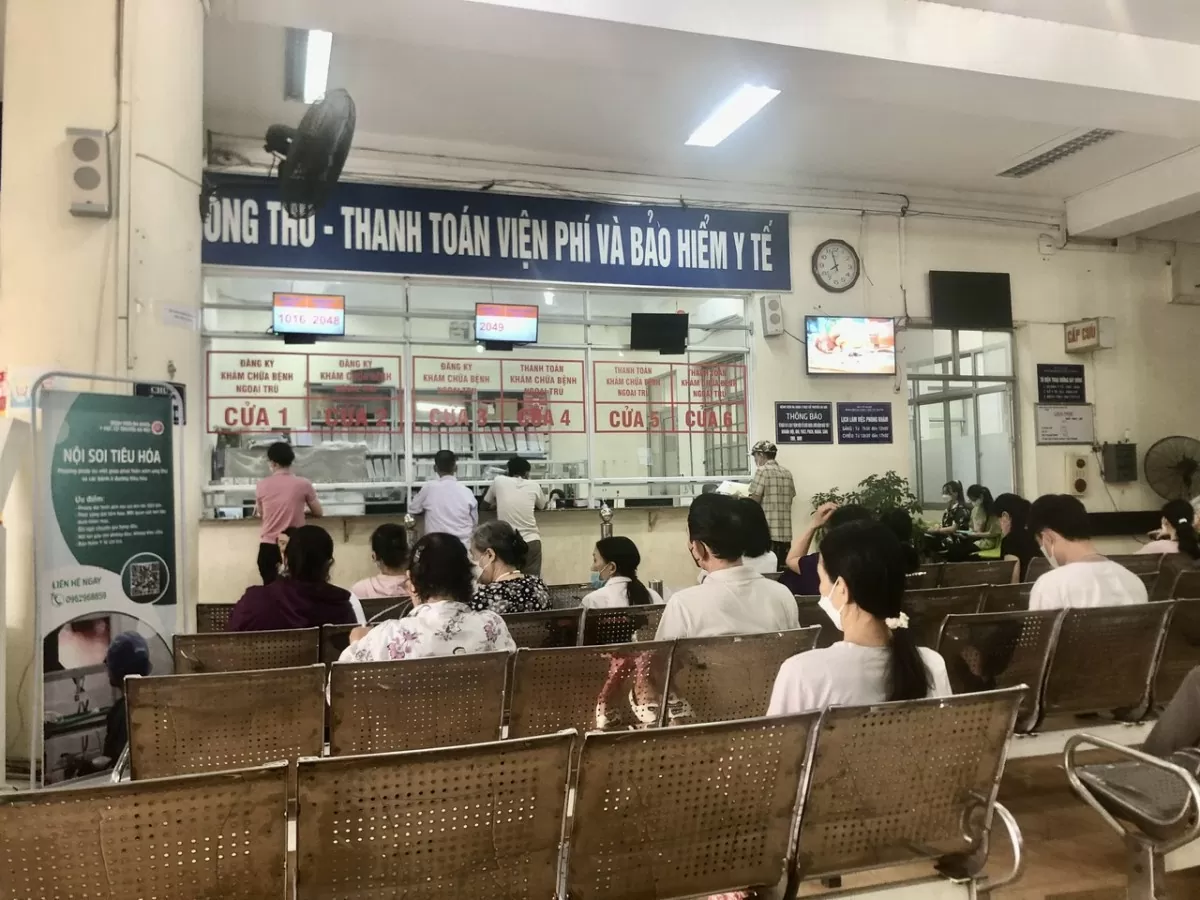 |
| Many patients with health insurance cards still have to buy medicine and medical supplies outside the designated areas. (Photo: TT) |
There have even been cases during surgery where, despite having health insurance, doctors required families to buy bandages and dressings outside the hospital. According to family members, each medical supply only costs a few thousand to a few tens of thousands of dong, but having patients buy them themselves causes considerable inconvenience.
Regarding the issue of patients having to buy medication themselves, representatives from several hospitals also acknowledged some obstacles in the procurement of medicines and medical supplies. Some hospitals still have some supplies that have not been successfully tendered for.
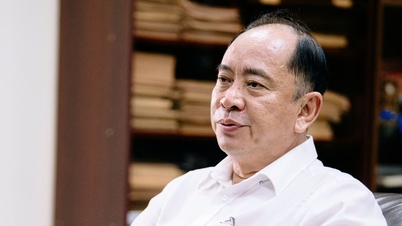
A recent press release from the Ministry of Health included the opinion of Mr. Hoang Cuong, Deputy Director of the Planning and Finance Department (Ministry of Health), stating that the Ministry of Health has recently organized numerous training conferences to disseminate new legal regulations on direct and online bidding to each medical facility. In addition, the Ministry of Health has also worked directly with several local medical facilities to provide guidance.
Through inspections and reviews, the Ministry of Health found that there was a shortage of medicines and medical supplies at some hospitals. This was due to delays in the implementation of the new Bidding Law at the beginning of 2024. Some bidding packages included inappropriate regulations, leading to the inability to select contractors and requiring the cancellation of bids for re-bidding.
“ Essentially, the main obstacles from healthcare facilities during implementation stem from a lack of unified understanding. Some localities have issued regulations that thoroughly decentralize procurement decisions to healthcare facilities and hospitals, while others have only moderately decentralized them. This is one of the reasons for the prolonged procurement process, as it involves intermediate approval and evaluation steps ,” Mr. Cuong said; adding that the difficulties arising since the issuance of the legal document on bidding are not the primary cause. Evidence shows that many localities and hospitals have conducted bidding without encountering any problems. However, some other hospitals have experienced difficulties.


According to Mr. Cuong, the difficulties faced by localities mainly revolve around the following issues: the appraisal and approval procedures in some localities are still complicated; some localities have not yet fully decentralized the decision-making process for procurement to hospitals; there are still inconsistencies in the collection of quotations and information to determine the bid price, such as determining the bid price based on the highest, lowest, or average quotation; difficulties in approving the budget for procurement; the assessment of the origin of goods stated by contractors in their bid documents; some hospitals are not yet confident in making procurement decisions for 2-3 years instead of only bidding annually as before…
Is it feasible to reimburse patients for the cost of their medication purchased outside the hospital?
Faced with the prolonged shortage of medicines and medical supplies, the Ministry of Health has recently made numerous proposals and developed policies to ensure the rights of patients. Among these, Circular 22/2024/TT-BYT, which regulates the direct payment of medicine and medical equipment costs to those with health insurance cards, is considered one of the temporary solutions to address the shortage of medicines and medical supplies.
However, according to the conditions, criteria, and rates for reimbursement, patients may not find it easy to comply. The Ministry of Health's circular clearly states that at the time of prescribing medication or ordering medical equipment, the following conditions must be met:
Firstly , there are no medicines or medical equipment available because the bidding process is still underway according to the approved bidding plan; at the same time, the medical facility does not have any commercially available medicines containing the active ingredient prescribed to the patient, or medicines with the same active ingredient but at different concentrations, dosages, formulations, or routes of administration that cannot be substituted for the patient's prescription; there is no medical equipment prescribed for the patient and no alternative medical equipment available.
Secondly , patients should not be transferred to other medical facilities in any of the following cases: the patient's health condition or illness is determined to be unsuitable for transfer; the medical facility where the patient is being examined and treated is under medical quarantine as prescribed by law on the prevention and control of infectious diseases; or the medical facility where the patient is being examined and treated is a specialized medical facility.
Thirdly , it is not possible to transfer medicines and medical equipment between medical examination and treatment facilities in accordance with the law.
Fourth , prescribed medications and medical devices must be within the scope of expertise of the medical facility and the medical examination and treatment costs must have been covered by health insurance at one of the medical facilities nationwide.
Fifth , prescribed medications and medical devices must be within the scope of coverage for the health insurance participant.


Even those in the industry have to admit that processing payments is not easy, because not just any medication purchased outside the hospital can be invoiced for health insurance reimbursement. It has to be a medication covered by health insurance that is essential for treatment, currently being used in the hospital, and which, for some objective reason, runs out, and the hospital has no alternative, forcing the patient to temporarily purchase it out of their own pocket.
Next, it's necessary to verify if the illness actually requires this medication, if the hospital has run out of it, and if there are no equivalent substitutes. It's also crucial to verify invoices and check if the drug prices fall within a reasonable range. Given the varying drug availability at each hospital, where would the manpower come from to verify the validity of all those prescriptions? With such complexities, does health insurance truly still have any meaning in a context where over 93% of the population is covered by health insurance?
The Ministry of Health stated that the Government has assigned the Ministry to continue reviewing and proposing amendments within its authority regarding content that is still problematic or not in line with reality during implementation. In particular, the Prime Minister has also assigned the Ministry of Health to lead the development of a handbook guiding the procedures for conducting bidding processes for hospitals to refer to and apply.
" We are currently implementing this task. In the near future, based on research and a compilation of the difficulties faced by hospitals, we will issue a handbook, following the principle of providing hands-on guidance. Hospitals can refer to it to conduct bidding and procurement processes. This will prevent shirking responsibility and passing tasks on to higher levels, " Mr. Cuong stated.
Source: https://congthuong.vn/benh-vien-van-thieu-thuoc-vat-tu-y-te-cuc-bo-loi-co-phai-chi-o-cong-tac-dau-thau-355662.html