

I visited the Provincial Museum's first facility in Yen Bai ward on an early autumn morning, not just to admire the exhibits, but to listen to "messages from the past." In the exhibition room displaying archaeological artifacts from various periods, under soft lighting, patterned pottery fragments, bronze drums, stone arrowheads… guide viewers through the memories of the inhabitants who once lived there. Archaeologist Nguyen Tien Hoa, Deputy Head of the Professional Department of the Provincial Museum, gazed at each display case: “Each pottery fragment, each bronze object tells a story about daily life, beliefs, and trade. Our ancestors left us traces, and our task is to decipher, preserve, and transmit them.” This “decoding” is not just the work of archaeologists or museum staff, but a bridge between science and the community, between expertise and collective memory.
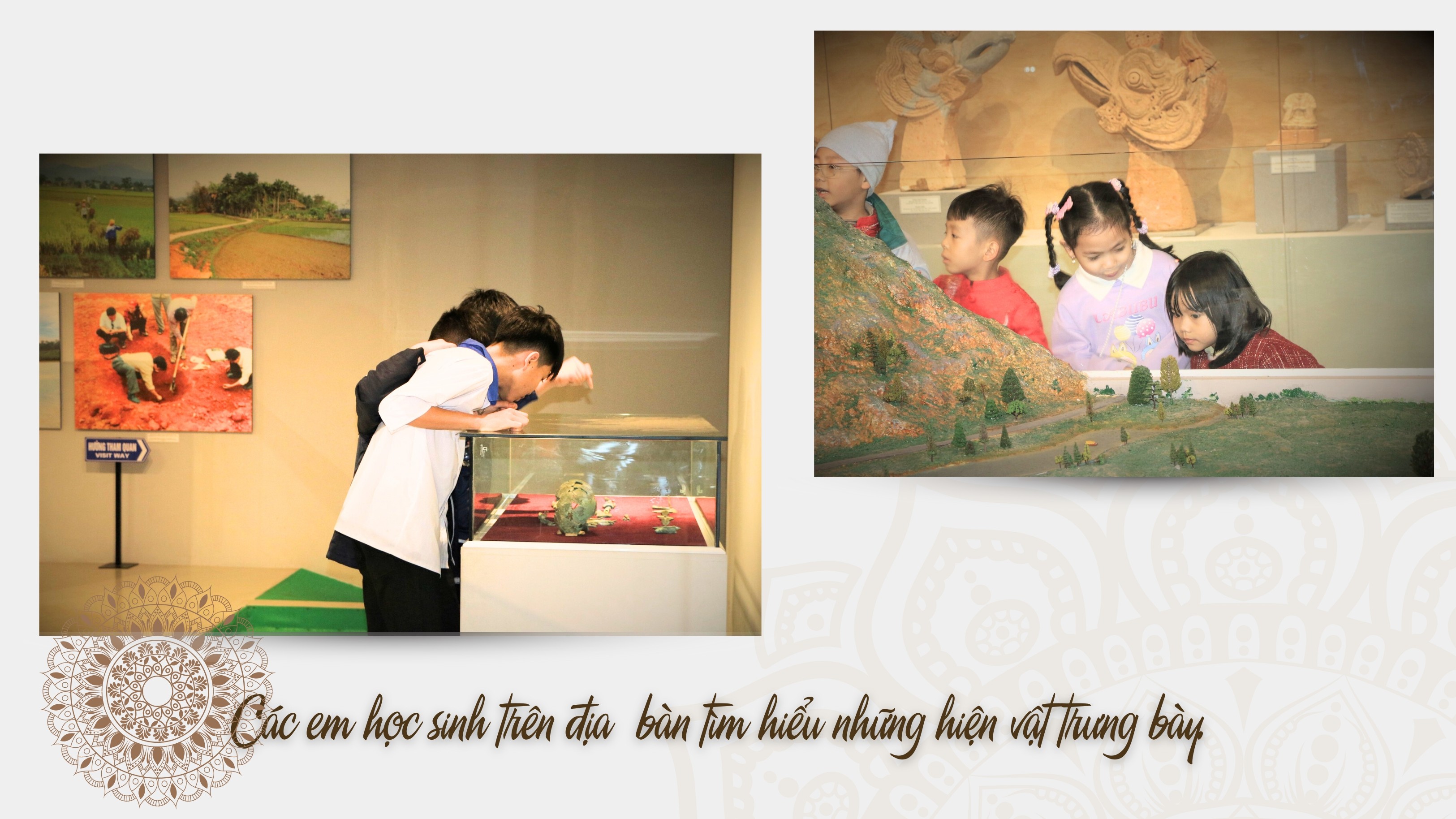
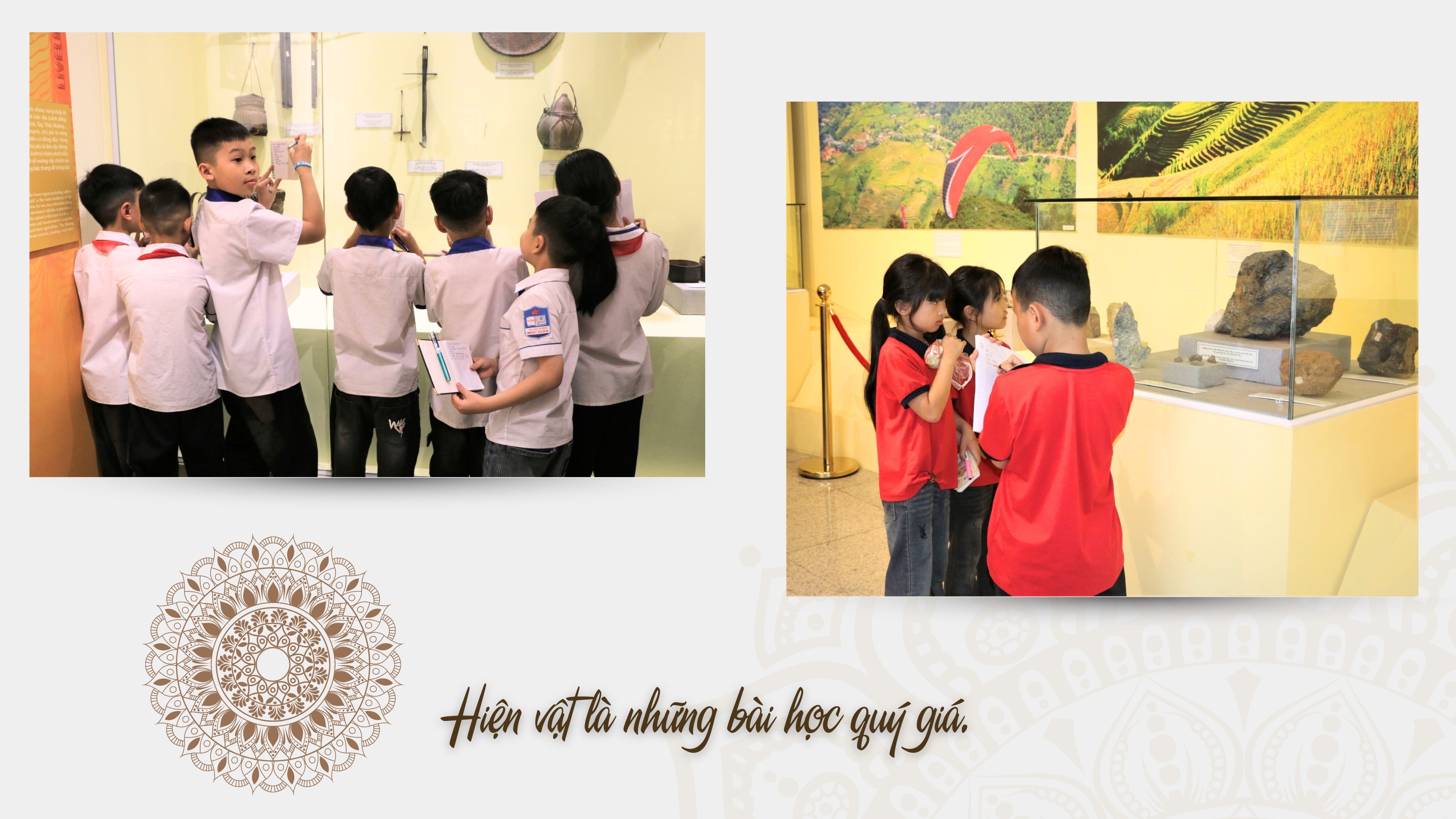
Meeting a group of students from Le Hong Phong Secondary School who were visiting as part of an extracurricular program, I asked them what they thought of the ceramic vases, bowls, etc. Phuong Linh shyly replied: “I find it very strange. I didn't think that the people who lived in this area in the past could make bowls, teapots, and even bronze drums with such intricate patterns. I want to know how the ancient inhabitants lived, whether it was similar to today's life.”
Indeed, behind the artifacts lies human life, and the curiosity of the younger generation is the flame that keeps the story of the past being told. Ms. Mai Thi Thuy Huong, a tour guide at the provincial museum, shared: “When they see real artifacts, touch models, and hear the story of ‘their own home,’ the children will be more proud and better at protecting the heritage. They are not just recipients, but can become guardians in the future.”
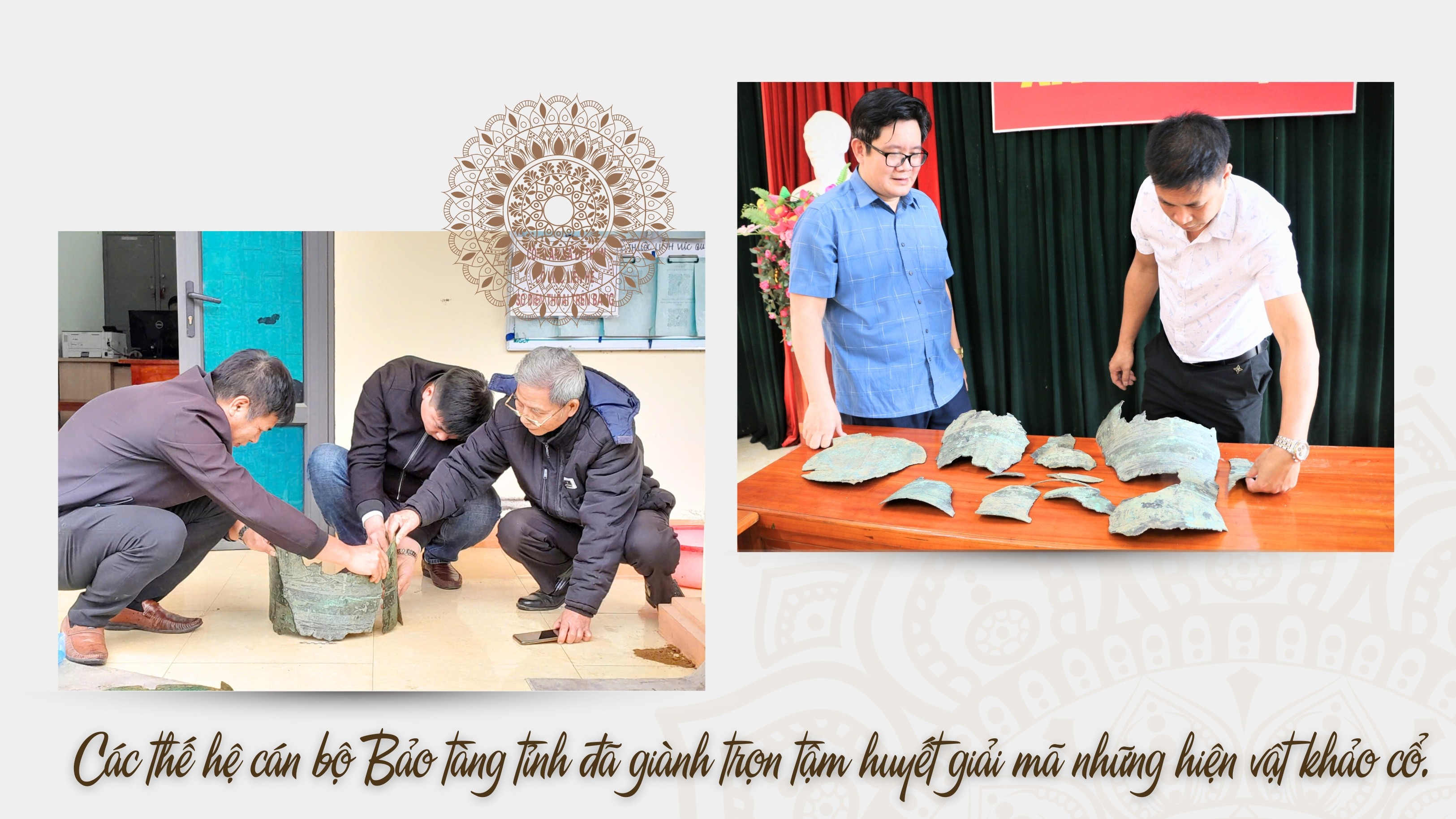
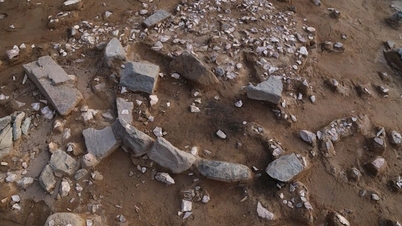
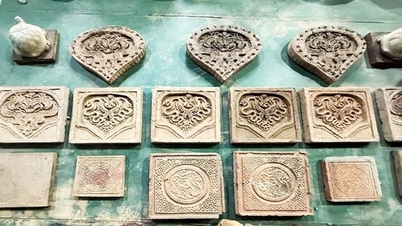
Today's responsibility, as many in the field often mention, is both scientific and ethical. "Preservation is not just about storing," Mr. Hoa emphasized as he led me around the storage facility. He pointed to a stone axe with grinding marks: "These are raw materials from thousands of years ago. If we only look at them with curiosity without dedicating resources to analysis and proper preservation, future generations will lose the ability to understand them better." He then quickly moved on to the group of artifacts excavated at the Hac Y pagoda and tower complex (Tan Linh commune) as evidence of the cultural development of this region. Through seven excavations, the provincial museum has collected thousands of artifacts dating from the 13th and 14th centuries (during the Tran Dynasty). These artifacts not only have historical value but also carry many stories about the life and culture of the local people. The Hac Y pagoda and tower complex is a large complex with three pagoda ruins, more than 10 tower remains, and many auxiliary structures. Most of the discovered artifacts are made of terracotta, reflecting the craftsmanship and aesthetics of the ancients. These artifacts are not only evidence of the people's spiritual development but also a bridge between the past and the present. Archaeologist Nguyen Tien Hoa shared: “The excavation has clearly revealed the culture of the Tran Dynasty, one of the most glorious periods in Vietnamese history. The artifacts not only help us better understand the beliefs and spiritual life of the people at that time but also serve as a valuable source of information for historical and archaeological research.” The provincial museum must balance resources between the need for attractive exhibitions for the public and the strict preservation of archaeological documents. “We must learn how to both engage with the community and conduct scientific research,” Mr. Hoa emphasized.
Mr. Le Van Binh, a visitor from Hanoi, visited the provincial museum with the intention of discovering the cultural imprint of the region. He said: “I came to learn more about the local history. The artifacts here made me think about the connection between the lowlands and the mountains, about the ancient trade routes. I feel that preserving these artifacts is preserving identity, and is about seeking knowledge from the past that can be applied in the present.”
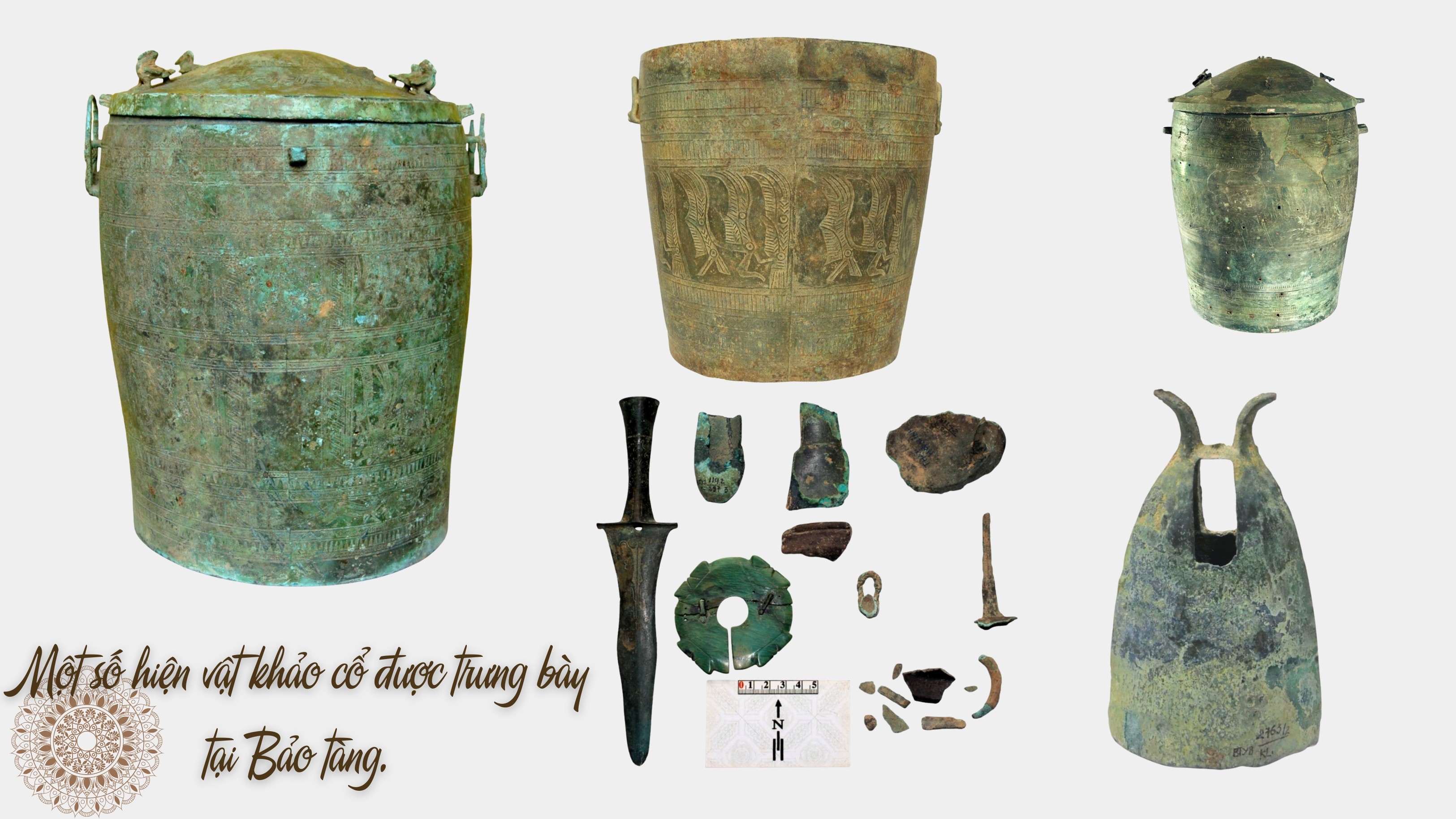
The Lao Cai Provincial Museum, Branch 1, is preserving and displaying numerous local archaeological artifacts spanning various historical periods, from prehistoric and early historical times to the period of independent feudal rule. Among them are many relatively intact sets of artifacts, such as the Dao Thinh bronze drum and sets of production tools used by ancient inhabitants. All of these create a vibrant space showcasing the ancient history of humankind formed and developed in this land. Archaeologist Nguyen Tien Hoa further shared: “The museum's archaeological artifacts have made a significant contribution to the study of the history and culture of this region. For example, the Hop Minh bronze jar, currently housed at the museum, not only holds value in terms of its age but also reflects the craftsmanship and social life of the people more than 2,000 years ago. Similarly, the Hac Y relics demonstrate the cultural development during the Tran Dynasty in Yen Bai, thus affirming the region's position within the historical context of Dai Viet in the 13th-14th centuries.”
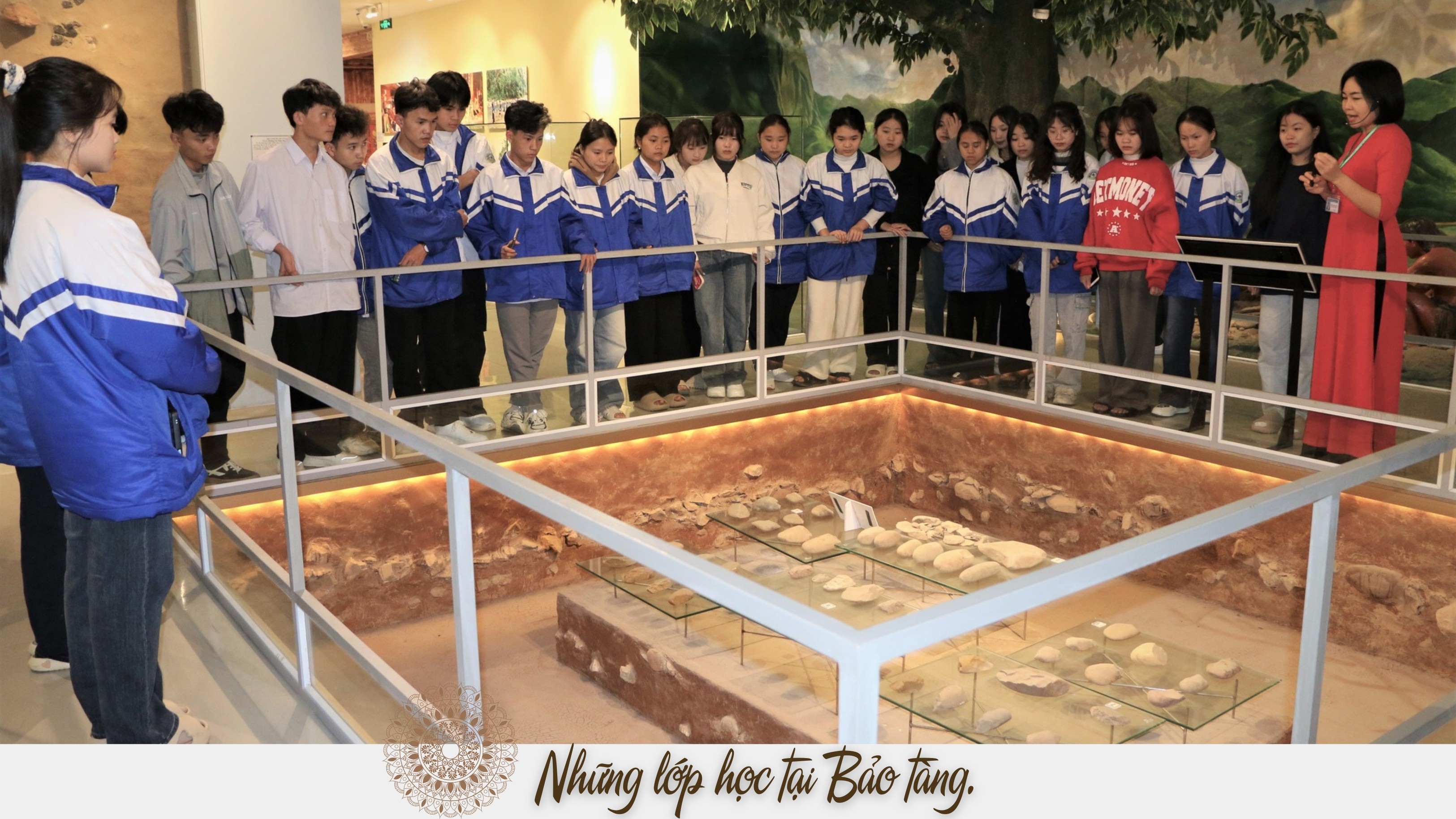
Although modest in size, the Lao Cai Provincial Museum, Branch 1, plays a significant role in conveying messages from the past. The museum focuses on connecting artifacts with viewers; organizing interactive guided tours; inviting experts to exchange ideas and publish preliminary research; and collaborating with schools to develop experiential learning programs. Ms. Mai Thi Thuy Huong further shared: “We don’t just display artifacts; we want them to ‘speak’ in an easily understandable and relatable way.” Messages from the past are not only warnings or lessons but also invitations to creativity. Many artifacts inspire artistic expression, community tourism, and educational initiatives. These artifacts are not just part of a small community but are a part of the shared history of the nation and humanity. A small bronze bracelet or pottery fragment can shed light on economic and cultural relationships throughout different eras. Preservation is how we retain historical documents so that science can continue to advance. But more than that, preservation is an ethical act: not stealing, not concealing, not allowing memories to be erased.
Leaving the Provincial Museum, the stories I had heard, the professional analyses of the museum staff, the innocence of the students, the concerns of the tourists, and the careful consideration of the archaeologists... left me with a lingering feeling. Each of us faces a choice: to view the past as a resource to be exploited, or as a treasure to be protected, deciphered, and shared. "Messages from the Past" reminds us that we are "borrowing" the past to live the present and build the future. Therefore, each artifact needs to be protected to preserve history – the foundation for development today and tomorrow.
Source: https://baolaocai.vn/loi-nhan-tu-qua-khu-post884739.html
![[Photo] Solemn bathing ceremony and Buddha procession in Hue](https://vphoto.vietnam.vn/thumb/1200x675/vietnam/resource/IMAGE/2026/05/31/1780228263543_1-jpg.webp)

![[Photo] The General Secretary, President and his wife begin their state visit to the Philippines.](https://vphoto.vietnam.vn/thumb/1200x675/vietnam/resource/IMAGE/2026/05/31/1780230559452_anh-man-hinh-2026-05-31-luc-19-28-11.png)
![[Photo] Admire the coral "masterpiece" amidst the million-year-old heritage of Dak Lak province.](https://vphoto.vietnam.vn/thumb/1200x675/vietnam/resource/IMAGE/2026/05/31/1780221235105_anh-man-hinh-2026-05-31-luc-16-53-27.png)




![[Photo] My Son at night: A thousand-year-old heritage site amidst the Milky Way](https://vphoto.vietnam.vn/thumb/402x226/vietnam/resource/IMAGE/2026/04/15/1776261039184_ndo_br_chon6-jpg.webp)






![[Video] Sunset at Lap An Lagoon – Where the sun sets over the fishing nets](https://vphoto.vietnam.vn/thumb/340x192/vietnam/resource/IMAGE/2026/05/31/1780192137701_beach-landscape-sea-water-nature-grass-745871-pxhere-com.jpeg)

































![[Photo] Admire the coral "masterpiece" amidst the million-year-old heritage of Dak Lak province.](https://vphoto.vietnam.vn/thumb/402x226/vietnam/resource/IMAGE/2026/05/31/1780221235105_anh-man-hinh-2026-05-31-luc-16-53-27.png)





























Comment (0)