

160 tons of cinnamon essential oil shipped to the US, bringing in nearly half a million USD.
In late March, there was very good news for Quang Ninh's agricultural products: a 160-ton shipment of cinnamon essential oil from Ba Che Cinnamon Co., Ltd. was exported to the US market, bringing in nearly $500,000. Notably, Ba Che Cinnamon Co., Ltd. is a newly established enterprise that started production in November 2025 and is also the first enterprise to officially establish a factory in the province. Previously, some shipments of cinnamon essential oil from Dam Ha and Tien Yen areas had also been exported abroad, but through intermediary units.

According to Mr. Nguyen Minh Son, Director of the Quang Ninh Department of Agriculture and Environment: With its current production capacity and the business plan and strategy for the future as reported by the company, Ba Che Cinnamon Co., Ltd. expects a large concentration of cinnamon production, a large volume of cinnamon meeting export standards, and a significant increase in the value of Quang Ninh's agricultural exports. Importantly, the company's export development direction ensures sustainability.
Immediately after installing its production line at the end of 2025, Ba Che Cinnamon Co., Ltd. has been operating continuously, purchasing and processing cinnamon from leaves to bark. According to Ms. Duong Thi Hoa, Director of the company, the unit's annual production capacity is approximately over 100 tons of cinnamon essential oil, 240 tons of cinnamon-based biological products, and 3,000 tons of dried cinnamon bark. The unit's main products are Cinnamic Aldehyde, Benzaldehyde, Cinnamon oil, Coumarin, Cinnamyl acetate, o-Methoxycinamaldehyde (belonging to the group of products processed from cinnamon essential oil) and cinnamon sticks, black cinnamon in bulk, cinnamon sticks, cinnamon tubes, black cinnamon tubes, cinnamon rings (belonging to the group of products processed from cinnamon bark)... All have export codes.
Currently, due to insufficient raw material supply, Ba Che Cinnamon Co., Ltd. is focusing on producing cinnamon essential oil for export. Director Duong Thi Hoa affirmed: This is also a product that foreign markets are in need of, including the US and China, which are two traditional trading partners of the company. The company's current production plan is to produce 100 tons of cinnamon essential oil to export according to orders from US customers by the end of the second quarter.
Featuring major agricultural export businesses.
Cinnamon essential oil is considered a striking feature in Quang Ninh's agricultural export landscape. Previously, Quang Ninh's exports included pine resin, various types of pine essential oil, oysters, various types of shrimp, wood chips, etc.

Currently, Quang Ninh Pine Oil Joint Stock Company is one of the largest exporters of pine and fir oil in the country, with its main export market being the Middle East, generating annual revenue exceeding 1,000 billion VND.
Quang Ninh Seafood Import-Export Joint Stock Company, with its long-standing experience and reliable traditional customers and partners, is one of the leading companies in the province in exporting seafood products. Currently, the company's main export products are fish, oysters, squid, and shrimp. From 2022 to the present, in the context of concentrated harvesting of shellfish products and the risk of oversupply, Quang Ninh Seafood Import-Export Joint Stock Company has exported thousands of tons of oysters to the Taiwanese market, helping local people increase the value of their agricultural products.
Quang Ninh's wood chip processing and exporting businesses currently export tens of millions of tons of products to the Chinese and Japanese markets each year, with 40% being agricultural products from the province. The wood chip exporting businesses in the Cai Lan area alone are expected to export up to 8 million tons by 2025, generating significant revenue and contributing to the province's agricultural economic growth.
There are still many difficulties.
One limitation of Quang Ninh's agricultural exports currently is their instability. The main reason for this is the lack of standardized raw material areas.

Returning to the story of Ba Che Cinnamon Company Limited's cinnamon essential oil exports, the company is currently facing a shortage of raw materials. Ms. Duong Thi Hoa, Director of the company, shared: "In the past three months of production, the company only imported about 20% of its raw materials locally, with the rest coming from other provinces, mostly from Yen Bai. Importing raw materials from afar is only a temporary solution; in the long run, it's difficult to sustain due to increased production costs. Recognizing this, Ba Che Cinnamon Company Limited has collaborated with specialized units to supply seedlings and support farmers with part of the cost of planting cinnamon. Specifically, in February, we provided 165,000 seedlings to farmers for planting, but the actual planting results were not high. Our goal is to create an 8,000-hectare cinnamon growing area in Ba Che, but according to the current progress, this goal is facing considerable difficulties."
For Quang Ninh Pine Joint Stock Company, the strategy of developing raw material areas has been implemented for decades. The company has partnered with localities such as Uong Bi, Dong Trieu, Binh Lieu, and Ba Che to supply seedlings, capital, and partially support costs for planting pine trees on high mountain areas. However, the company still faces a shortage of raw materials.
For Quang Ninh Seafood Import-Export Joint Stock Company, the problem lies in the fact that the aquaculture areas of local people have not been allocated sea areas, have not been granted farming area codes, and have not been assessed for the necessary environmental indicators required by importing markets. Mr. Do Quang Sang, Director of Quang Ninh Seafood Import-Export Joint Stock Company, affirmed: This is a barrier to agricultural exports. When the standards are not met, exports are impossible.
Based on the current state of agricultural exports, it can be affirmed that this is a long-term direction that Quang Ninh's agriculture must maintain and develop even more strongly. What needs to be done now is to ensure export standards, creating the foundations and "support" so that agricultural products in the province have favorable conditions to conquer international markets.
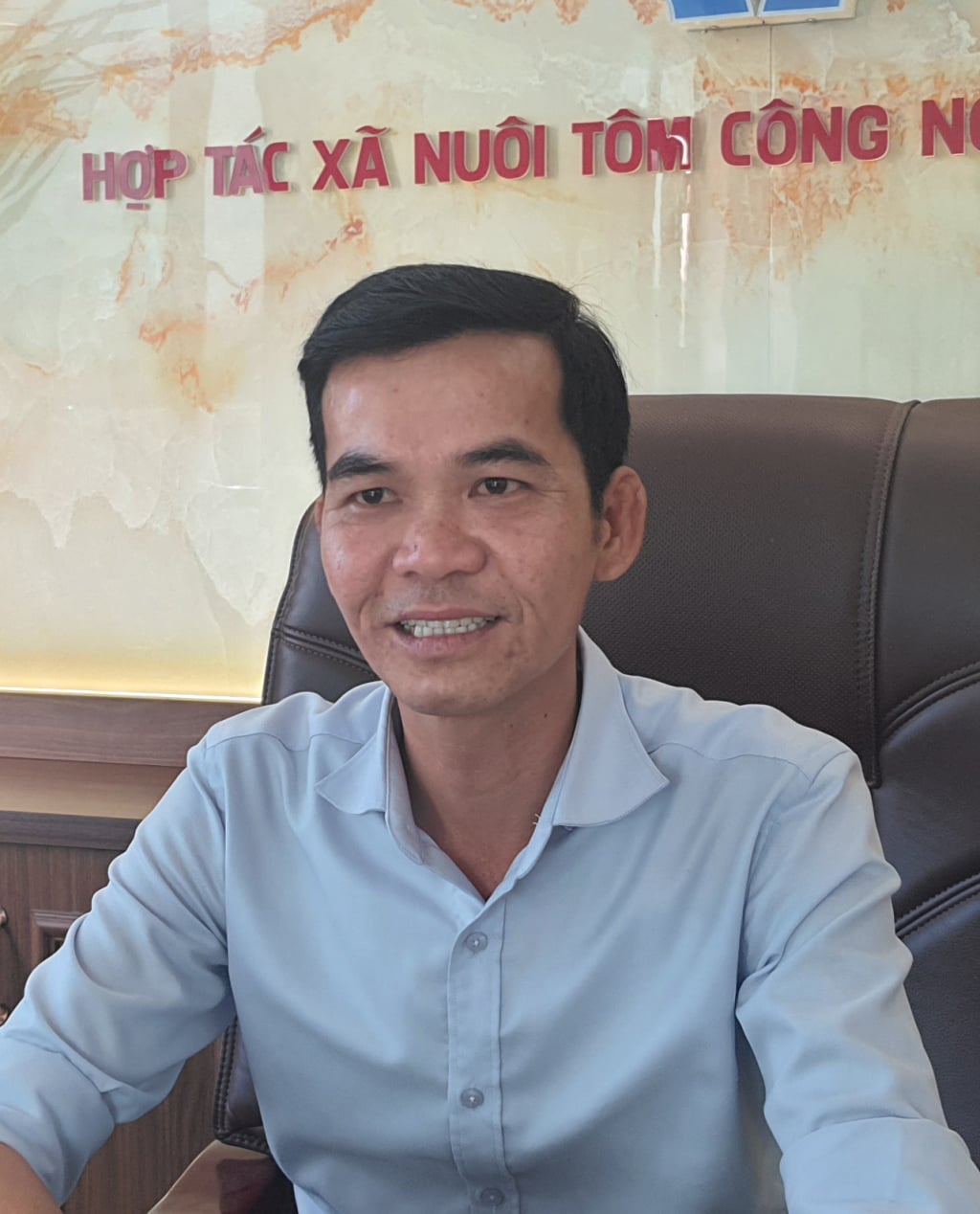 Mr. Nguyen Van Manh, Director of Cam Pha High-Tech Shrimp Farming Cooperative: “We hope to receive guidance on implementing standards for export.” We understand that out of nearly 10,000 hectares of shrimp farms in the province, almost 50% are industrially farmed, meaning a yield of at least 10 tons/hectare/year. High-tech farming can increase this by 2-5 times. For example, at our cooperative, we use multi-stage farming technology in greenhouses, allowing us to proactively manage environmental factors and prevent diseases. Yields can reach 30 tons/hectare/crop, and we can farm multiple crops per year. Therefore, in terms of production volume, our shrimp can fully meet export demands. However, other standards such as farming area codes, environmental indicators, food safety, and antibiotic residue levels in shrimp currently cannot meet export standards. Our shrimp output is still primarily domestic, meaning we remain dependent on the market and receive lower prices. We are very much hoping to receive guidance on implementing standards to facilitate exports. |
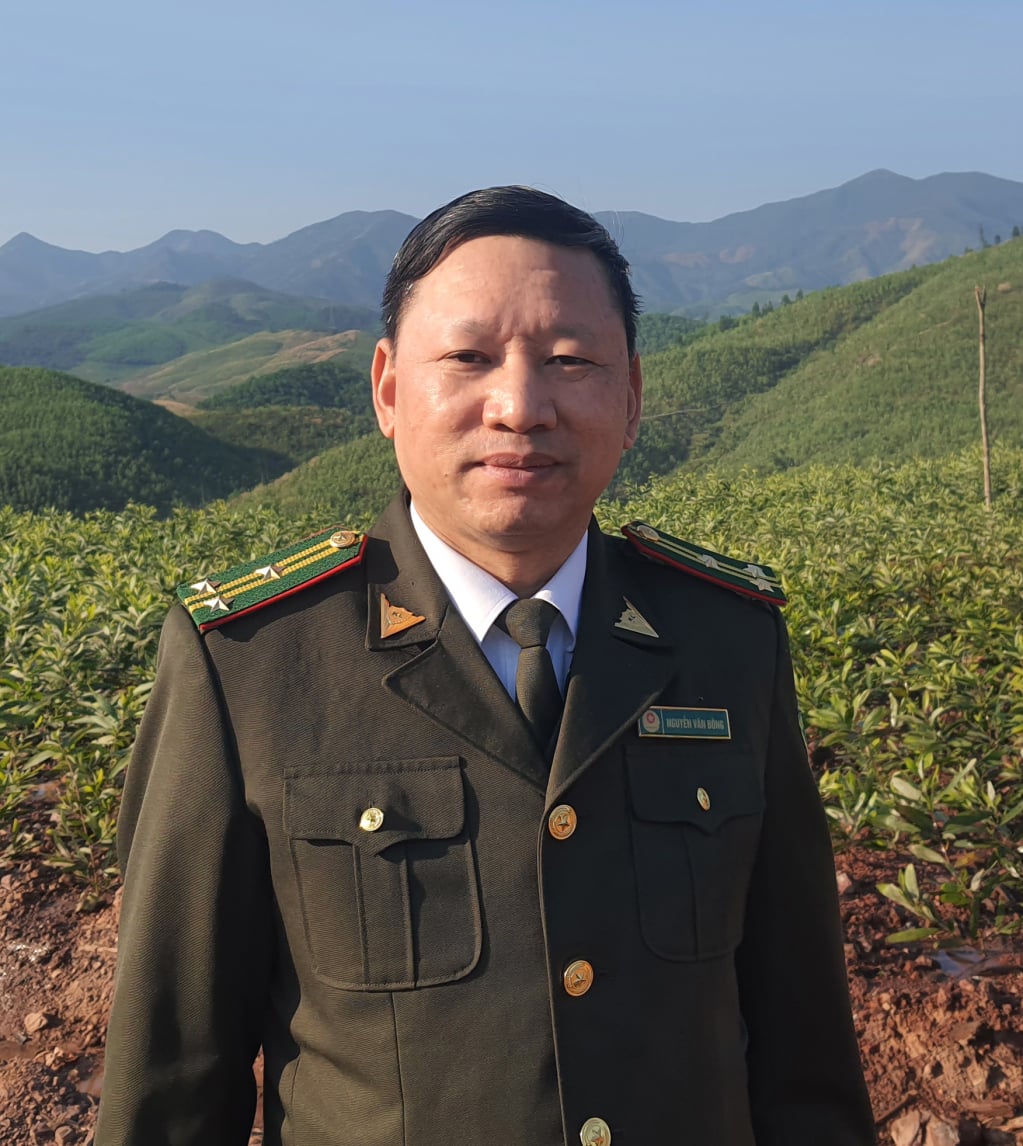 Mr. Nguyen Van Bong, Deputy Head of the Provincial Forest Protection Department: "The goal is to have 90,000 hectares of forest with sustainable production forest certification." I agree that agricultural products must have traceable origins; that is the basic and primary standard for export. Regarding Quang Ninh's forests, out of a total of over 200,000 hectares of production forest, 36,300 hectares have already been certified under the Forest Stewardship Council (FSC) sustainable forest management program. Moving forward, Quang Ninh aims to increase the certified forest area to 90,000 hectares by 2030. This area will not only ensure a sufficient supply of raw materials for timber processing but also guarantee that those materials are traceable, planted according to proper procedures, density, and planning, while also being environmentally friendly and free from disputes. Quang Ninh will also plan concentrated forestry production areas, initially focusing on star anise and cinnamon trees, with an area of nearly 10,000 hectares by 2026... More importantly, to serve the export of forestry products, investment facilities in forestry seedling production and forest product processing are being restructured, aiming to create strong, large-scale facilities using modern technology and developing sustainably. |
 Mr. Nguyen Van Duc, Vice Chairman of the Provincial Farmers' Association: "Farmers need the support of specialized units." During the production process, farmers can focus on cultivating and producing high-quality agricultural products for export. However, not all farmers fully understand the requirements for exporting agricultural products. For example, standards related to production linked to environmental protection, the issuance of codes for farming and cultivation areas, the issuance of forest certifications, and the permissible and prohibited levels of antibiotic or pesticide residues for each export market are all important considerations. Therefore, farmers need timely and effective guidance, supervision, support, and assistance from specialized units, consulting firms, and local authorities to improve their understanding, awareness, and practices regarding agricultural production for export. This is especially crucial given the current context where import and export standards for each market are different and constantly changing. |
Source: https://baoquangninh.vn/loi-the-lon-thach-thuc-khong-nho-3403147.html
![[Photo] My Son at night: A thousand-year-old heritage site amidst the Milky Way](https://vphoto.vietnam.vn/thumb/1200x675/vietnam/resource/IMAGE/2026/04/15/1776261039184_ndo_br_chon6-jpg.webp)

![[Photo] National Assembly Chairman Tran Thanh Man arrives in Türkiye to attend IPU-152](https://vphoto.vietnam.vn/thumb/1200x675/vietnam/resource/IMAGE/2026/04/15/1776261003665_tnk10-jpg.webp)
![[Photo] Mrs. Ngo Phuong Ly meets and exchanges views with Mrs. Peng Li Yuan](https://vphoto.vietnam.vn/thumb/1200x675/vietnam/resource/IMAGE/2026/04/16/1776277858080_phu-nhan-1-jpg.webp)
![[Photo] National Assembly Chairman Tran Thanh Man attends the opening session of IPU-152](https://vphoto.vietnam.vn/thumb/1200x675/vietnam/resource/IMAGE/2026/04/16/1776277863731_ctqh5-jpg.webp)
![[Photo] The General Secretary, President and his wife meet with Vietnamese-Chinese friendship leaders.](https://vphoto.vietnam.vn/thumb/1200x675/vietnam/resource/IMAGE/2026/04/15/1776264829725_vna-potal-tong-bi-thu-chu-tich-nuoc-to-lam-gap-mat-nhan-sy-huu-nghi-viet-nam-trung-quoc-8703641-3130-jpg.webp)


























































Comment (0)