

When home care becomes ineffective
Ms. NTTh. (35 years old), a specialist at a state agency in Hai Chau district, still hasn't forgotten the morning seven months ago when her mother suffered a stroke. "I heard a crashing sound in the kitchen, ran downstairs, and my mother had collapsed, her mouth distorted. In the first few days, the whole family panicked and struggled to cope because everything happened so unexpectedly," she recounted.
After recovering from the critical condition, her mother suffered many aftereffects: difficulty speaking, weak mobility, and complete dependence on others for daily activities. Ms. Th. and her husband had to take turns taking time off work to care for her, while their eldest daughter had just started first grade and their youngest child was 20 months old.
"I love my mother very much, but there are nights I stay awake all night, then in the morning I still take my children to school and go to work as if nothing happened. Many times I'm so tired I just want to collapse, but I don't know who to share my feelings with," Ms. Th. confided.
The family considered hiring a caregiver, but finding a professional wasn't easy, not to mention the high cost. Her father was also over 70 years old and in poor health, unable to be constantly present. She said that every night she was torn between conflicting thoughts. Putting her mother in a care center might be better for her, but she was afraid of what the neighbors and relatives would say. And her biggest fear was that her mother would be sad and her father angry.
In Da Nang , many young families face similar situations: elderly parents, young children, limited finances, and tight schedules. According to geriatric experts, caring for the elderly after stroke, dementia, or diabetic complications requires specialized expertise and continuous monitoring.
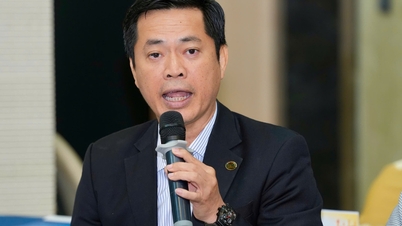
Dr. Vo Thi Hong Huong, Deputy Director of Hospital 199 ( Ministry of Public Security ), said that recently, the Daycare Center of Hospital 199 has regularly welcomed young families seeking information about elderly care services. Although home-based elderly care remains popular, according to Dr. Huong, there are many cases where family members are exhausted, leading to incorrect care or missed signs of illness.
"Elderly people who have suffered a stroke need to practice proper exercise techniques and have their blood pressure and blood sugar monitored continuously. Many families try to care for them themselves, but due to a lack of expertise, they inadvertently worsen the patient's condition," she said.
Not only do patients face health risks, but caregivers also suffer psychological trauma. "Many children experience prolonged stress, even depression, because they are both grieving for their parents and exhausted. Some are stressed by pressure from relatives and neighbors who believe that keeping parents at home is the only way to show filial piety," Ms. Huong explained.
A quick survey of several elderly care centers in Da Nang revealed that the majority of those inquiring about the service were families with relatives who had suffered strokes or dementia, or elderly people living alone whose children had gone away to work.
Ms. Tran Thi Tu Nga, a nurse at a nursing home in Hoa Khanh ward, recounts that many elderly people are sent to the facility suffering from depression due to limited social interaction and mobility difficulties. Their children and grandchildren still care for them, but not in the right way or with enough time, making it difficult to improve their health.
We need to be more open to aged care services.
In many countries such as Japan, Germany, and Singapore, caring for the elderly through nursing homes is a common model with guaranteed quality, well-trained staff, and a continuous health monitoring system. The elderly receive daily nutritional support, exercise, therapy, and community engagement.
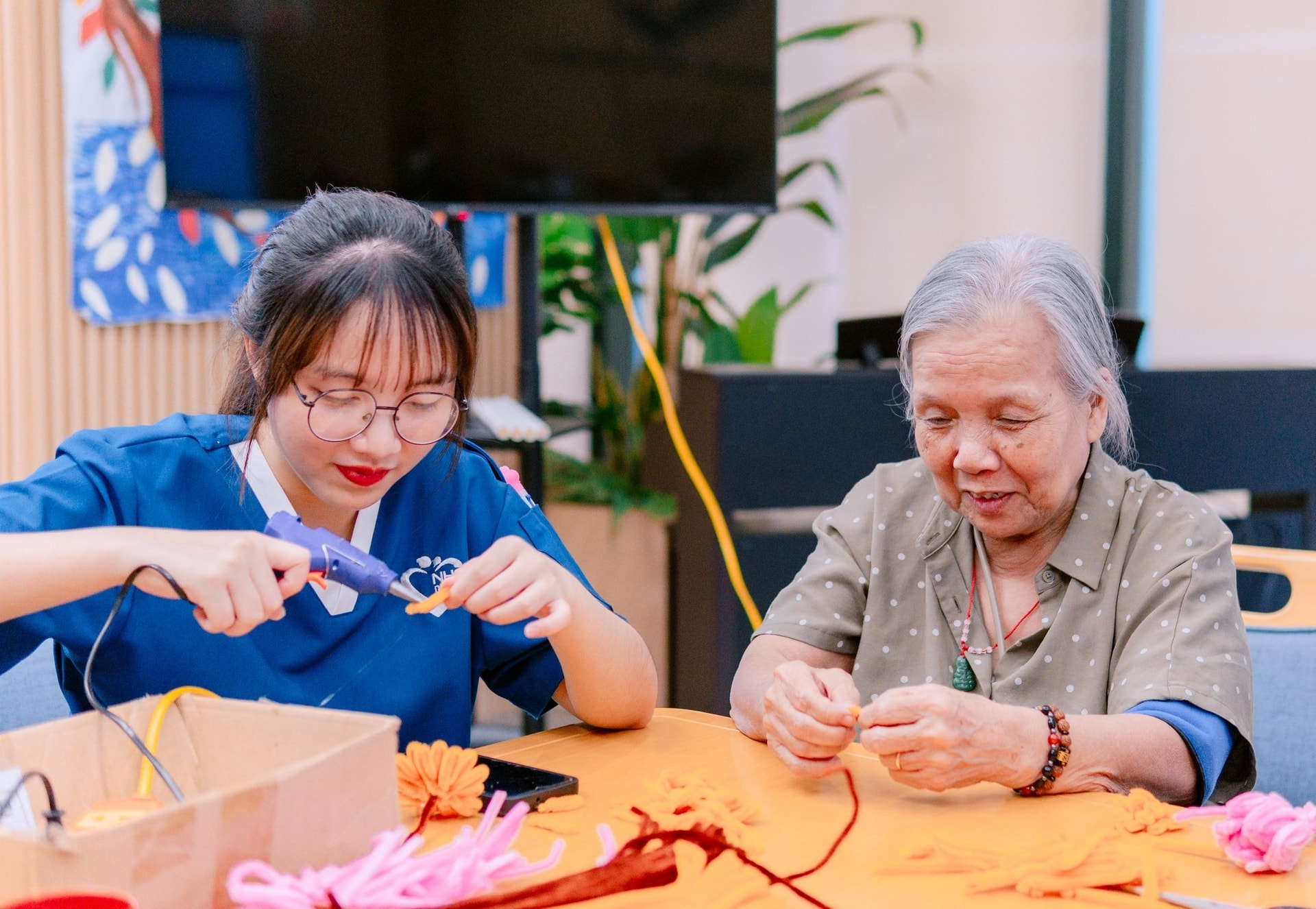
In Vietnam, although the concept of placing parents in care centers still faces many psychological barriers, professional care models are gradually changing the community's perspective. For example, the Daycare Center of Hospital 199 cares for dozens of elderly people with declining health and poor memory every day. Here, the elderly receive physical therapy every morning, have a diet tailored to their condition, and have their sleep and health indicators monitored. In the afternoons, they participate in poetry clubs, painting, gardening, and social activities to maintain emotional connection.
According to Dr. Hong Huong, the daycare model is opening up opportunities to combat loneliness for the elderly. They receive medical care while maintaining connections with their families. "Many elderly people come to the center in the morning and are picked up by their children and grandchildren in the afternoon. Psychologically, they still feel like they are part of the family, not abandoned, while their children and grandchildren also experience significantly less pressure," Dr. Huong said.
The demand for elderly care in Da Nang is expected to increase sharply in the coming years as the population ages rapidly. This necessitates a well-structured investment in professional care services. Many believe that the sooner this is accepted as a normal need, not something to be ashamed of, the more open the community will be to modern healthcare models for the elderly. The most important thing remains ensuring that the elderly live their final years with respect, peace of mind, and complete mental health care.
Source: https://baodanang.vn/lua-chon-cach-cham-care-nguoi-gia-3311938.html




























































































Comment (0)