 |
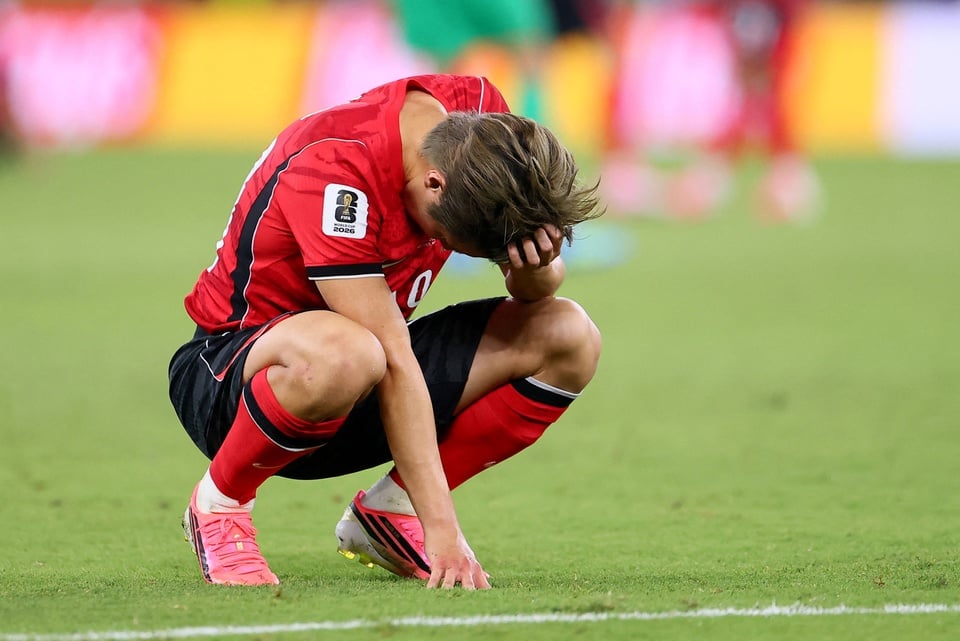
The defeat against South Africa became a turning point that rendered all of South Korea 's advantages at the 2026 World Cup meaningless. |
South Korea's elimination in the group stage of the 2026 World Cup came as a huge shock to fans in the country. Before the tournament, coach Hong Myung-bo's team was considered strong enough to advance from the group stage, possessing a high-quality squad, a relatively favorable schedule, and benefiting from FIFA's expanded format.
However, all expectations were dashed after the Democratic Republic of Congo defeated Uzbekistan 3-1 in the final match of Group K on the morning of June 28th. This result pushed South Korea out of the group of eight best third-placed teams, officially ending the Asian representative's journey.
However, it would be unfair to attribute the entire outcome to the results in other groups. In fact, South Korea lost control of their own destiny even before they had to wait for their opponents' matches to be decided.
Throwing away one's own advantage.
Looking at South Korea's journey, what the public regrets most is that the team entered the tournament with quite a few advantages.
The squad is almost full of its most important players. Son Heung-min , Lee Kang-in, and Kim Min-jae are all present, while the team is not significantly affected by injuries. Compared to many teams that have to constantly reshuffle their personnel before the tournament, South Korea has a rare level of stability.
The match schedule also offers several advantages. According to South Korean media, the team is among those with the shortest travel distances to the 2026 World Cup, thereby reducing the pressure on physical fitness and recovery time between matches.
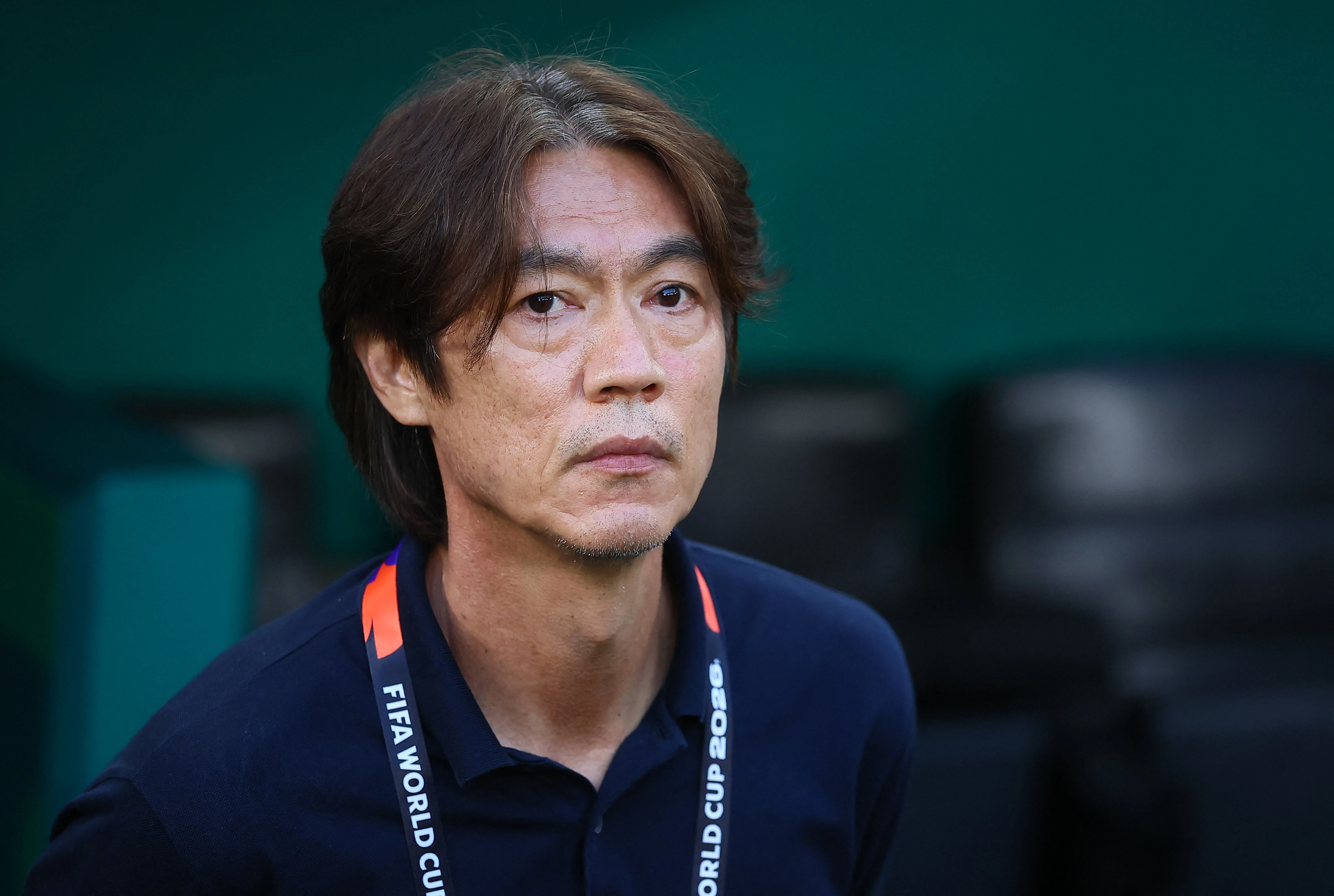 |
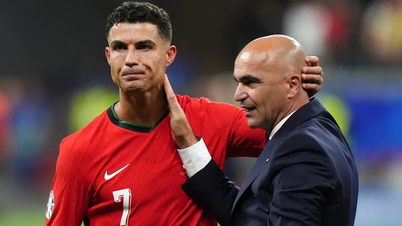
Hong Myung-bo faced a wave of criticism after South Korea was eliminated in the group stage of what was considered a favorable World Cup campaign. You may also like  South Korea cancels national team welcome ceremony.The South Korean team will return home in a somber atmosphere after their early exit from the 2026 World Cup.  The player, rejected by 15 clubs, becomes a star for the Colombian national team at the 2026 World Cup.Despite playing as a central defender, Daniel Munoz scored in both of the first two matches, helping Colombia secure 7 points and officially qualify for the knockout stage of the 2026 World Cup as the top team in Group K.  History of confrontations between South Africa vs Canada: Bafana has the advantage, awaiting a major clash between two dark horses with a long history of rivalry.The history of encounters between South Africa and Canada shows only one previous meeting. South Africa defeated Canada 2-0 in 2007, before the two teams met again in the Round of 16 of the 2026 World Cup. |
Furthermore, the new World Cup format opens up more opportunities, as teams finishing third can still qualify for the round of 32. This means South Korea doesn't necessarily need to finish in the top two of their group to have any hope of advancing.
These factors have led many to believe that the South Korean team is facing one of the most favorable World Cups in many years.
However, all advantages only become meaningful when translated into results on the field. The 0-1 defeat against South Africa in the final match cost South Korea the most important thing: the right to self-determination. From that moment on, their fate was no longer in their own hands but depended entirely on the developments in other groups.
Therefore, the Democratic Republic of Congo's victory over Uzbekistan or Germany's defeat against Ecuador are merely results that close a door that was already very narrow for South Korea.
The problem isn't just one loss.
After the team's elimination, coach Hong Myung-bo became the target of a wave of criticism. Many fans argued that he failed to help the team reach its full potential, especially in the crucial match against South Africa.
However, failure at the 2026 World Cup also reveals another reality. Modern football no longer allows a team to rely solely on the fame of its stars to overcome crucial moments.
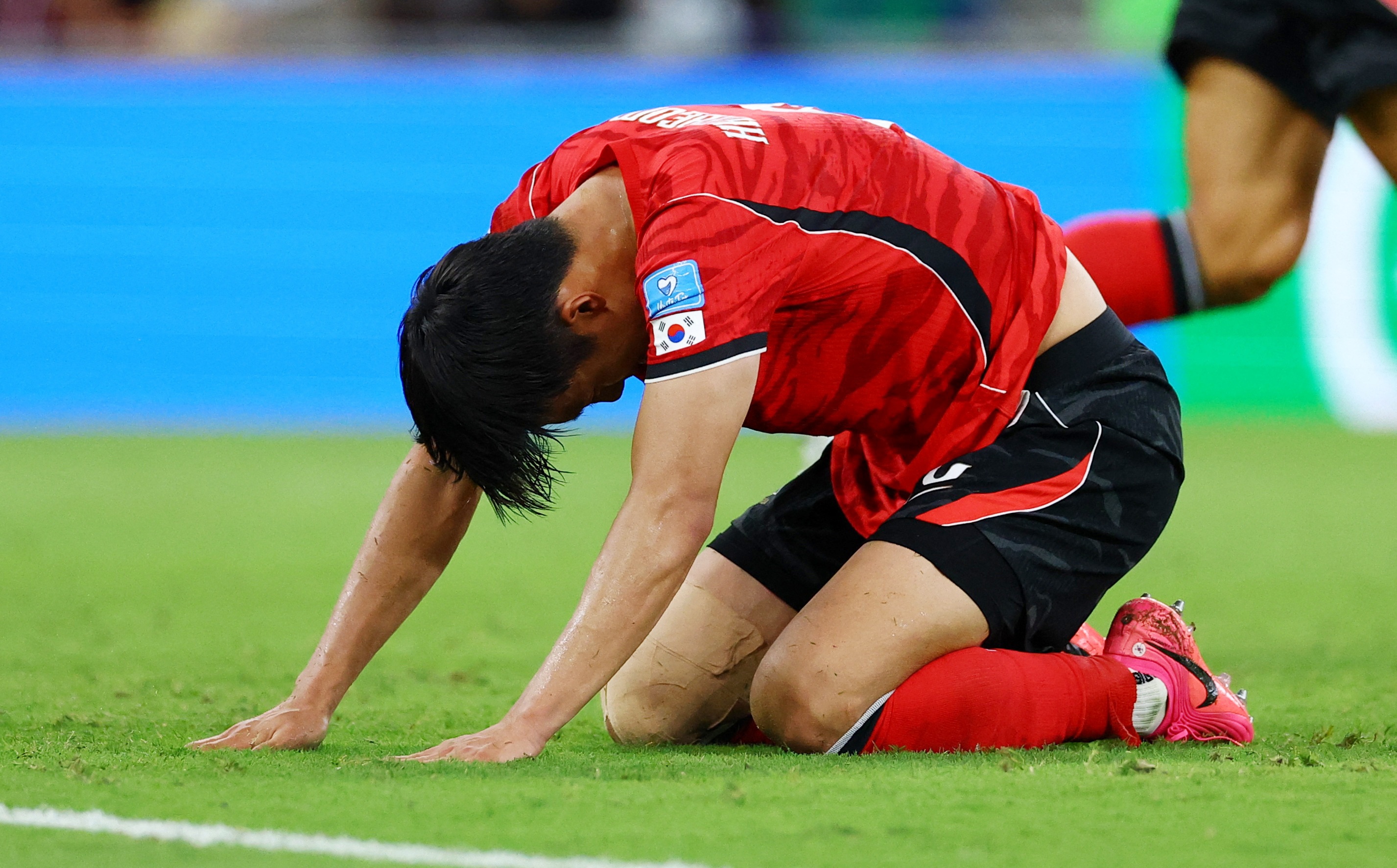 |
South Korea still boasts players like Son Heung-min, Lee Kang-in, and Kim Min-jae, but having quality players doesn't automatically guarantee the team will achieve the desired results. More importantly, it's about how to translate those advantages—in terms of personnel, schedule, and format—into points on the field.



In that respect, South Korea failed.
When a team is forced to wait for results from other groups to decide its fate, it also shows that they missed the opportunity to determine their own future. This is the most disappointing aspect for Korean fans, because the team wasn't eliminated after facing title contenders, but left the tournament despite having several favorable conditions.
The World Cup is full of surprises, and no team is guaranteed success simply by having a strong squad or a favorable schedule. However, looking back at South Korea's journey, the feeling of regret is the most prominent. They had opportunities to go further, but failed to capitalize on them at the right time, and that is why their failure at the 2026 World Cup is so difficult for South Korean fans to accept.
Source: https://znews.vn/ly-do-han-quoc-that-bai-post1663826.html
















































































![[INFOGRAPHICS] Can Tho implements the Strategy for Ethnic Affairs until 2030, with a vision to 2045](https://vphoto.vietnam.vn/thumb/402x226/vietnam/resource/IMAGE/2026/06/28/1782658308447_1782658217.webp)