

Women are prone to developing belly fat due to hormonal changes in middle age, frequent stress, lack of sleep, and unhealthy eating habits.
An active lifestyle, eating nutritious food, and getting enough sleep help prevent belly fat from forming. However, middle-aged women often find it difficult to maintain a slim figure like they had in their youth due to the following reasons.
Hormonal changes
The decline in estrogen and progesterone hormones during perimenopause leads to significant changes in the body. Specifically, women experience a decrease in muscle mass, resulting in less calorie burning, a slowed metabolism, and increased abdominal fat accumulation.
Women should eat foods that provide phytoestrogens (which act similarly to estrogen). Phytoestrogens contribute to improving menopausal problems such as poor sleep and joint pain. Cashews, soybeans, and vegetables are high in phytoestrogens.
Soybeans are good for estrogen metabolism, reducing the risk of ovarian cancer. Isoflavones can reduce fatigue, joint pain, irritability, anxiety, and vaginal dryness during menopause or in the years preceding it.
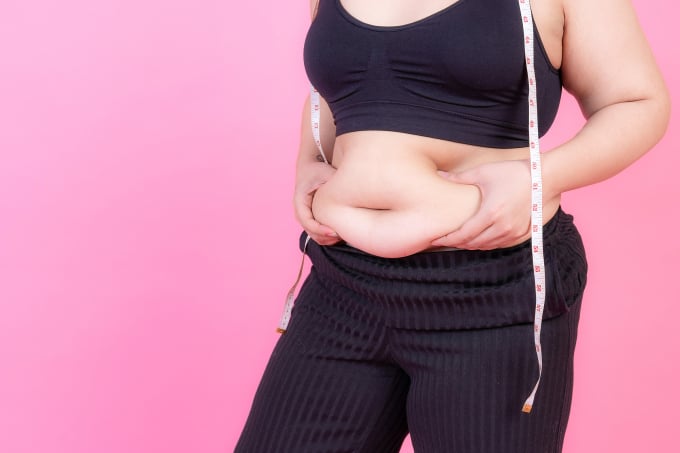
Women are more prone to developing belly fat when they eat too much and exercise too little. Photo: Freepik
Stress
Stress can lead to hormonal imbalances and fat accumulation in the abdominal area. Women should maintain a relaxed state of mind, meditate, and engage in activities they enjoy.
Stress also makes women more prone to acne, rashes, and hives. Women may also experience hair loss if they experience chronic stress for a long period. When stressed, the brain triggers the release of a series of hormones such as cortisol, which create physiological changes. Increased cortisol levels over time affect the brain, executive function, and concentration.
Unbalanced diet
Eating processed foods, high in sugar and fat, can contribute to a larger waistline. Women should consume more fruits and vegetables, whole grains, lean protein, and healthy fats to reduce belly fat.
Women need plenty of vitamins, minerals, and fiber from foods like fruits and vegetables. A lack of vitamin D leads to lower estrogen levels, causing depression, hot flashes, and mood swings.
Fish, fish oil, cereals, shellfish, and mushrooms are rich in vitamin D, which is good for health. Vitamin E stimulates the production of estrogen, reducing discomfort, mood swings, and abdominal pain during menstruation. This vitamin is abundant in nuts such as sunflower seeds, almonds, peanuts, and vegetable oils.
Women should limit processed foods such as bacon, sausages, and fast food because they are low in nutritional value and high in calories. Besides nutrition, exercise (cycling, walking, Zumba, swimming) helps reduce waist size, making women feel more satisfied with their appearance.
Sleeping too little
Sleeping less can disrupt the body's circadian rhythm, increasing the risk of obesity, kidney problems, diabetes, heart disease, and stroke. Meanwhile, getting enough sleep can have a positive effect on hormones. When adequately rested, bodily functions run smoothly and mood is stable.
Le Nguyen (According to Hindustan Times )
| Readers can post questions about women's health and physiology here for doctors to answer. |
Source link













































































































Comment (0)