

 |
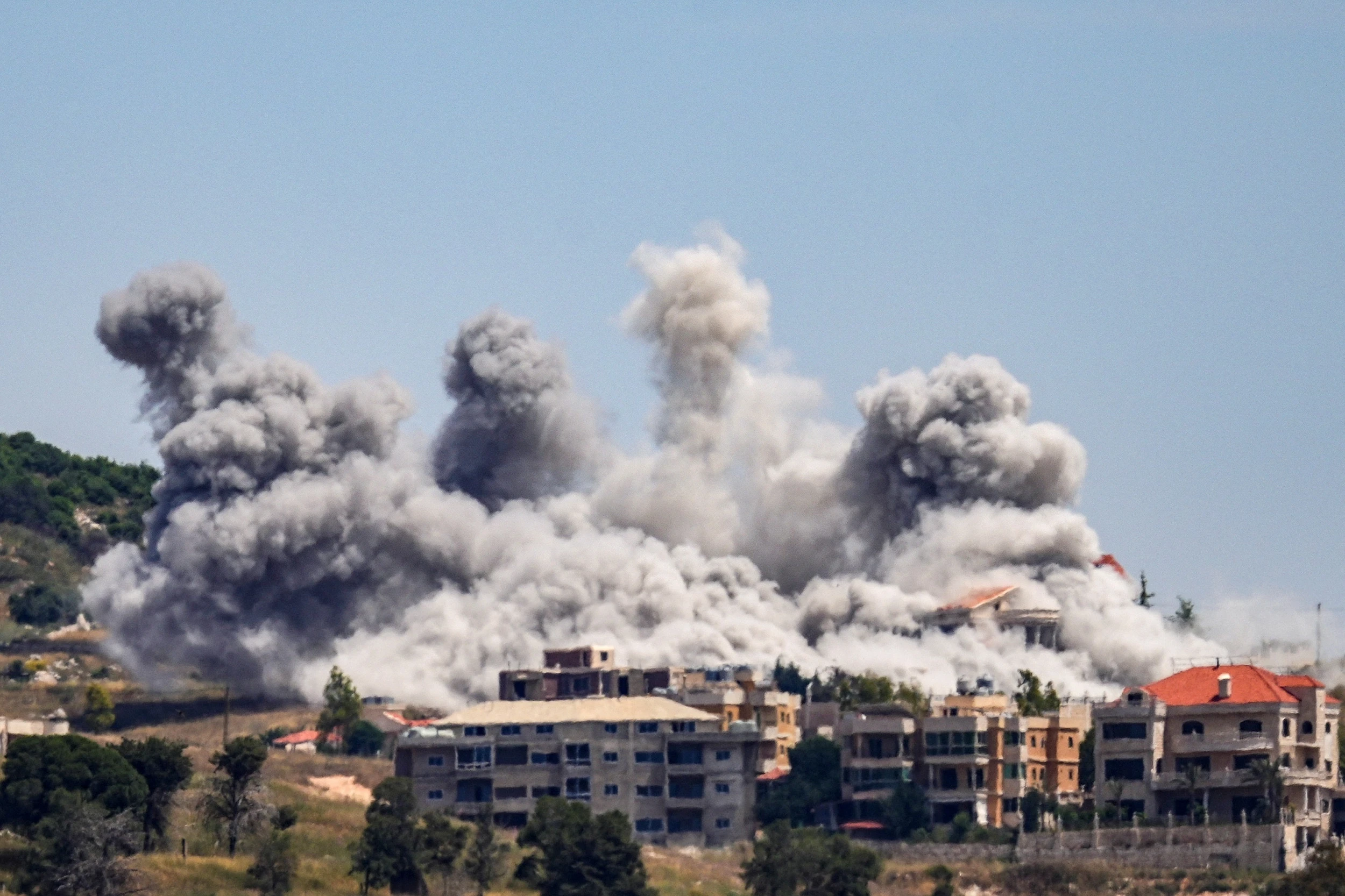
On June 3rd, local time, Israel and Lebanon agreed to implement a ceasefire on the condition that Hezbollah “completely ceases” all fighting.
The agreement was reached after the Israeli government threatened military escalation in Lebanon. Israel's move risks derailing talks to end the hostilities between the US and Iran.
Previously, the ceasefire between the two sides was repeatedly violated, with fighting continuing between Israel and Hezbollah forces in Lebanon.
Israel and Lebanon reach ceasefire agreement.
The negotiations, which lasted nearly nine hours on June 3rd, followed a tense day of work at the US State Department on June 2nd. After lengthy talks, Israel and Lebanon agreed to restart political and security processes starting June 22nd to work toward a comprehensive agreement. A joint statement indicated that the US would continue to mediate and maintain communication between the parties in the coming period.
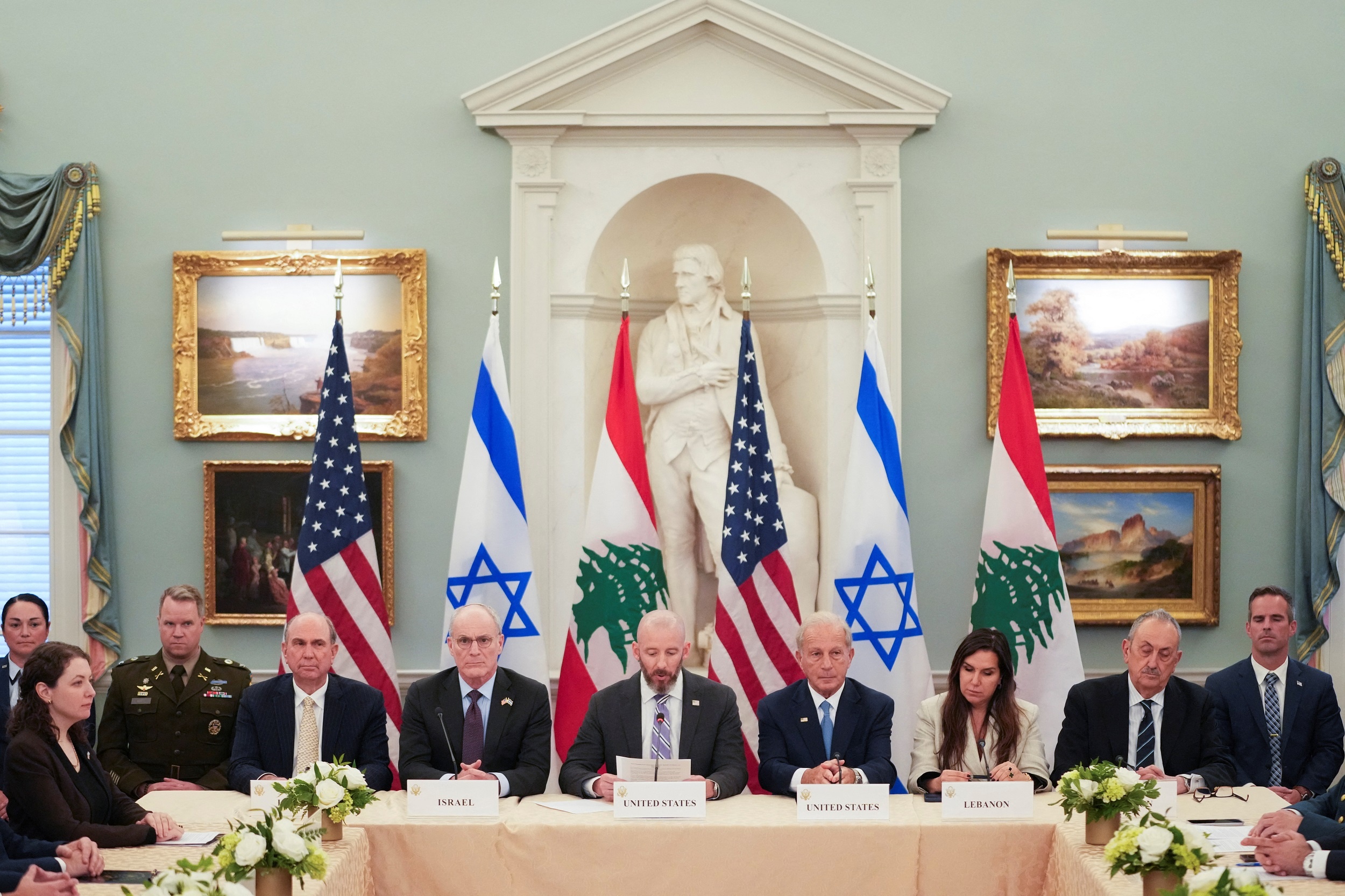 |
U.S. State Department Chief of Staff Daniel Holler speaks during talks between Israeli and Lebanese delegations, chaired by the U.S., in Washington on June 3. Photo: Reuters. |
The joint statement also clarified that both sides agreed to promote the establishment of pilot zones in Lebanon, where the Lebanese regular armed forces would have exclusive control over the territory.
According to the document, Israel asserts that its security and territorial integrity can only be achieved through the disarmament of Hezbollah forces, combined with the dismantling of its infrastructure throughout Lebanon.
Meanwhile, Lebanon reaffirmed the need to respect internationally recognized borders, demanded a complete end to hostilities, and stressed the principles of territorial integrity and national sovereignty.
Lebanon also pledged to enhance the capabilities of its regular armed forces, with US support, to establish effective control across the country.
The US also affirmed its plan to support Lebanon's regular armed forces to improve their capacity to enforce sovereignty.
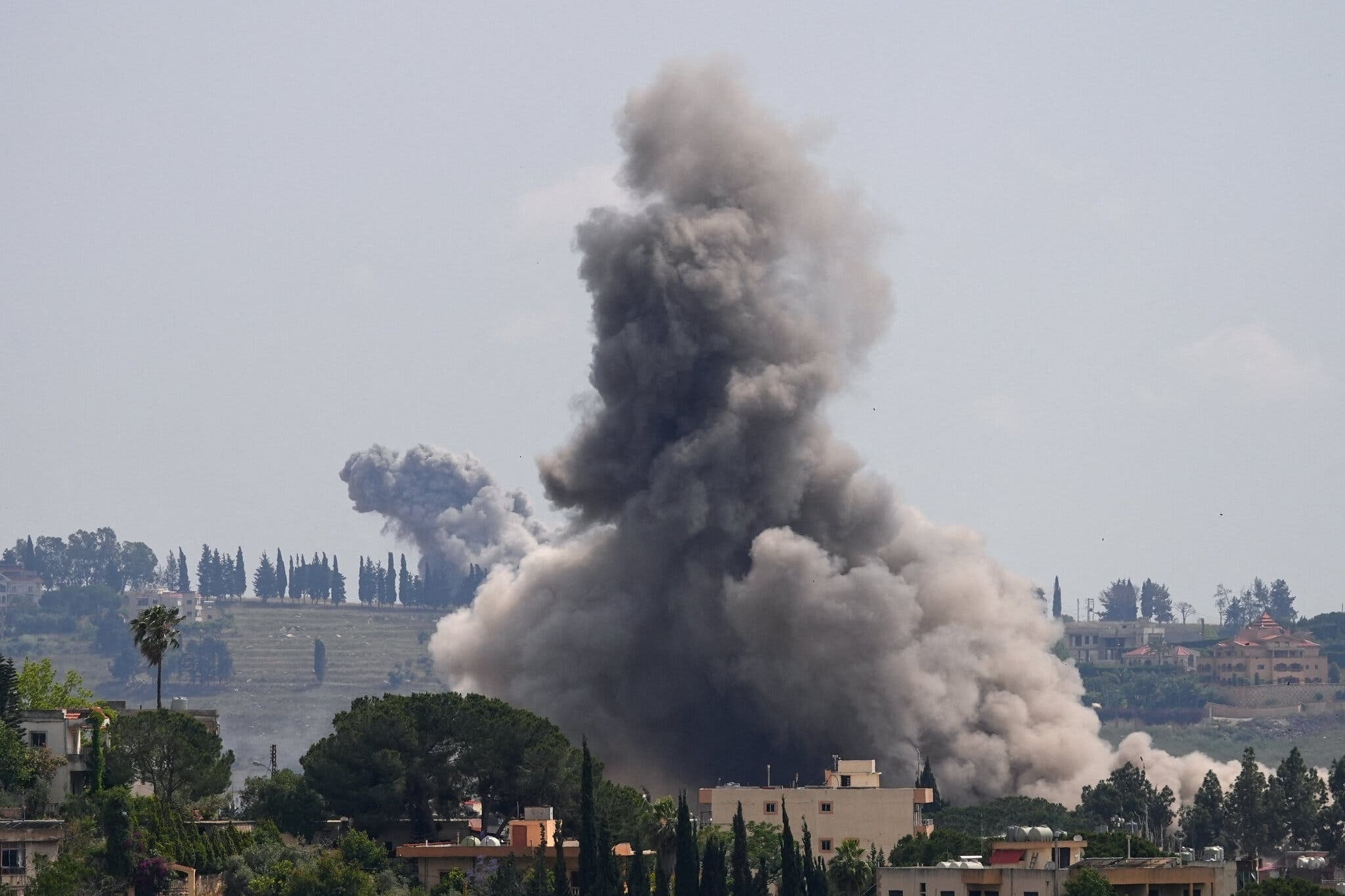 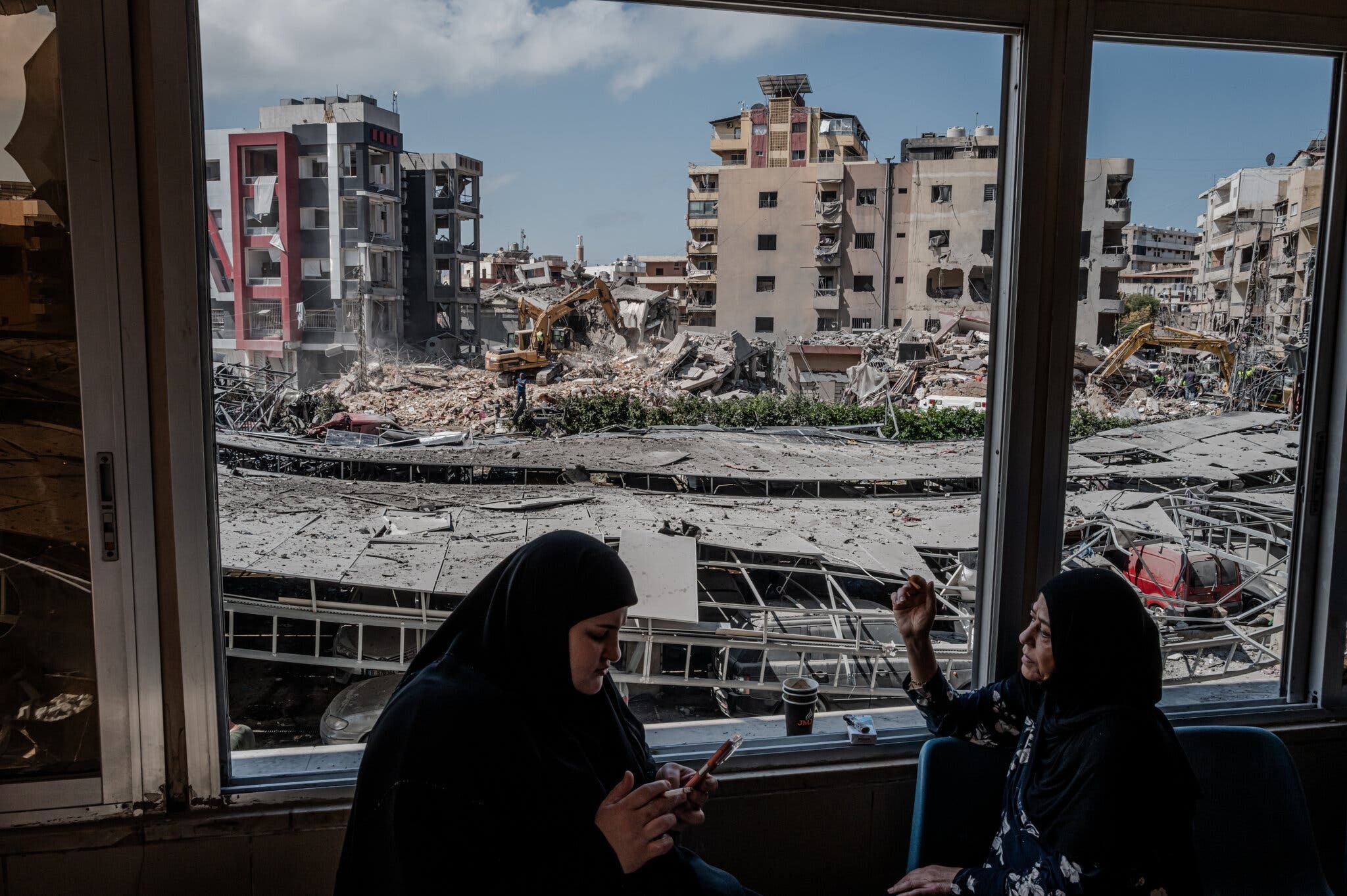 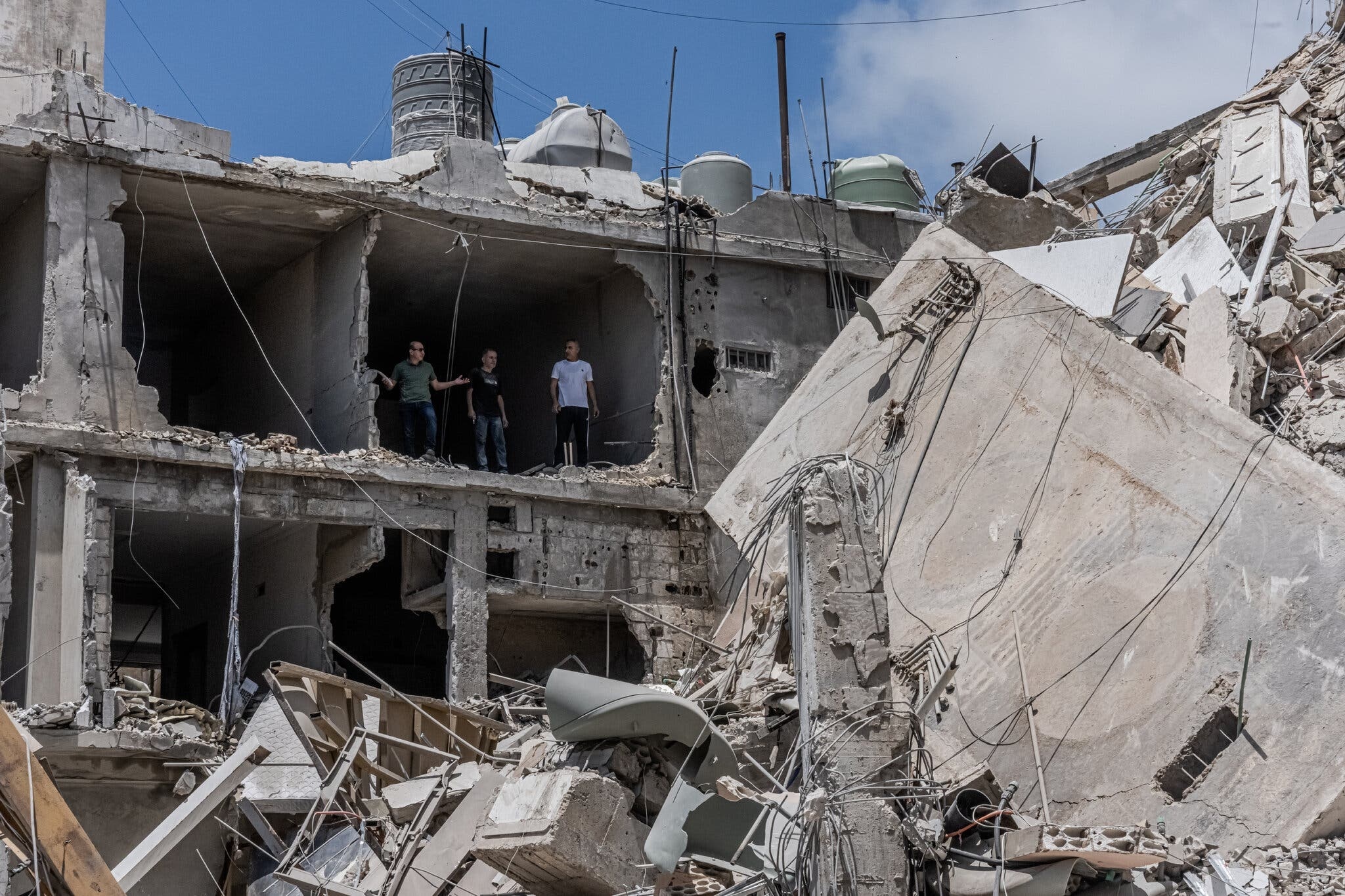 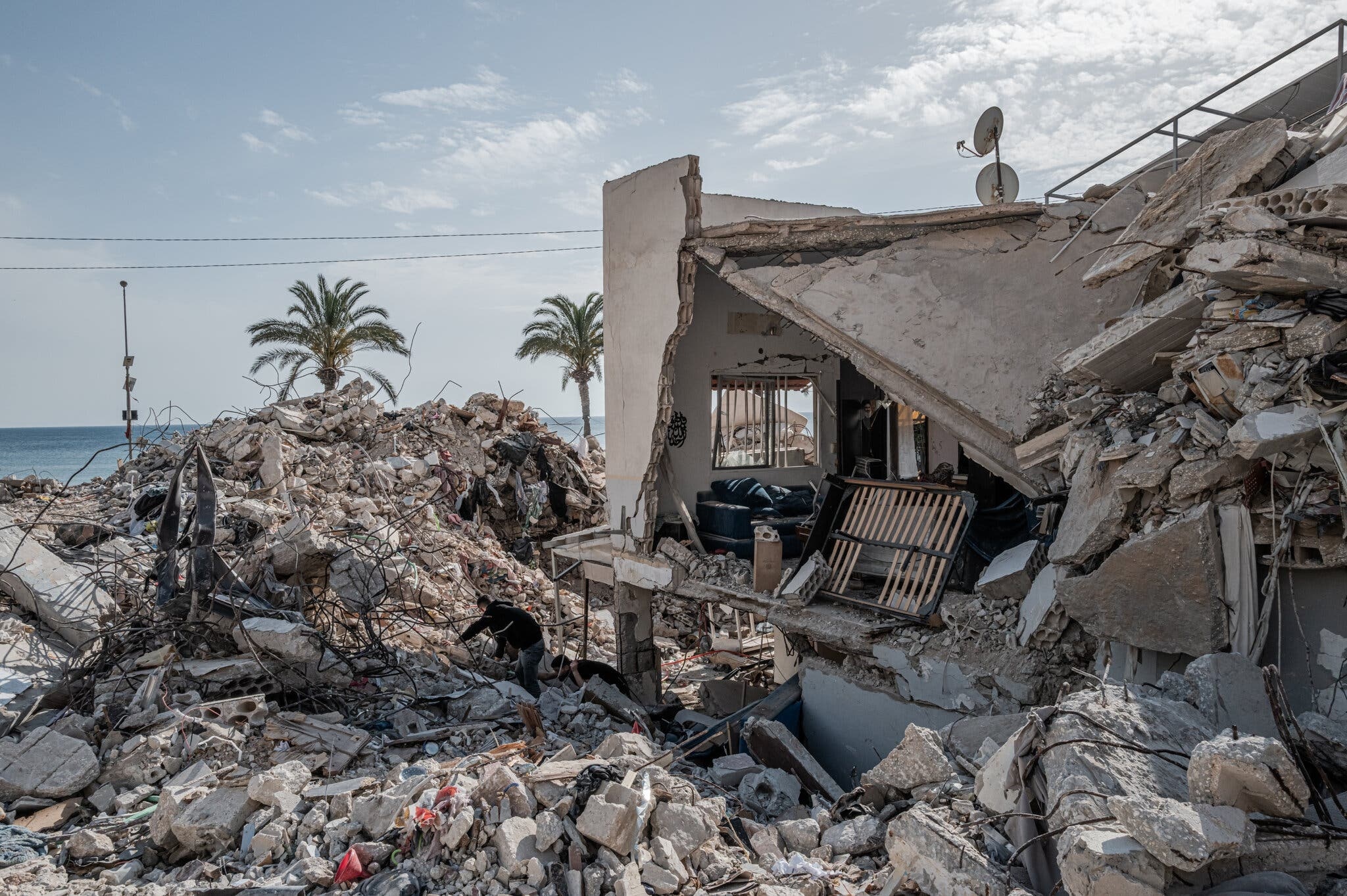 |
Lebanon has suffered significant losses from Israeli airstrikes that began in March. Photo: Reuters . |
On the same day, June 3rd, Iranian Foreign Minister Abbas Araghchi declared that the war waged by the US and Israel against Iran would only end when the conflict in Lebanon also came to an end.
"We stand firm on the ceasefire, as well as on ending the war," Araghchi affirmed in an interview with Al Mayadeen .
Mr. Araghchi emphasized that ending the war would mean that Israeli forces would also have to withdraw from Lebanon. There, Israel has been continuously targeting Iranian-backed Hezbollah forces since the beginning of March.
"The world must acknowledge that Hezbollah is a real part of Lebanon," Araghchi said, adding that Israel's attempts to dismantle the group and assassinate its leaders only make Hezbollah stronger.
In recent times, Tehran has repeatedly stated that any ceasefire and cessation of hostilities between the US and Iran must include a ceasefire between Israel and Hezbollah forces in Lebanon. This detail has the potential to threaten the negotiation process between the US and Iran.
Israel is mired in a stalemate.
According to the New York Times , Israel's military strategy in Lebanon is increasingly at a standstill. After the initial intense airstrikes, Israel has not achieved its goal of completely weakening Hezbollah forces.
Currently, Israel is being hampered by both difficulties on the battlefield and pressure from the US to strictly implement the ceasefire.
Initially, Israel wanted to establish a security buffer zone in southern Lebanon, pushing Hezbollah away from the border with Israel, to protect communities in northern Israel. However, the Israeli military underestimated the effectiveness of the UAVs used by Hezbollah.
These FPV (first-person view) UAVs, controlled via fiber optic cables, are difficult to jam and have consistently and accurately targeted Israeli soldiers in both Lebanese territory and northern Israel.
Although Hezbollah's losses far outweigh those suffered by Israel in the fighting between the two sides, the drone attacks carried out by Hezbollah have made it difficult for the Israeli military to maintain a presence in the buffer zone. According to experts, Hezbollah is now more agile and dangerous thanks to drones.
Besides the military challenge, Israeli Prime Minister Benjamin Netanyahu also faces domestic political pressure. Many residents of northern Israel are still unable to return home and are demanding that the government take stronger action against Hezbollah. However, Israel must also consider pressure from US President Donald Trump. Trump wants to limit escalation in Lebanon to protect negotiation efforts with Iran.
Since April, the US has pressured Israel to limit its attacks on Lebanon and Hezbollah forces. This has prevented Israel from launching a large-scale operation as it desired and forced it to focus primarily on controlling the buffer zone.
Some Israeli military experts argue that maintaining troops in the buffer zone could repeat the mistakes of the 1982-2000 occupation. During that period, Israeli forces were permanently stationed, making them easy targets and providing Hezbollah with further justification for military action under the pretext of "opposition resistance."
On the Lebanese front, Israel's initial aggressive offensive has stalled into a protracted stalemate without achieving its key objectives. Hezbollah has maintained its fighting capacity, while Israel is hampered by US pressure to limit escalation.
Lebanon: An unwilling battlefield
Amidst conflicting interests, Lebanon has become a country caught in the crossfire between Israel, Iran, and the United States. According to the New York Times , despite suffering significant consequences from the conflict spreading into its territory, Lebanon has very little ability to make independent decisions on important issues.
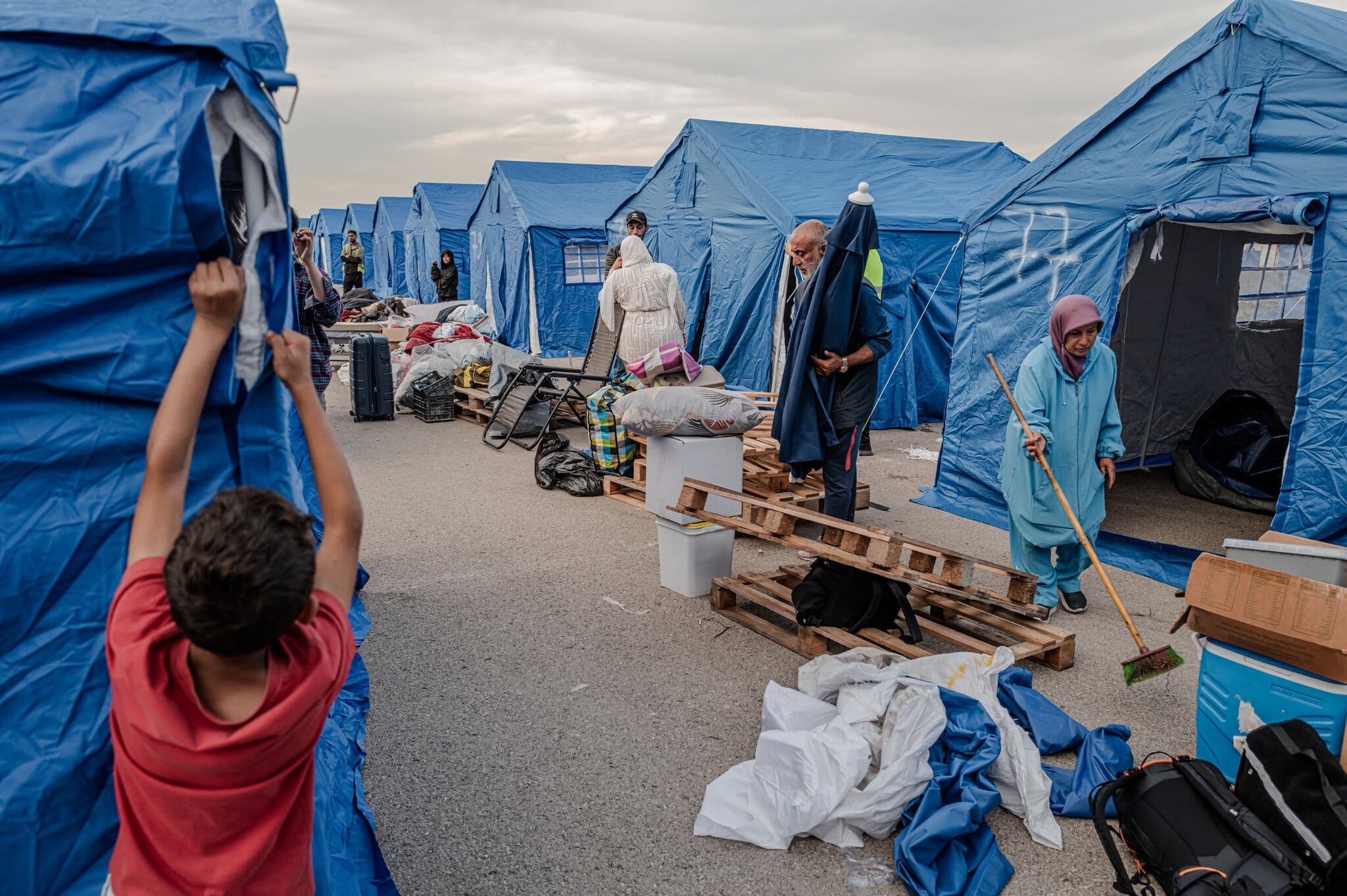 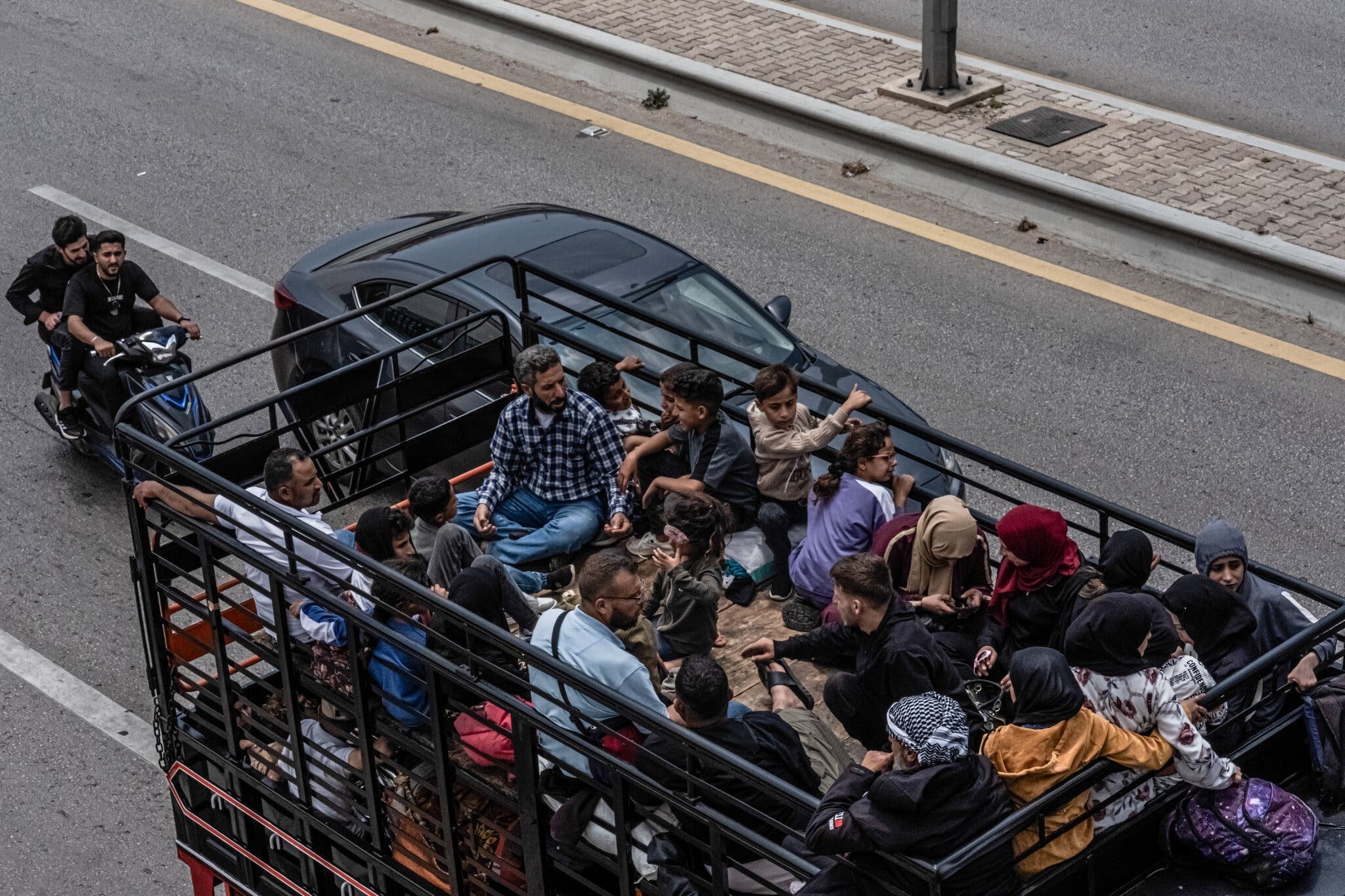 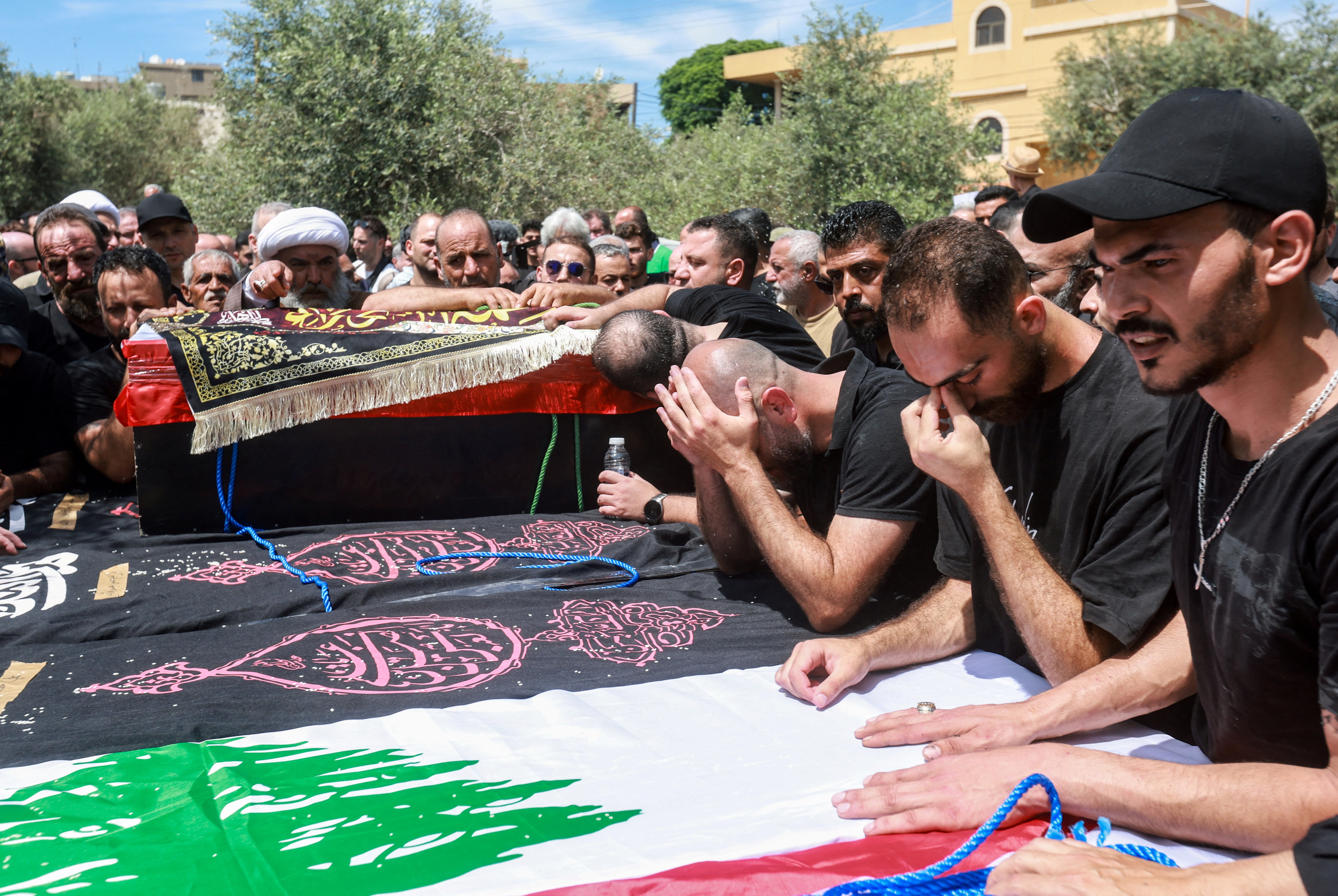 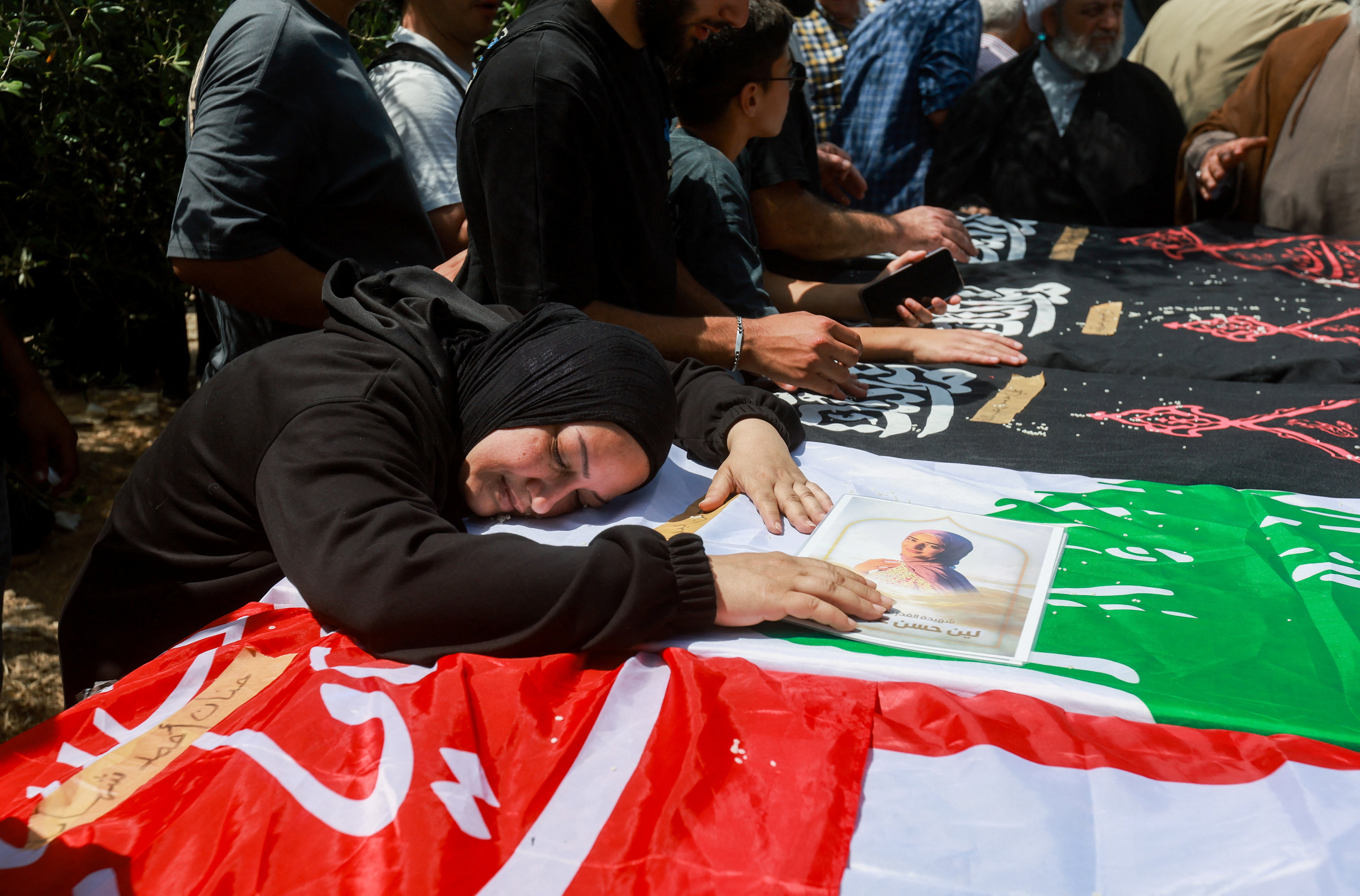 |
Since the beginning of March, Lebanese people have been living in a state of readiness to evacuate and constantly attending funerals. More than 3,200 Lebanese have been killed in Israeli airstrikes. Photo: Reuters . |
On June 2nd, the situation in Lebanon escalated further when Israeli Prime Minister Benjamin Netanyahu threatened to expand airstrikes south of Beirut, forcing thousands to evacuate.
In response, Iran warned it would withdraw from negotiations with the US. Despite urgent intervention by US President Donald Trump and a declaration that the parties had agreed to a de-escalation, the situation on the battlefield remained unchanged: Israel continued its airstrikes, while Hezbollah continued its counterattacks.
For the Lebanese people, declarations of peace are gradually becoming meaningless. Speaking to the New York Times , many expressed their helplessness at having their fate decided from the outside, plunging them into a weary cycle of staying or fleeing. In fact, the pressure from Trump following Iran's threat clearly demonstrated the influence of major powers on Israel's actions.
Since the conflict erupted in March, fighting has claimed the lives of more than 3,200 Lebanese and at least 30 Israelis. Lebanon has now become an "unwilling battleground" in the geopolitical struggle between Israel, Iran, and the United States, where innocent civilians bear the direct consequences of a war they did not choose.
Source: https://znews.vn/mat-tran-dau-thuong-bat-dac-di-trong-chien-su-iran-post1656919.html
![[Image] Shipbuilders exposed to steel and record-breaking heat.](https://vphoto.vietnam.vn/thumb/1200x675/vietnam/resource/IMAGE/2026/06/04/1780545781745_ndo_br_img-5402-4683-jpg.webp)


















































![[Video] Sunset at Lap An Lagoon – Where the sun sets over the fishing nets](https://vphoto.vietnam.vn/thumb/1200x675/vietnam/resource/IMAGE/2026/05/31/1780192137701_beach-landscape-sea-water-nature-grass-745871-pxhere-com.jpeg)









































Comment (0)