In healthy individuals, the kidneys filter waste from the blood and produce urine that is pale yellow to amber in color thanks to the pigment urochrome. When this color changes persistently, it may be a sign that the kidneys are under stress or experiencing problems.
Healthy kidneys help balance water and remove waste effectively. Diet and hydration levels can make urine darker or lighter in the short term. Normally, urine is clear or pale yellow. If you don't drink enough water, your urine will be dark yellow.
However, if you notice persistently unusual urine color, especially when accompanied by other symptoms, it shouldn't be taken lightly. Below, experts at the National Kidney Foundation will explain which urine colors are warning signs of kidney problems.
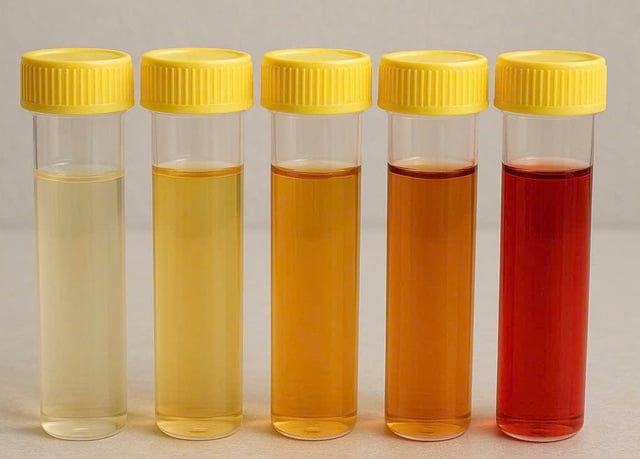
Changes in urine color can be a warning sign of kidney disease.
ILLUSTRATIVE PHOTO: AI



Dark brown or tea-colored urine
This is one of the worrying signs. This color may indicate a buildup of waste or the presence of blood when the kidneys are not filtering effectively. If your urine remains dark despite drinking enough water, has a cola-like color, and is accompanied by fatigue or edema, you should see a doctor soon.
Red or pink urine
This color is often a sign of blood in the urine. Some foods, like beets, can make urine pink, but if this color lasts for more than 24-48 hours, especially if accompanied by back pain, hip pain, fever, or frequent urination, you should see a doctor immediately. Blood in the urine can be related to kidney stones, infections, or damage to the kidney's filtering units.
Foamy or cloudy urine
If you notice this sign, especially if it takes multiple flushes to dissolve, it could be a sign of proteinuria. This is a condition where protein leaks into the urine due to weakened kidney filters and is often an early sign of chronic kidney disease.
Dark yellow urine that persists



This color is often due to dehydration, but if it doesn't improve after drinking enough water, it could indicate that the kidneys are having difficulty maintaining fluid balance, increasing the risk of kidney stones and long-term damage.
Seek medical attention early if your urine is dark, bloody, accompanied by pain or fever, has persistent foam, or is swollen. Kidney disease often progresses silently, so monitoring urine color can help with early detection and timely intervention, according to the Times of India.
Source: https://thanhnien.vn/mau-nuoc-tieu-canh-bao-than-dang-gap-van-de-185260119120337427.htm





![[Image] Overview of the construction site for the underground station of metro line 5 at the Hanoi Ring Road 1 intersection.](https://vphoto.vietnam.vn/thumb/1200x675/vietnam/resource/IMAGE/2026/07/03/1783065595682_ndo_br_z7974930852369-100ca093c306e72675f1d3700966a86b-jpg.webp)