

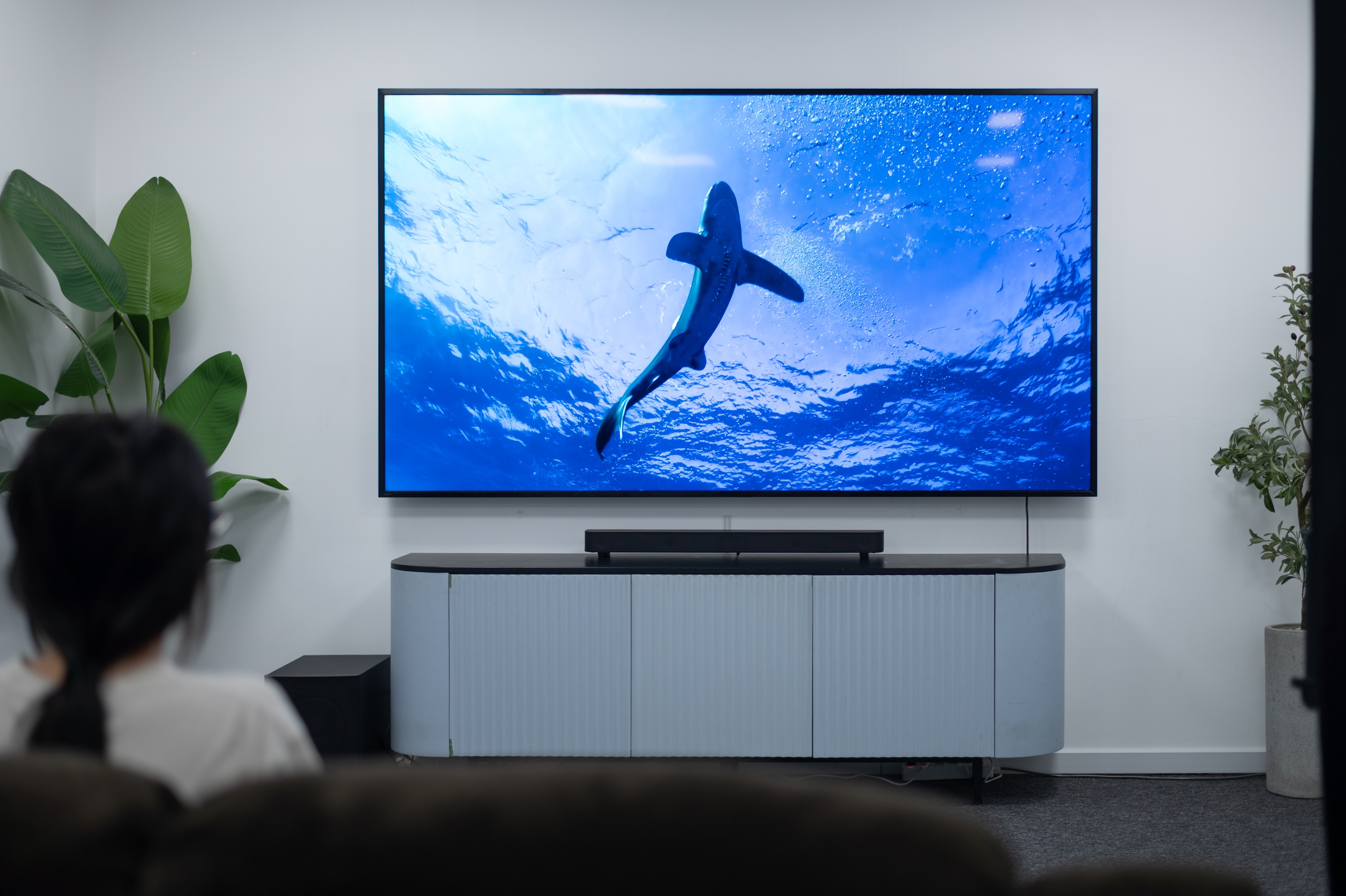
Expanding OLED alongside MiniLED has been a general trend in the global TV market over the past two years. The latter offers greater variety and can provide more extra-large models to meet the growing demand for home cinema. Sony has taken a new approach in this segment, repositioning its entire product line under the Bravia name, including models numbered 3, 5, 7, 8, and 9.
Among them, the Bravia 5 is a strategic product targeting the ultra-large TV segment with a more accessible price than higher-end models, balancing quality and display space. Although not the exclusive provider of MiniLED technology, Sony still has an advantage in its processing chip and intelligent algorithms, effectively controlling dimming zones. This is what differentiates the long-established, experienced TV manufacturer from emerging brands.
Another approach
A significant upgrade for the Bravia 5 with X90L is the switch from full-array backlighting to Mini LED. This new solution offers a better balance compared to OLED, which achieves superior contrast but is limited in brightness and long-term stability. The ultra-small LEDs create localized control zones, enhancing the dynamic range of brightness response.
In this race, TCL with its C8K model and Hisense 100UX advertise thousands to tens of thousands of control zones along with superior brightness. This is also a factor that Chinese manufacturers use to compare with more established brands.
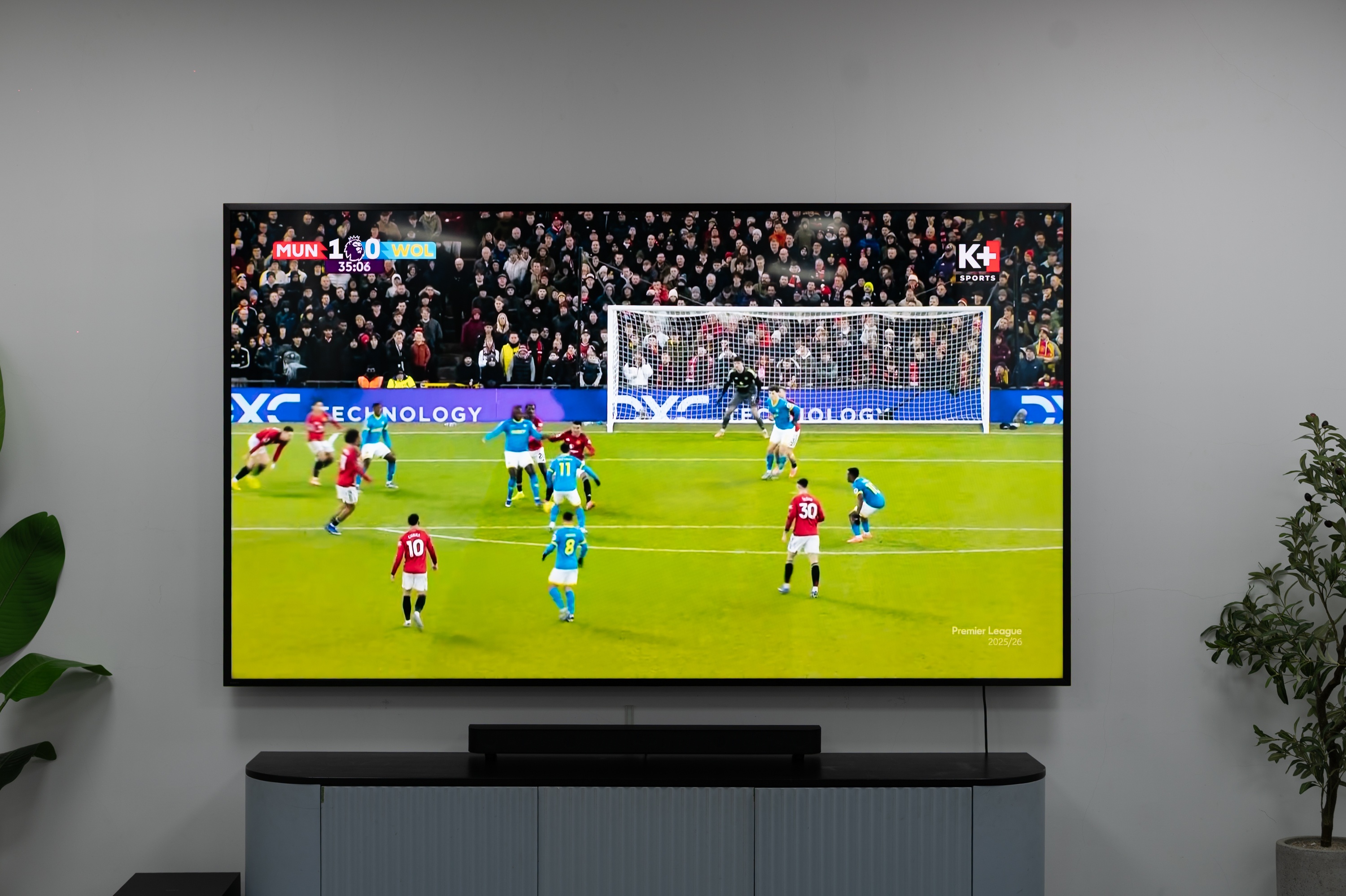 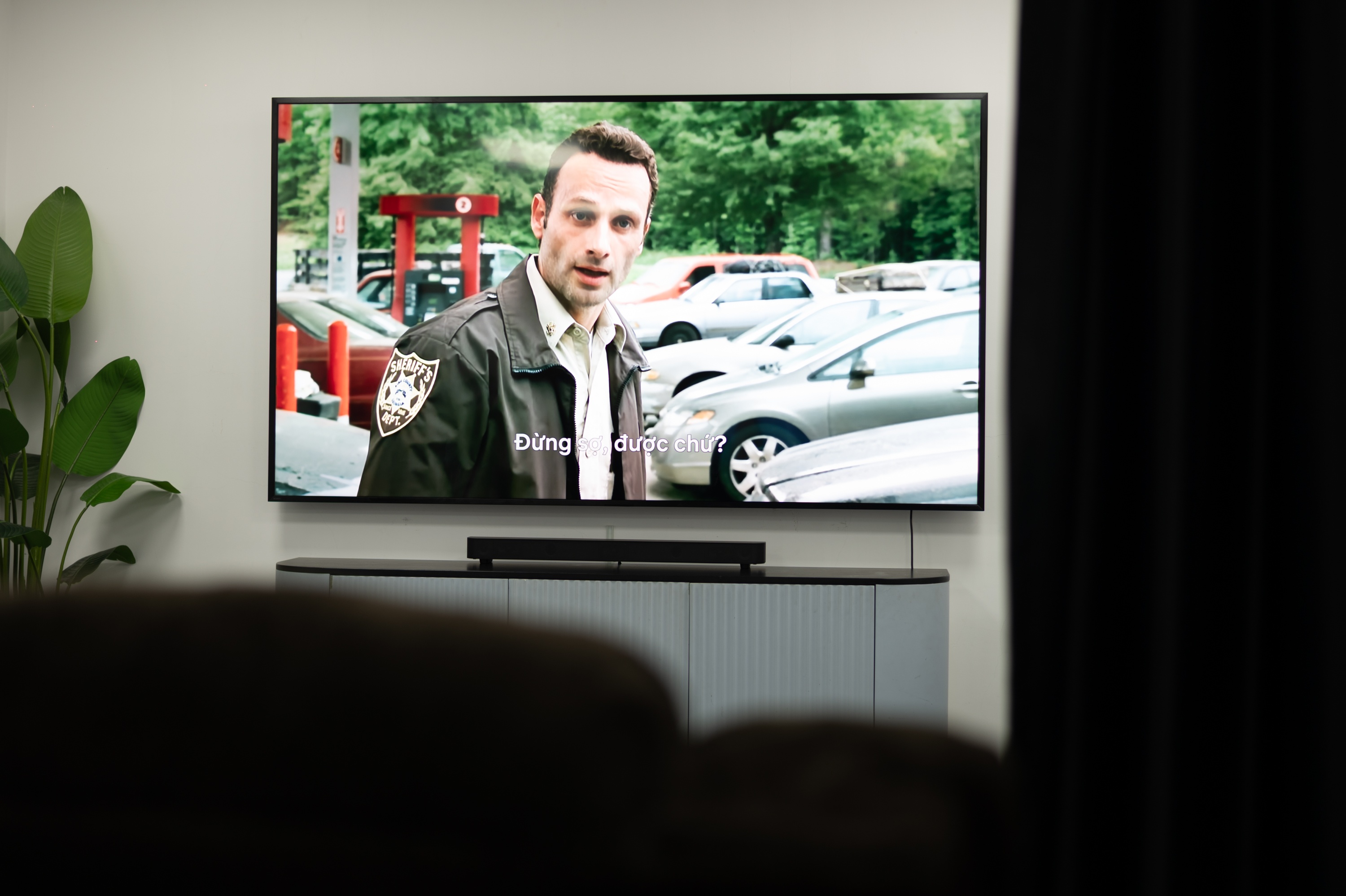 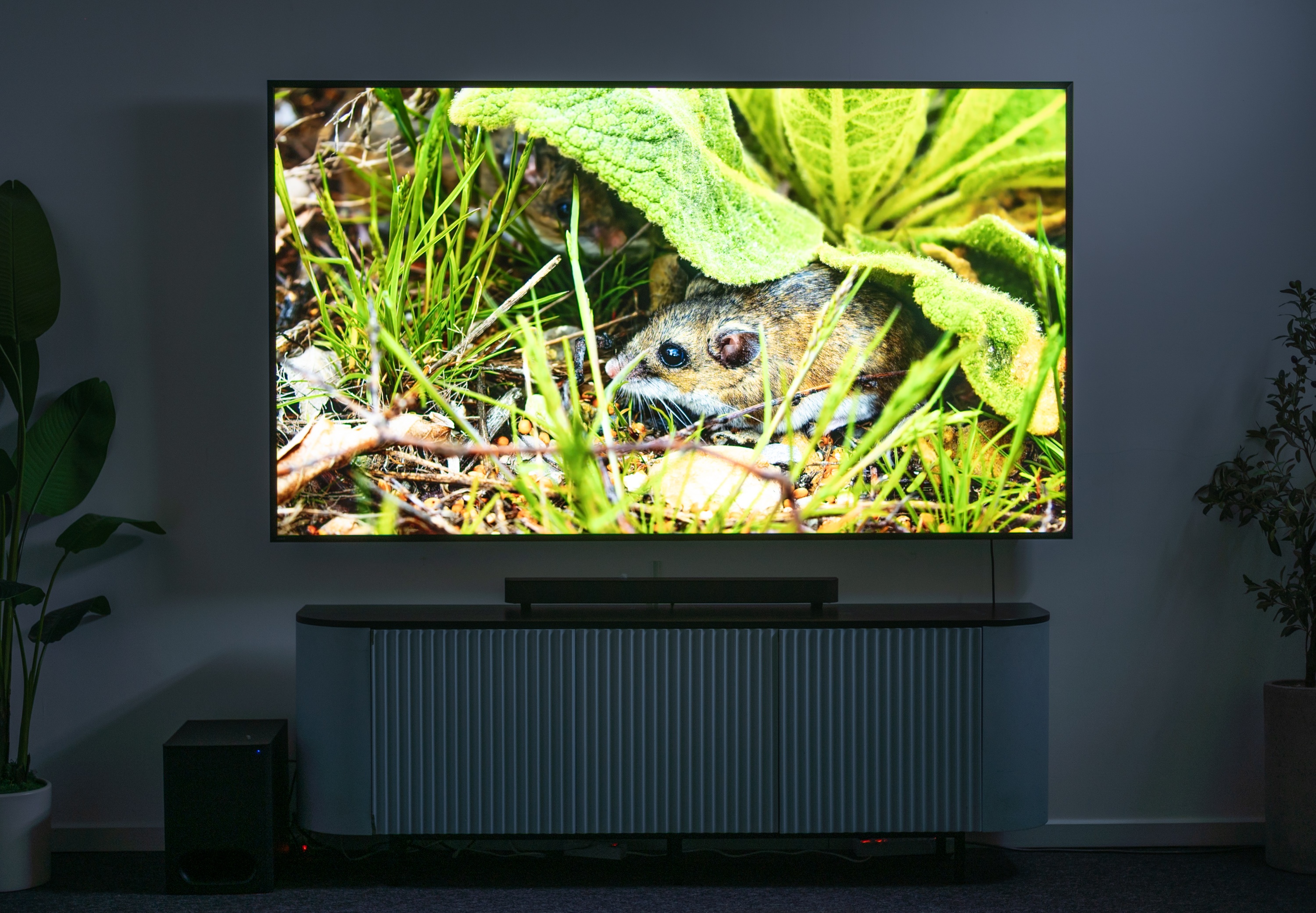 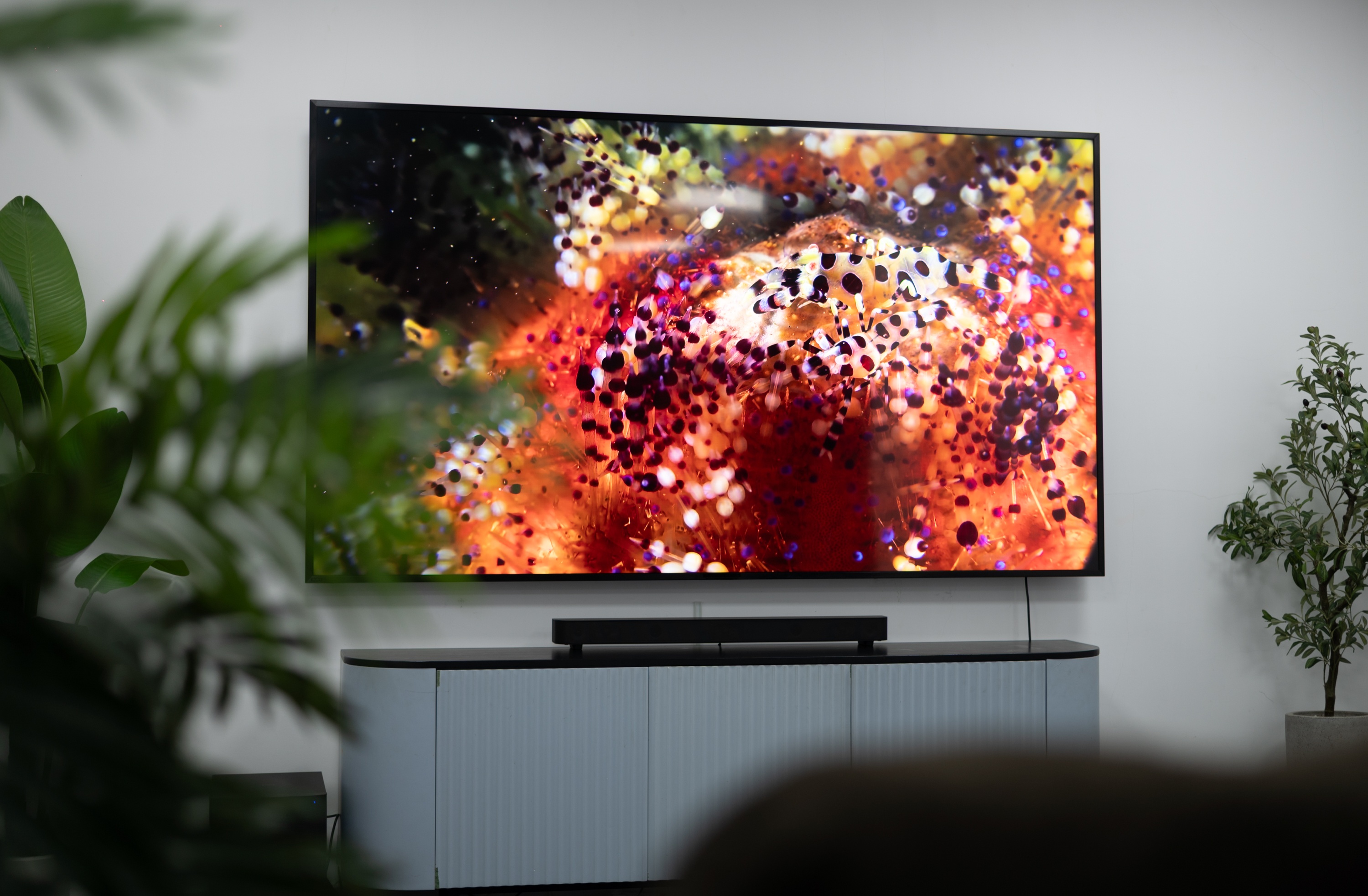 |
The Bravia 5 has good display quality, although it doesn't compete in terms of the amount of local dimming. |
However, hardware is only a necessary condition. The other factor lies in the controller and processing algorithms. Sony has the XR Backlight Master Drive, previously only found on the Z9K (later the Bravia 9) flagship. Its mechanism goes beyond simply switching on and off small illuminated areas. The controller can distribute current to each group of Mini LEDs with extremely high precision and speed, reducing phase lag between moving objects and the illuminated area.
This is a point that few people mention because Mini LED isn't very common yet. With the first generation of this technology or in inexpensive TVs, viewers could easily notice the on/off zones of the backlight when watching high-speed content like football or racing.
This phenomenon arises because the processor detects movement on the screen, but the tiny LEDs react more slowly. As a result, the localized dimming areas give the impression of "chasing" the subject.
Therefore, the viewing experience is even worse than traditional full-array LED TVs, as viewers are distracted and their eyes have to constantly adjust to the shifting light and dark areas. With ultra-large screens like the 98-inch Bravia 5, this weakness becomes even more apparent if not handled well enough.
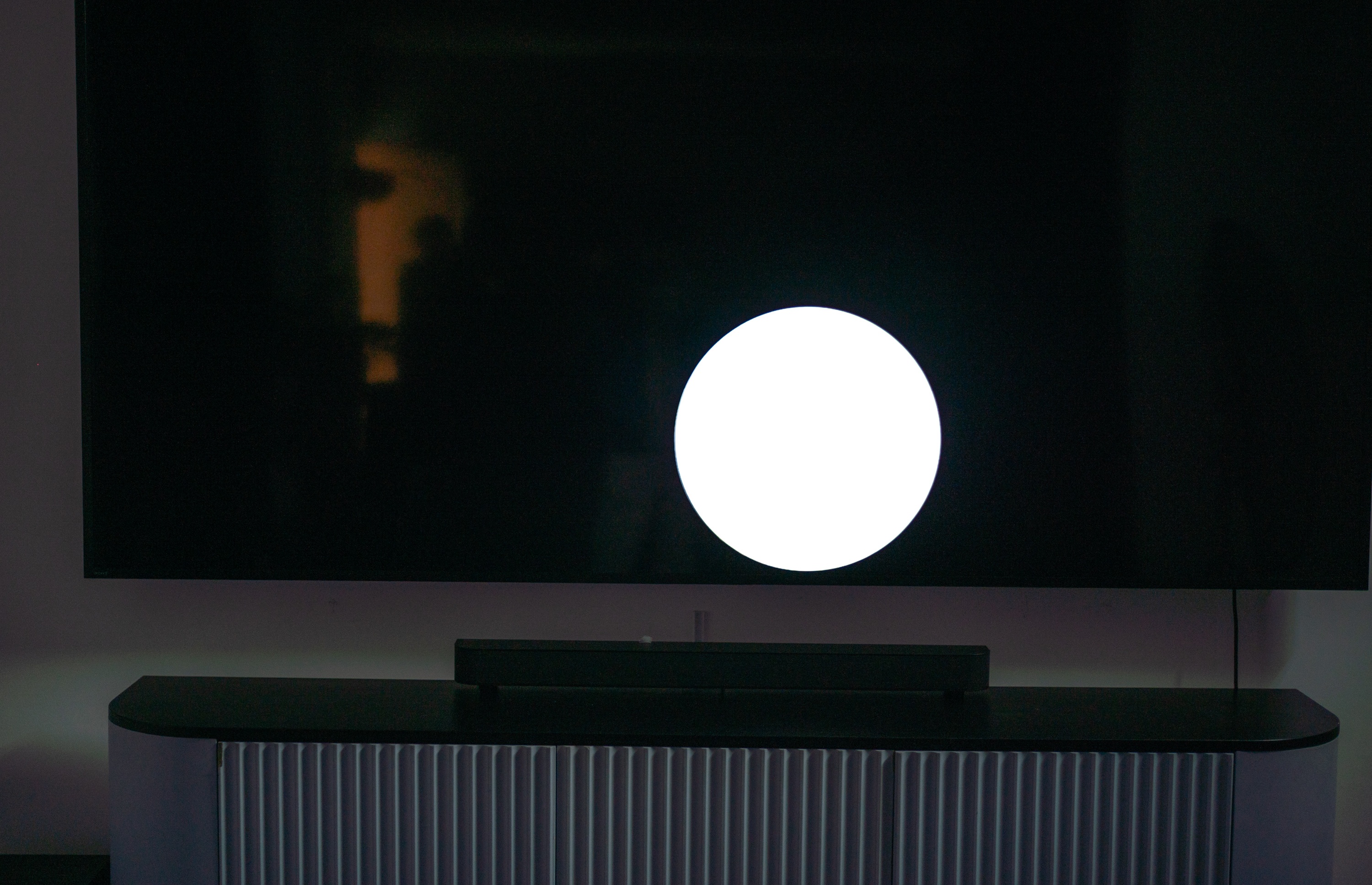 |
Sony effectively addresses the blooming issue on its large-screen MiniLED models. |
Sony distinguishes itself through its decades of experience in TV manufacturing. The company doesn't try to set the brightness zone too close to the subject. The Bravia 5 model allows for a calculated blooming zone around small, fast-moving details. This gives the processor and screen ample time to process. Meanwhile, less experienced manufacturers often try to drastically "suppress" dark areas.
Recently, several Premier League matches have been broadcast in 4K in Vietnam. One Mini LED model with an efficient processing algorithm stands out significantly from the rest.
Ecosystem advantages
Similarly with the image processor. The 98-inch size puts significant pressure on the chip responsible for interpolating resolution to higher levels, from lower levels up to 4K. Sony's solution is to analyze the content, see which parts are most important to the viewer, and optimize accordingly.
Furthermore, the algorithm from this manufacturer focuses on noise reduction and texture reconstruction rather than excessively enhancing sharpness. This is sufficient to make television and YouTube content appear clean and less distracting on the large screen.
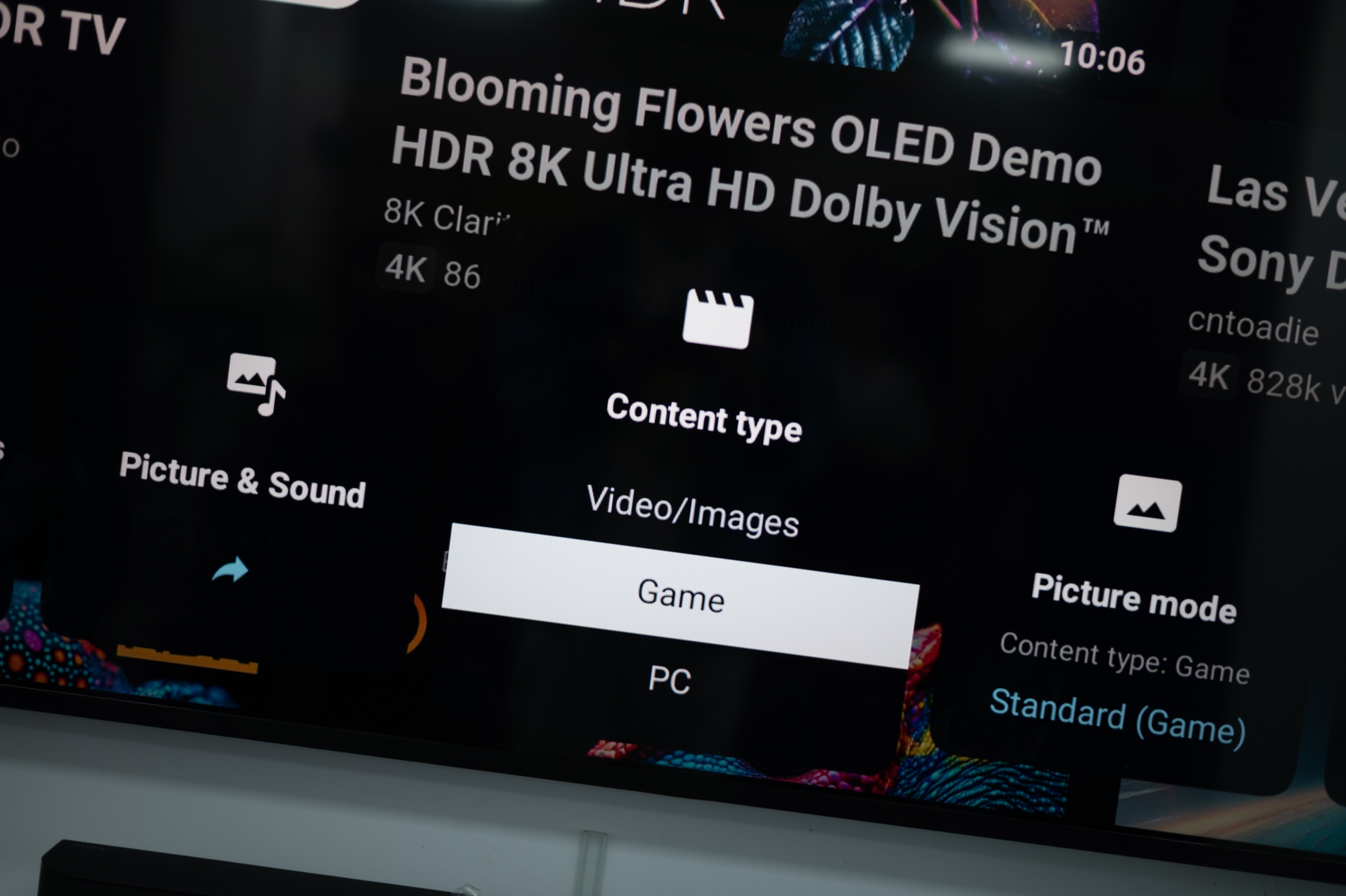 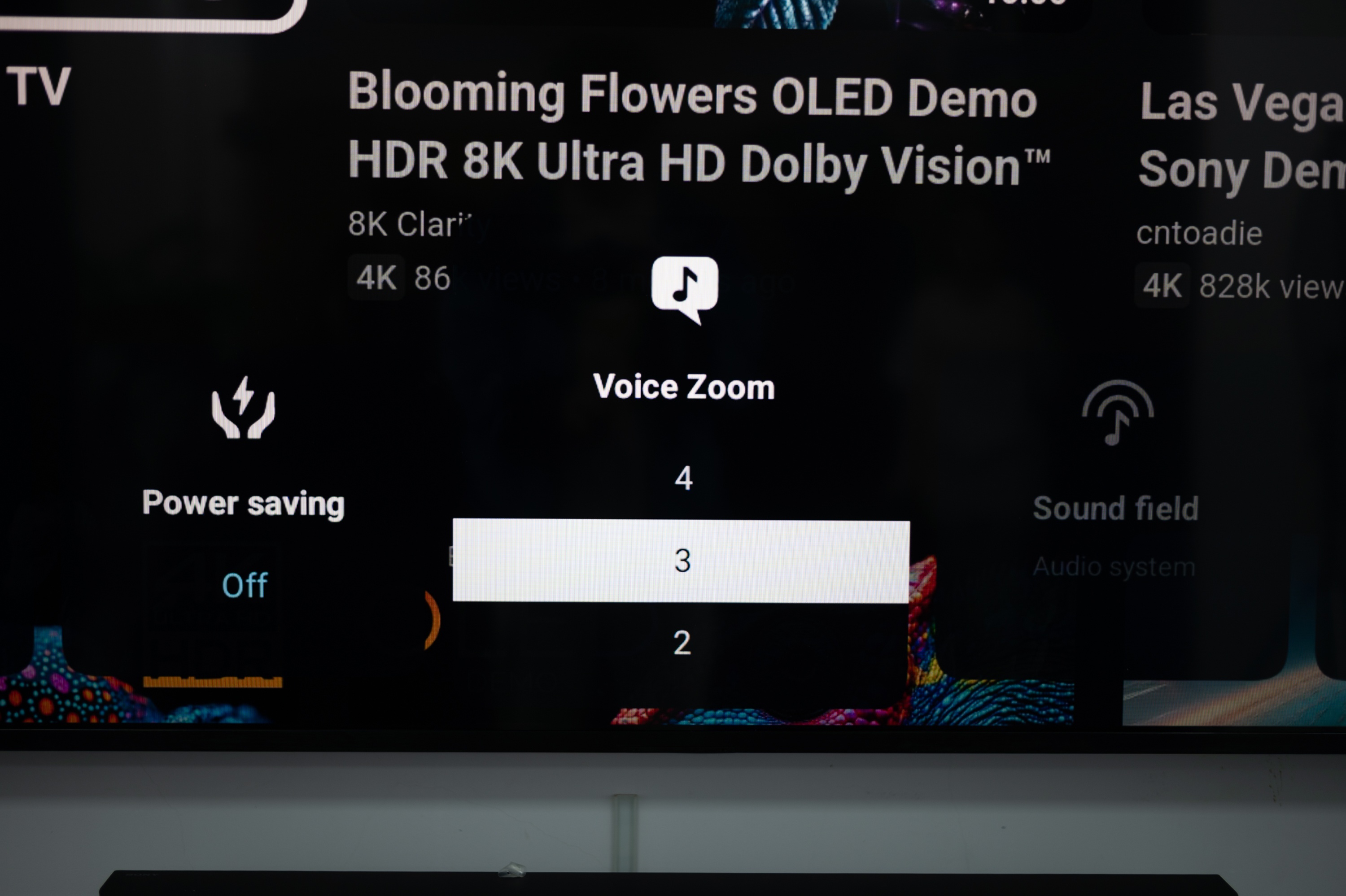 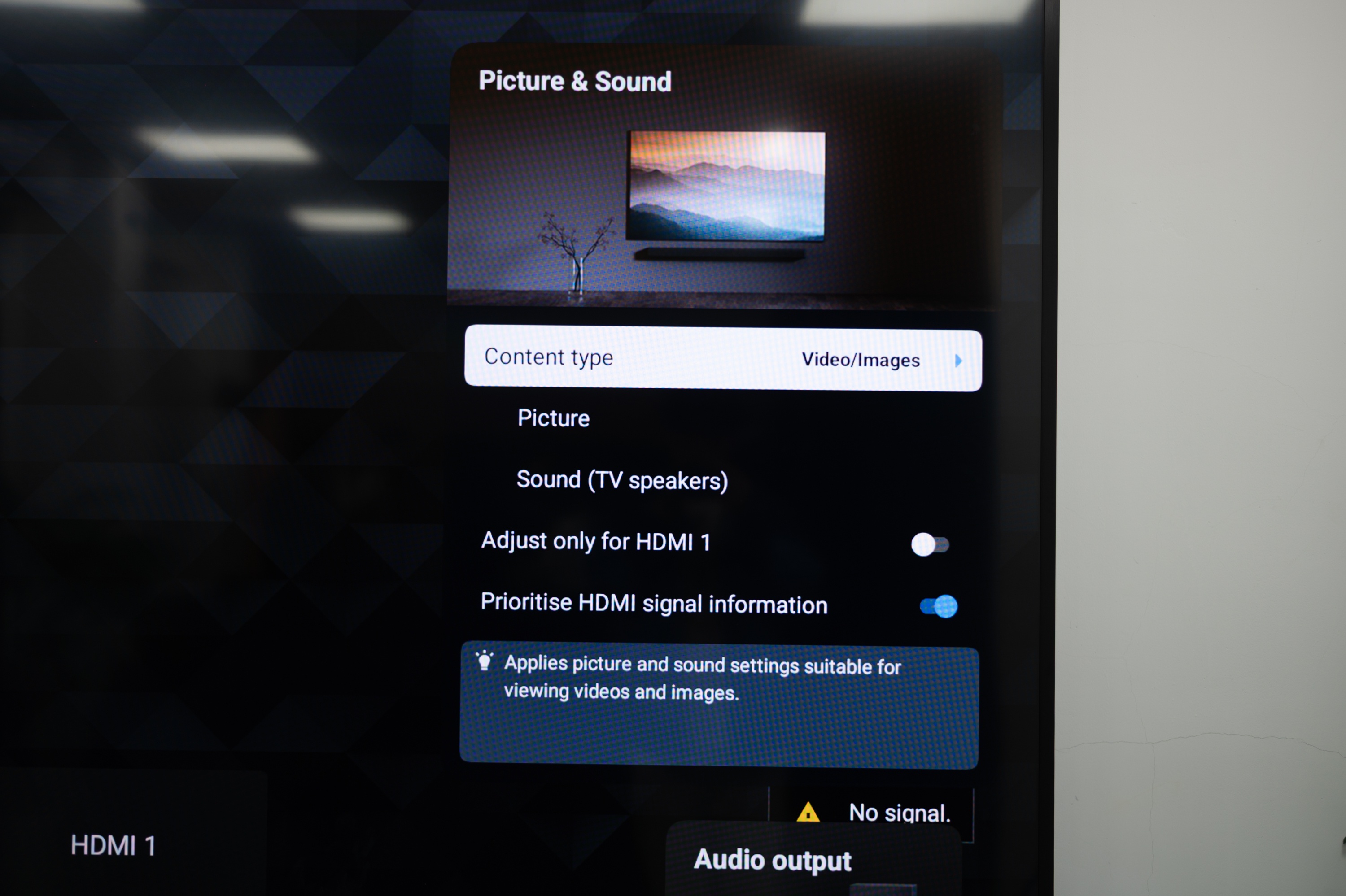 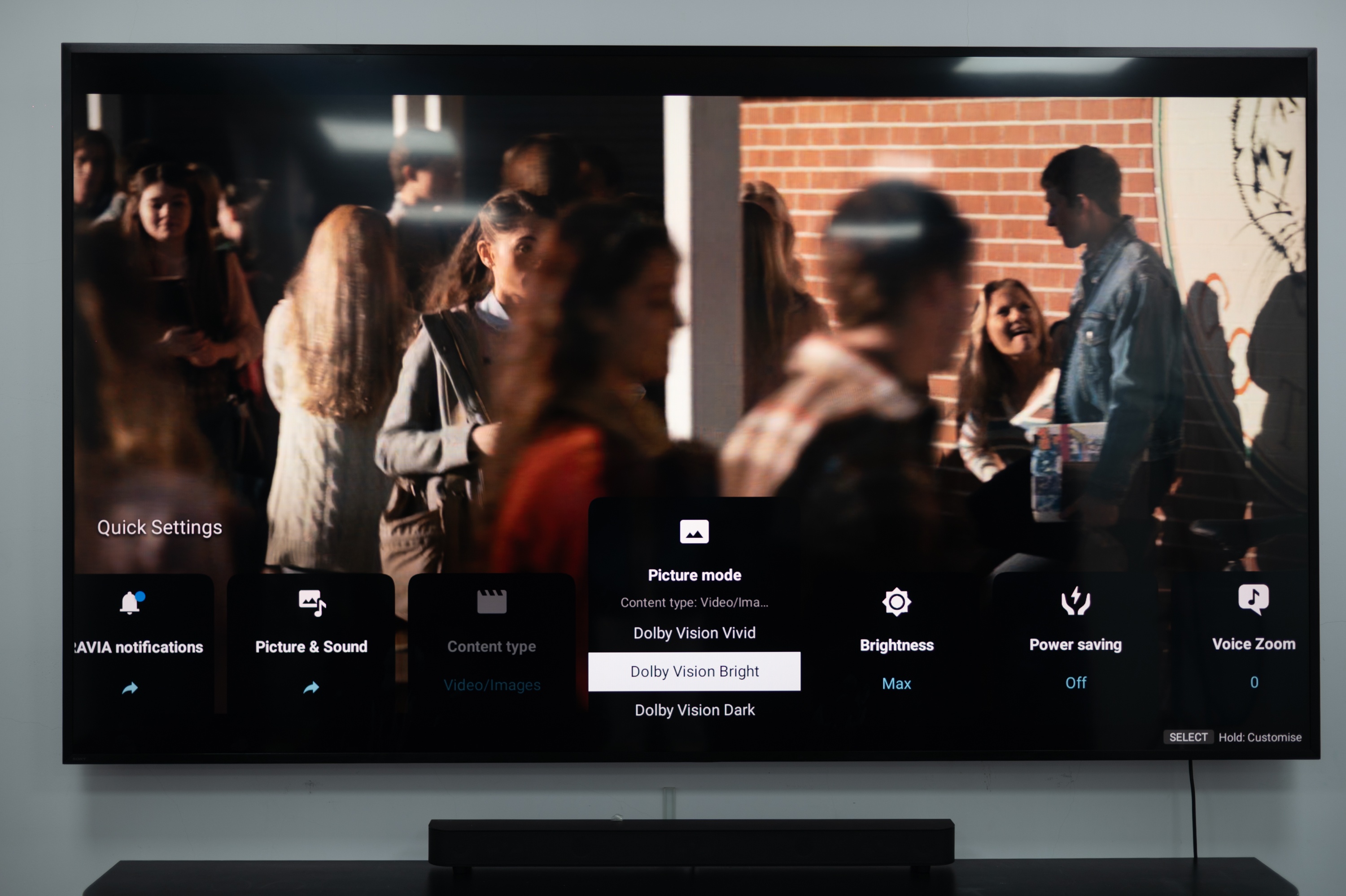 |
The TV comes pre-installed with multiple color profiles for different types of content. |
Compared to its competitors, Sony also has the advantage of its ecosystem. They own the PlayStation console and Sony Pictures. Through this, the company's TVs, not just the Bravia 5, have proprietary settings optimized for these types of content. The product automatically switches to Game Mode when connected to a PS5, reducing input lag and optimizing color and HDR for in-game scenes.
The product also offers settings options to watch Netflix or movies closely to the director's vision. Options include adjusting the color space and limiting frame additions to keep motion blur close to the human eye.
Who is the Bravia 5 for?
 |
The Bravia 5 is currently priced at around 130 million VND. |
The arrival of the 98-inch Bravia 5 has increased Sony's competitiveness. While priced at nearly 130 million VND during promotional periods, it remains high compared to the income of most customers. However, it is significantly cheaper than the Japanese manufacturer's flagship models, which typically cost over 200 million VND.
In Vietnam, Samsung sells the QA100 model, which is the same size, runs TizenOS, and has a relatively complete ecosystem. However, the company's TVs do not support Dolby Vision and are less optimized for most high-quality content on online movie streaming platforms.
Furthermore, the Hisense ULED 100U7Q is also a competitor to the Bravia 5 in many markets. This model boasts superior specifications such as 1,500-3,000 local dimming zones and a 165Hz refresh rate. In return, the Japanese manufacturer has the advantage of a more intelligent and user-friendly processing algorithm and a wider range of size options. Sony also has a superior brand reputation and product trust in the Vietnamese market.
Source: https://znews.vn/mini-led-cua-sony-khac-gi-doi-thu-post1636884.html

![[Photo] Prime Minister Pham Minh Chinh presides over a dialogue with Japanese businesses.](https://vphoto.vietnam.vn/thumb/1200x675/vietnam/resource/IMAGE/2026/03/21/1774097547316_ndo_br_dsc-0448-jpg.webp)























































































Comment (0)