Digital workers need to benefit from social security policies.
The social security gap is growing wider.
At a cafe on Pham Van Dong Street (Phu Dien Ward, Hanoi ), Nguyen Van Lich, 38, a ride-hailing driver who has been in the profession for over 6 years, said his income fluctuates from 10 to 15 million VND per month, depending on the time of year. He said: “When I’m healthy, I can still work. But if I have an accident or get sick for a long time, I lose my source of income immediately. I’ve also thought about getting insurance, but I don’t know how to participate appropriately.”
Lich's story reflects the reality for many digital platform workers today. They can proactively choose their working hours and benefit from the flexibility of technology, but they lack mechanisms to protect themselves when risks arise.
Ms. Tran Quynh Huong, the owner of a cosmetics shop on an e-commerce platform, said that the income of online sellers often fluctuates greatly according to the market. She said: "Some months the revenue is good, but other months there is almost no profit. When I was young, I didn't think much about it, but in middle age I started to worry because I don't have a pension, no long-term savings for social security."
Similarly, Mr. Tran Quoc Huy, a delivery driver in Ho Chi Minh City, said that the job of delivering goods always carries the risk of accidents. “Driving on the road for 10-12 hours a day, the risk of traffic collisions is very high. What worries me most is what I will live on when I get older and no longer have the strength to drive. If there were a pension or some kind of security for old age, workers would feel much more secure,” Mr. Huy expressed.
The concerns of Mr. Lich, Ms. Huong, and Mr. Huy reflect the shared sentiments of a segment of the current digital platform workforce. Labor experts believe this is the biggest gap in the current labor market. While the social insurance system has relatively good coverage for those with formal employment relationships, millions of freelance and digital platform workers remain inadequately protected. Data from the General Statistics Office ( Ministry of Finance ) shows that informal workers still account for over 60% of the total employed workforce. Within this group, the number of workers on digital platforms is increasing rapidly along with the development of e-commerce and the digital economy.
Associate Professor Dr. Nguyen Thi Lan Huong, former Director of the Institute of Labor and Social Sciences, believes that the development of digital technology is changing the nature of labor relations. Platform workers are not entirely the same as traditional workers, but neither are they independent business people. They work based on technology platforms, coordinated by algorithms, operating rules, evaluation systems, and job distribution established by the platform businesses. This creates a new form of labor relations that current legal frameworks do not fully cover. “If we continue to apply the old approach, we will miss an increasingly large segment of the workforce. Social security policies must keep pace with the changes in the labor market,” Dr. Huong stated.
One common concern today is that participating in social insurance may reduce workers' immediate income. However, according to experts, viewing social insurance only as an expense does not fully reflect the nature of this policy. Associate Professor, Dr. Nguyen Thi Lan Huong argues that social insurance is essentially a mechanism to protect future income. It is a source of support when workers face risks such as work accidents, illness, reduced working capacity, or reaching retirement age.



With Vietnam entering a period of rapid population aging, preparing a stable income for old age is becoming an increasingly urgent requirement. "Without early savings mechanisms, many workers may face the risk of not having a stable source of livelihood in old age. In that case, the burden falls not only on the individual but also on the family and society," Ms. Huong analyzed.
The mechanism for social insurance contributions for digital platform workers is also a matter of concern for policymakers. If applied entirely like traditional labor, platform businesses would have to contribute alongside their employees. However, the flexible nature of the digital economy model makes determining the responsibilities between the parties complex.
According to Vietnam Social Security, expanding social insurance coverage is one of the important goals to ensure sustainable social security and achieve the goal of universal social insurance. In recent years, the number of people participating in voluntary social insurance has increased rapidly, showing that people's awareness of the value of social security has changed positively. Researching appropriate participation mechanisms for ride-hailing drivers, delivery drivers, and online sellers not only aims to protect the rights of workers but also contributes to achieving the goal of universal social insurance. However, the policy-making process needs to be carefully studied to suit the characteristics of each group of workers.
Some experts suggest that platform businesses should have a certain responsibility to share costs because they are the organizers, coordinators, and beneficiaries of this workforce's activities. Meanwhile, others argue that a flexible contribution mechanism should be developed to avoid creating cost shocks that would make it difficult for businesses and workers to adapt.
A new social insurance model is needed for digital workers.
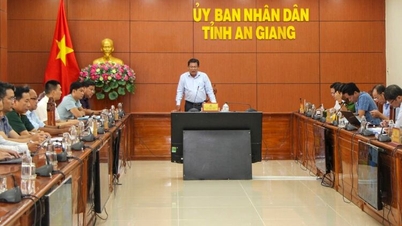
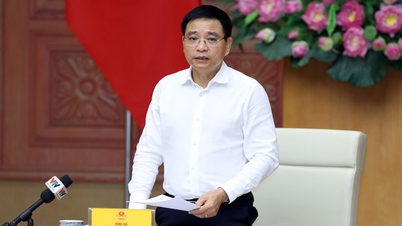
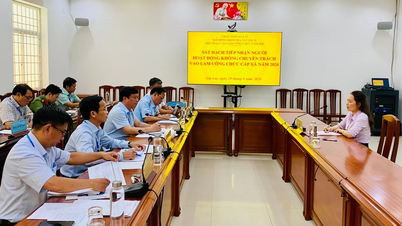
At a recent meeting of the Standing Committee on Culture and Social Affairs of the National Assembly, many delegates argued that, in the context of rapid digital transformation, it is necessary to establish a suitable legal framework to ensure social security for the rapidly growing group of digital workers.
Deputy Chairman of the National Assembly's Committee on Culture and Social Affairs, Lam Van Doan, emphasized that the refinement of policies must clearly demonstrate the State's role in protecting workers in the digital age, ensuring inclusive and sustainable development goals.
According to experts, a feasible solution is to build a multi-tiered and flexible social insurance system. The first tier would provide mandatory minimum protection to ensure all workers have access to basic benefits. The second tier would consist of shared contributions between employees and businesses to enhance benefits. The third tier would include additional voluntary contributions, allowing workers to accumulate funds for the future.
This model ensures the principle of shared responsibility among all parties while also being suitable for the fluctuating income of platform workers. However, many experts believe that expanding social insurance coverage for platform workers should be implemented gradually, in line with the development of the labor market. Applying the same contribution mechanism as traditional workers immediately could increase costs for platform businesses and negatively impact the immediate income of a segment of the workforce.
National Assembly representative Tran Hoang Ngan has repeatedly emphasized that the social security system must adapt to new forms of employment arising from the digital economy. Meanwhile, many National Assembly representatives also believe that expanding social insurance coverage is a crucial condition for achieving the goal of universal social insurance set by the Party and the State.



International experience shows that many countries have adjusted their policies to include basic labor in the social security system. The general trend recognizes this as an increasingly important part of the workforce and that they need to be protected in proportion to the contributions they make to the economy.
For Vietnam, this requirement becomes even more urgent as the digital economy is developing rapidly, the workforce in the digital sector is growing larger, and the national development goals for 2030 demand linking economic growth with social progress and equity. If millions of workers in the digital sector continue to be excluded from the social insurance system, in a few decades a large segment of the elderly population may emerge without pensions and without stable income. This will then shift the pressure onto the social assistance system and the state budget.
According to Nhandan.vn
Source: https://baoangiang.com.vn/mo-rong-luoi-an-sinh-cho-lao-dong-so-a489573.html